
Rust in your metal pool can transform a fun backyard feature into a costly maintenance problem. Galvanic corrosion — especially common around saltwater pools — poses a real threat to the longevity of your pool's components. Here's how to fight back.
This guide walks you through proven steps to prevent rust and maintain the pristine condition of your metal pool through effective methods including corrosion-protection sprays and anti-rust coatings. A little proactive care goes a long way in protecting your investment season after season.
Causes of Rust in Metal Pools
Exposure to pool chemicals and saltwater can cause rust in metal pools. Lack of proper maintenance also contributes to the formation of rust in metal pool components over time. Understanding what causes rust is the first step toward preventing it effectively.
Pool Chemicals
Chlorine, pH adjusters, and shock treatments can degrade unprotected metal surfaces when they come into repeated contact with pool walls, frames, and fittings.
Saltwater Exposure
Saltwater accelerates galvanic corrosion — a process where metal deteriorates faster than in fresh water. Saltwater pools are particularly demanding on metal components.
Poor Maintenance
Neglecting routine inspections, failing to remove existing rust promptly, and skipping protective coatings all allow corrosion to take hold and spread rapidly.
Exposure to Pool Chemicals and Saltwater
Pool chemicals and saltwater play a major role in the rusting process of metal pools. Galvanized metal, if left untreated or unpainted, won't hold up to these elements for long. The harsh reality is that pool chemicals designed to keep your swimming experience safe can actually accelerate metal deterioration.
Saltwater is particularly unforgiving. It introduces galvanic corrosion — especially in and around saltwater pools — which can affect surrounding metal components and stray voltage currents running through the water. This type of corrosion can silently eat away at your pool's structure without visible signs until significant damage has already occurred.
Applying a protective layer — through PVC liners, epoxy coatings, or rubber-based sealants — can shield your pool from these aggressive agents. Coating the inside and edges of uprights and fittings before installation acts as a defense mechanism against oxidation caused by water chemistry imbalances. Monitoring and balancing pH levels alongside the regular application of rust inhibitors creates an extended lifespan for your above ground or in-ground pool, protecting it from unsightly rust stains and structural damage.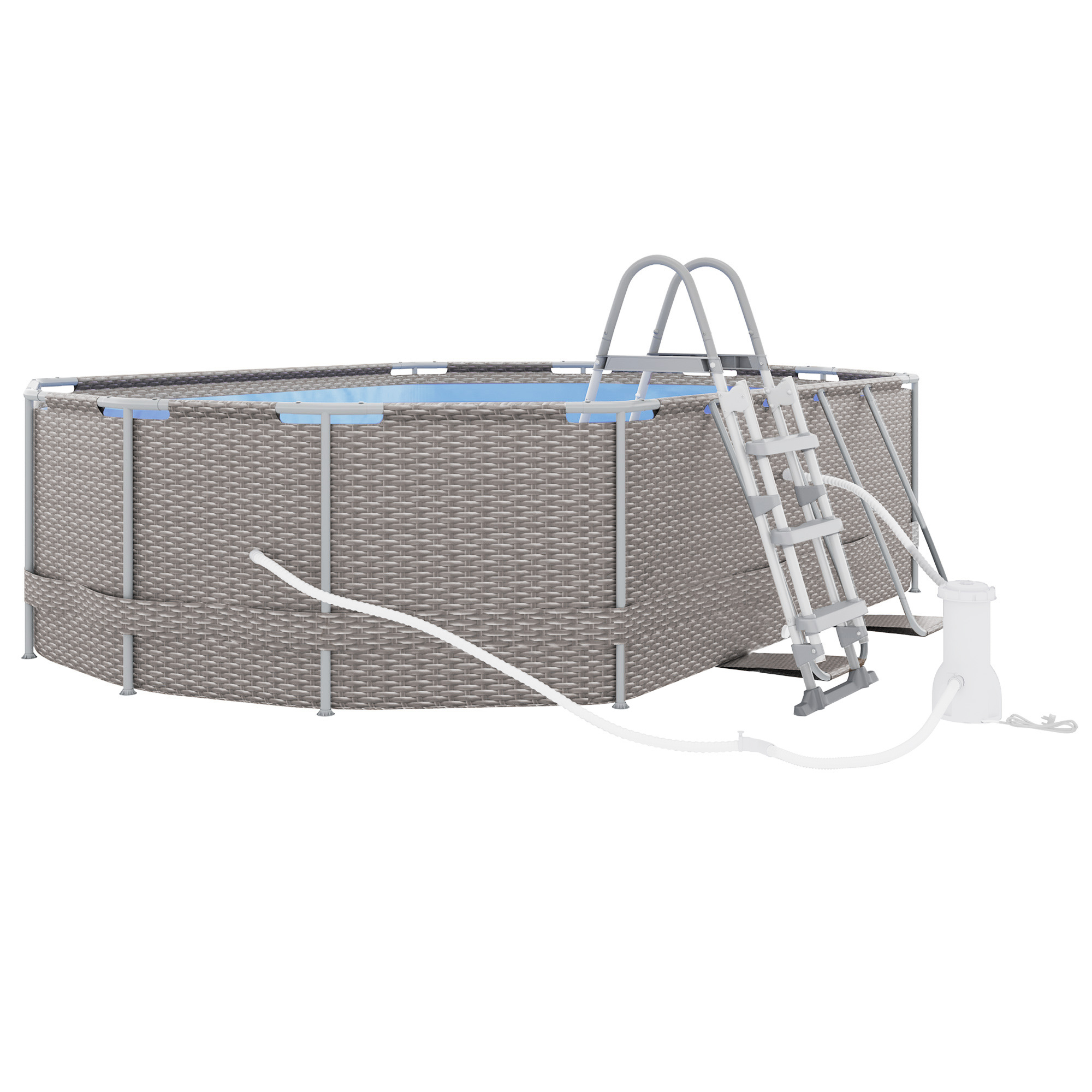
Lack of Proper Maintenance
Improper maintenance of metal pools can lead to extensive rust damage. Regular cleaning and removal of any rust, as well as the application of anti-rust coatings, are necessary preventive measures that every pool owner should build into their routine.
Additionally, inspecting and repairing any damaged or worn components on a regular basis is crucial for preventing widespread corrosion. Monitoring and balancing pool water pH levels and chemical content also plays a vital role in preventing rust accumulation.
Neglecting these maintenance practices can result in significant damage to metal pool components over time — damage that is far more costly to repair than it would have been to prevent in the first place. Even small areas of surface rust can spread aggressively if left untreated.
Tips for Preventing Rust in Metal Pools
To prevent rust in your metal pool, consider using corrosion-protection sprays and applying anti-rust coatings. Regularly cleaning and removing any existing rust, as well as properly bonding pool and fence components, are also essential parts of a solid long-term protection plan.
Use Corrosion Protection Sprays
Corrosion protection sprays are effective in safeguarding metal pool components from rust. These sprays create a barrier that shields the metal against corrosive elements, including pool chemicals and saltwater exposure.
By applying corrosion protection spray to susceptible areas, you can prolong the lifespan of your pool and prevent costly damage due to rust accumulation. Using corrosion protection sprays is an essential part of metal pool maintenance — it provides an additional layer of defense against galvanic corrosion, ensuring your pool stays structurally sound and free from unsightly rust stains.
Regularly Clean and Remove Any Rust
Regularly cleaning and removing any rust from metal pool components is crucial for preventing corrosion from spreading. Use a stiff wire brush or a rust-specific abrasive tool to eliminate existing rust, then rinse thoroughly and dry the surface before applying any protective treatment.
This process not only prevents further deterioration but also provides a clean, smooth surface for applying protective coatings like rubber-based sealants or anti-rust paints. Staying on top of rust removal is one of the simplest ways to keep metal surfaces in serviceable condition year after year.
Consider Applying Anti-Rust Coatings
To prevent rust in metal pools, consider applying anti-rust coatings as an additional protective layer. These coatings — including rubber-based sealants, epoxy formulations, or aluminum-based paints — are specifically engineered to resist the corrosion caused by pool chemicals and saltwater exposure.
By applying anti-rust coatings to particularly vulnerable areas, pool owners can enhance the longevity of their metal pool structures and protect them from the harmful effects of oxidation and galvanic corrosion. One standout option for exceptional rust-resistance and lasting durability is Polythrene or rated INOX. Polythrene provides a zinc-enriched epoxy primer combined with a tough polyurethane external finish spray-powder coating. This unique innovation offers superior protection against rust and weathering — providing a smooth, durable finish that not only protects but can also enhance the visual appeal of your metal pool components, making it an excellent choice for maintaining a reliable and durable pool environment.
Properly Bond Pool and Fence Components
Ensuring pool and fence components are properly bonded is an important measure against corrosion caused by stray voltage and galvanic attack. Utilize non-corrosive materials for construction bonds, such as fiberglass, zinc, magnesium, or aluminum — materials that won't react negatively to moisture, chemicals, and galvanic exposure.
Tighten bolts and connection regularly to create a strong bond between the pool and fence components. Additionally, using rust-inhibited paint for coating for these connection spots can further enhance protection against rust and corrosion, keeping the structural integrity of your pool intact for longer.
Protection Tip
Combine corrosion-protection sprays with a quality anti-rust coating for the best results. Using both products together creates a layered defense that is far more effective than relying on either solution alone — especially for pools in humid climates or those using saltwater sanitation systems.
Looking for a durable, well-built above ground pool designed to handle the elements? The Outsunny 14ft x 8ft Steel Frame Pool features a robust steel frame and comes with an integrated filter pump — ready for summers of reliable backyard use.
Outsunny 14ft Steel Frame PoolConclusion
Does maintaining proper pool water chemistry help in preventing rust? Absolutely. Balancing pH levels, alkalinity, and chlorine reduces the chemical aggression on metal surfaces, slowing the corrosion process significantly. But chemistry alone isn't enough — physical protection through coatings, sprays, and proper bonding is equally important.
By staying proactive — inspecting your pool regularly, addressing rust the moment it appears, and applying protective treatments before problems develop — you can dramatically extend the life of your metal pool structure. A rust-free pool isn't just better looking; it's safer, more reliable, and far less expensive to own over the long run.
Explore BACKYARD PROVIDER's full range of above ground pools and pool care accessories to find everything you need to protect your backyard investment and enjoy crystal-clear water all summer long.