
Controlling air pressure inside hospital rooms is a fundamental part of any effective infection control plan. By strategically using positive and negative pressure environments, healthcare facilities can influence how air moves between spaces, helping to reduce the spread of airborne contaminants. These pressure-based systems are essential tools in the ongoing effort to maintain clean, safe air quality where it matters most — around vulnerable patients and busy clinical areas.

Understanding Positive vs. Negative Room Pressure
In a hospital setting, room pressure describes the difference in air pressure between a given room and the spaces surrounding it. Whether positive or negative pressure is applied depends on the purpose of the room and the degree of contamination risk involved.
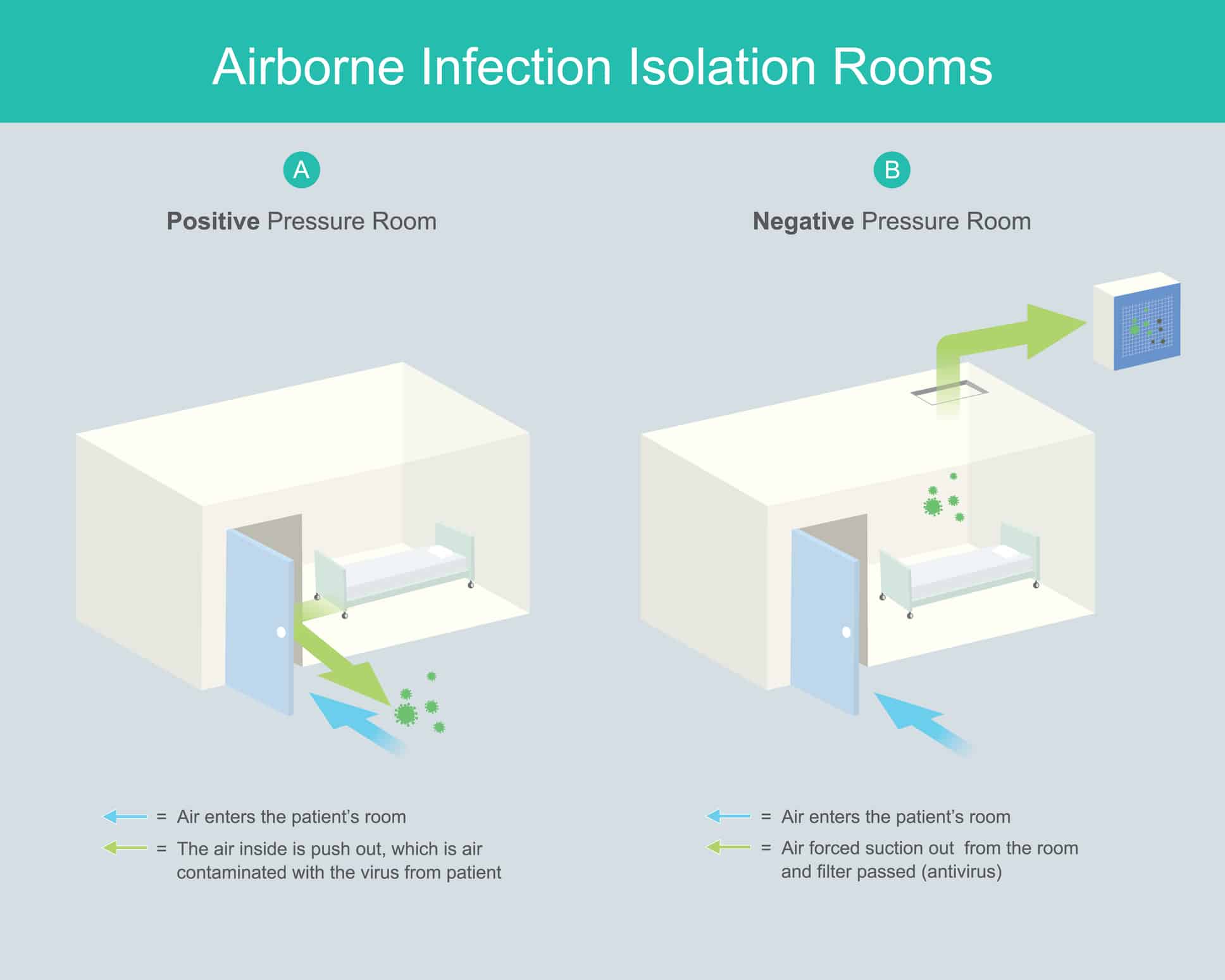
When air pressure inside a room exceeds that of adjacent spaces, air naturally flows outward. This keeps external pollutants and pathogens from entering, making it ideal for environments where a sterile or particularly clean atmosphere is required.
When the pressure inside a room is lower than in surrounding areas, air is drawn inward. This containment approach prevents contaminants from escaping the room, making it crucial for isolating patients with known or suspected infectious conditions.
Positive Room Pressure: Pushing Clean Air Outward
Positive pressure rooms are engineered to push purified, filtered air outward into neighboring spaces. This mechanism helps block airborne particles — including dust, bacteria, and viruses — from entering the controlled environment. Facilities that prioritize airborne exposure control frequently rely on positive pressure in areas such as:
Operating Rooms — Surgical suites depend on positive pressure to maintain directional airflow away from the sterile field, which helps reduce contamination risk during procedures.
Intensive Care Units (ICUs) — Patients in critical condition are often highly susceptible to environmental threats, making positive pressure a valuable tool for minimizing airborne exposure in these wards.
Pharmaceutical Compounding Areas — Medication preparation zones demand exceptionally clean air, and positive pressure setups help maintain the necessary purity levels within these workspaces.
Typically, these rooms rely on high-efficiency particulate air (HEPA) filtration systems to supply a steady stream of purified air. The continuous outward flow helps prevent unfiltered air from rushing in each time a door is opened, maintaining the integrity of the clean environment.
Negative Room Pressure: Containing Airborne Pathogens
Negative pressure rooms play a vital role in isolating patients who are confirmed or suspected to have airborne infectious diseases. By pulling air inward and preventing it from escaping into hallways or neighboring rooms, these environments help contain potentially dangerous pathogens. Common scenarios where negative pressure isolation is used include:
• Tuberculosis (TB) — Helping to contain particles associated with TB transmission and reduce the risk of spread to other patients and staff.
• COVID-19 — Extensively adopted during the pandemic as a key component of respiratory infection control protocols in hospitals worldwide.
• Measles and Chickenpox — Highly contagious airborne viruses like these are frequently managed within isolation rooms maintained under negative pressure conditions.
Inside negative pressure rooms, air is drawn inward and then passed through HEPA filters before being exhausted outside or safely recirculated. This filtration process supports containment efforts by significantly reducing the outward flow of potentially contaminated air into surrounding hospital areas.
How Room Pressure Supports Broader Infection Control Strategies
Although positive and negative pressure systems serve opposite functions, both are indispensable to a well-rounded hospital infection control program. Together, these airflow management practices help healthcare teams:
Pressure differentials allow targeted control over how airborne particles move around patients in high-risk zones, helping to shield vulnerable individuals from potential contaminants.
Directional airflow helps limit the migration of contaminants out of isolation areas, bolstering the effectiveness of quarantine and containment protocols.
Controlled airflow reduces the likelihood of staff being exposed to harmful airborne agents, supporting occupational safety in clinical environments.
Implementing room pressure controls helps hospitals comply with guidelines and recommendations from authoritative bodies such as the CDC and ASHRAE, ensuring alignment with best practices in healthcare facility management.
Keeping Hospital Air Pressure Systems in Balance
Maintaining accurate pressure differentials demands consistent attention from hospital facility management teams. HVAC systems need regular calibration and upkeep to ensure air pressure remains within designated thresholds, and many facilities employ continuous monitoring devices to track real-time performance. When pressure levels fluctuate or fall out of range, airflow patterns can be disrupted — potentially undermining the broader infection control strategy. Investing in reliable monitoring equipment is a practical step toward identifying and correcting imbalances before they escalate into larger issues.
Conclusion
Positive and negative room pressures each serve a distinct yet complementary role in hospital air quality management and infection prevention. Positive pressure channels filtered air into sensitive areas like surgical suites and intensive care units, while negative pressure draws air inward within isolation rooms to contain the spread of airborne pathogens. When used together as part of a comprehensive infection control program, these systems form a powerful line of defense in protecting patients, staff, and visitors within critical healthcare environments.