
Differential pressure within cleanroom environments refers to the intentional difference in air pressure between the cleanroom interior and the surrounding ambient space. The primary purpose of maintaining this pressure difference is to stop airborne particles, dust, and contaminants from infiltrating the cleanroom through gaps, cracks, door openings, or any other potential entry points. If you slightly open a door in a positively pressurized cleanroom, you will actually feel the rush of air pushing outward. To keep track of this critical pressure difference, magnehelic gauges are commonly installed within cleanroom facilities so that conditions can be monitored continuously.
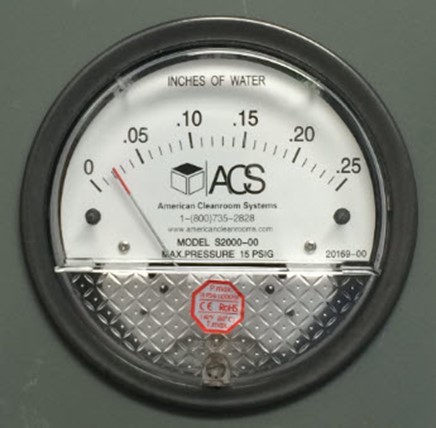
Figure 1 — Magnehelic gauge used to measure differential pressure in cleanrooms
Positive Pressure Cleanrooms
In a positive pressure cleanroom, the air conditioning system is specifically designed to bring fresh, filtered air from outside into the cleanroom space. This intake of makeup air is what raises the internal pressure above the surrounding ambient level. Once the air enters the system, it is pushed into the overhead plenum where it then flows through HEPA fan filter units. These high-efficiency filters ensure that every cubic foot of air entering the cleanroom has been thoroughly purified, keeping the controlled environment free from harmful particles and contaminants.
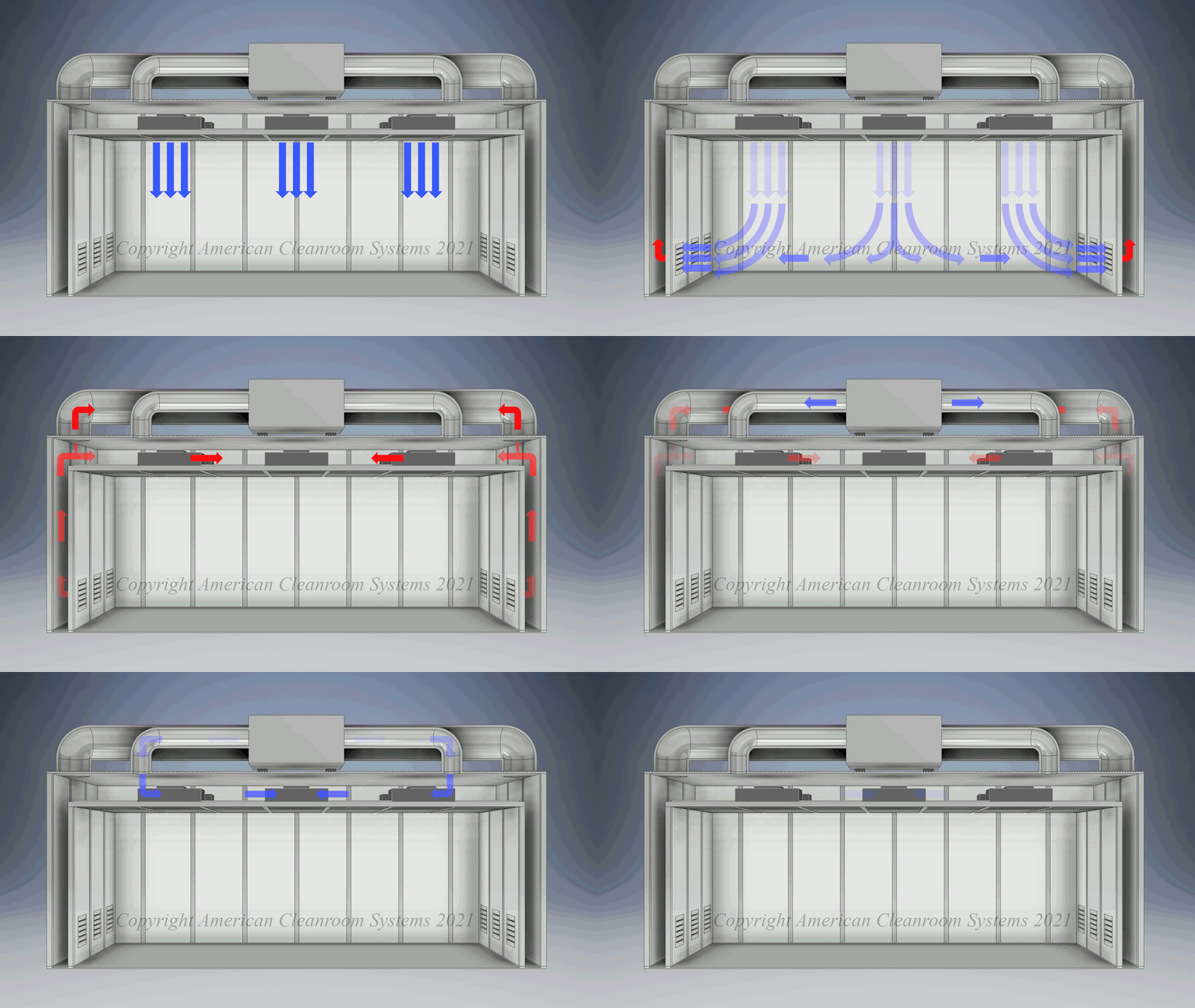
Figure 2 — Airflow simulation inside a recirculating modular cleanroom
The Pressure Cascade Principle
Most cleanroom facilities are configured with what is known as a pressure cascade. This means that rooms classified at a higher cleanliness level maintain a higher internal pressure, while lower-classification areas such as gowning rooms operate at a lower pressure. The reasoning behind this design is straightforward: whenever a door between two rooms is opened, air naturally moves from the higher-pressure space to the lower-pressure one. This prevents contaminants in a less-clean zone from migrating into a more critical area. For instance, a gown room rated at ISO-8 (Class 100K) might maintain around 0.03 inches of water column, whereas the adjacent ISO-7 (Class 10K) main cleanroom could be set to 0.05 inches of water column — a measurably higher differential pressure value.
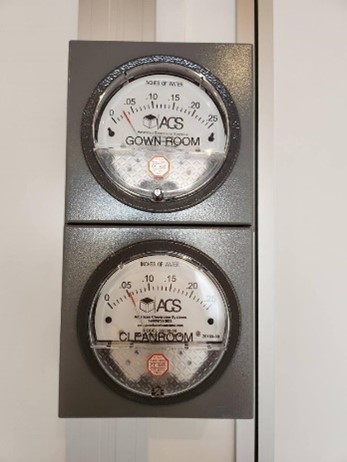
Figure 3 — Analog magnehelic gauges for cleanroom gown room and main cleanroom
Negative Pressure Cleanrooms
A negative pressure cleanroom operates in the opposite manner — the internal air pressure is deliberately kept lower than the outside environment. If a door is even slightly ajar, you will feel air being pulled inward. These facilities rely on powerful exhaust systems that continuously draw air out of the room, which is typically done to safely remove hazardous fumes, volatile chemicals, or biological agents. Because of the constant air removal, negative pressure cleanrooms must have dedicated makeup air AC units to replenish the conditioned air that gets exhausted. Common examples of negative pressure environments include USP 800 compounding cleanrooms, hazardous materials processing rooms, and biosafety containment laboratories.
How Differential Pressure Is Measured
Cleanroom differential pressure is tracked using magnehelic gauges. These instruments are typically mounted on the wall outside the cleanroom, near the main entrance, with one gauge assigned to each room within the facility. A small plastic tube runs from the gauge through the wall and into the room being measured. The gauge then displays the difference in pressure between the outside hallway and the cleanroom interior. Measurements are expressed in inches of water column (in. w.c.) or pascals. Many cleanrooms still use traditional analog magnehelic gauges, which offer the notable advantage of functioning without any electrical power. Digital magnehelic gauges, on the other hand, not only display the current pressure reading but can also transmit analog or digital signals to a centralized monitoring system, enabling data archiving and configurable alarm thresholds. Some older facilities may still use manometer-style gauges, which display room pressure similarly to how an analog thermometer shows temperature.
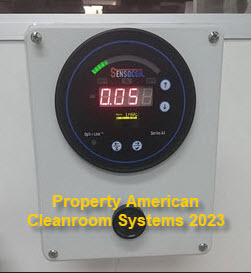
Figure 4 — Digital magnehelic gauge
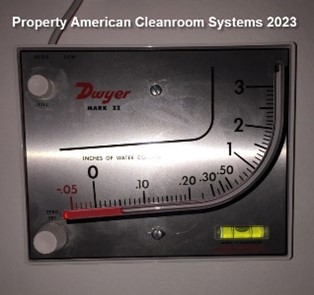
Figure 5 — Manometer gauge used for cleanroom differential pressure
Digital Cleanroom Monitoring Systems
One of the more recent advancements in cleanroom technology is the emergence of digital monitoring systems. These integrated platforms combine electronic sensors for temperature, humidity, and differential pressure into a single, unified interface. Key features include real-time digital displays, customizable alarm notifications, long-term data archiving, and the ability to communicate measurements through digital channels including email alerts and SMS text messaging. These systems have become the standard in modern CGMP pharmaceutical cleanrooms, where continuous monitoring and thorough documentation are regulatory requirements.
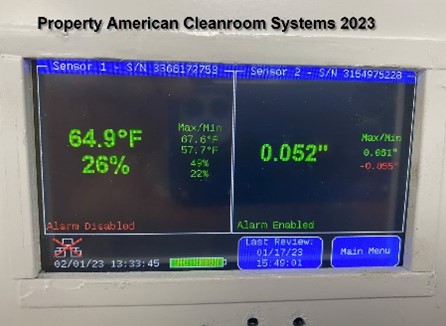
Figure 6 — Digital cleanroom monitoring system display
Summary
Differential pressure is a fundamental element of cleanroom design. In positive pressure environments, it serves to keep outside contaminants from entering the controlled space. In negative pressure settings, it ensures that hazardous fumes and biological agents remain safely contained. Magnehelic gauges — whether analog, digital, or manometer-style — are the standard instruments used to measure and monitor these critical pressure differences. For facilities that require continuous oversight, modern digital monitoring systems offer a comprehensive solution with real-time alerts and data logging capabilities.