
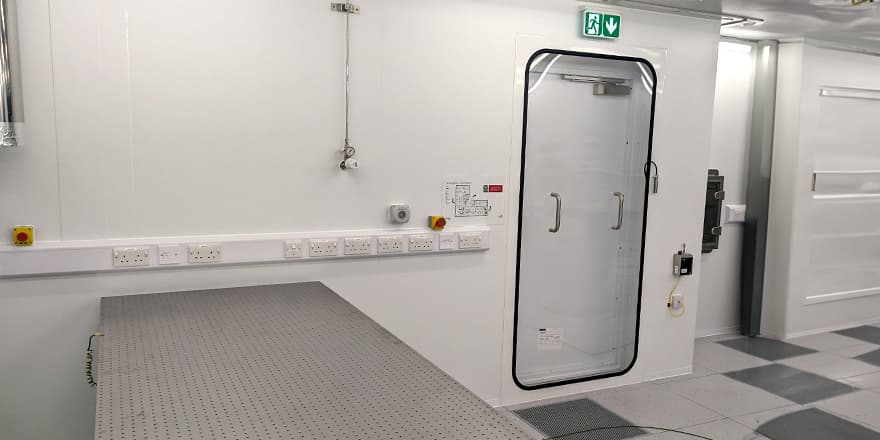
Cleanrooms are purpose-built environments engineered to eliminate airborne particles, bacteria, and other contaminants. Found in hospitals, pharmaceutical labs, semiconductor facilities, and food processing plants, these controlled spaces depend heavily on precise pressure management. One of the most critical factors in maintaining cleanroom integrity is the pressure differential — the difference in air pressure between adjacent zones. This comprehensive guide explores why pressure differentials matter and how to achieve and maintain them effectively.
Understanding Pressure Differentials in Cleanrooms
What Are Pressure Differentials and Why Do They Matter?
A pressure differential refers to the measurable difference in air pressure between two connected spaces. In cleanroom settings, this difference is not incidental — it is carefully engineered to protect sensitive processes. Maintaining correct pressure levels is essential for both the cleanliness and safety of the controlled environment. Positive pressure rooms, such as those used in surgical theaters, push contaminants outward. Negative pressure rooms, including isolation wards, draw contaminants inward to prevent their escape.
Two Core Types of Pressure Control
Positive Pressure: Maintains higher air pressure inside the cleanroom relative to the surrounding area. This prevents unfiltered outside air and contaminants from entering the controlled space, making it ideal for manufacturing and assembly environments.
Negative Pressure: Maintains lower air pressure inside the cleanroom compared to adjacent areas. This ensures hazardous particles or biological agents remain contained within the room, which is essential for infectious disease isolation and hazardous material handling.
How Pressure Differentials Control Contaminants
Pressure differentials serve as an invisible shield against contamination. Their role in contaminant control works in two key ways:
1. Blocking Contaminant Entry: When the internal pressure exceeds external pressure, airborne particles cannot penetrate the cleanroom barrier, keeping the interior pristine.
2. Trapping Contaminants Inside: When internal pressure is lower than external pressure, any hazardous substances generated within the room remain contained, protecting the surrounding facility.
Designing Cleanrooms for Optimal Pressure Control
Achieving reliable pressure control begins at the design stage. Every element of the cleanroom — from ventilation architecture to the positioning of contaminant sources — must be thoughtfully planned to support consistent pressure management.
Choosing the Right Ventilation System
The type of ventilation system used has a major impact on cleanroom performance. Unidirectional (laminar) flow systems are widely regarded as the most effective for removing contaminants because they push air in a single, uniform direction. Non-unidirectional systems can also perform well when properly configured. Key design factors include maintaining low supply velocity, carefully balancing intake and exhaust flow rates, and strategically positioning contaminant sources relative to airflow paths.
Balancing Supply and Exhaust Airflow
Achieving the target pressure differential depends on precisely balancing the volume of air entering and leaving the cleanroom. When supply and exhaust are out of sync, pressure fluctuations can allow contaminants to breach the barrier. A well-balanced layout also reduces turbulence and improves overall air circulation. Steps to maintain this balance include:
› Measure airflow rates at every supply and exhaust point during commissioning.
› Adjust dampers and diffusers until supply and exhaust are properly calibrated.
› Implement ongoing monitoring to detect and correct drift over time.
Strategic Placement of Contaminant Sources
Where contaminant-generating equipment or processes are located within the cleanroom directly affects how well pressure control works. Thoughtful placement can dramatically improve containment. When planning your layout, consider the following:
› Position contaminant sources as far from critical zones as possible.
› Ensure airflow patterns direct particles away from sensitive areas.
› Use physical barriers or partitions to isolate high-risk areas from the rest of the room.
Monitor Your Cleanroom Pressure with Confidence
Precise, reliable room pressure monitoring for critical environments.
Abatement RPM-RT MonitorEnergy Efficiency and Pressure Differentials
The Hidden Cost of Overdesign
It may seem logical that higher pressure differentials always provide better protection, but overdesigning pressure levels can lead to substantial energy waste. Maintaining unnecessarily high differentials demands more energy from HVAC systems, which translates directly into higher operational costs. Evaluating and setting the appropriate differential for each cleanroom application is essential to avoiding this common and costly mistake.
Low-Pressure Drop HEPA Filters
Selecting HEPA filters with a low pressure drop is one of the most effective strategies for reducing energy consumption in recirculating cleanroom units. These filters deliver the same level of particulate removal while requiring significantly less fan energy, making them a smart investment for long-term operational efficiency.
Precision HVAC Setpoints
The HVAC system is the engine behind pressure control, and its performance depends on accurate setpoints. When pressure settings are imprecise, the system may overcompensate — wasting energy and driving up costs. Incorporating precision measurement instruments like manometers into the monitoring process ensures that conditions remain within the optimal range, improving both performance and efficiency.
Best Practices for Maintaining Pressure Differentials
Consistent Monitoring and Calibration
Reliable pressure control requires continuous oversight. Manometers and pressure monitors should be deployed during commissioning and maintained with regular calibration schedules. Typical cleanroom pressure differentials fall between 0.67 and 2.7 Pa, and even small deviations from this range can compromise the environment. Regular calibration ensures the HVAC system remains responsive and that the cleanroom stays within specification.
Leveraging Simulation Tools for Pressure Calculation
Computational simulation tools have become invaluable for cleanroom design and maintenance. These tools can model the effects of changes in air volume, duct friction losses, and equipment modifications before they are implemented in the real world. By predicting how adjustments will impact overall room pressure, simulations help teams make informed decisions that maintain desired conditions while avoiding costly trial-and-error approaches.
Keep Your Facility Pressure in Check
Real-time monitoring designed for demanding cleanroom applications.
Abatement RPM-RT MonitorConclusion
Proper management of pressure differentials is fundamental to effective cleanroom contamination control. While higher differentials generally strengthen containment, it is equally important to avoid overdesign, which can lead to unnecessary energy consumption and inflated operational costs. Research has consistently shown that unidirectional flow cleanrooms are especially effective at removing contaminants. The key best practices include balancing supply and exhaust airflow rates, placing contaminant sources strategically, and maintaining sufficient pressure differentials for proper directional airflow. Additionally, creating controlled microenvironments within the larger cleanroom can help achieve both sterility and energy efficiency goals. By following these principles, cleanroom operators can maintain safe, compliant, and cost-effective environments that support the critical processes and industries that depend on them.