
Unlock the secrets of optimal pitching performance through biomechanical analysis and professional training equipment
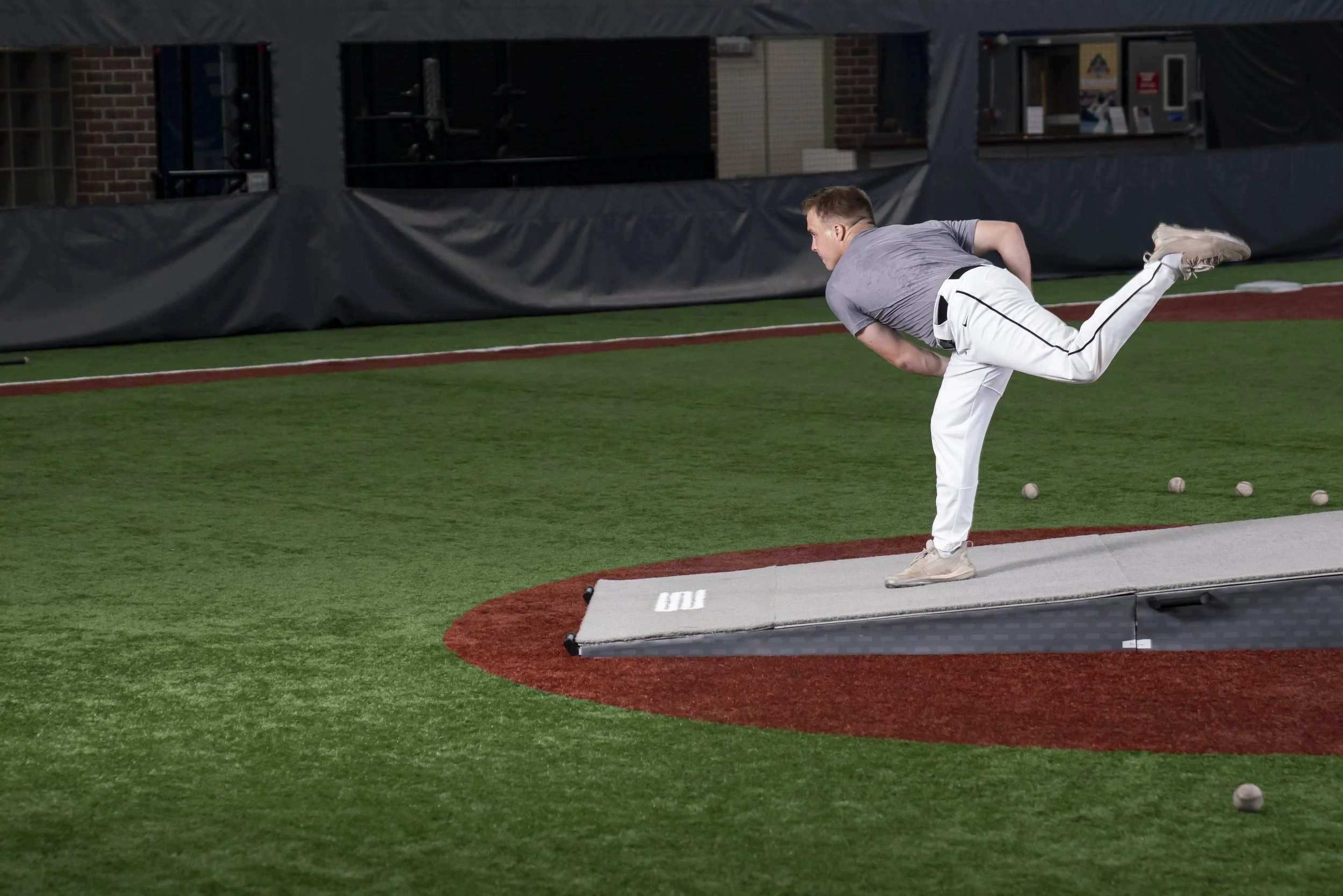
The art and science of baseball pitching represents one of the most complex athletic movements in sports. Every pitch thrown involves a sophisticated chain of biomechanical events that determine velocity, accuracy, and injury risk. Understanding these mechanics is essential for players, coaches, and training facilities seeking to optimize performance while protecting pitcher health.
Modern sports science has revolutionized our understanding of pitching mechanics through advanced force plate technology and motion analysis systems. These tools provide unprecedented insights into how pitchers generate power, maintain balance, and execute controlled movements throughout the pitching motion.
Fundamentals of Pitching Mechanics
The pitching motion consists of several distinct phases, each requiring precise coordination and force generation. From the wind-up through the release and follow-through, pitchers must orchestrate a complex sequence of movements that transfer energy from the lower body through the core and ultimately to the throwing arm.
Ground reaction forces play a critical role in this energy transfer. The way a pitcher interacts with the mound surface directly influences velocity production, mechanical efficiency, and injury prevention. Professional training facilities recognize that consistent, properly designed pitching surfaces are fundamental to developing sound mechanics.
The Wind Up Phase
During the initial wind-up phase, pitchers establish their foundation and begin loading energy into their kinetic chain. This phase involves gathering momentum while maintaining balance and control. The quality of the pitching surface becomes immediately apparent as pitchers plant their pivot foot and begin their motion.
Force plate analysis reveals that elite pitchers generate substantial vertical and horizontal forces during this initial phase. These forces must be absorbed and redirected by a stable, consistent mound surface to allow for optimal mechanical execution.
Early Cocking Phase Dynamics
As pitchers transition into the early cocking phase, they begin their stride toward home plate while simultaneously rotating their upper body. This phase requires exceptional balance and coordination as the pitcher moves from a stable two-foot stance to a dynamic single-leg position.
The stride leg extends forward while the drive leg generates powerful propulsive forces against the mound. Research demonstrates that the magnitude and direction of these forces correlate strongly with pitch velocity and mechanical efficiency. A properly constructed training platform allows pitchers to develop these forces consistently.
Late Cocking Phase Mechanics
The late cocking phase represents a critical moment when the stride foot makes contact with the ground and the throwing arm reaches maximum external rotation. This phase generates tremendous stress on the shoulder and elbow, making proper mechanics essential for injury prevention.
Ground reaction forces at stride foot contact can exceed two times body weight. The ability to absorb and redirect these forces depends heavily on lower body strength, core stability, and the consistency of the landing surface. Professional training environments prioritize these factors through specialized equipment and surfaces.
Acceleration Phase Power Generation
During the acceleration phase, energy accumulated throughout the pitching motion is rapidly transferred to the baseball. This explosive phase lasts only milliseconds but determines pitch velocity and movement. The kinetic chain must function flawlessly, with energy flowing sequentially from the legs through the torso and into the throwing arm.
Biomechanical studies reveal that elite pitchers maximize internal rotation velocity of the throwing shoulder while maintaining optimal joint positions throughout the arm. This requires years of training on consistent, professional-grade surfaces that allow for repeatable mechanics and safe force application.
Professional-Grade Training Equipment
Invest in your pitching development with equipment designed to support proper mechanics and enhance performance while reducing injury risk.
Pitch Pro Bullpen PlatformDeceleration and Follow-Through
After ball release, pitchers must safely decelerate the throwing arm while maintaining balance and control. This deceleration phase generates significant stress on the posterior shoulder and requires strong eccentric muscle control to prevent injury.
The follow-through allows pitchers to dissipate remaining energy and return to a balanced fielding position. A stable, well-maintained training surface supports this final phase by providing consistent traction and reducing the risk of slips or awkward landings that could lead to injury.
Ground Reaction Force Analysis
Advanced force plate technology has revolutionized our understanding of how pitchers interact with the mound surface. These sophisticated measurement systems capture three-dimensional forces and moments throughout the entire pitching motion, providing insights that were previously impossible to obtain.
Data from force plate studies reveals that elite pitchers generate distinctive force patterns that correlate with both performance and injury risk. Understanding these patterns allows coaches and trainers to identify mechanical flaws and develop targeted interventions to improve performance and reduce injury likelihood.
Stride Length Optimization
Stride length represents a critical variable in pitching mechanics, with research suggesting optimal stride length ranges between eighty-five and ninety percent of pitcher height. Too short a stride reduces power generation potential, while excessive stride length can compromise balance and control.
Consistent training surfaces allow pitchers to develop and refine their optimal stride length through repetition. Variations in mound height, slope, or surface consistency can disrupt this development and lead to compensatory movement patterns that increase injury risk.
Injury Prevention Through Biomechanical Analysis
Understanding pitching mechanics from a biomechanical perspective enables targeted injury prevention strategies. Research has identified several mechanical risk factors associated with common pitching injuries, including excessive shoulder external rotation, elevated elbow stress, and poor trunk positioning.
By analyzing force patterns and kinematic data, coaches and medical professionals can identify at-risk pitchers before injuries occur. This proactive approach, combined with proper training equipment and surfaces, significantly reduces injury rates while supporting performance development.
Creating Optimal Training Environments
Professional training facilities recognize that equipment quality directly impacts player development and safety. Pitching platforms and bullpen mounds must meet exacting specifications for height, slope, and surface consistency to support proper mechanical development.
Modern training platforms incorporate durable materials and precision engineering to maintain consistent specifications over thousands of pitches. This consistency allows pitchers to develop repeatable mechanics without the variability introduced by substandard or deteriorating surfaces.
Performance Metrics and Assessment
Comprehensive pitching analysis requires tracking multiple performance variables including velocity, spin rate, release point consistency, and mechanical efficiency. Advanced measurement systems provide this data in real-time, allowing for immediate feedback and adjustment.
When combined with quality training equipment, these assessment tools enable systematic performance improvement. Pitchers can track progress over time, identify areas requiring additional work, and validate the effectiveness of mechanical adjustments or training interventions.
Future Developments in Pitching Science
The field of pitching biomechanics continues to evolve with advancing technology and research methodologies. Emerging technologies including wearable sensors, artificial intelligence analysis, and virtual reality training promise to further enhance our understanding of optimal pitching mechanics.
As these technologies mature, they will be integrated with proven training equipment and methodologies to create comprehensive development systems. The future of pitcher training lies in combining cutting-edge science with fundamental mechanical principles and quality training infrastructure.
Conclusion: Integrating Science and Practice
Understanding the science behind pitching mechanics provides a foundation for improved performance and injury prevention. However, knowledge alone is insufficient without proper application through quality training equipment, consistent practice surfaces, and systematic skill development.
Whether you are a professional organization, collegiate program, or dedicated individual pitcher, investing in proper training infrastructure represents an investment in long-term success and health. The combination of scientific understanding, quality equipment, and consistent training creates the optimal environment for pitcher development.
Elevate Your Pitching Training
Equip your facility or backyard with professional-grade training platforms designed to support optimal mechanical development and performance enhancement.
Shop Bullpen Platform