
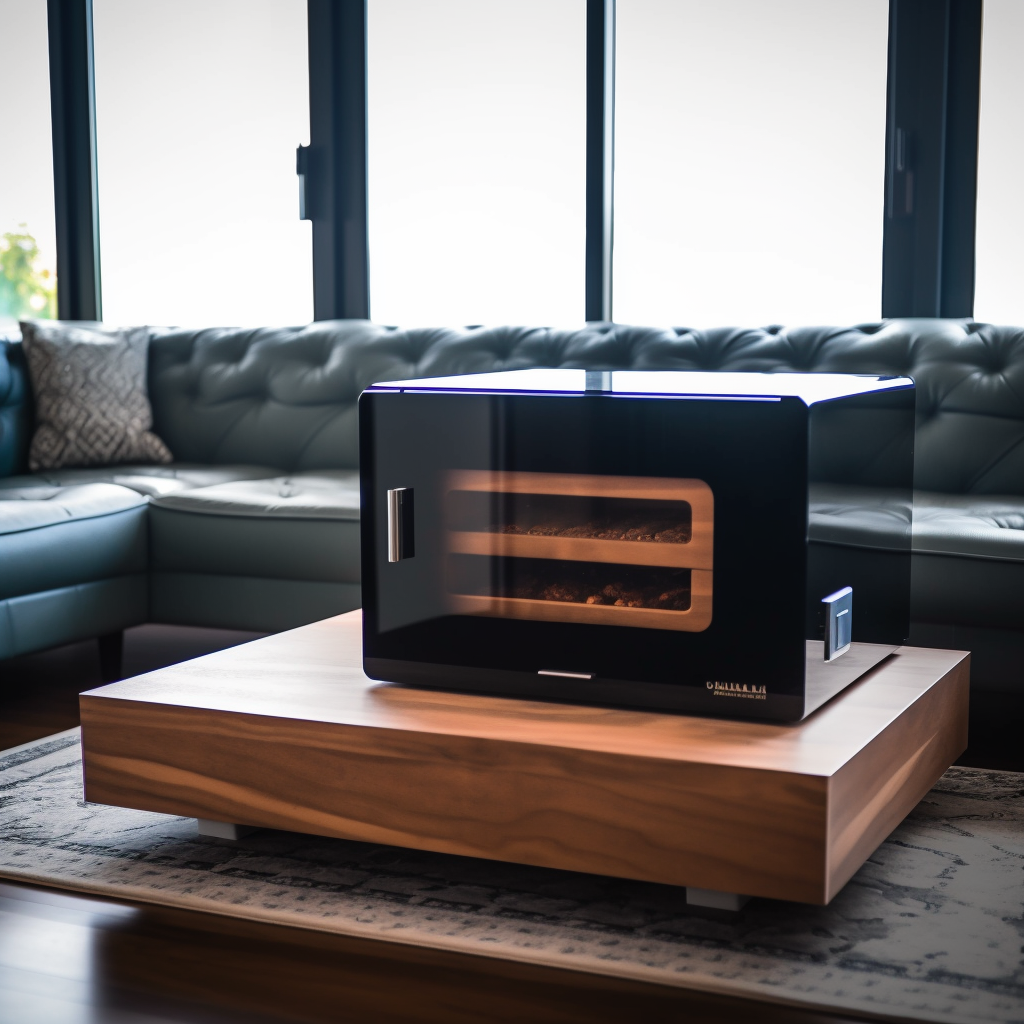
For the dedicated cigar enthusiast, keeping your collection in peak condition is non-negotiable. An electric humidor offers a modern solution by automating temperature and humidity regulation at the touch of a button. That convenience is exactly what draws people to electric humidors and frigadors. Yet even with built-in automation, holding a steady 65–72 percent humidity range takes a bit of know-how and ongoing attention.
How Do You Keep Humidity Stable in an Electric Humidor?
Traditional and electric humidors share the same mission — preserving cigars — but the way they achieve it is fundamentally different. Understanding those differences is the first step toward mastering your humidity levels.
Understanding Humidity Control
With a standard humidor, you are entirely responsible for managing moisture. That means manually adding water or a propylene glycol mixture, placing gel jars or sponge-based humidifiers, and checking a hygrometer on a regular basis. Every adjustment is on you, and a missed reading can lead to dried-out wrappers or excessive dampness.
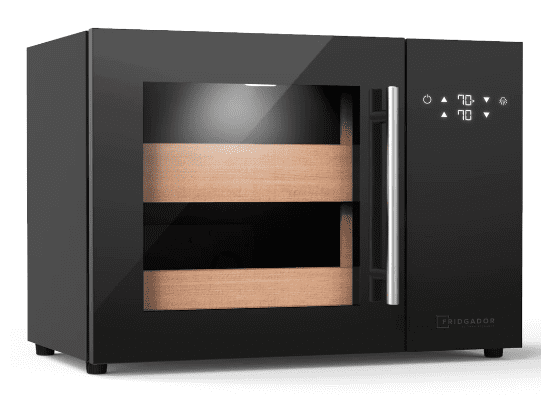
Electric humidors change the equation entirely. They come fitted with electronic humidification systems that include built-in sensors, internal fans, and automated humidifiers. You set your desired level through a digital control panel, and the system constantly measures and adjusts conditions to stay within your target range. This removes the uncertainty that comes with manual methods and keeps your collection safer around the clock.
Temperature Regulation
Both types of humidors need stable temperatures, but electric models take things further. A traditional humidor relies on whatever temperature the room provides, which can swing with the seasons or even throughout the day. Electric humidors typically include thermoelectric or compressor-based cooling, along with thermostats that hold an exact temperature window. That precision matters because heat and humidity are tightly linked — a temperature spike can throw off even a perfectly calibrated moisture level.
Monitoring and Making Adjustments
Checking on a traditional humidor is a hands-on ritual. You open it, read the hygrometer, decide if humidity is too high or too low, and then add or reduce moisture sources. That process repeats endlessly, and lapses in attention can put your cigars at risk.
Electric humidors handle this automatically. Onboard sensors track moisture continuously, and the system corrects in real time whenever readings drift outside the set range. Many advanced units even support remote monitoring, letting you view and control conditions from a smartphone app or web dashboard without lifting the lid.
Upkeep and Ongoing Care

Regular and electric humidors share many maintenance basics — wiping down surfaces, checking seal integrity, and periodic seasoning. However, electric models introduce extra responsibilities around their electronic components. Filters may need cleaning or swapping out, control panels should be tested for accuracy, and internal fans must have clear airflow to circulate humidity evenly.
If you already own an electric humidor, take time to look up the known issues and troubleshooting steps specific to your model. Being proactive about potential problems will save you from surprises down the line.
10 Practical Tips for Holding 70% Humidity
Here are ten dependable strategies to help you keep your electric humidor locked in at the right moisture level:
Pick the Right Humidification Device
Make sure the humidification unit inside your electric humidor is dependable and well-matched to the cabinet size. Models vary between electronic and ultrasonic options, so research which system best fits your setup. A high-quality device provides more consistent and precise humidity output.
Check the Hygrometer Frequently
Your hygrometer is the single most important gauge inside your humidor. Verify its accuracy on a regular schedule, and if readings seem off, calibrate it or install a replacement. An inaccurate hygrometer makes every other effort pointless.
Stick to Distilled Water or Proper Solution
The type of liquid you use matters significantly. Electronic and ultrasonic humidifiers work best with distilled water, while foam or gel cartridge systems typically need a propylene glycol solution. Always follow the manufacturer's guidelines for filling and refilling to avoid mineral deposits or mold.
Do Not Overcrowd the Interior
Packing your humidor to the brim blocks airflow and prevents humidity from distributing evenly. Leave breathing room between your cigars so the fans and humidifier can do their job properly, reaching every shelf and corner of the cabinet.
Choose the Right Location
Placement has a direct impact on performance. Keep your electric humidor away from windows, radiators, air conditioning vents, and anywhere else that creates temperature swings. A stable, shaded spot with moderate ambient temperature is ideal.
Inspect Seals and Gaskets Regularly
Over time, rubber seals and gaskets can wear, crack, or loosen. A compromised seal lets outside air infiltrate and disrupts the carefully controlled environment. Inspect them periodically and replace anything that shows signs of deterioration.
Keep the Interior Clean
Mold, bacteria, and residue buildup inside a humidor can throw off humidity readings and taint your cigars. Wipe down interior surfaces with a soft cloth dampened with distilled water. Be cautious around electronic parts and never saturate the wood.
Season When Necessary
A new electric humidor — or one experiencing unexplained humidity swings — benefits from seasoning. This process conditions the cedar lining so it can absorb and release moisture effectively. Follow your unit's specific seasoning instructions for best results.
Service Humidification Components
Foam pads, gel cartridges, and other humidification media accumulate residue and lose effectiveness over time. Clean them on a regular schedule and swap them out when performance declines. Fresh components mean more reliable moisture output.
Watch for Environmental Changes
Shifts in room temperature, seasonal weather patterns, and even changes in household heating or cooling can influence what happens inside your humidor. Stay aware of these external factors and adjust your humidor settings or relocate the unit when needed to maintain a stable interior climate.
Why Does My Humidor Refuse to Hold 70%?

If your electric humidor keeps falling short of 70%, several common culprits may be to blame:
Overpacked Storage
Cramming too many cigars into your humidor suffocates airflow. Without adequate space, humidity cannot circulate freely, and the humidifier struggles to maintain target levels. Make sure you leave room for air to move throughout the cabinet.
Poor Humidifier Placement
Where the humidifier sits inside the unit matters. It should be positioned centrally and should never be pressed directly against your cigars. Incorrect placement creates uneven moisture zones, with some areas far too dry and others excessively damp.
A Worn-Out or Defective Humidifier
If the humidification device itself is damaged, cracked, or simply past its useful life, no amount of fiddling with settings will fix the problem. Inspect your humidifier for visible wear and test its output periodically.
Temperature Fluctuations
An unstable temperature directly destabilizes humidity. If the room where your humidor sits goes through significant temperature swings — from daytime heat to nighttime chill, for example — internal humidity will fluctuate right along with it. Consistent ambient conditions are essential.
What to Do When Humidity Runs Too High

Electric humidors are designed to self-regulate, but sometimes humidity creeps above the desired level. If that happens, here are a few manual corrections you can try:
Remove the Humidifier Temporarily
If the humidifier is pumping out more moisture than needed, take it out of the cabinet. Let the excess moisture dissipate naturally, then reintroduce the humidifier once levels drop back to your target range.
Introduce a Small Dehumidifier
A compact, humidor-safe dehumidifier can pull excess moisture from the air inside the cabinet. This is particularly helpful if the humidifier removal alone does not bring levels down quickly enough.
Open the Door Briefly
Cracking the lid or door open for a short period lets some of the trapped moisture escape. A few hours of ventilation can make a noticeable difference. Just avoid leaving it open too long, as that introduces its own problems.
If humidity remains stubbornly high after trying these steps and adjusting your settings, the humidification system itself may be faulty. At that point, reaching out to the manufacturer for a professional assessment is the smart move.
Ideal Temperature for Electric Cigar Humidors
65–70°F
(18–21°C) — Temperatures outside this window can alter flavor profiles and degrade your cigars over time. A stable setting in this range protects your investment.
What If My Humidor Reads 75% Humidity?
A reading of 75% is slightly above the recommended 70% target, but it generally falls within a safe margin. Your cigars are unlikely to suffer immediate damage at this level. Keep an eye on the readings over the next several days to see if this is a temporary spike or a persistent trend.
If humidity consistently sits above 75%, take manual steps to bring it down and then observe whether the adjustment holds over time. Sustained high humidity raises the risk of mold growth and wrapper damage, so do not ignore a persistent upward drift.
As a practical tip, consider dry boxing your cigars for a day or two before lighting up. Even at the ideal 65–72 percent range, letting a cigar rest briefly outside the humidor can improve the smoking experience.
How Long Until a Humidor Reaches 70%?
Most new humidors reach 70% humidity within 24 to 72 hours after the humidifier is loaded with distilled water or solution. However, hitting that number on the hygrometer is only the beginning. You still need to complete a full seasoning cycle, which typically means sustaining the target humidity for up to a week before placing any cigars inside. This allows the cedar lining to fully absorb moisture and stabilize.
Once seasoning is complete, ongoing vigilance is the price of a well-maintained collection. Check the humidifier at regular intervals, refill solution as it depletes, and keep the humidor in a location where temperature and ambient moisture stay steady. These habits will keep your cigars in prime condition and ready to enjoy at their absolute best.
Final Thoughts
Maintaining a steady 70% humidity in your electric humidor demands a blend of good equipment, smart placement, and consistent attention. Automation simplifies the process enormously, but it does not eliminate the need for periodic check-ins. Invest in a quality unit, season it thoroughly, use the right solutions, and keep your environment stable.
Arrange your cigars thoughtfully so air circulates freely, and make a habit of inspecting seals, cleaning surfaces, and servicing the humidification components. When you commit to these practices, your electric humidor will reward you with cigars that age gracefully and deliver the full, rich flavor they were crafted to provide.
Featured Product
Afidano B4 Cigar Humidor (1200 Cigars)