
For anyone who takes cigar storage seriously, achieving the right humidity inside an electric humidor is not just a preference — it is a necessity. Electric humidors offer a modern, automated approach to climate control, regulating both moisture and temperature with minimal manual intervention. But even with these advanced systems, holding a steady 65–72% humidity range can be trickier than expected. Whether you are a seasoned collector or new to electric humidors, understanding the mechanics behind humidity management is the key to keeping every cigar in peak condition.
How Do You Maintain Humidity in an Electric Humidor?
The core difference between a traditional humidor and an electric model comes down to automation. Traditional setups rely on you — the owner — to manually adjust moisture, check gauges, and refill solutions on a consistent basis. Electric humidors, on the other hand, handle much of this through built-in sensors, automated humidifiers, and internal fan circulation. Still, that does not mean you can simply set it and walk away. Understanding how each element works together is essential for long-term success.
Humidity Control
With a standard humidor, you are responsible for adding distilled water or propylene glycol solution, adjusting humidification devices, and reading the hygrometer regularly. It demands constant attention. An electric humidor simplifies this with electronic humidification systems that feature integrated sensors, automated humidifiers, and built-in fans that distribute moisture evenly. You set your desired humidity level, and the system works to hold it there — dramatically reducing guesswork and daily upkeep.
Temperature Control
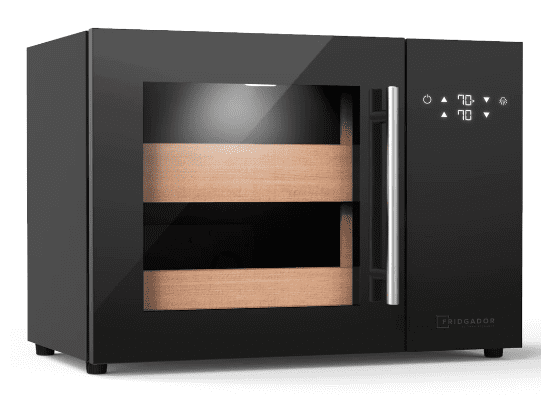
Both regular and electric humidors need temperature stability, but electric models take things further. A traditional humidor relies entirely on the ambient temperature of the room it sits in. An electric humidor typically includes built-in thermostats or thermoelectric cooling systems that allow precise temperature regulation independent of your room conditions, keeping things within the ideal 65–70°F range that cigars thrive in.
Monitoring and Adjustments
Manually maintaining a traditional humidor means constantly checking hygrometer readings, swapping humidification devices, and making corrections whenever moisture drifts too high or too low. Electric humidors automate this entire cycle. Sensors measure humidity in real time, and the system self-adjusts to stay within your target range. Some advanced models even offer remote monitoring through mobile apps or digital interfaces, so you can keep tabs on your collection from anywhere.
Maintenance and Care

Whether you own a standard or electric humidor, core maintenance principles overlap — regular cleaning, seal inspections, and periodic seasoning are universal. However, electric models require extra attention for their electronic components. This can include cleaning or replacing internal filters, verifying that automated controls function correctly, and ensuring unobstructed airflow around internal fan systems. If you already own an electric humidor, it is worth researching your specific model's known issues and troubleshooting steps.
Here are the most effective practices for keeping your electric humidor locked in at the right humidity:
Select the Right Humidification System
Make sure your electric humidor is fitted with a dependable humidification device. Whether it uses electronic or ultrasonic technology, the unit should deliver consistent and accurate humidity output. Research your model's specifications and choose components that match your storage needs.
Check the Hygrometer Frequently
Your hygrometer is the single most important monitoring tool in the humidor. Inspect it regularly for accuracy, and if readings seem off, calibrate it or invest in a replacement. Inaccurate readings can silently undermine your humidity control efforts.
Use Distilled Water or Proper Humidor Solution
Always use distilled water for electronic or ultrasonic systems, and propylene glycol solution for foam- or gel-based humidifiers. Tap water introduces minerals and impurities that can clog components and compromise your humidity levels over time. Follow the manufacturer's fill and refill guidelines closely.
Do Not Overcrowd Your Humidor
Packing too many cigars into your humidor restricts airflow and creates uneven moisture distribution. Leave adequate breathing room between cigars so the internal fans and humidifier can circulate air properly and maintain a uniform humidity level throughout.
Position Your Humidor Strategically
Place your electric humidor away from direct sunlight, heat sources, HVAC vents, and windows with temperature swings. Exposure to these elements can throw off internal readings and force the humidification system to work overtime, leading to inconsistent conditions for your cigars.
Inspect Seals and Gaskets Routinely
A compromised seal is one of the most common reasons for humidity loss. Examine all door seals and gaskets for signs of cracking, wear, or gaps. Even a small leak can cause your humidification system to lose the battle against dry air. Replace faulty seals immediately.
Keep the Interior Clean
Mold, bacteria, and buildup inside your humidor can affect both the humidity reading and the quality of your cigars. Wipe down interior surfaces periodically with a mild distilled water solution and a soft cloth. Take care to avoid wetting any electronic components during cleaning.
Season Your Humidor Properly
If your electric humidor is brand new or you are experiencing humidity swings, seasoning may be the solution. This process conditions the interior wood to absorb and release moisture at a stable rate. Follow your manufacturer's seasoning protocol or consult a trusted cigar storage guide for detailed instructions.
Replace Humidification Components on Schedule
Foam pads, gel cartridges, and other humidification media accumulate residue and lose effectiveness over time. Clean these elements regularly and replace them at the intervals recommended by the manufacturer. Fresh components mean more reliable and efficient humidity regulation.
Stay Aware of Environmental Changes
Shifts in room temperature, seasonal weather changes, and varying indoor humidity can all influence what happens inside your electric humidor. Stay proactive — adjust your settings as conditions change or relocate the unit if its current position is causing problems.
Why Will My Humidor Not Hold at 70%?

If your electric humidor refuses to settle at 70%, the issue usually traces back to one of a handful of common culprits. Diagnosing the root cause is straightforward once you know what to look for.
Overfilled Humidor
Cramming too many cigars inside chokes off airflow and makes it nearly impossible for the humidification system to distribute moisture evenly. Ensure there is adequate room for air to circulate freely around your collection.
Poor Humidifier Placement
If the humidifier is positioned incorrectly or pressed against your cigars, it cannot work effectively. Ideally, the humidifier should sit centrally within the unit, with nothing blocking its output.
Defective Humidifier
A worn or damaged humidifier simply cannot generate the moisture needed to sustain proper levels. Inspect it regularly for signs of deterioration and replace the unit if performance drops noticeably.
Temperature Fluctuations
Unstable temperatures directly impact humidity readings and cigar condition. Keep your humidor in a stable environment and away from rooms that experience dramatic temperature swings throughout the day.
What If Your Electric Humidor Is Running Too Humid?

Electric humidors are designed to self-regulate once configured, but occasionally the humidity can creep beyond the target. If manual settings adjustments have not corrected the issue, consider these steps to bring things back in line:
Remove the Humidifier — If the internal humidifier is the source of excess moisture, temporarily remove it. Allow the surplus moisture to dissipate naturally before reinstalling.
Introduce a Dehumidifier — A small dehumidifier placed inside the unit can absorb unwanted moisture and help bring levels back to the ideal range.
Open the Door Temporarily — Leaving the humidor door ajar for a few hours lets excess humidity escape naturally. Monitor closely to avoid overshooting in the opposite direction.
If humidity remains persistently high even after making these adjustments and reconfiguring settings, the humidification unit itself may be malfunctioning. At that point, it is wise to contact the manufacturer for further diagnosis or a potential replacement.
What Is the Ideal Temperature for an Electric Cigar Humidor?
65–70°F
(18–21°C) — The Sweet Spot for Cigar Storage
Temperatures that drift outside this window can degrade the flavor profile and overall quality of your cigars. Excessive heat encourages tobacco beetles and causes cigars to absorb too much moisture, while overly cool conditions slow the aging process and can leave cigars tasting flat. A stable environment is the single most important factor in long-term cigar preservation.
What If Your Humidor Reads 75% Humidity?
A reading of 75% is slightly above the ideal 65–72% range, but it is not cause for immediate alarm. At this level, your cigars are unlikely to suffer significant harm in the short term. Keep monitoring regularly, and if the humidity consistently sits above 75%, take manual steps to bring it down — remove excess moisture sources, open the door briefly, or lower the settings on your humidification unit.
Maintaining the sweet spot is important because prolonged high humidity creates conditions for mold growth and can negatively impact the smoking experience. One helpful practice is to dry-box your cigars for a day or two before lighting up, even when humidity levels are within range. This brief rest in a non-humidified space can improve the draw and overall flavor.
How Long Does It Take to Bring a Humidor to 70%?
Several variables affect this timeline — humidor size, humidifier quality, ambient conditions, and whether the unit has been properly seasoned. Generally speaking, expect a new humidor to reach the 70% mark within 24 to 72 hours after the humidifier is loaded and activated with distilled water or humidor solution. However, reaching that initial reading is only the beginning. You should sustain that level for up to a full week during the seasoning phase before introducing cigars.
Once seasoned and stocked, consistent monitoring and routine maintenance are what keep things dialed in. Check your humidifier regularly, top off solution as needed, and ensure the humidor remains in a stable climate. Follow these steps diligently, and your cigars will reward you with perfect flavor, draw, and aging potential every single time.
Final Thoughts
Keeping an electric humidor locked in at 70% humidity is not a one-time setup task — it is an ongoing commitment that demands attention to detail and consistent upkeep, even with the convenience of automation. The foundation starts with investing in a quality humidor, seasoning it correctly, and using the right water or solution for your specific humidification system. From there, it is all about monitoring, adjusting, and staying mindful of the environment around the unit.
Arrange your cigars with breathing room, keep seals intact, clean the interior regularly, and replace humidification media when effectiveness fades. Pay attention to seasonal shifts and room-level temperature changes. By staying on top of these fundamentals, your electric humidor will deliver the stable, controlled climate that every cigar in your collection deserves — preserving their flavor, aroma, and character for years to come.