
For serious cigar enthusiasts and collectors, maintaining the perfect environment for your premium cigars is absolutely essential. Whether you're building a personal collection or storing valuable inventory, understanding the science behind cigar humidor temperature control can mean the difference between preserving excellence and ruining a prized collection. This comprehensive guide breaks down everything you need to know about achieving and maintaining ideal storage conditions.
Understanding Humidor Fundamentals
A humidor serves as much more than just a decorative box for storing cigars. It's a precisely engineered environment control system designed to maintain specific conditions that preserve the integrity, flavor profile, and structural quality of premium tobacco. The fundamental purpose is to replicate the tropical climate conditions where tobacco naturally thrives, ensuring your cigars remain in peak condition for years.
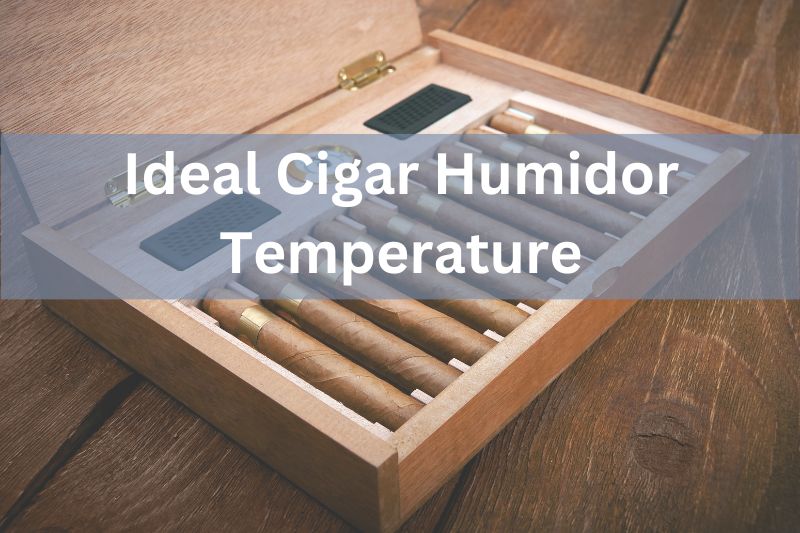
Creating the right storage environment requires careful attention to two critical environmental factors that work in harmony. When properly balanced, these conditions prevent deterioration while allowing the complex flavors within premium cigars to develop and mature gracefully over time.
The Critical Role of Temperature and Humidity Balance
Temperature and humidity function as interconnected variables in cigar storage. The relationship between these two factors determines whether your cigars will age beautifully or deteriorate rapidly. Understanding this delicate balance is foundational to proper humidor management.
The connection between temperature levels and moisture retention in tobacco is direct and significant. When temperatures climb higher, the atmosphere inside your humidor holds more moisture, which can accelerate fermentation processes. Conversely, when temperatures drop, humidity levels naturally decrease, potentially leading to dried-out tobacco that burns harshly and loses its nuanced flavor characteristics.
Why Temperature Matters More Than You Think
Temperature affects not just moisture content but also the rate at which chemical processes occur within stored tobacco. Higher temperatures speed up aging, which isn't always desirable. Lower temperatures slow everything down, including the development of undesirable organisms but also the maturation of flavors. Finding that sweet spot is essential for optimal results.
Optimal Storage Conditions for Premium Cigars

After decades of research and experience among cigar aficionados worldwide, the consensus points to specific ranges that provide ideal preservation conditions. The gold standard for cigar storage calls for maintaining temperatures between 65 and 70 degrees Fahrenheit, paired with relative humidity levels between 65% and 72%.
Within this range, many experts consider 70 degrees Fahrenheit at 70% relative humidity to be the perfect baseline. However, individual preferences and specific cigar varieties may warrant slight adjustments to these benchmarks. Some collectors prefer slightly cooler conditions, especially for long-term aging programs.
The Ideal Environment Breakdown
Temperature Range: 65-70°F (18-21°C)
Humidity Range: 65-72% RH
Perfect Balance Point: 70°F at 70% RH
This combination creates the ideal environment where tobacco maintains its essential oils, elastic properties remain intact, and flavors continue to develop complexity without risk of degradation or pest infestation.
Is 65 Degrees Too Cold for Your Collection?
A frequently debated question among enthusiasts concerns whether 65 degrees Fahrenheit falls below acceptable storage temperatures. The straightforward answer is that 65 degrees sits comfortably within the acceptable range and actually offers several advantages for specific storage goals.
At this temperature point, paired with appropriate humidity levels, the aging process slows considerably, which benefits collectors focused on long-term storage. The cooler temperature also significantly reduces the risk of tobacco beetle infestations, a nightmare scenario that can destroy an entire collection overnight.
| Storage Condition | Temperature Range | Key Characteristics |
|---|---|---|
| Cool Storage | 65°F (18°C) | Slows aging process, minimizes beetle risk, ideal for long-term preservation |
| Standard Storage | 68-70°F (20-21°C) | Balanced aging, optimal flavor development, widely recommended |
| Warm Storage | Above 72°F (22°C) | Accelerated aging, increased beetle risk, requires monitoring |
| Critical Threshold | Above 80°F (27°C) | Danger zone - rapid deterioration and pest activity likely |
Temperature Impact on Individual Cigar Varieties
Different cigar varieties respond uniquely to storage conditions based on their wrapper type, filler composition, and manufacturing origin. Understanding these variations helps you fine-tune your storage approach for optimal results across your collection.
Premium Handmade Cigars
Traditional handcrafted cigars from renowned regions benefit most from the standard 68-70°F range. These expertly constructed pieces contain complex blends that develop their full potential when stored at moderate temperatures with consistent humidity levels. The aging process at these temperatures allows the various tobacco leaves to marry their flavors without losing individual characteristics.
Connecticut Shade Wrapper Cigars
Cigars featuring delicate Connecticut shade wrappers require extra attention to temperature management. These lighter-colored, silky wrappers are more susceptible to temperature fluctuations than their darker counterparts. Maintaining temperatures at the cooler end of the spectrum, around 65-68°F, helps preserve the subtle, creamy flavor profiles these wrappers are famous for.
Maduro and Dark Wrapper Varieties
Darker, oil-rich wrapper varieties like Maduro can tolerate slightly warmer conditions, though staying within the 68-72°F range remains advisable. These robust wrappers undergo extended fermentation during manufacturing, making them somewhat more resilient to temperature variations, though consistent conditions still produce superior results.
Finding Your Personal Ideal Storage Temperature
While established guidelines provide excellent starting points, developing your optimal storage temperature often requires experimentation and attention to your specific circumstances. Several factors influence what works best for your particular situation.
Pro Tip: Start with the standard 70/70 rule (70°F at 70% humidity) and make small adjustments based on your observations. Track changes in your cigars' smoking characteristics over several months to identify your ideal conditions.
Consider your local climate and seasonal variations. Collectors in humid coastal regions face different challenges than those in arid inland areas. Your home's ambient temperature and humidity will constantly interact with your humidor's internal environment, requiring different management approaches.
The size and construction quality of your humidor also play significant roles. Larger, well-constructed units maintain stable conditions more easily than smaller or lower-quality boxes. If you're working with a smaller humidor, you may need to check conditions more frequently and make more regular adjustments.
The Dangers of Excessive Temperature
Understanding what happens when storage temperatures exceed acceptable ranges is crucial for preventing catastrophic collection loss. When humidor temperatures climb above 72°F, several destructive processes accelerate simultaneously.
Tobacco Beetle Infestation Risk
The most feared consequence of excessive heat is the activation of tobacco beetle eggs. These microscopic eggs exist in virtually all natural tobacco but remain dormant at proper storage temperatures. Once temperatures consistently exceed 74°F, these eggs hatch, and the resulting larvae begin tunneling through your cigars, leaving behind telltale holes and destroyed tobacco.
A beetle infestation can devastate an entire collection within weeks. The insects reproduce rapidly, and their presence is often not detected until significant damage has already occurred. Prevention through temperature control is infinitely easier than dealing with an active infestation.
Accelerated Fermentation and Oil Loss
Beyond pest issues, elevated temperatures cause tobacco to continue fermenting at undesirable rates. This process can strip away the essential oils that give premium cigars their complex flavor profiles. The result is cigars that taste flat, harsh, or simply "off" compared to their properly stored counterparts.
Critical Warning: If your humidor consistently reaches temperatures above 78°F, take immediate action. Consider relocating your storage to a cooler area of your home, investing in a climate-controlled solution, or freezing your collection temporarily to eliminate any potential beetle eggs.
Cold Temperature Considerations
While excessive heat presents obvious dangers, storing cigars at temperatures that are too cold also creates problems, though generally less catastrophic ones. Understanding the lower limits of acceptable storage helps you avoid degrading your collection through excessive cooling.
When temperatures drop significantly below 65°F, tobacco begins losing moisture more rapidly, even when humidity levels appear adequate on your hygrometer. The relationship between temperature and moisture retention means cold air holds less water vapor, potentially leaving your cigars drier than intended despite proper humidification efforts.
Extremely cold storage, particularly anything approaching freezing temperatures, can cause permanent structural damage to cigar construction. The tobacco becomes brittle, wrappers crack easily, and the smoking experience suffers dramatically. While cigars won't necessarily be ruined by brief exposure to cold, prolonged storage at very low temperatures is inadvisable.
Seasonal Adjustments and Climate Considerations
Successfully maintaining optimal humidor conditions throughout the year requires understanding and adapting to seasonal environmental changes. Different seasons present unique challenges that demand different management strategies.
Summer Storage Management
During warmer months, the primary challenge becomes preventing excessive heat buildup and managing increased humidity. Air conditioning helps, but avoid placing your humidor directly in the path of cold air flow or near windows where sunlight creates temperature spikes. Monitor your humidor more frequently during summer months, checking conditions at least weekly rather than monthly.
If your storage area lacks climate control, consider relocating your humidor to the coolest part of your home. Basements often provide naturally cool, stable environments, though you must guard against excess moisture in these areas.
Winter Storage Challenges
Cold months bring different concerns, primarily related to excessively dry conditions from heating systems. Central heating dramatically reduces ambient humidity, which can cause your humidor to lose moisture faster than your humidification system can replace it. You may need to add additional humidification sources or switch to larger-capacity humidification devices during winter.
Temperature fluctuations from heating cycles create another challenge. Avoid placing humidors near radiators, heating vents, or fireplaces where temperature swings occur regularly. Seek locations with the most stable conditions possible, even if that means temperatures slightly outside the ideal range.
Location Selection Guidelines
Choose storage locations that avoid direct sunlight, are away from heating and cooling vents, maintain relatively stable temperatures throughout the day, and are easily accessible for regular monitoring. Interior closets, climate-controlled basement areas, and dedicated storage rooms often work best.
Professional-Grade Climate Control Solutions
For serious collectors managing large inventories or especially valuable cigars, investing in professional-grade climate control equipment removes much of the guesswork from humidor management. These systems maintain precise conditions automatically, protecting your investment with minimal ongoing effort.
Electronic climate-controlled humidors use sophisticated sensors and active cooling or heating elements to maintain exact temperature and humidity specifications. While representing a significant initial investment, these units virtually eliminate concerns about seasonal variations or environmental fluctuations affecting your collection.
When evaluating climate-controlled solutions, look for units with accurate digital monitoring, precise temperature control within one or two degrees, reliable humidification systems that require minimal refilling, and adequate capacity for your current collection plus anticipated growth.
Monitoring and Maintaining Optimal Conditions
Even the finest humidor requires regular attention to maintain peak performance. Establishing a consistent monitoring routine prevents small problems from becoming collection-destroying disasters.
Essential Monitoring Equipment
Invest in quality monitoring instruments rather than relying on cheap analog devices that often prove inaccurate. Digital hygrometers with temperature displays provide reliable readings and many offer data logging capabilities to track conditions over time. Consider units that provide alerts when conditions drift outside your specified ranges.
Calibrate your monitoring equipment regularly using the salt test method or calibration kits. Even quality instruments can drift over time, and accurate readings are essential for proper humidor management.
Maintenance Schedule Recommendations
Develop a regular maintenance routine that includes daily visual checks if possible, weekly condition readings and log entries, monthly cleaning and refilling of humidification devices, quarterly calibration of monitoring equipment, and annual deep cleaning with distilled water wiping of interior surfaces.
This systematic approach ensures problems are caught early before they impact your collection. The few minutes invested in regular maintenance save countless hours and dollars that would be required to repair or replace damaged cigars.
Maintenance Reminder: Keep a simple log book near your humidor. Note the date, temperature, and humidity readings during each check. This historical data helps you identify patterns and predict when adjustments will be needed based on seasonal changes.
Troubleshooting Common Temperature Problems
Even with careful management, humidor conditions sometimes drift outside acceptable ranges. Knowing how to quickly identify and correct common issues prevents minor problems from escalating into major disasters.
Consistently High Temperatures
If your humidor regularly exceeds 72°F despite being located in a temperature-controlled environment, several factors might be at fault. Check whether direct sunlight hits the unit at any time during the day, even briefly. Ensure adequate air circulation around the humidor, as poor ventilation can trap heat. Consider whether nearby appliances or electronics generate warmth that affects your storage area.
Solutions include relocating to a genuinely cooler area, using a small fan to improve air circulation without directing airflow at the humidor, adding a small cold pack wrapped in cloth to the humidor's bottom during extreme heat, or upgrading to an actively cooled electronic humidor.
Temperature Fluctuations
Wild temperature swings stress tobacco more than consistent conditions slightly outside the ideal range. If you notice your humidor temperature varies by more than five degrees throughout the day, identify the cause. Often, proximity to heating or cooling systems creates this problem.
Moving the humidor to a more thermally stable location usually resolves fluctuation issues. Interior rooms away from exterior walls, basement locations, and large closets tend to maintain steadier temperatures than rooms with windows or exterior walls.
Consistent Low Temperatures
Chronically cool conditions below 62°F require attention, though they present less immediate danger than excessive heat. If your storage location consistently runs cold, you might need to relocate to a warmer area or accept slightly cooler storage while ensuring humidity levels compensate appropriately.
Remember that slightly cool storage (63-65°F) is perfectly acceptable for long-term aging, particularly if you adjust humidity upward slightly to maintain proper moisture levels in the tobacco.
Long-Term Aging Considerations
Collectors interested in aging cigars for extended periods face unique temperature management considerations. The aging process transforms tobacco character over years, but only when conditions remain consistently favorable.
For long-term aging programs spanning five, ten, or even twenty years, slightly cooler temperatures around 65-67°F offer advantages. This temperature range slows aging to a more gradual pace, allowing flavors to mellow and integrate without the tobacco losing essential characteristics. The slower pace also minimizes risks associated with potential temperature fluctuations over such extended timeframes.
Patience and consistency define successful aging. Avoid the temptation to sample aging cigars too frequently, as opening the humidor repeatedly introduces temperature and humidity fluctuations. Plan your aging program carefully, setting aside dedicated boxes or sections you won't disturb for years at a time.
Building Your Perfect Storage System
Creating an ideal cigar storage environment represents an investment in your collecting passion. Whether you're just beginning to build a collection or you're managing hundreds of premium cigars, the principles of proper temperature management remain constant.
Start by selecting quality storage equipment appropriate to your collection size and budget. A well-made humidor with proper seals and reliable humidity control forms your foundation. Add accurate monitoring equipment so you always know your actual storage conditions rather than guessing.
Choose your storage location thoughtfully, considering all the factors discussed throughout this guide. The perfect spot maintains stable temperatures year-round, stays away from direct sunlight and heat sources, provides easy access for regular monitoring, and offers adequate space for your collection to grow.
Key Takeaways for Perfect Storage
Maintain temperatures between 65-70°F for optimal preservation. Pair temperature control with proper humidity (65-72% RH) for best results. Monitor conditions regularly and respond quickly to changes. Adjust your approach seasonally to account for environmental variations. Invest in quality equipment that makes maintenance easier and more reliable. Remember that consistency matters more than hitting exact numbers every single day.
The Investment in Quality Storage
Premium cigars represent significant financial investments, with single cigars sometimes costing fifty dollars or more and complete collections worth thousands. Protecting that investment through proper storage isn't optional—it's essential for anyone serious about the hobby.
The cost of quality humidor equipment and monitoring instruments pales in comparison to the value of the cigars they protect. A ruined collection from poor storage conditions cannot be recovered, while properly maintained cigars not only retain their value but often appreciate over time as they age and develop.
Beyond financial considerations, proper storage ensures that when you finally sit down to enjoy a carefully selected cigar, it performs exactly as the master blender intended. The flavors remain complex and balanced, the construction burns evenly, and the entire experience delivers the satisfaction that makes cigar appreciation such a rewarding pursuit.
Final Thoughts on Temperature Control Excellence
Mastering cigar humidor temperature control transforms you from a casual enthusiast into a true connoisseur who understands the science behind preservation. The principles outlined in this guide provide everything you need to create and maintain optimal storage conditions, protecting your collection while allowing it to mature and develop.
Remember that perfect storage conditions aren't about rigid adherence to exact numbers but rather about maintaining consistency within acceptable ranges. Small variations are normal and acceptable—what matters most is avoiding extreme conditions and responding promptly when things drift too far from ideal.
With proper attention to temperature management, reliable equipment, and consistent monitoring, your cigar collection will remain in pristine condition for years or even decades. Each cigar you store today will reward your care and attention when you eventually select it for that perfect moment, delivering the full expression of craftsmanship and flavor that makes premium cigars such a special indulgence.
Take the time to set up your storage system correctly from the beginning. Your future self—and your collection—will thank you for the effort invested in creating the perfect environment for your premium cigars.