
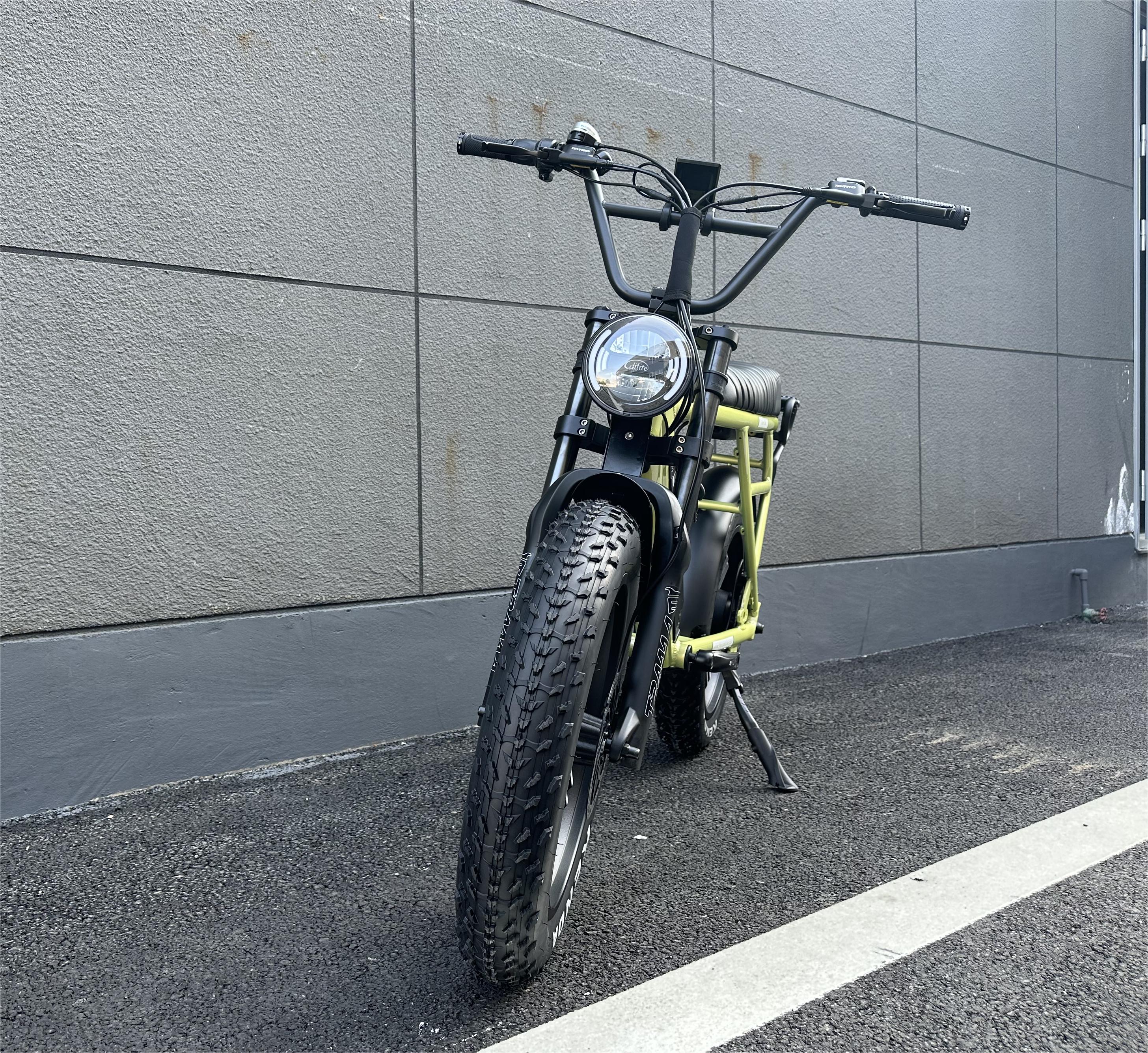
When you're searching for a long tail cargo ebike, the sheer variety of options can feel overwhelming. These versatile electric bicycles have transformed how families transport children, how small business owners make deliveries, and how eco-conscious commuters carry their gear. The extended rear rack design sets them apart from traditional bikes, offering substantial cargo capacity without sacrificing the joy of cycling.
Understanding what makes a quality long tail cargo ebike requires looking beyond flashy marketing claims. Whether you're hauling groceries across town, dropping kids at school, or running a local delivery service, the right cargo ebike becomes an extension of your daily life. This guide walks you through everything you need to know before making this significant investment.
About Long Tail Cargo Ebikes
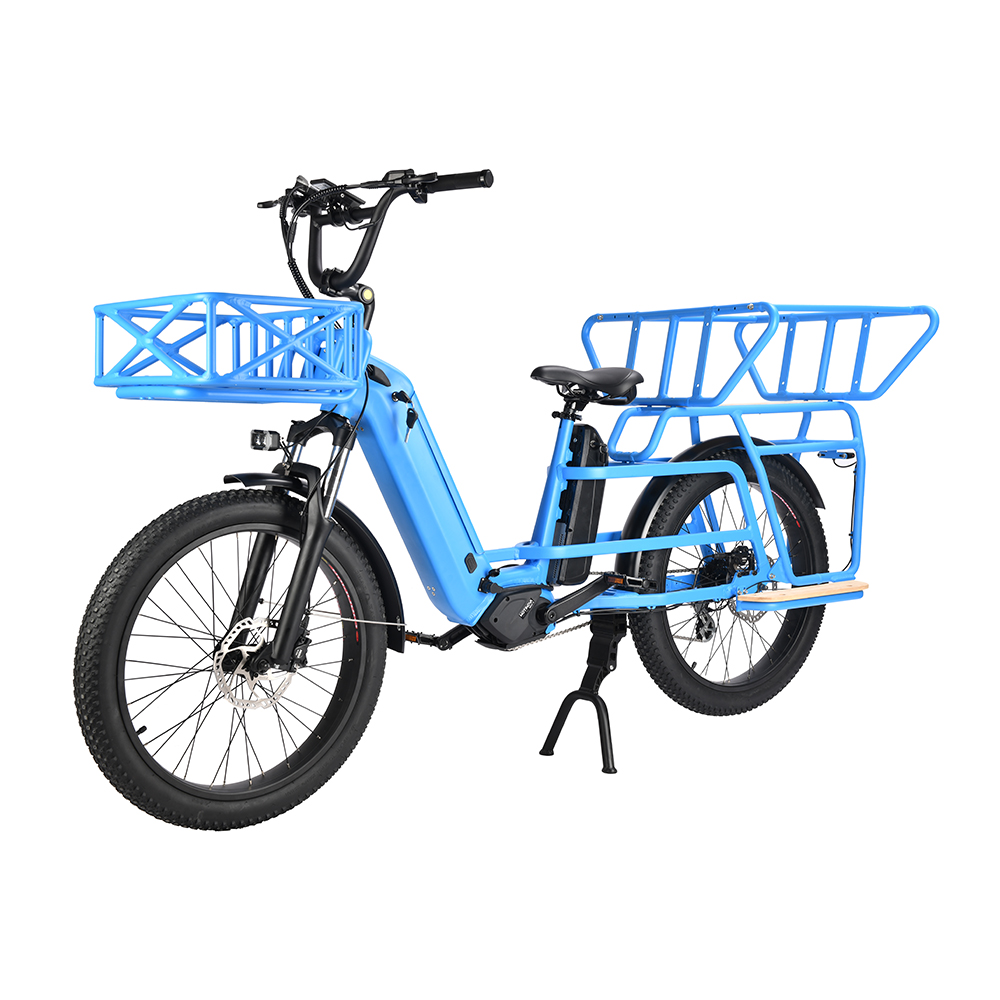
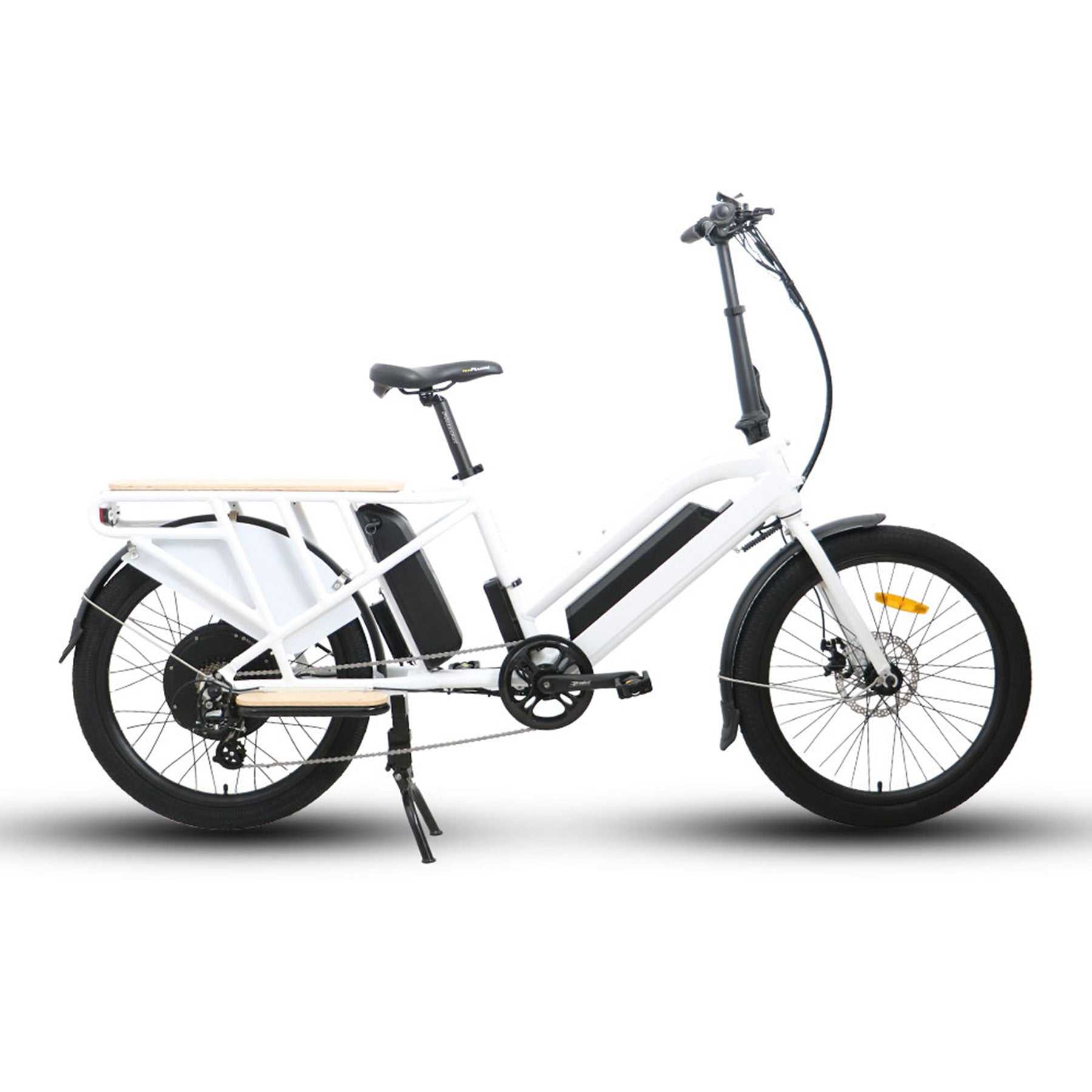
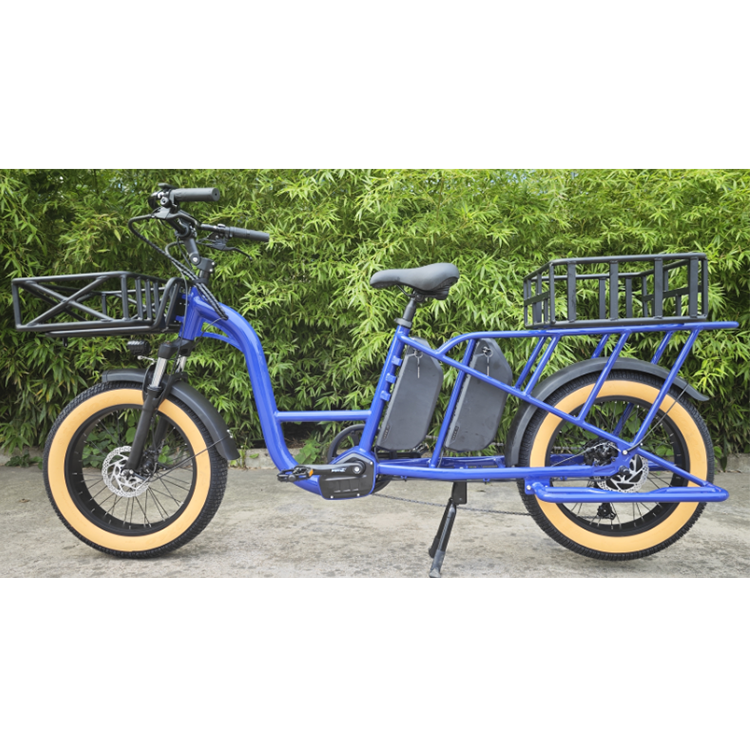
Long tail cargo ebikes feature an elongated rear frame that extends beyond a standard bicycle's dimensions. This additional length creates a dedicated cargo area capable of supporting substantial weight, whether that's packages, equipment, or passengers. The electric assist motor compensates for the added heft, making these bikes surprisingly nimble despite their hauling capabilities.
The design philosophy centers on replacing short car trips with a more sustainable alternative. Unlike front-loading cargo bikes that require different handling techniques, long tail models maintain familiar bicycle geometry. Riders transition easily from conventional bikes while gaining tremendous practical utility.
Why Long Tail Cargo Ebikes Are Gaining Popularity
The surge in cargo ebike adoption reflects broader shifts in urban mobility and environmental awareness. Families discover that school runs become enjoyable rather than stressful. Small business owners find delivery costs plummeting while customer satisfaction rises. Weekend adventurers appreciate hauling camping gear without wrestling roof racks.
Rising fuel costs and parking headaches push many toward two-wheeled solutions. A cargo ebike glides past traffic jams, parks effortlessly, and costs pennies to charge. Health benefits compound the financial advantages as riders incorporate physical activity into necessary errands.
Cities increasingly accommodate cargo bikes with dedicated infrastructure. Protected bike lanes and cargo bike parking zones appear in progressive urban centers worldwide. This supportive environment accelerates adoption as safety concerns diminish and practical benefits multiply.
Types and Variants
Standard Long Tail or Mini Utility Bikes
These represent the most common configuration, offering a balanced approach to cargo capacity and maneuverability. The extended rear rack accommodates panniers, child seats, or flat cargo platforms. Most riders find this style meets their diverse needs without excessive bulk.
Folding Long Tail Cargo Tier Styles
Urban dwellers with limited storage space gravitate toward folding variants. Though slightly compromised on maximum cargo capacity, these models collapse for apartment storage or vehicle transport. The convenience factor outweighs minor capacity reductions for many city cyclists.
Mid-Drive vs Hub Motor Variants
Motor placement significantly affects performance characteristics. Mid-drive motors position weight centrally, improving balance and leveraging the bike's gearing system for efficient hill climbing. Hub motors simplify maintenance with fewer moving parts and direct power delivery. Each approach serves different riding priorities.
Key Features and Specifications to Evaluate
Motor Power and Type
Motor wattage determines acceleration and hill-climbing prowess. Standard configurations range from 250W to 750W, with higher ratings suited for heavy loads and steep terrain. Consider your typical routes and cargo weight when selecting motor specifications.
Battery Range and Removability
Battery capacity measured in watt-hours dictates your range between charges. Removable batteries simplify charging for those without garage access. Factor in that heavy loads and hilly routes deplete batteries faster than manufacturer estimates suggest.
Load Capacity and Frame Design
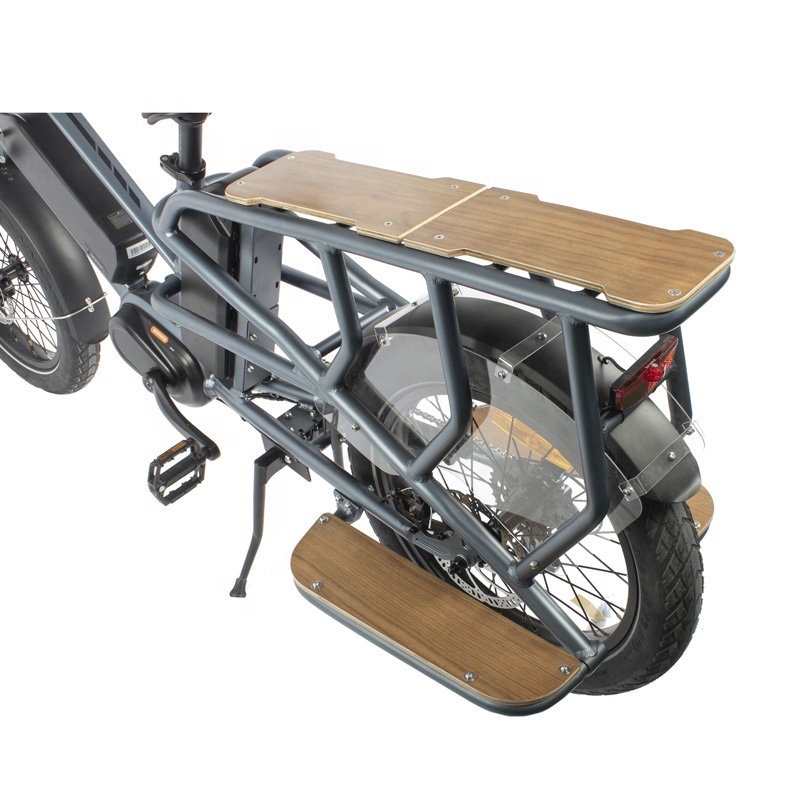
Maximum payload ratings indicate safe operating limits. Quality frames distribute weight effectively across robust connection points. Aluminum alloy frames balance strength with manageable weight, while steel frames offer superior durability for commercial applications.
Braking Systems
Hydraulic disc brakes provide superior stopping power essential for loaded cargo bikes. Mechanical disc brakes offer easier roadside maintenance at slight performance cost. Never compromise on braking quality when transporting precious cargo or passengers.
Accessories and Compatibility
Versatile mounting systems expand functionality over time. Look for standardized attachment points accepting child seats, cargo boxes, and panniers. Integrated lighting systems, fenders, and kickstands should come standard on quality cargo bikes.
Pros and Cons
Advantages
→ Substantial cargo capacity replaces car trips for errands and school runs
→ Electric assist makes heavy loads manageable on varied terrain
→ Operating costs fraction of automobile ownership expenses
→ Familiar handling compared to front-loading cargo bikes
→ Environmental benefits align with sustainable lifestyle goals
Considerations
→ Initial investment significantly higher than conventional bicycles
→ Extended length requires adequate storage space
→ Heavier weight complicates manual handling when battery depletes
→ Battery replacement costs factor into long-term ownership
→ Limited dealer networks in some regions affect service accessHow to Choose a Long Tail Cargo Ebike
Selecting the ideal cargo ebike demands honest assessment of your intended use patterns. Daily commuters prioritize range and comfort features differently than weekend recreational users. Families transporting children require enhanced safety specifications and passenger accommodations.
Test rides reveal handling characteristics no specification sheet captures. Visit dealers offering cargo ebike demonstrations whenever possible. Evaluate how loaded handling affects your confidence, particularly during low-speed maneuvering and stops.
Price and Market Insights
Entry-level long tail cargo ebikes start around $1,500 to $2,500, offering basic functionality for budget-conscious buyers. Mid-range options between $2,500 and $4,500 deliver improved components, better battery range, and enhanced build quality. Premium models exceeding $5,000 incorporate top-tier motors, extended warranties, and sophisticated features.
Market competition drives continuous improvement across all price segments. Direct-to-consumer brands challenge traditional dealers with compelling value propositions. Consider total ownership costs including accessories, maintenance, and eventual battery replacement when comparing options.
Top Seller and Competitive Analysis
Leading cargo ebike manufacturers distinguish themselves through specific strengths. Some prioritize maximum payload capacity for commercial applications. Others focus on family-friendly features like integrated child seating systems. Performance-oriented brands emphasize motor power and hill-climbing capability.
Research brand reputation through independent reviews and owner communities. Established manufacturers typically offer better parts availability and dealer support. Newer entrants may provide innovative features at competitive prices while building their service networks.
Customer Feedback Tips
Experienced cargo ebike owners consistently highlight several factors affecting long-term satisfaction. Battery range claims often prove optimistic under real-world conditions with full loads. Invest in quality locks since cargo bikes attract theft attention. Plan for secure parking solutions at frequent destinations.
Weather protection accessories transform year-round usability. Rain covers for cargo areas and passenger enclosures extend practical riding seasons. Consider integrated lighting upgrades beyond stock equipment for enhanced visibility during darker months.
Sourcing and Supplier Considerations
Purchasing channels significantly impact your ownership experience. Local dealers provide hands-on support, professional assembly, and accessible warranty service. Online retailers often offer lower prices but require self-assembly and remote troubleshooting for issues.
Verify warranty terms carefully before purchasing. Reputable suppliers stand behind their products with comprehensive coverage periods. Understand what warranty claims require and whether local service options exist in your area.
Maintenance, Safety and Legal Considerations
Regular maintenance ensures safe operation and extends component lifespan. Brake systems demand frequent inspection given the heavier loads cargo bikes endure. Tire pressure affects handling significantly, especially when carrying passengers or heavy cargo. Battery care following manufacturer guidelines maximizes cycle life.
Safety equipment requirements vary by jurisdiction. Helmets remain essential for all riders regardless of legal mandates. Reflective gear and lighting systems enhance visibility during low-light conditions. Consider additional safety training if new to cycling with passengers.
Local regulations governing ebikes differ substantially between regions. Speed limits, motor power restrictions, and path access rules affect where and how you can ride. Research applicable laws before purchasing to ensure compliance with your intended use areas.
Conclusion
Choosing the right long tail cargo ebike transforms daily transportation challenges into enjoyable experiences. The perfect model balances your specific cargo requirements, terrain demands, and budget constraints. Take time to research options thoroughly, test ride when possible, and connect with existing owners for real-world insights.
Your cargo ebike investment pays dividends through reduced transportation costs, improved fitness, and environmental stewardship. Start with clear priorities, evaluate options systematically, and prepare for a transportation revolution that makes every trip more enjoyable.
FAQs
What is a long tail cargo ebike and how does it differ from regular ebikes?
A long tail cargo ebike features an extended rear frame creating additional cargo space behind the rider. This design accommodates heavier loads, child seats, and bulky items while maintaining more familiar handling than front-loading cargo bike alternatives.
How much weight can a typical long tail cargo ebike carry?
Most quality long tail cargo ebikes support total payloads between 300 to 450 pounds, including rider weight. Commercial-grade models may exceed these limits. Always verify specific weight ratings for your chosen model and distribute loads appropriately.
What battery range should I expect from a cargo ebike?
Realistic ranges typically span 25 to 60 miles depending on battery capacity, cargo weight, terrain, and assist level used. Heavy loads and hilly routes significantly reduce range. Consider models offering removable batteries for convenient charging or range extension.
Are cargo ebikes safe for transporting children?
Properly equipped cargo ebikes safely transport children when using appropriate child seats with harness systems, following weight guidelines, and observing traffic safety practices. Ensure adequate braking systems and practice handling before carrying young passengers.
How do I maintain my long tail cargo ebike?
Regular maintenance includes checking brake function before each ride, maintaining proper tire pressure, keeping the chain clean and lubricated, and following battery care guidelines. Schedule professional tune-ups annually or more frequently with heavy use.