
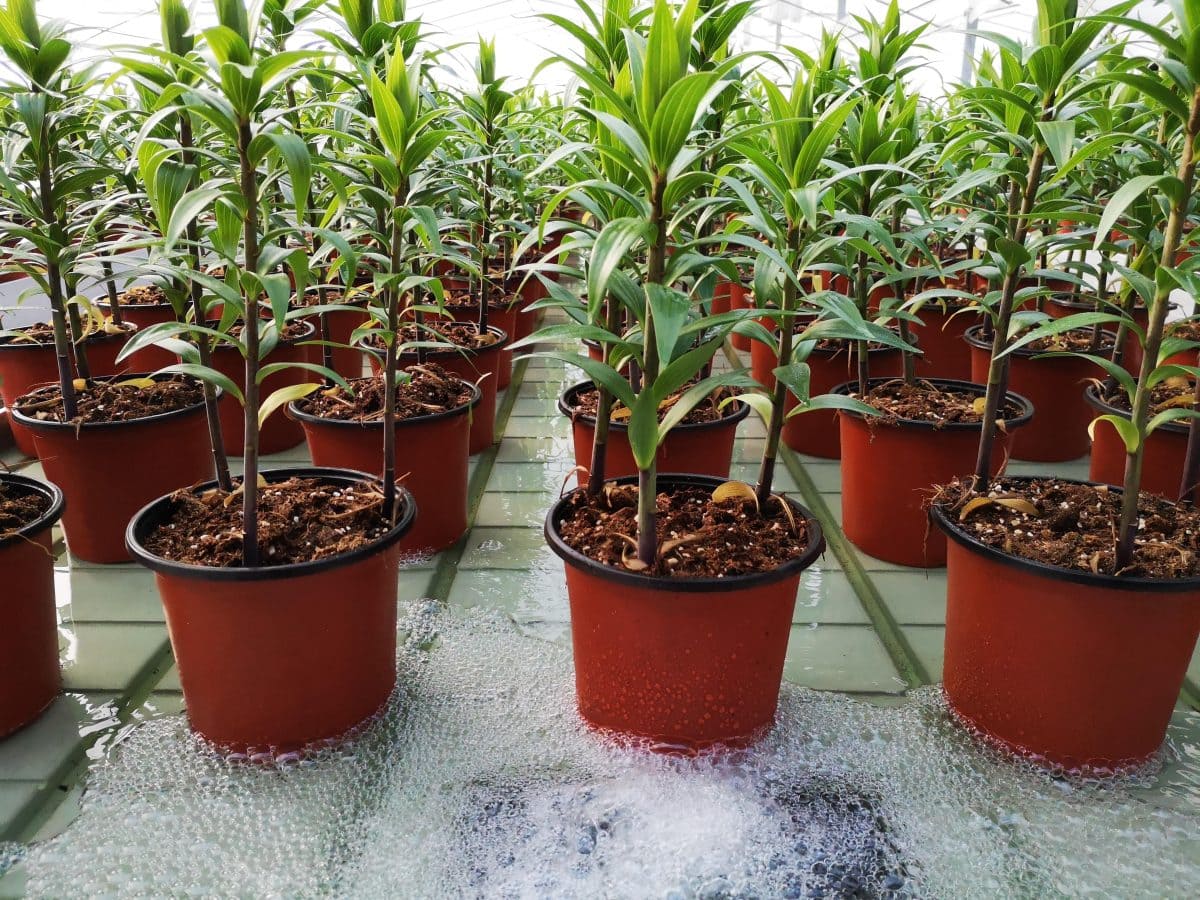
Ebb and Flow systems, commonly referred to as Flood and Drain hydroponic systems, have earned their reputation among growers worldwide for their remarkable simplicity, proven effectiveness, and ability to replicate natural irrigation patterns. Whether you're an experienced hydroponic cultivator looking to optimize your setup or a newcomer eager to start your green-thumbed adventure, this comprehensive guide will provide you with everything you need to know about setting up and managing your own flood and drain system.
In this article, we'll explore the inner workings of ebb and flow hydroponics, examine the scientific principles that make this technique so effective, and walk you through practical steps to create and maintain your own system for optimal plant growth and bountiful harvests.
What Exactly Is an Ebb & Flow System?
An ebb and flow hydroponics system is an innovative setup that periodically floods and drains plant roots with a nutrient-rich solution. The system typically involves placing plants in containers filled with growing media such as soil, perlite, or coconut coir, which are then positioned in specialized ebb and flow trays or containers. A pump floods the tray with nutrient solution, saturating the growing medium and delivering water and essential nutrients directly to the plant roots. After a predetermined period, the excess solution drains back into a reservoir, allowing the roots to access vital oxygen.
The cyclic process of flooding and draining is precisely controlled by a timer or automated system. This controlled irrigation approach mimics natural rainfall cycles, promoting healthy and vigorous plant growth. Ebb and flow systems have become favorites in the hydroponics community due to their straightforward design, impressive results, and the ability to provide plants with periodic nutrient replenishment and proper aeration. They're suitable for cultivating an impressive range of plants, from delicate herbs to robust vegetables, and work excellently for both small-scale home gardens and larger commercial operations.
How Does an Ebb & Flow System Work?
An ebb and flow system operates by providing periodic cycles of flooding and draining to deliver water and nutrients to plant roots in a hydroponic setup. Here's a detailed breakdown of how each component works together:
System Setup
The ebb and flow system typically consists of a watertight tray or container where plants are placed. Each plant is usually grown in its individual pot or container within the tray, allowing for easy management and monitoring of individual plant health.
Nutrient Reservoir
The system includes a reservoir that holds the nutrient solution, which is a carefully balanced mixture of water and essential nutrients required for robust plant growth. This reservoir serves as the central hub for your hydroponic system.
Water Pump Operation
A water pump is used to flood the growing tray with the nutrient solution. The pump is usually controlled by a timer or an automated system, ensuring precise and consistent flooding cycles throughout the day.
Flooding Phase
During the flooding phase, the pump is activated and the nutrient solution is pumped into the growing tray. The growing medium absorbs the solution, thoroughly saturating the plant roots and providing them with water and essential nutrients.
Nutrient Uptake
As the nutrient solution floods the tray, the plant roots absorb the required nutrients directly from the solution. This direct delivery method ensures efficient nutrient absorption and promotes rapid, healthy growth.
Draining Phase
After a predetermined period, the pump stops and the excess nutrient solution in the tray drains back into the reservoir. The draining process is typically facilitated by gravity or through the use of a drainage system.
Root Aeration
As the nutrient solution drains from the tray, the plant roots are exposed to air, allowing them to access oxygen necessary for respiration and overall root health. This oxygenation period is critical for preventing root rot and promoting strong root development.
Cyclic Process
The flooding and draining process continues in cycles, usually repeating every few hours depending on your plants' needs. The frequency and duration of these cycles depend on the specific requirements of the plants being grown and factors such as temperature, humidity, and growth stage.
By employing this cyclic process of flooding and draining, the ebb and flow system ensures that plants receive an adequate supply of water and nutrients while preventing waterlogging and promoting oxygenation of the root zone. This controlled irrigation allows for optimal plant growth and makes ebb and flow systems a popular choice in hydroponic cultivation for various types of plants, from herbs and leafy greens to larger vegetables and flowering crops.
Benefits of Using an Ebb & Flow System
There are several compelling benefits of using an ebb and flow system that make it a top choice for hydroponic growers at all experience levels:
Efficient Water Usage
The ebb and flow system provides controlled irrigation, ensuring that plants receive water only when needed. This efficient water usage reduces wastage and promotes water conservation, making it a sustainable choice for environmentally conscious gardening.
Optimal Nutrient Delivery
The periodic flooding of nutrient-rich water directly to the plant roots ensures efficient nutrient absorption. This targeted nutrient delivery enhances plant growth and minimizes nutrient wastage, leading to healthier and more productive crops.
Low Maintenance
Ebb and flow systems are relatively easy to set up and maintain. Once properly installed, the system operates automatically through timers or automated controls, reducing the need for constant monitoring and labor-intensive maintenance.
Low Cost
The setup cost of an ebb and flow system is fairly affordable compared to other hydroponic methods. The cost can vary based on its size and additional features, but overall it remains an accessible option for growers on various budgets.
Versatility
Ebb and flow systems can be used to grow a wide variety of plants, from small herbs to larger vegetables. The system's flexibility makes it suitable for both home gardeners and commercial growers, catering to diverse cultivation needs.
Scalability
The system's scalability allows growers to expand their operations easily. Additional trays or containers can be added to accommodate more plants without major modifications to the setup, making growth and expansion straightforward.
Overall, the benefits of using an ebb and flow system make it an attractive choice for hydroponic growers seeking an efficient, versatile, and productive method for cultivating a wide range of plants with minimal water and nutrient wastage.
Ready to Start Your Hydroponic Journey?
Experience the efficiency and productivity of ebb and flow hydroponics with our premium growing system designed for optimal plant growth and easy maintenance.
AirCube 6-Site Ebb & Flow SystemStart Growing Smarter Today
The ebb and flow system represents one of the most reliable and effective methods in hydroponic cultivation. With its combination of simplicity, efficiency, and versatility, it's no wonder that growers of all levels continue to choose this proven technique for their indoor and outdoor gardens. Whether you're growing fresh herbs for your kitchen or producing vegetables for your family, the ebb and flow system provides the foundation for successful, sustainable hydroponic gardening.