
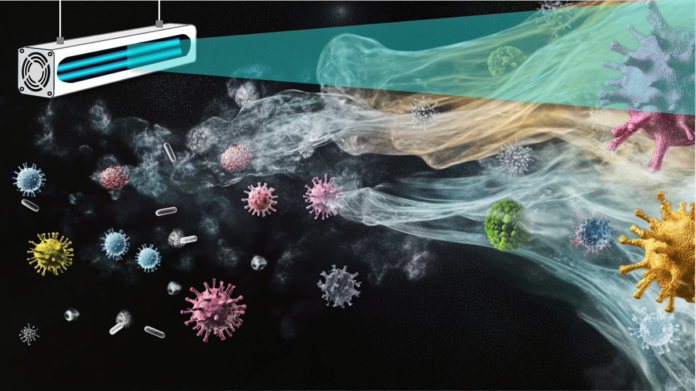
Throughout history, humans have sought effective methods to combat invisible threats like bacteria, viruses, and other harmful microorganisms. Today, one of the most powerful and scientifically-backed solutions available is UV-C light technology. This comprehensive guide will walk you through everything you need to know about ultraviolet germicidal irradiation and how it can transform your living spaces into healthier environments.
Whether you're looking to improve indoor air quality, sanitize surfaces, or simply understand the science behind this remarkable technology, you've come to the right place. Let's explore the fascinating world of UV-C light and its applications for modern homes and outdoor living spaces.
As we spend more time indoors, the quality of our air becomes increasingly important. UV-C technology offers a chemical-free, environmentally conscious approach to eliminating airborne contaminants and creating spaces where you and your family can breathe easier.
What You'll Learn
- Understanding UV-C light and how it differs from other UV wavelengths
- Safety considerations for UV-C use around people, pets, and plants
- How UV-C technology eliminates germs and pathogens
- Different types of UV-C devices and their applications
- Effectiveness against COVID-19 and other viruses
- Choosing the right UV-C solution for your needs
Can You Use UV-C Lights While in the Room?
One of the most common questions about UV-C technology relates to safety during operation. The answer depends entirely on the type of device you're using. Direct exposure to UV-C radiation can be harmful to skin and eyes, which is why understanding your specific equipment is essential.
Some UV-C devices are specifically designed for occupied spaces, utilizing shielding and specific wavelengths that make them safe for continuous use. Others require the room to be vacated during operation. Always consult your device's specifications and follow manufacturer guidelines to ensure safe and effective use.
Portable Shielded UV-C Air Purifiers
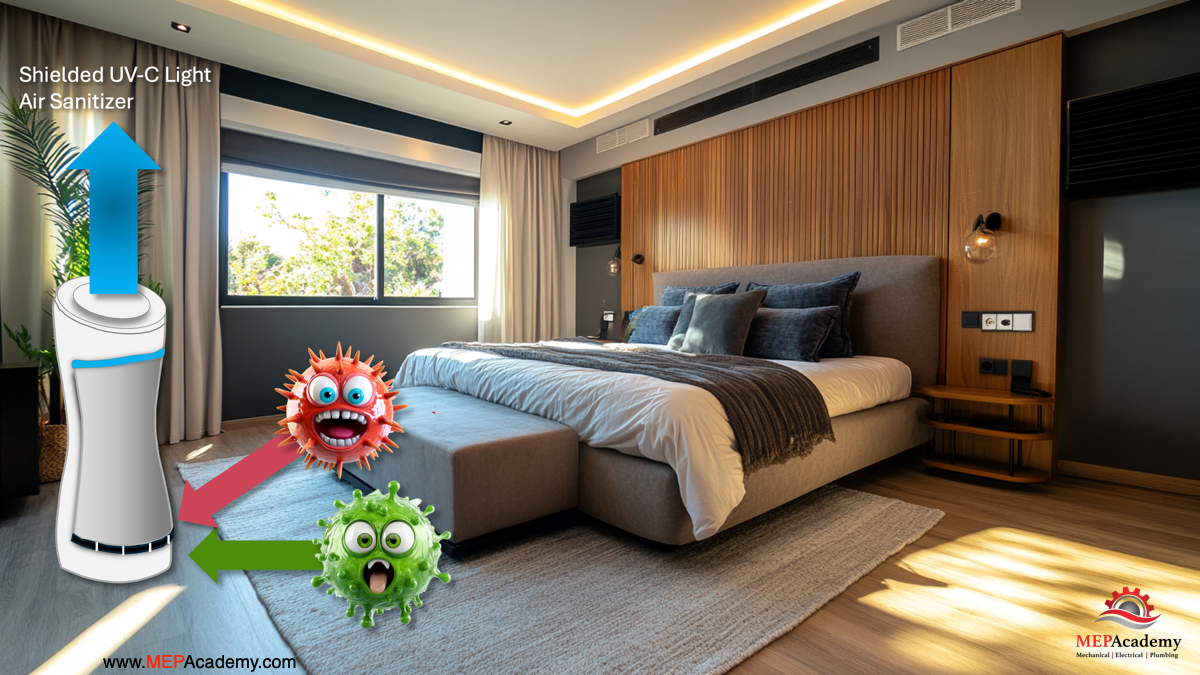
Portable shielded UV-C air purifiers represent one of the safest and most convenient ways to harness ultraviolet germicidal power in occupied spaces. These ingenious devices draw contaminated air into an internal chamber where UV-C light destroys pathogens before releasing the purified air back into your environment.
Because the UV-C bulbs are completely enclosed within the unit, there's no direct exposure risk to people, pets, or plants. This makes them ideal for continuous operation in living rooms, bedrooms, offices, and any space where you want consistent air purification without interrupting your daily activities.
Open Lamp UV-C Light Systems
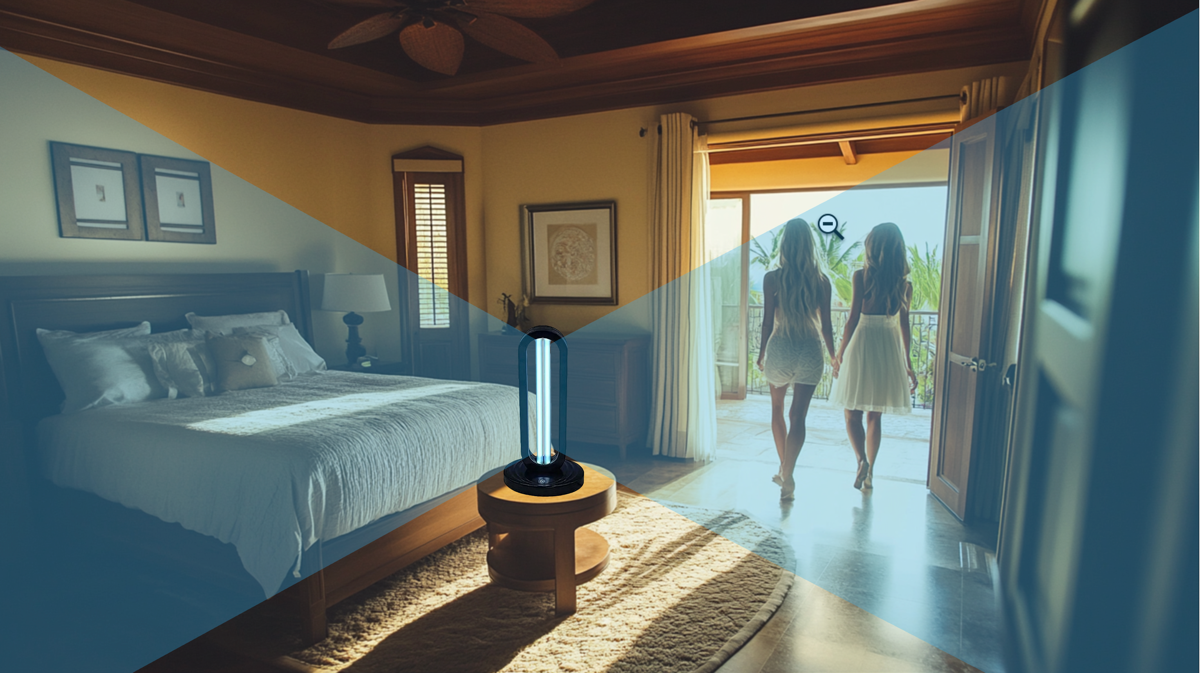
Open lamp UV-C systems provide powerful, direct ultraviolet exposure for comprehensive room disinfection. These devices emit UV-C light openly into the environment, making them exceptionally effective at sanitizing both air and surfaces simultaneously.
Due to their unshielded design, open lamp systems should only be operated when the room is unoccupied. Many modern units come equipped with timers, motion sensors, and remote controls that allow you to safely sanitize spaces before entering. They're particularly valuable for deep cleaning bedrooms, bathrooms, and high-traffic areas.
Healthcare and Commercial Applications
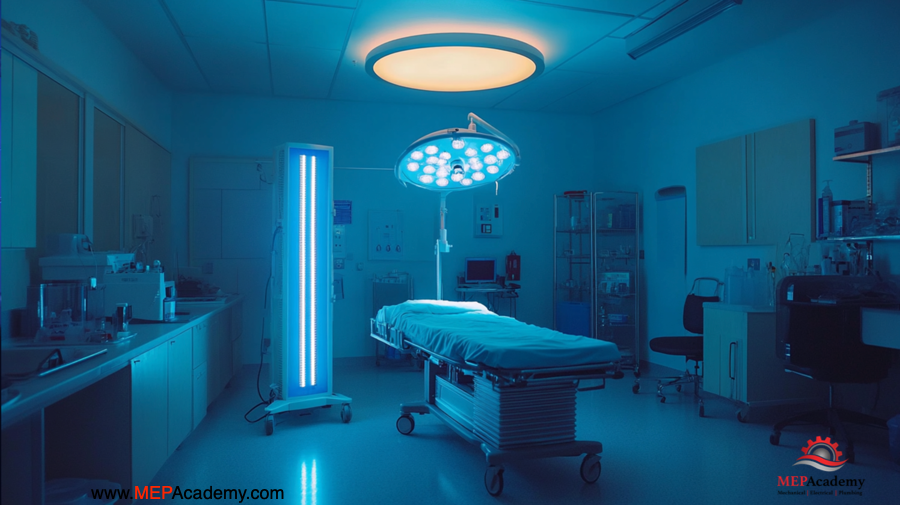
UV-C technology has long been trusted in healthcare settings, where maintaining sterile environments is critical. Hospitals, clinics, laboratories, and food processing facilities rely on ultraviolet germicidal irradiation to supplement traditional cleaning methods and provide an additional layer of protection against harmful pathogens.
The same professional-grade technology is now available for residential and commercial use, allowing homeowners and businesses to benefit from hospital-level disinfection capabilities. From HVAC system integration to standalone room sanitizers, these solutions bring clinical-grade cleanliness to everyday spaces.
How Does UV-C Light Eliminate Germs?
The germicidal power of UV-C light lies in its specific wavelength, typically around 254 nanometers. At this frequency, ultraviolet radiation penetrates the cell walls of microorganisms and damages their DNA and RNA structures. This molecular disruption prevents bacteria, viruses, mold spores, and other pathogens from reproducing and effectively neutralizes them.
Unlike chemical disinfectants, UV-C light leaves no residue and doesn't contribute to antimicrobial resistance. It's a purely physical process that works against a broad spectrum of microorganisms, including those that have developed resistance to traditional cleaning agents.
The effectiveness of UV-C disinfection depends on several factors: the intensity of the light, the duration of exposure, and the distance from the light source. Professional-grade devices are engineered to deliver optimal dosages for thorough pathogen elimination.
Key Benefits of UV-C Technology
Chemical-free disinfection that's safe for the environment
Effective against bacteria, viruses, mold, and allergens
No residue or harmful byproducts
Works continuously to maintain air quality
Is UV-C Light Safe for Humans, Pets, and Plants?
Safety is paramount when working with UV-C technology. Direct exposure to UV-C radiation can cause skin irritation similar to sunburn and may lead to eye damage, including a condition known as photokeratitis. This is why understanding the type of UV-C device you're using is crucial.
Shielded air purifiers that contain UV-C bulbs within enclosed chambers are completely safe for continuous use around people, pets, and plants. The purification happens internally, with no UV-C light escaping into the room.
For open lamp systems, always ensure the room is vacated during operation. Remove pets and plants from the area, and never look directly at an active UV-C bulb. Modern devices often include safety features like automatic shutoffs when motion is detected.
How Long Does UV-C Disinfection Take?
The time required for effective UV-C disinfection varies based on several factors, including room size, device power output, and the specific pathogens you're targeting. Surface disinfection typically requires direct exposure of several minutes to achieve significant microbial reduction.
For air purification, shielded devices work continuously, processing room air multiple times per hour. The effectiveness increases with extended operation, making them ideal for spaces where ongoing protection is desired. Most manufacturers provide specific guidance on coverage area and recommended usage patterns for optimal results.
What Pathogens Can UV-C Light Eliminate?
UV-C light is remarkably effective against a wide range of microorganisms. Scientific studies have demonstrated its ability to neutralize bacteria including E. coli, Salmonella, and Staphylococcus, as well as various viral strains, fungal spores, and mold.
The technology is also effective against airborne allergens and can help reduce symptoms for those suffering from allergies or respiratory conditions. By continuously treating the air in your space, UV-C purifiers create a cleaner, healthier environment for everyone.
Is UV-C Effective Against COVID-19?
Research has shown that UV-C light can effectively inactivate SARS-CoV-2, the virus responsible for COVID-19. Studies indicate that proper UV-C exposure damages the virus's genetic material, preventing replication. While UV-C should be considered one component of a comprehensive health strategy rather than a standalone solution, it provides valuable additional protection in homes, offices, and public spaces.
Can UV-C Light Penetrate Surfaces and Fabrics?
UV-C light works primarily on surfaces and in the air—it cannot penetrate solid materials or reach pathogens hidden beneath surfaces. This is an important consideration when planning your disinfection strategy.
For effective surface disinfection, the UV-C light must have direct line-of-sight contact with the area being treated. Shadows, crevices, and porous materials may harbor pathogens that the light cannot reach. This is why UV-C technology works best as a complement to, rather than a replacement for, regular cleaning practices.
Understanding UV-A, UV-B, and UV-C: What's the Difference?
Ultraviolet light exists on a spectrum, with different wavelengths producing different effects. UV-A rays (315-400nm) are the longest wavelength and are responsible for skin aging. UV-B rays (280-315nm) can cause sunburn and are partially filtered by Earth's atmosphere.
UV-C rays (100-280nm) are the shortest wavelength and are almost entirely absorbed by our atmosphere, meaning we don't encounter them naturally. However, this same wavelength is the most effective for germicidal purposes, which is why it's artificially generated for disinfection applications.
How to Know If Your UV-C Device Is Working Properly
Ensuring your UV-C equipment is functioning correctly is essential for effective disinfection. Most UV-C bulbs emit a faint blue or violet glow when active, though this visible light is not the germicidal UV-C itself—it's simply a byproduct that indicates the bulb is operating.
UV-C bulbs degrade over time and should be replaced according to manufacturer recommendations, typically every 9,000 to 12,000 hours of operation. Some advanced systems include indicators that alert you when bulb replacement is needed. Regular maintenance ensures consistent performance and optimal protection.
What's the Lifespan of a UV-C Light Bulb?
Quality UV-C bulbs typically last between 9,000 and 14,000 hours of continuous operation. However, their germicidal effectiveness diminishes gradually over time, even if the bulb still illuminates. Most manufacturers recommend replacement at specific intervals to maintain optimal disinfection performance. Keep track of your bulb's operating hours and follow the replacement schedule for best results.
Can UV-C Light Damage Materials or Electronics?
Extended UV-C exposure can potentially affect certain materials over time. Plastics may become brittle or discolored, rubber components can degrade, and some fabrics may fade with prolonged direct exposure. Electronics are generally safe, though extended exposure to sensitive displays should be avoided.
For typical residential use, these concerns are minimal. Shielded air purifiers pose no risk to surrounding materials since the UV-C light remains contained. When using open lamp systems, brief disinfection cycles are unlikely to cause damage, but avoid leaving sensitive items in direct UV-C light for extended periods.
Do I Need to Clean Surfaces After Using UV-C Light?
One of the advantages of UV-C disinfection is that it leaves no chemical residue. After treatment, surfaces are immediately safe for use without additional wiping or cleaning. However, UV-C light neutralizes pathogens but doesn't remove physical debris, dust, or stains. For comprehensive cleanliness, combine UV-C treatment with regular cleaning routines.
How Much Area Can a UV-C Sanitizer Cover?
Coverage varies significantly based on device type and power output. Portable air purifiers typically specify room size ratings in square feet, ranging from small personal units covering 150 square feet to powerful systems capable of treating 2,000 square feet or more. Open lamp sanitizers' effectiveness depends on placement and exposure time.
Are UV-C Sanitizers Portable and Easy to Install?
Many UV-C solutions are designed with convenience in mind. Standalone air purifiers simply need to be placed in your desired location and plugged in—no installation required. They can be easily moved between rooms as needed. Some units are compact enough for travel, allowing you to maintain air quality wherever you go.
Is UV-C Light Energy-Efficient?
Modern UV-C devices are designed to be energy-efficient, especially considering their continuous operation capabilities. Most residential air purifiers consume between 50 and 200 watts, comparable to a standard light bulb. Given the health benefits and continuous protection they provide, the energy cost is minimal for most households.
Does UV-C Light Affect Air Quality or Release Harmful Substances?
Quality UV-C devices are specifically designed to avoid producing ozone, a respiratory irritant. Look for products that are certified ozone-free or produce ozone levels well below safety thresholds. Reputable manufacturers test their products to ensure they improve air quality without introducing new concerns.
UV-C light itself does not release any substances—it's purely electromagnetic radiation. The germicidal process simply damages microbial DNA without creating byproducts, making it one of the cleanest disinfection methods available.
Can UV-C Light Replace Traditional Cleaning Methods?
UV-C technology is best viewed as a powerful complement to traditional cleaning rather than a complete replacement. While UV-C excels at neutralizing pathogens, it doesn't remove physical dirt, grease, or debris. The most effective approach combines regular cleaning practices with UV-C disinfection for comprehensive hygiene.
Breathe Cleaner Air Today
Experience the benefits of UV-C air purification technology in your home. Our premium air purifiers combine advanced filtration with germicidal UV-C light for comprehensive indoor air quality improvement.
Airpura UV700 Air Purifier