

Indoor air quality is something many homeowners overlook, yet it plays a huge role in the overall health and comfort of your living space. With allergens, bacteria, mold spores, and volatile organic compounds floating through your home, finding an effective solution is more important than ever. One technology gaining serious attention is the use of UV lights installed within HVAC systems.
But do these ultraviolet lights genuinely make a difference, or is it all hype? In this comprehensive guide, we will explore how HVAC UV lights function, the different types available, the benefits and potential drawbacks, and help you decide whether adding one to your heating and cooling setup is the right move.
What Exactly Is an HVAC UV Light?
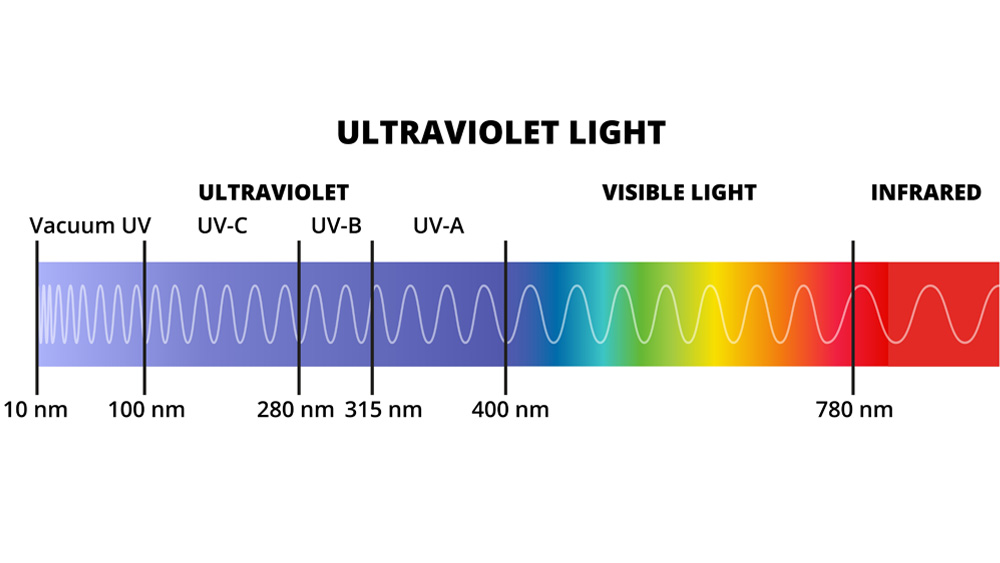
You might recall from science class that ultraviolet light sits just beyond the visible spectrum. HVAC UV lights harness a specific wavelength — typically UV-C — to neutralize harmful microorganisms as air circulates through your ductwork. When germs, mold, or bacteria pass by the UV lamp, the light damages their DNA, rendering them unable to reproduce and effectively eliminating them from your airstream.
These devices are installed directly inside your furnace, air handler, or duct system. They work silently in the background, constantly treating the air flowing through your home without any intervention from you.
How Do HVAC UV Lights Actually Work?
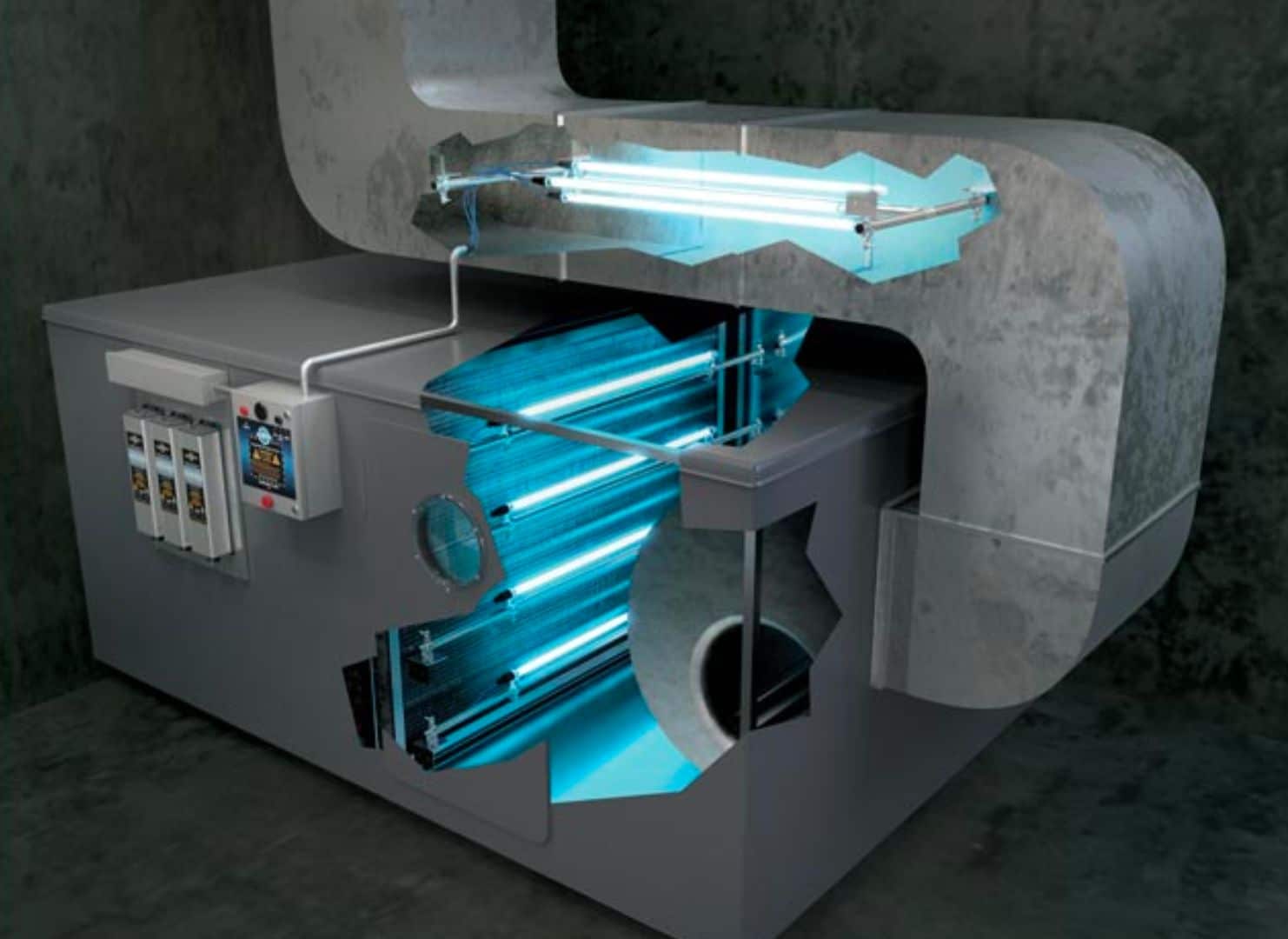
The principle behind UV germicidal lights is straightforward but remarkably effective. A specialized UV-C bulb is mounted inside your HVAC equipment — most commonly near the evaporator coil or within the return air duct. As air passes over or near the bulb, the ultraviolet energy targets the cellular structure of biological contaminants.
This process disrupts the DNA and RNA of pathogens such as mold, bacteria, viruses, and other microbes, stopping them from multiplying. Over repeated cycles through your system, the UV light significantly reduces the concentration of airborne pollutants, helping maintain a cleaner and healthier indoor environment.
Types of UV Sanitizing Lights for HVAC Systems
Not every UV light is built the same. There are several distinct categories, each serving a slightly different purpose within your heating and cooling setup. Understanding the differences will help you choose the best option for your specific needs.
Coil-Sanitizing UV Lights
These are installed to shine directly on the evaporator coil inside your air handler or furnace. The evaporator coil is a common breeding ground for mold and bacteria because of the moisture that naturally collects there. A coil-sanitizing UV light runs continuously, keeping the coil surface clean and preventing biological buildup that can reduce system efficiency and degrade air quality. This is the most popular and widely recommended type for residential use.
Air-Sanitizing UV Lights
Rather than targeting a single component, air-sanitizing UV lights are positioned inside the return air duct to treat air as it passes through. These lights are designed to sterilize airborne contaminants in real-time, neutralizing pathogens before they reach your living spaces. They often cycle on and off in sync with your HVAC system's blower, providing a layer of purification to every breath of circulated air.
Carrier and Dual Germicidal Lamp Systems
Some manufacturers offer combination units that address both the coil surface and the moving air simultaneously. Dual-lamp designs provide two bulbs — one aimed at the coil and the other positioned to sanitize passing air. These all-in-one solutions tend to deliver broader coverage and are ideal for homeowners seeking maximum air quality improvement from a single installation.
Benefits and Drawbacks of Installing UV Lights in Your HVAC
Like any home improvement investment, UV lights for your HVAC system come with both advantages and considerations worth weighing before making a decision.
✦ The Benefits
Eliminates Biological Contaminants: UV-C light is proven to destroy mold, bacteria, viruses, and other harmful microorganisms that thrive inside HVAC systems, leading to noticeably cleaner indoor air.
Improves HVAC Efficiency: By keeping the evaporator coil free of biological buildup, UV lights help your system operate at peak performance, potentially lowering energy bills over time.
Reduces Odors: Many household odors originate from mold and bacteria in your ductwork. UV lights address the source, not just the symptom.
Low Maintenance: Once installed, UV bulbs typically only need replacing every one to two years, making them a relatively hands-off solution.
✦ The Drawbacks
Upfront Cost: Quality UV light systems are not the cheapest add-on. Between the unit itself and professional installation, homeowners should expect a moderate initial expense.
Does Not Remove Particles: UV lights kill germs but they do not filter out dust, pet dander, or other particulate matter. You still need a quality air filter working alongside the UV system.
Bulb Replacement: While maintenance is minimal, the UV bulbs do lose effectiveness over time and need periodic replacement to continue providing benefits.
HVAC Products Featuring UV Technology
Several reputable brands have integrated UV purification into their product lines, offering homeowners turnkey solutions for cleaner air. Below are some of the most noteworthy options available today.
REME HALO Whole Home Air Purifier
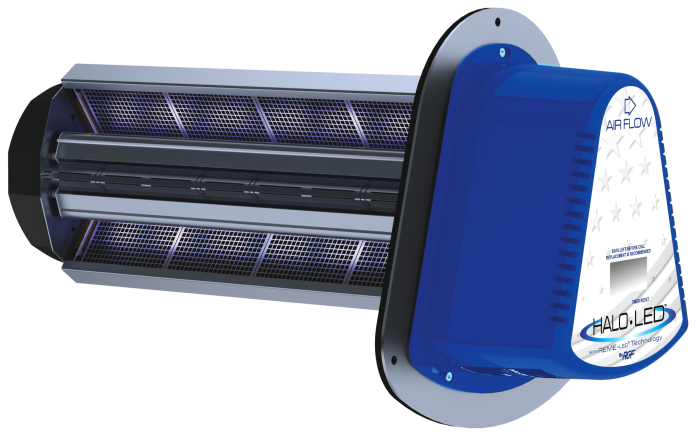
The REME HALO stands out as one of the most popular whole-home air purification systems on the market. It installs directly into the supply plenum of your HVAC system and uses a combination of UV light and ionized hydroperoxide technology to actively purify every cubic foot of conditioned air in your home. Rather than passively waiting for contaminants to pass by, the REME HALO sends purifying agents throughout your ductwork and living areas, targeting mold, bacteria, viruses, allergens, and even stubborn odors at the source. It is effective against a wide spectrum of pollutants, including smoke, cooking odors, and volatile organic compounds.
REME HALO-LED
The HALO-LED builds on the original REME HALO concept but makes a significant upgrade by replacing traditional UV bulbs with LED technology. The result is a longer-lasting unit that consumes less energy while delivering the same powerful air purification performance. It is designed to reduce airborne and surface pathogens and has been tested to be effective against a broad range of contaminants. Homeowners benefit from fewer bulb replacements, lower electricity usage, and a smaller environmental footprint — making it an excellent choice for anyone looking to invest in long-term indoor air quality.
Carrier Ultraviolet Germicidal Lamp Systems
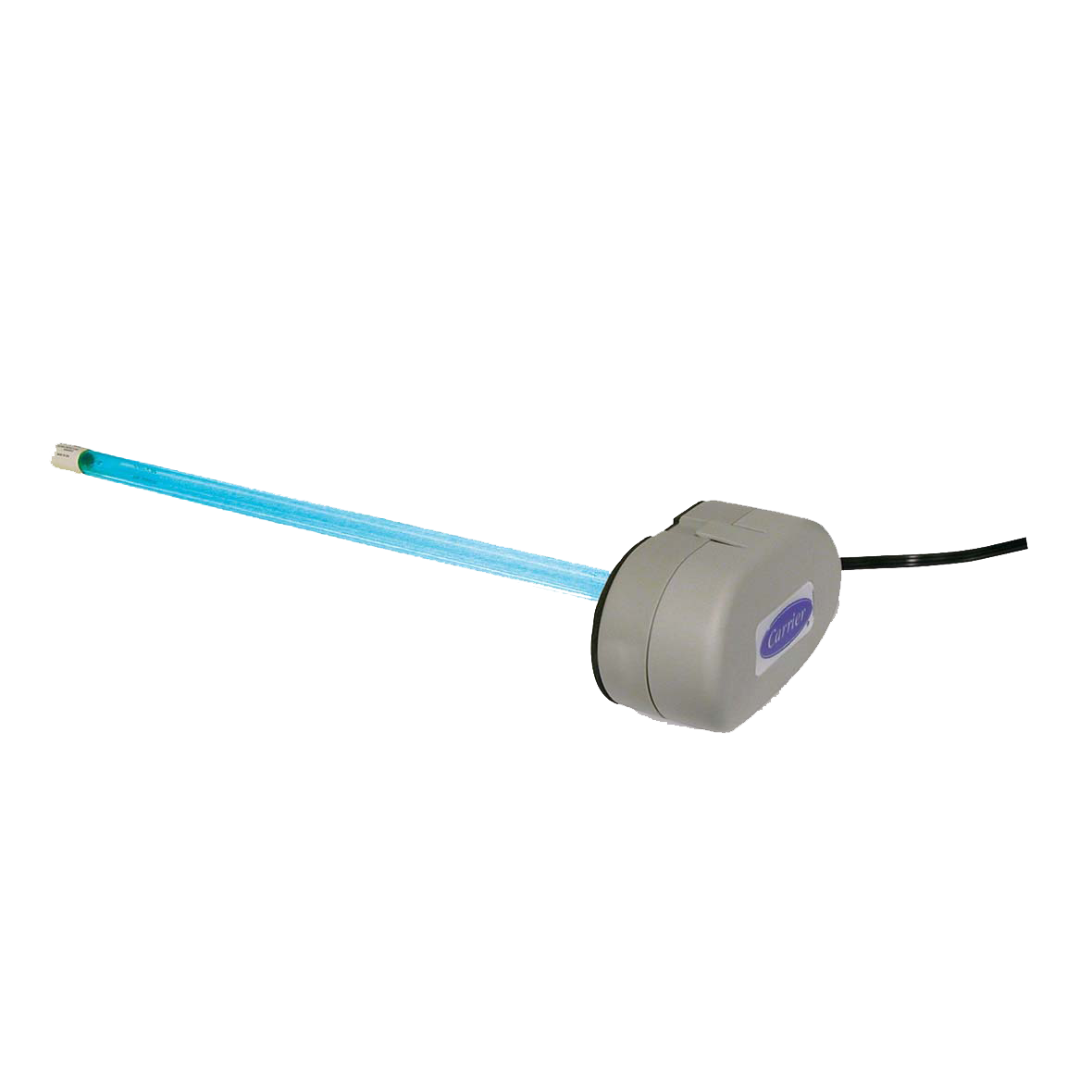
Carrier, one of the biggest names in home comfort, offers single and dual germicidal lamp solutions designed to fit seamlessly into their lineup of HVAC equipment. These UV lamp systems target airborne pathogens, surface bacteria, and mold growth on evaporator coils. With both single-lamp and dual-lamp configurations available, homeowners can select the level of protection that matches their needs and budget. Carrier systems are built to integrate smoothly with existing equipment, making installation straightforward for HVAC professionals.
Can You Install a UV Light Yourself?
While some handy homeowners might feel comfortable tackling a UV light installation, it is generally recommended to hire a qualified HVAC technician. Proper placement is essential — the UV bulb needs to be positioned at the correct angle and distance from the coil or air stream to be effective. Incorrect installation could result in reduced performance, potential damage to your HVAC components, or even exposure to harmful UV radiation.
A trained professional understands the layout of your system and can ensure the light is placed where it will deliver optimal germicidal effect. They will also handle the electrical connections safely and make sure everything complies with local codes. Most UV light manufacturers recommend professional installation for these reasons.
⚠ Safety Note: UV-C light is harmful to your eyes and skin with direct exposure. Never look directly at an operating UV bulb, and always turn off the system before performing any maintenance near the unit.
Is the Cost Justified by the Benefits?
When you consider the potential health improvements, reduced allergy symptoms, less mold growth inside your HVAC equipment, and better overall system efficiency, UV lights can pay for themselves over time. The upfront expense may feel substantial, but the long-term savings on maintenance and potential medical costs — combined with the comfort of knowing your indoor air is cleaner — make it a compelling proposition for many households.
If you have family members who suffer from asthma, allergies, or respiratory sensitivities, the value of UV light treatment becomes even more pronounced. Homes in humid climates where mold growth is a persistent concern will also see significant advantages from a properly installed UV system.
An Alternative: Standalone UV Air Purifiers
If you are not ready to modify your HVAC system, standalone air purifiers equipped with UV-C technology offer an excellent middle ground. These portable units can be placed in individual rooms and combine HEPA filtration with ultraviolet germicidal capabilities to capture and destroy airborne pollutants.
The Airpura UV700, for example, is a powerful standalone air purifier that uses a UV germicidal lamp alongside a robust filtration system to address bacteria, viruses, mold, and chemical pollutants in spaces up to 2,000 square feet. It is an excellent option for homeowners wanting UV air treatment without any HVAC modifications.
What Are the Next Steps?
Now that you have a clearer picture of how UV lights work and the benefits they can deliver, the decision comes down to your specific situation. If your household struggles with recurring allergy issues, persistent odors, or mold concerns within your HVAC system, a UV light installation could be a game changer.
Start by assessing your current air quality and the condition of your HVAC components. Reach out to a trusted HVAC professional who can evaluate your system and recommend the best UV solution for your setup. Alternatively, if a whole-system installation is not feasible right now, a high-quality standalone UV air purifier like the Airpura UV700 can provide meaningful improvement in the meantime.
The air inside your home matters. Investing in cleaner indoor air is an investment in the well-being of everyone under your roof.