

Indoor air quality is something many homeowners overlook until health concerns arise. Dust, allergens, mold spores, and even bacteria can quietly circulate through your HVAC system, spreading throughout every room. One solution that has gained serious traction in recent years is installing UV lights directly within your heating and cooling system. But the big question remains — do they actually deliver results?
UV light technology has been trusted for decades in hospitals, laboratories, and water treatment facilities. Now, the same germ-fighting power is being adapted for residential use, promising cleaner air and a more efficient HVAC system. In this article, we will break down exactly how these lights work, the genuine benefits they offer, and what you need to know before adding them to your setup.
What You'll Learn in This Article
What Are UV Lights?

Ultraviolet light exists just beyond the visible spectrum, meaning you cannot see it with the naked eye, yet its effects are incredibly powerful. The specific wavelength used in HVAC applications is UV-C, which falls in the short-wave range between 200 and 280 nanometers. At this frequency, the light has the ability to penetrate the cell walls of microorganisms and disrupt their DNA, rendering them unable to reproduce or survive.
The concept itself is not new. Healthcare facilities have relied on germicidal UV light for decades to sterilize surgical instruments, purify water, and disinfect patient rooms. Bringing this same technology into residential HVAC systems allows homeowners to target the hidden contaminants lurking inside ductwork, on evaporator coils, and in drain pans — places where moisture creates the perfect breeding ground for biological growth.
Did You Know? UV-C light at 254 nanometers is considered the most effective wavelength for destroying airborne pathogens. Research has confirmed it can neutralize up to 99.9% of common household germs when properly installed.
Types of UV Lights
Not all UV lights are created equal. Understanding the distinctions between them is essential before deciding which one belongs in your system. There are three primary categories of ultraviolet light:
- UV-A (315–400 nm): This is the longest wavelength and the most commonly encountered form. It is used in tanning beds, black lights, and certain industrial curing processes. While it can affect biological organisms over prolonged exposure, it is not powerful enough for HVAC sterilization.
- UV-B (280–315 nm): This mid-range wavelength is responsible for sunburns and plays a role in vitamin D production. It has a moderate germicidal effect but is not the standard choice for air purification systems.
- UV-C (200–280 nm): This is the powerhouse. UV-C light carries enough energy to destroy the DNA and RNA of bacteria, viruses, mold spores, and other microscopic invaders. This is the wavelength used in HVAC UV light installations.
For home HVAC applications, UV-C is the only type that delivers meaningful germicidal results. When installed correctly inside your air handling system, it works silently and continuously to reduce the biological load circulating through your home.
How Do UV Lights Kill Bacteria & Viruses?
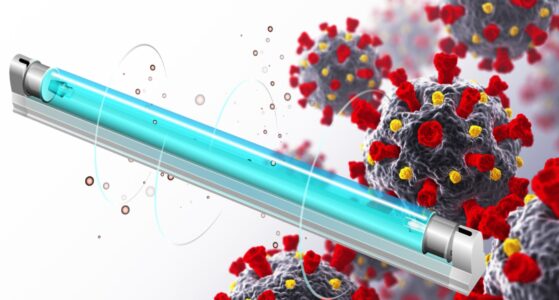
The science behind UV germicidal irradiation is straightforward yet remarkably effective. When UV-C photons strike a microorganism, they penetrate its outer membrane and target the nucleic acids within. This disrupts the molecular bonds holding the organism's genetic material together, specifically damaging the thymine bases in DNA strands. Once this damage occurs, the organism can no longer replicate, effectively neutralizing it.
Think of it this way: the UV-C light scrambles the instruction manual that bacteria and viruses depend on to multiply. Without the ability to reproduce, these pathogens die off rapidly. This process happens at the speed of light — literally — making UV-C one of the fastest sterilization methods available.
In HVAC systems, the UV light is typically positioned near the evaporator coil or within the return air duct, ensuring that recirculated air passes through the germicidal zone repeatedly. With each pass, more and more contaminants are eliminated, resulting in progressively cleaner indoor air.
Important: UV lights inside HVAC systems do not replace standard air filters. Instead, they work in tandem — your filter captures larger particles like dust and pet dander, while the UV light targets the microscopic threats that slip through.
Benefits of Using UV Lights in HVAC Systems
Installing UV lights inside your heating and cooling system offers a range of advantages that go well beyond simple air purification. Here are the key benefits homeowners can expect:
Improved Air Quality
UV lights significantly reduce airborne bacteria, viruses, mold spores, and allergens. The EPA has noted that indoor air can be two to five times more polluted than outdoor air, making active purification essential.
Energy Efficiency
When mold and biofilm accumulate on your evaporator coil, the system has to work harder to heat or cool your home. UV lights keep coils clean, helping your system operate at peak efficiency and potentially lowering energy bills.
Reduced Maintenance
By preventing biological growth on critical components, UV lights can extend the lifespan of your HVAC equipment and reduce the frequency of service calls and deep cleanings.
Odor Elimination
Musty smells from your vents often indicate mold or bacterial growth. UV lights destroy these odor-causing organisms at the source, keeping your home smelling fresh and clean.
Reduced Risk of Airborne Illness
For households with young children, elderly family members, or anyone with respiratory conditions like asthma or allergies, UV lights provide an additional layer of defense. By continuously neutralizing airborne pathogens, these systems can help reduce the spread of colds, flu, and other contagious illnesses within the home.
How to Install UV Lights in HVAC Systems
Adding UV lights to your HVAC system may seem straightforward, but several important considerations must be taken into account to ensure safe and effective operation. Proper placement, sizing, and electrical connections all play a role in how well the system performs.
The two most common installation points are directly above or beside the evaporator coil and inside the return air duct. Coil-mounted units run continuously to prevent biological buildup on the coil surface, while duct-mounted units treat the air as it passes through, providing whole-home purification.
While some handy homeowners may feel comfortable performing the installation themselves, professional setup is strongly recommended. A trained HVAC technician can ensure optimal bulb placement, proper electrical wiring, and safe handling of UV-C light, which can cause skin and eye irritation with direct exposure.
Types of UV Lights Suitable for HVAC Systems

There are two primary types of UV light systems designed specifically for residential HVAC use. Each one serves a different purpose, and in some cases, using both together can deliver the best results.
| Type | Placement | Function | Best For |
|---|---|---|---|
| Coil-Sterilizing Lights | Near evaporator coil | Runs 24/7 to prevent mold and biofilm growth on the coil and drain pan | Continuous coil maintenance and mold prevention |
| Air-Sanitizing Lights | Inside return air duct | Activates when the system runs, treating air as it circulates through | Whole-home air purification and pathogen reduction |
Coil-sterilizing lights are the more common and affordable option. They sit near the evaporator coil where moisture naturally collects, making it an ideal environment for mold and bacteria. By bathing the coil in constant UV-C light, these units prevent biological growth before it ever starts.
Air-sanitizing lights are positioned in the ductwork and cycle on whenever the blower runs. They are more effective at treating airborne pathogens throughout the home but generally come at a higher price point. For maximum protection, many homeowners choose to install both types together.
Professional HVAC UV Installation Process

You may be tempted to install the light yourself, but improper installation can compromise performance and even cause damage. Here is what a professional installation typically involves:
- System Assessment: A technician evaluates your existing HVAC system to determine the ideal UV light type and placement for your specific equipment.
- Component Selection: Based on the assessment, the right UV-C bulb wattage and unit style are chosen to match your system's airflow and duct configuration.
- Mounting & Wiring: The UV light is securely mounted inside the air handler or ductwork and connected to a dedicated power supply, often wired to activate with the system's blower.
- Safety Verification: The installer confirms that the UV light is shielded from direct line-of-sight through access panels, protecting household members from accidental UV-C exposure.
- Testing & Calibration: The system is tested to ensure proper operation, adequate UV intensity, and correct positioning for maximum coverage.
Pro Tip: Always hire a certified HVAC professional for UV light installation. Proper placement is critical — even a few inches of difference can dramatically affect germicidal performance.
Maintenance & Upkeep of UV Lights
One of the greatest advantages of HVAC UV lights is their minimal maintenance requirements. However, there are a few things every homeowner should keep in mind to ensure long-term effectiveness:
- Annual Bulb Replacement: UV-C bulbs gradually lose their germicidal strength over time, even if they still appear to be glowing. Most manufacturers recommend replacing the bulb every 12 months to maintain optimal performance.
- Periodic Cleaning: Dust and debris can accumulate on the bulb surface, reducing its output. A gentle wipe with a soft cloth during your regular HVAC maintenance visit will keep it functioning at full capacity.
- Professional Inspections: During your annual HVAC tune-up, ask your technician to inspect the UV light system. They can verify the bulb's output, check electrical connections, and ensure everything is operating safely.
- Safety First: Never look directly at a UV-C light while it is operating, and always turn off the system before performing any maintenance. UV-C exposure can irritate eyes and skin.
With just a small amount of attention each year, your UV light system will continue working quietly in the background, protecting your family's health and keeping your HVAC system running at its best.
The Bottom Line
UV lights for HVAC systems are far more than a marketing gimmick. Backed by decades of scientific research and proven in healthcare settings around the world, UV-C technology offers real, measurable improvements to indoor air quality, system efficiency, and overall home comfort. While they are not a standalone solution — they work best alongside quality air filters and regular HVAC maintenance — the addition of UV lights can make a significant difference in the air your family breathes every day.
If you are serious about creating a healthier indoor environment, a UV light system is one of the smartest investments you can make for your home.
Breathe Cleaner Air Today
Explore our selection of UV air purification systems designed for residential use and take the first step toward healthier indoor air.
Airpura UV700 Air Purifier