
What Makes Light Ultraviolet?
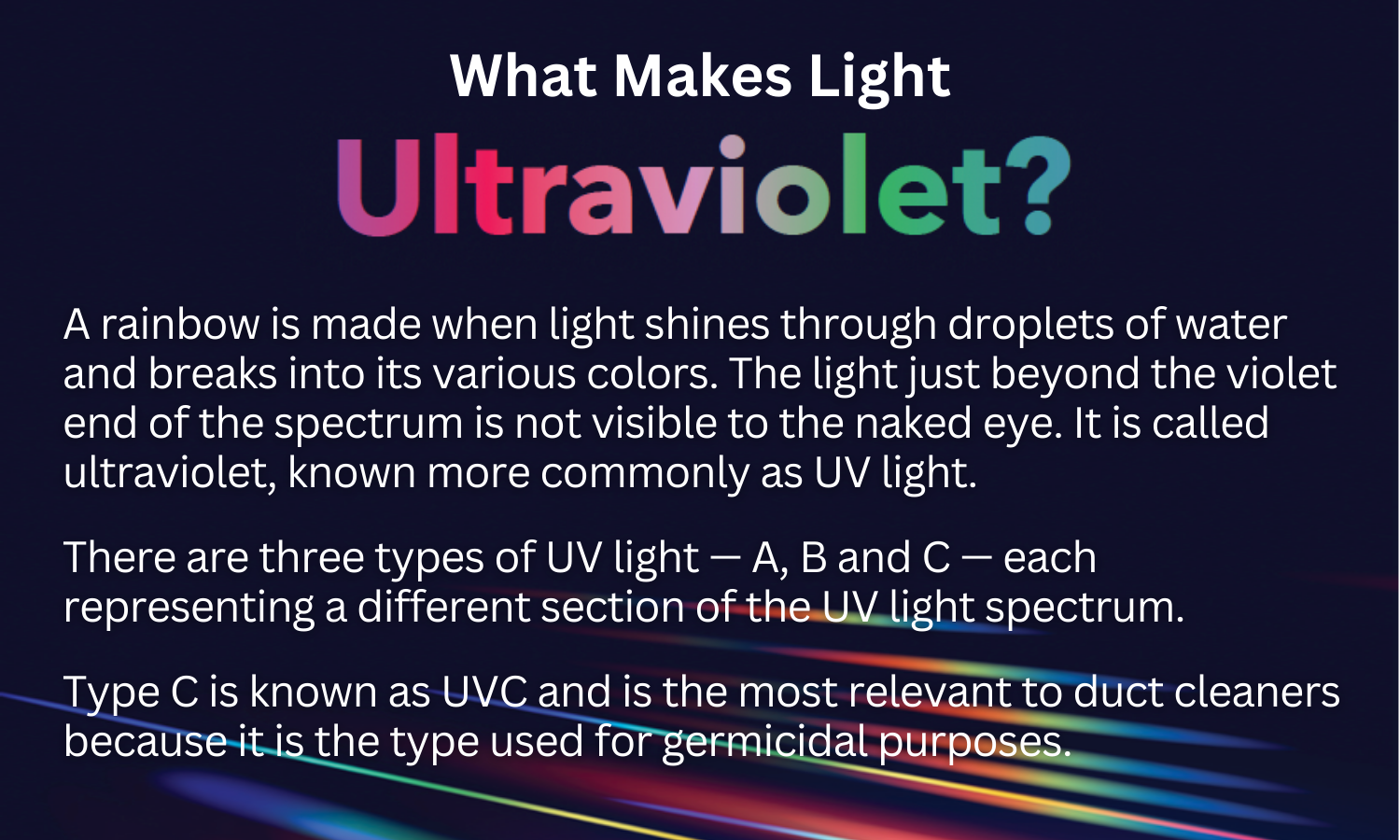
When sunlight passes through water droplets, it splits into the familiar spectrum of visible colors. However, just past the violet end of that spectrum lies a range of light invisible to our eyes — this is ultraviolet (UV) light. It is a natural part of sunlight, and it plays a surprisingly important role in modern air purification technology.
UV light is divided into three categories — UV-A, UV-B, and UV-C — each occupying a different portion of the UV spectrum. Among these, UV-C light is the most significant for air cleaning professionals and homeowners alike, because it is the type used for germicidal purposes.
How UV Lighting Works for Air Purification
When UV light is applied within duct cleaning and HVAC contexts, it is known as ultraviolet germicidal irradiation (UVGI). The concept is straightforward yet remarkably effective: UVGI neutralizes or destroys harmful microorganisms — including viruses, bacteria, and mold spores — by disrupting their DNA structure. Some pathogens are eliminated within mere microseconds of exposure, though more resilient organisms may require a longer period to be fully deactivated.

Common Applications and Best Practices
The most widely adopted UV lighting type for germicidal use in HVAC systems is Type C (UVC). When integrating UVC lamps into your heating and cooling equipment, strategic placement is everything. A single low-pressure UVC lamp placed carelessly will have virtually no impact. In many cases, installations rely on low-pressure UVC lamps, though medium-pressure varieties may be necessary where higher-level disinfection is needed.
Low-pressure UVC lamps function best within a temperature range of roughly 72°F to 105°F and are not suitable for use in freezing conditions. These lamps have a limited lifespan, and their disinfecting power gradually diminishes over time. Expect to replace them every one to three years, depending on the brand and model specifications.
It is essential to routinely inspect all UVC lamps installed in HVAC systems to verify they are operating correctly. Dust and dirt buildup on the lamps will reduce their performance, so clean them regularly following the manufacturer's guidelines. Improper installation can result in both diminished effectiveness and safety risks, so always seek professional guidance if you are unsure about setup.
💡 Pro Tip: Before installing or working with UVC lamps, always ensure you are properly trained, familiar with the materials involved, and aware of the safety risks associated with UV exposure.
Potential Hazards to Be Aware Of
Component Degradation
UV light is powerful, and over extended periods it can break down certain materials within an HVAC system. Filters, sealants, gaskets, and wiring insulation are all susceptible to degradation from prolonged UV exposure. This deterioration may eventually cause air leaks, fire hazards, or reduced system performance. If you install UVC lamps, make sure any vulnerable components are properly shielded or substituted with UV-resistant alternatives. Always consult the lamp manufacturer about material compatibility.
Human Exposure Risks
Direct UVC exposure can be extremely dangerous to human skin and eyes. All UVC lamps should be powered off before any service or maintenance work begins. When UV exposure is unavoidable, proper protective equipment is essential — including protective clothing for exposed skin, UV-rated eyewear, prescription glasses, and gloves. Standard protective goggles may be preferable in some scenarios as they provide more comprehensive coverage around the eyes.
Mercury Content
UVC lamps use a type of bulb known as a compact fluorescent lamp (CFL), which contains a small amount of toxic mercury. If a bulb cracks or breaks, special precautions must be taken to safely manage the mercury and prevent contamination in your space.
Ozone Production
Ozone gas is generated at a wavelength of 185 nanometers. To avoid unwanted ozone output in your HVAC system, always select UVC lamps that emit light at 254 nanometers — this is the standard germicidal wavelength that does not produce ozone.
Looking Ahead: Is UV Right for Your HVAC System?
Although UVGI and UVC lamp installation have earned serious consideration in the HVAC world, the prevailing industry consensus remains that source removal of contaminants is the most effective cleaning method. That said, UVGI can serve as a powerful supplementary measure for reducing airborne pathogens — provided the lamps are installed in sufficient quantity, positioned strategically, and maintained at appropriate intensity levels.
If you decide to incorporate UV technology into your air handling system, invest the time in proper training, understand the materials you are working with, and stay mindful of the associated safety considerations. When implemented correctly, UV light can be a valuable addition to your indoor air quality strategy.
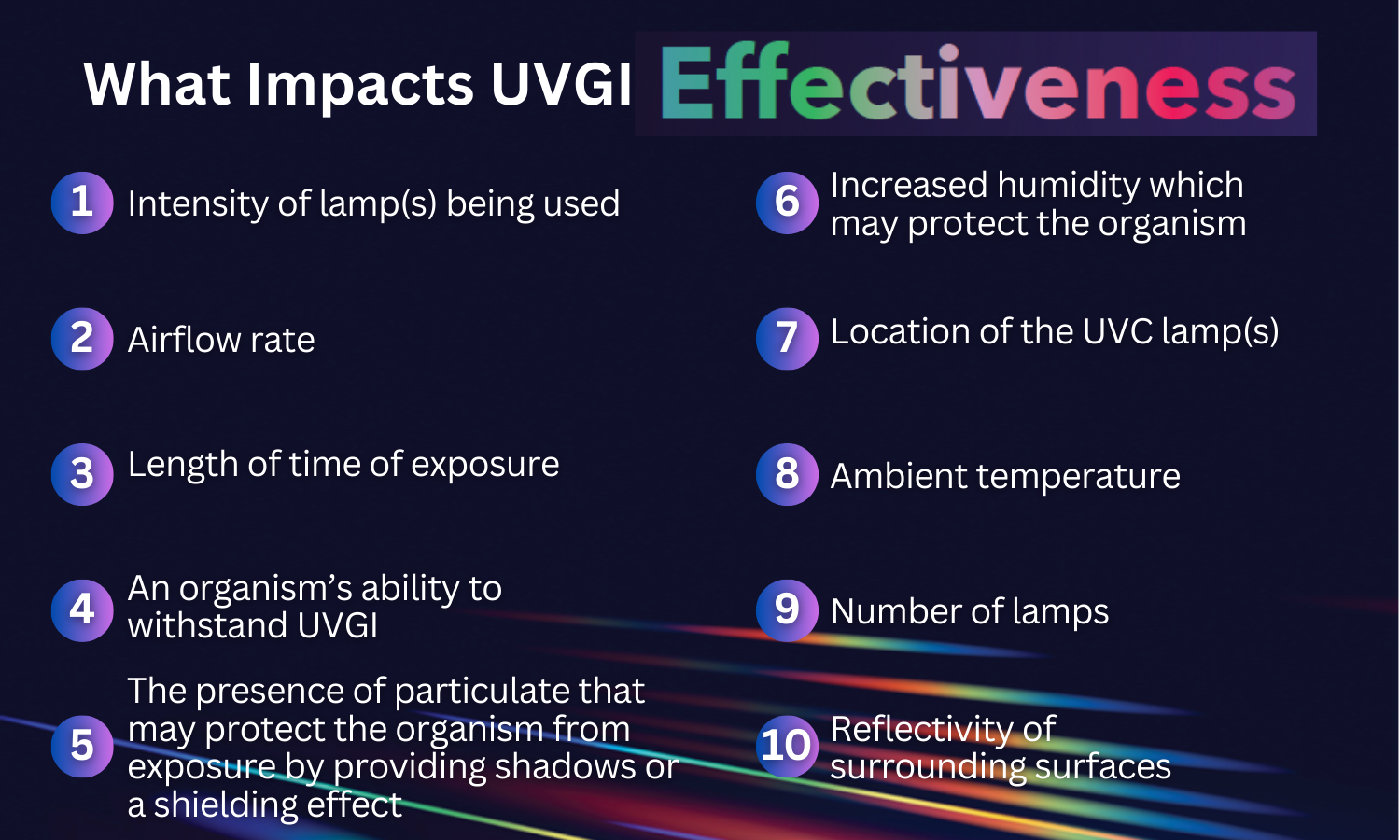
Key Factors That Impact UVGI Effectiveness
Recommended Product
Breathe Cleaner Air at Home
Upgrade your indoor air quality with UV-powered purification technology — designed for whole-home protection.
Airpura UV700 Air Purifier
This article is for informational purposes only. Always consult a certified HVAC professional before installing UV equipment in your system.