
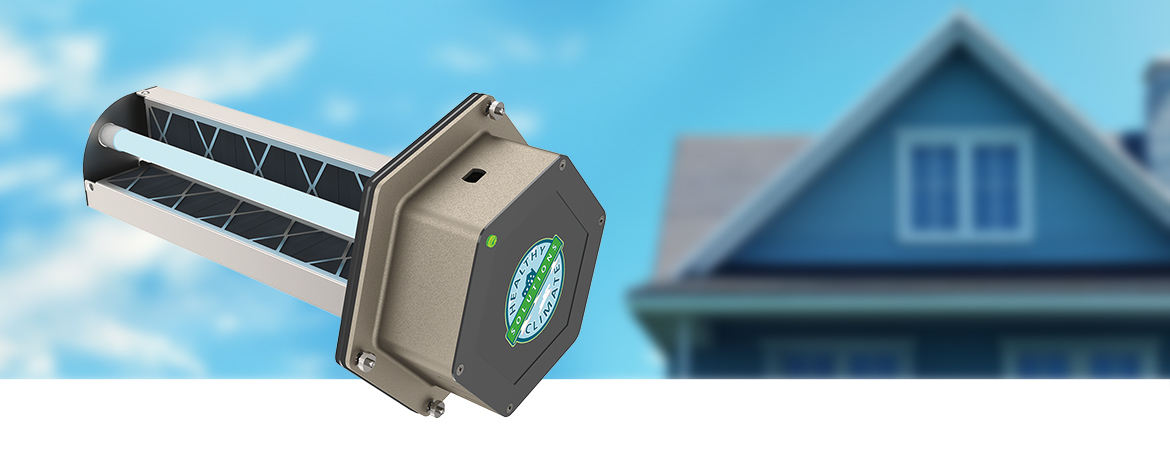
If you're considering upgrading your HVAC system or looking for effective ways to combat mold, mildew, and airborne bacteria, ultraviolet (UV) or germicidal lighting could be the answer. But how exactly does it work? Let's break it down.
Types of UV Light
Ultraviolet light is a type of electromagnetic radiation produced to mimic what the sun naturally emits. It's measured in nanometers and falls into three distinct categories:
315–400 nm, long wave. Not absorbed by the ozone layer. Also known as black light.
280–315 nm, medium wave. Approximately 95% is absorbed by the ozone layer.
100–280 nm, short wave. Fully absorbed by ozone. This is the germicidal type used in air purification.
UVB radiation is primarily responsible for sunburns and skin cancer risk, but it also drives vitamin D production and calcium absorption. Both UVB and UVA light are used therapeutically for skin conditions and mood disorders.
UVC light, thanks to its short wavelength, is the germicidal powerhouse. It effectively destroys germs and bacteria in air, water, and on surfaces — which is why it's the type used in HVAC air purification systems to prevent mold accumulation.
Using UV Light to Kill Mold
Mold is a naturally occurring fungus composed of tiny organisms found virtually everywhere — indoors, outdoors, and in between. It becomes a real concern inside homes when spores land on damp surfaces, multiply, and begin affecting air quality. Spores travel through the air and can be inhaled by anyone in the household. The most reliable approach to controlling mold growth starts with managing moisture levels.
Because UV light operates at a higher frequency than standard light, it can be remarkably effective at destroying mold spores and disinfecting bacteria and viruses — all without relying on harsh chemical treatments. When a UV lamp is placed in your HVAC system, it helps stop mold colonies from forming on damp components like cooling coils, drain pans, and ductwork.
UV light works by emitting short wavelengths of energy that penetrate mold at the cellular level, breaking apart internal chemical bonds. This disrupts the organism's genetic material and blocks its ability to reproduce. The longer the mold is exposed and the higher the UV intensity, the more thoroughly it's destroyed — effectively stopping the organism from spreading.

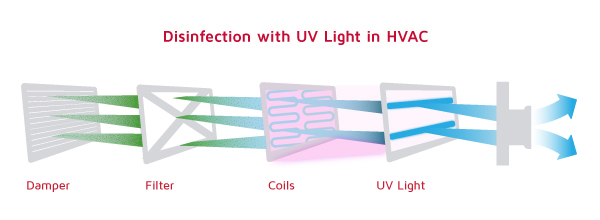
Disinfection with UV Light in HVAC
Damper
Filter
Coils
UV Light
Can UV Light Eliminate Harmful Bacteria?
UV light has proven highly effective against a wide range of bacteria, including drug-resistant strains often referred to as superbugs. It also targets many types of flu strains, beta coronaviruses (such as MERS and SARS), and the SARS-CoV-2 virus responsible for COVID-19. That said, the precise effectiveness of UV lamps against SARS-CoV-2 remains uncertain due to limited published research on the specific wavelength, dosage, and exposure time required.
Not every UV lamp is built the same. Some emit very specific wavelengths — like 254 nm or 222 nm — while others cover a broader range. Certain lamps also emit visible and infrared radiation, which can influence effectiveness at eliminating pathogens and may raise health and safety considerations. Testing the lamp's actual output helps determine exactly which wavelengths it produces and in what quantities.
It's important to note that UV light can only neutralize a virus or bacterium if it makes direct contact. Pathogens hidden under dust, embedded in soil, tucked inside porous materials, or sitting on the underside of a surface will remain unaffected.
Benefits of UV Lights in Your HVAC System
Boosted Efficiency & Airflow
UV light keeps coils and internal surfaces clean, allowing your system to move air more freely and operate at peak performance.
Lower Energy Costs
A cleaner system doesn't have to work as hard, which translates to reduced electricity consumption and lower monthly bills.
Mold & Bacteria Elimination
UV light disinfects moist edges and grooves within your system, destroying mold and mildew without relying on toxic chemicals.
Reduced Odors & Allergens
By neutralizing airborne irritants, UV technology helps alleviate allergies, asthma symptoms, and unpleasant smells throughout your home.
Better Indoor Air Quality
The air circulating through your home gets sanitized before it reaches your living spaces, promoting a healthier environment for everyone.
Disadvantages of UV Lights
Installation cost: Professional UV light systems typically run between $1,000 and $2,000 to install.
Ongoing maintenance: Bulbs require replacement every one to five years depending on the model and usage.
Risk of system damage: Incorrect installation can harm your HVAC components.
Safety hazards: Exposure to UV rays — directly or indirectly — poses potential health risks.
Limited reach: UV light can only eliminate germs that pass directly through its rays, leaving some pathogens untouched.
Can You Install a UV Light Yourself?
While UV lights are effective and widely available, they're generally not considered a do-it-yourself installation. They must be properly integrated into your HVAC system, and incorrect handling can result in eye or skin damage from direct exposure to ultraviolet rays.
Dedicated UV air purifiers offer a safer, more accessible alternative. These standalone units use high-intensity ultraviolet light to neutralize contaminants such as mold, mildew, and bacteria — improving the health of both your equipment and the people in your home, especially those who suffer from allergies, asthma, or other respiratory conditions.
Consulting with a qualified HVAC professional is always recommended before integrating UV technology into your system. An expert can guide you toward the best indoor air quality solution for your home and family.
Featured Product
Take Control of Your Indoor Air Quality
Protect your home and family with advanced UV air purification technology designed for maximum contaminant elimination.
© Backyard Provider — Your Trusted Source for Outdoor Living & Home Comfort Solutions