
Using ultraviolet (UV) light inside a HEPA-based air filtration system is not something endorsed by the CDC. Many people believe that UV technology can wipe out virtually all airborne pollutants, including viruses like COVID-19, and serve as a superior purification method. In reality, pairing UV light with a HEPA air purifier can introduce more drawbacks than advantages — and may even pose genuine safety risks.
The Problem with UV Light in Portable Air Purifiers
Low Dosage Due to Bulb Coating
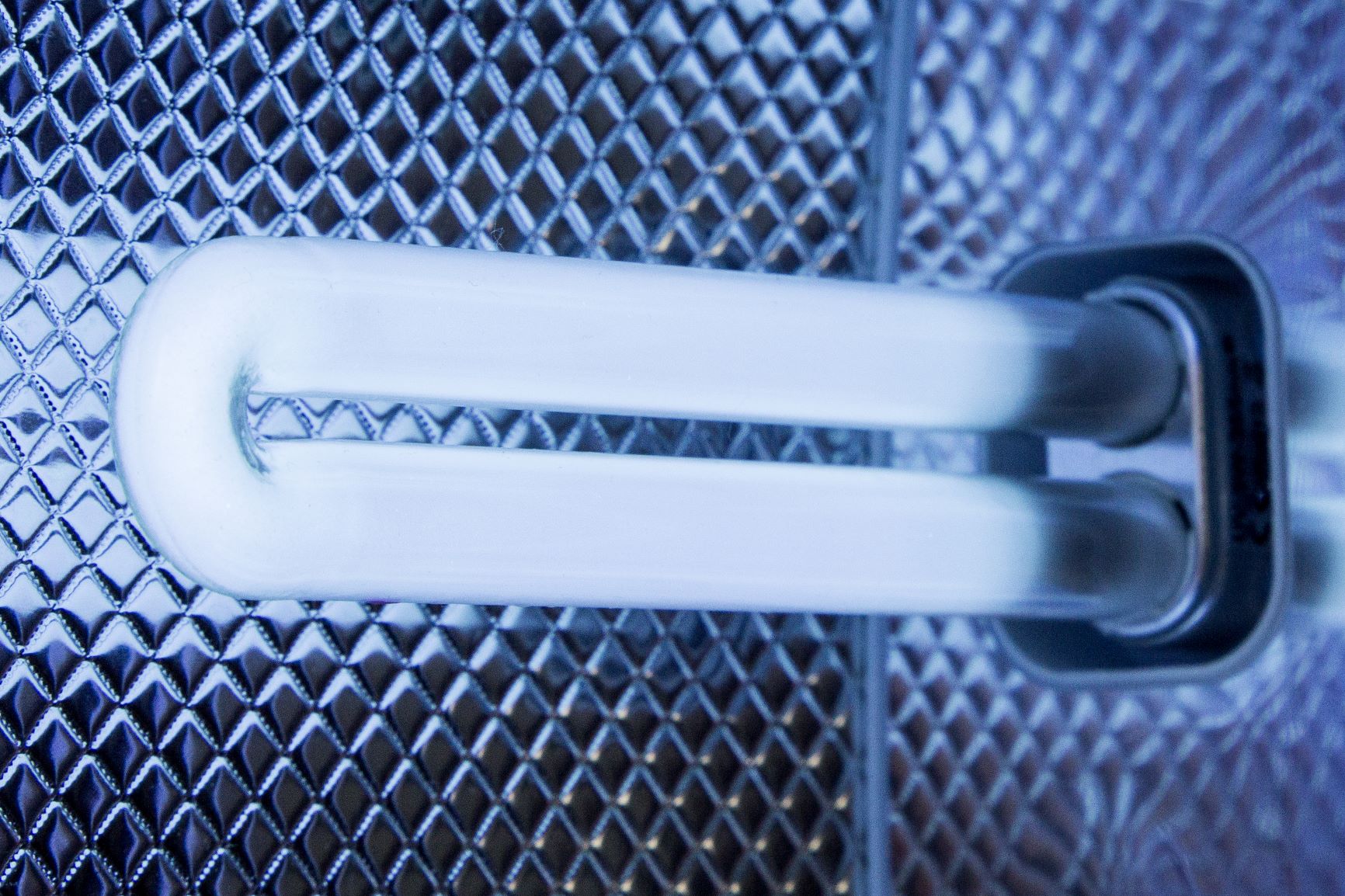
There are numerous reasons why UV light incorporated into air purifiers fails to effectively eliminate viruses. A major concern lies in how these UV-emitting bulbs are manufactured. Often, the bulbs feature a specialized coating that limits the amount of UV-C radiation they release, which means lower intensity output. In order to destroy most harmful pathogens and bacteria, a significantly higher UV light dosage must be emitted from the purifier. When the bulb's UV output is too weak, bacteria and viruses such as COVID-19 can survive and remain active in your indoor environment.
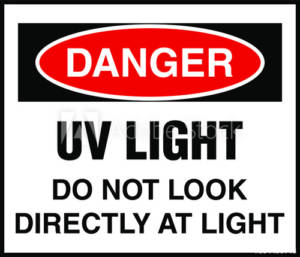
UV LIGHT — DO NOT LOOK DIRECTLY AT LIGHT
Too Much Interference with HEPA Filters
Research conducted on SARS — a close relative of COVID-19 — revealed that exposing the virus to UV-A light produced no measurable effect after 15 minutes. Even when UV-C light is actively employed, its germ-killing potential has clear limitations. Studies published in the American Journal of Infection Control, which tested UV-C light on filtration materials such as N95 face masks, demonstrated only limited effectiveness. The reason is straightforward: UV light struggles to penetrate the dense, multi-layered structure of quality filtration media. If you were to aim UV-C at something as thick and complex as a HEPA filter, the light simply cannot reach deep enough into the fibrous layers. Microbes would need direct, unobstructed exposure to UV radiation to be destroyed, and the tightly woven composition of a HEPA filter makes that virtually impossible.
No Reduction in Allergens, Mold, or Particulate Matter (PM)
UV and UV-C air purifiers will not remove particulate matter or common household allergens from the air. Viruses frequently attach themselves to these tiny particles, which are widespread in residential settings. It is these very particulates — carrying allergens that trigger sneezing and respiratory irritation — that can also transmit dangerous viruses, including COVID-19. This means that even with a UV-equipped air purifier running, you may still experience coughing, sneezing, and ongoing exposure to airborne disease-causing agents.
UV-C Bulbs Contain Mercury
A significant number of UV bulbs designed for disinfecting enclosed areas contain mercury inside them. If one of these bulbs were to crack or shatter, highly toxic mercury vapor would be released directly into your living space — potentially creating far worse health hazards than if you had skipped the UV air purifier altogether.
At present, both the Center for Disease Control and the Environmental Protection Agency do not endorse the use of UV light inside HEPA air purifiers. The EPA has publicly stated that there is no standardized metric for measuring the effectiveness of UVGI (Ultraviolet Germicidal Irradiation) cleaners. On the other hand, standalone HEPA filtration systems perform excellently without any UV component in the equation.
Medical Grade HEPA Filtration Is the Safe Alternative
HEPA air filtration has undergone extensive peer review and has been scientifically validated as a safe and reliable method for purifying indoor air. This technology effectively captures viruses, microbes, dust, and microscopic particulate matter as small as 0.3 microns. More advanced medical-grade air purifiers, like the Austin Air series, can trap particles down to an incredible 0.1 microns — small enough to catch virtually all known viruses, including those responsible for COVID-19.

Conclusion
At Backyard Provider, we only stand behind air purification methods that are both safe and genuinely effective at filtering out viruses and harmful pollutants. HEPA filtration devices have a long, proven track record of reliable performance. There is a clear reason why major agencies like the CDC, EPA, and other health authorities have never officially recommended incorporating UV light into HEPA-based air filtration systems. UV light technology has simply not demonstrated itself to be a safe addition to these devices. We strongly encourage you to steer clear of UV and UV-C light purification systems and instead invest in trusted, medical-grade HEPA filtration for your home.
BACKYARD PROVIDER • Breathe Clean. Live Better.