
Germicidal UV, commonly referred to as Ultraviolet-C (UVC) light, exists within the electromagnetic spectrum alongside other familiar forms of radiation such as radio waves, microwaves, infrared, visible light, X-rays, and gamma rays. Each type is categorized based on its wavelength. For decades, UVC technology has served as a reliable method for sanitizing surfaces and purifying the air we breathe.

The Ultraviolet Spectrum
Our sun emits electromagnetic radiation just like other celestial bodies in the universe. Ultraviolet light possesses a shorter wavelength than visible light and is categorized into three distinct types:
UVA
315-400 nanometers
UVB
280-315 nanometers
UVC
180-280 nanometers
Is Germicidal UV Effective?
The effectiveness of ultraviolet radiation increases as wavelength decreases. UVC radiation never naturally reaches the Earth's surface because our atmosphere filters it out. While UVA comprises approximately 95% of the UV radiation that reaches us, with UVB making up the remaining 5%, it is actually UVC with its shorter wavelength that poses the greatest potential for cellular damage.
This characteristic makes UVC particularly valuable for sanitation purposes. When pathogens receive adequate exposure to UVC energy, germicidal UV becomes a highly effective disinfection solution.
Higher energy wavelengths from UVB and UVC rays trigger mutations in DNA structure. Both DNA and RNA, which are composed of four nucleotide building blocks arranged in specific sequences, become susceptible to damage when exposed to these rays.

Nucleotides are categorized into purines (adenine and guanine) and pyrimidines (thymine in DNA and uracil in RNA, plus cytosine). UVC light causes the formation of pyrimidine dimers, which disrupts normal DNA and RNA replication processes.
Every DNA and RNA copying procedure requires two essential protein enzymes: DNA polymerases and RNA polymerases. When pyrimidine dimer mutations occur, these copying enzymes cannot perform their function properly, rendering the damaged genetic material incapable of reproduction.
Important Note: While UVB radiation's mutation-causing properties can potentially lead to skin cancer in humans, when UVC is utilized as a germicidal agent within enclosed systems, it becomes an invaluable tool for preventing airborne infections. This is because it eliminates the ability of germs including viruses, bacteria, and mold to replicate and spread.
Why Choose Ultraviolet Light Disinfection?
The application of UVC as a germicidal agent for combating viruses and bacteria has undergone extensive testing and validation over many decades. With respiratory illness concerns prompting renewed interest in indoor air quality, numerous organizations are reassessing their implementation of germicidal UV technology.

To achieve maximum efficacy against airborne pathogens, UV light must be applied correctly and with sufficient intensity. Many businesses are currently exploring large-scale germicidal UV implementation options to ensure cleaner, safer indoor environments.
Does UV Light Eliminate Harmful Pathogens?
UV light, particularly germicidal UVC, serves as an effective air purification method against various pathogens, provided it is properly implemented. The key factor is ensuring that microorganisms receive sufficient exposure to UVC energy for an adequate duration to impact their DNA/RNA structure and thereby neutralize harmful viruses, bacteria, and mold.
When integrated into existing ductwork or rooftop HVAC systems, air sometimes moves past UVC bulbs too rapidly, reducing effectiveness. Many UVC applications focus on cleaning HVAC coil surfaces rather than actively treating airborne particles. This is why informed homeowners and facility managers opt for portable air purifiers specifically designed with appropriate UVC exposure times.
UV Germicidal Air Purifiers
Germicidal UV air purifiers equipped with appropriate UVC dosage provide an efficient method for incorporating this technology into commercial spaces or residential settings. These units offer an advantage over main ductwork systems because they slow air movement past the UVC bulbs, ensuring longer exposure times.
It's worth noting that not all air purifiers deliver equal performance. Many budget-friendly bedroom air purifiers feature undersized UVC bulbs that produce minimal pathogen elimination. Commercial-grade units consistently outperform consumer models due to their larger, more powerful UV components.
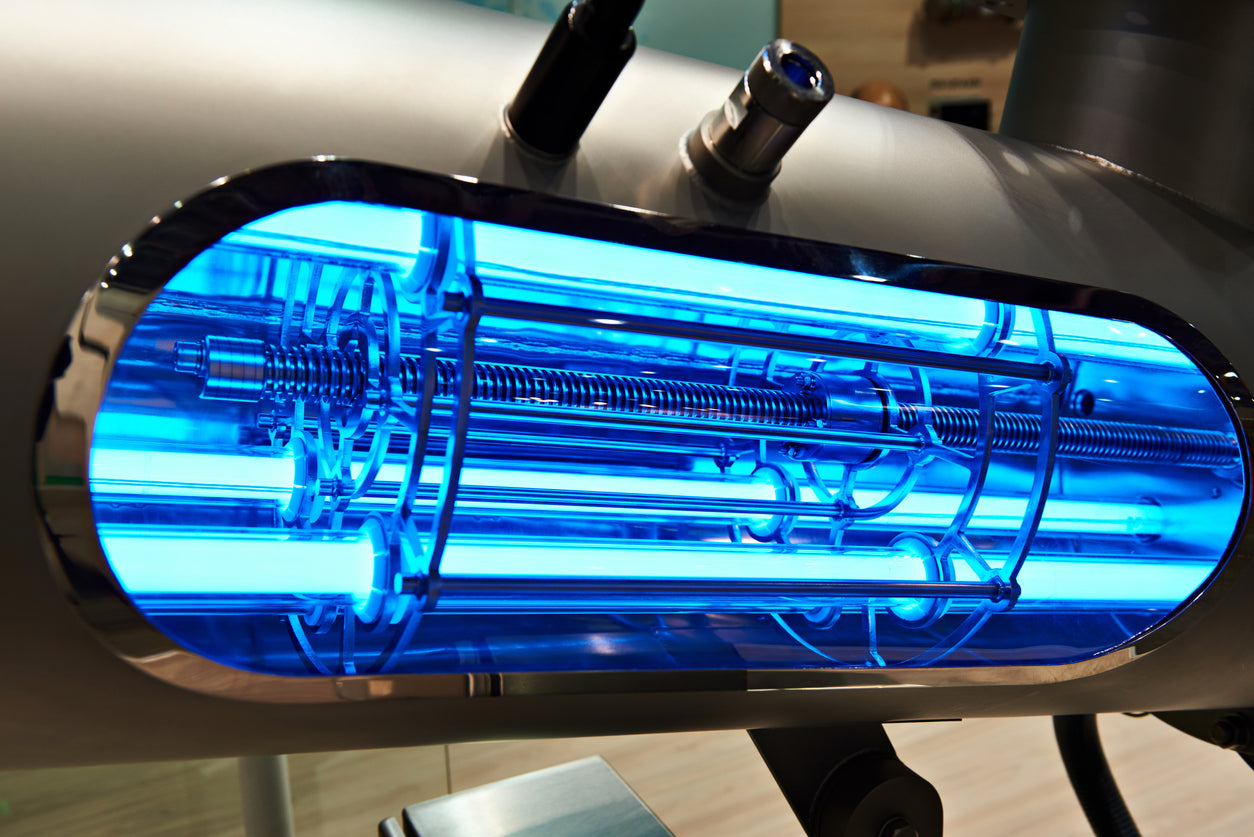
Commercial-Grade Air Purifiers with UV Technology
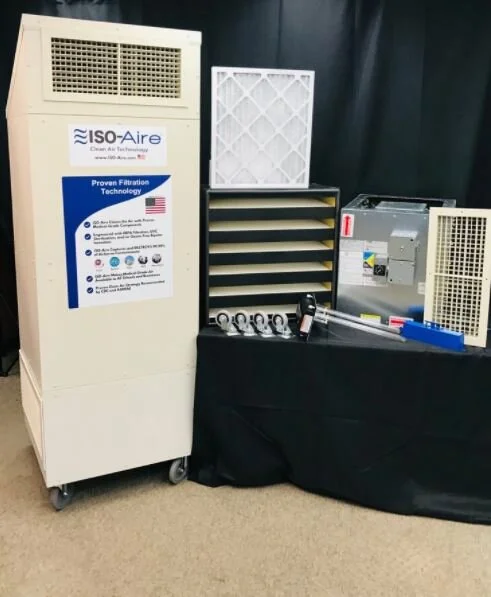
Commercial air purification systems come equipped with germicidal UVC technology alongside medical-grade HEPA filtration with extended filter life spanning 5 to 6 years. These professional units reduce airflow speed through the UVC chamber, allowing sufficient UV energy to effectively neutralize a wide range of harmful pathogens including viruses, bacteria, and mold spores.
The combination of medical-grade HEPA filtration with germicidal UVC creates a comprehensive air purification solution that provides industry-leading protection. Additional options such as ozone-free bipolar ionization can add a third layer of air purification for maximum effectiveness.
Top 3 Considerations When Selecting a Germicidal UV Air Purifier
1
UV Bulb Power Output
2
Exposure Time Duration
3
HEPA Filter Quality
Breathe Cleaner Air Today
Protect your home or business with commercial-grade UV air purification technology designed for maximum effectiveness.
Airpura UV700 Air Purifier