
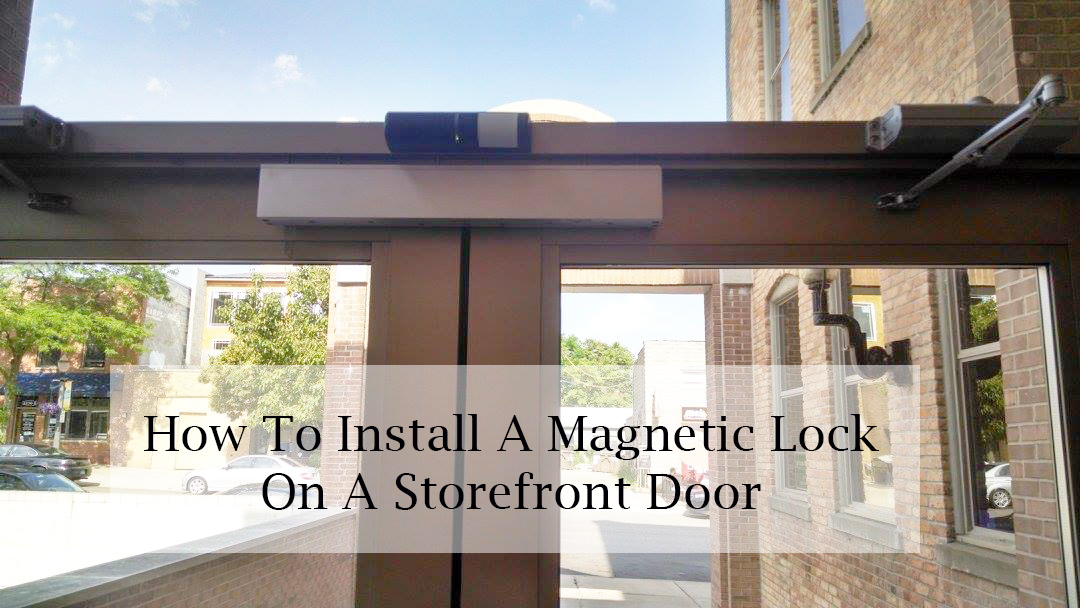
Magnetic locks, commonly referred to as maglocks, have become an essential component of modern commercial security systems. These electromagnetic locking devices provide reliable, keyless entry control for storefront doors, office buildings, and various commercial establishments. Unlike traditional mechanical locks, maglocks use electromagnetic force to secure doors, offering enhanced security and seamless integration with access control systems.
This comprehensive guide will walk you through the complete process of installing a magnetic lock on a storefront door, from understanding the components to final testing and operation.
Components Of A Magnetic Lock
A magnetic lock system consists of several key components that work together to create a secure locking mechanism. The primary element is the electromagnet, which is mounted on the door frame and generates a powerful magnetic field when energized. The armature plate, made of ferromagnetic material, attaches to the door itself and bonds with the electromagnet when the door closes.
Additional components include mounting brackets (available in various configurations such as L-brackets and Z-brackets), a power supply unit, and wiring to connect the system. Many installations also incorporate access control devices like keypads, card readers, or remote controls to manage entry permissions.
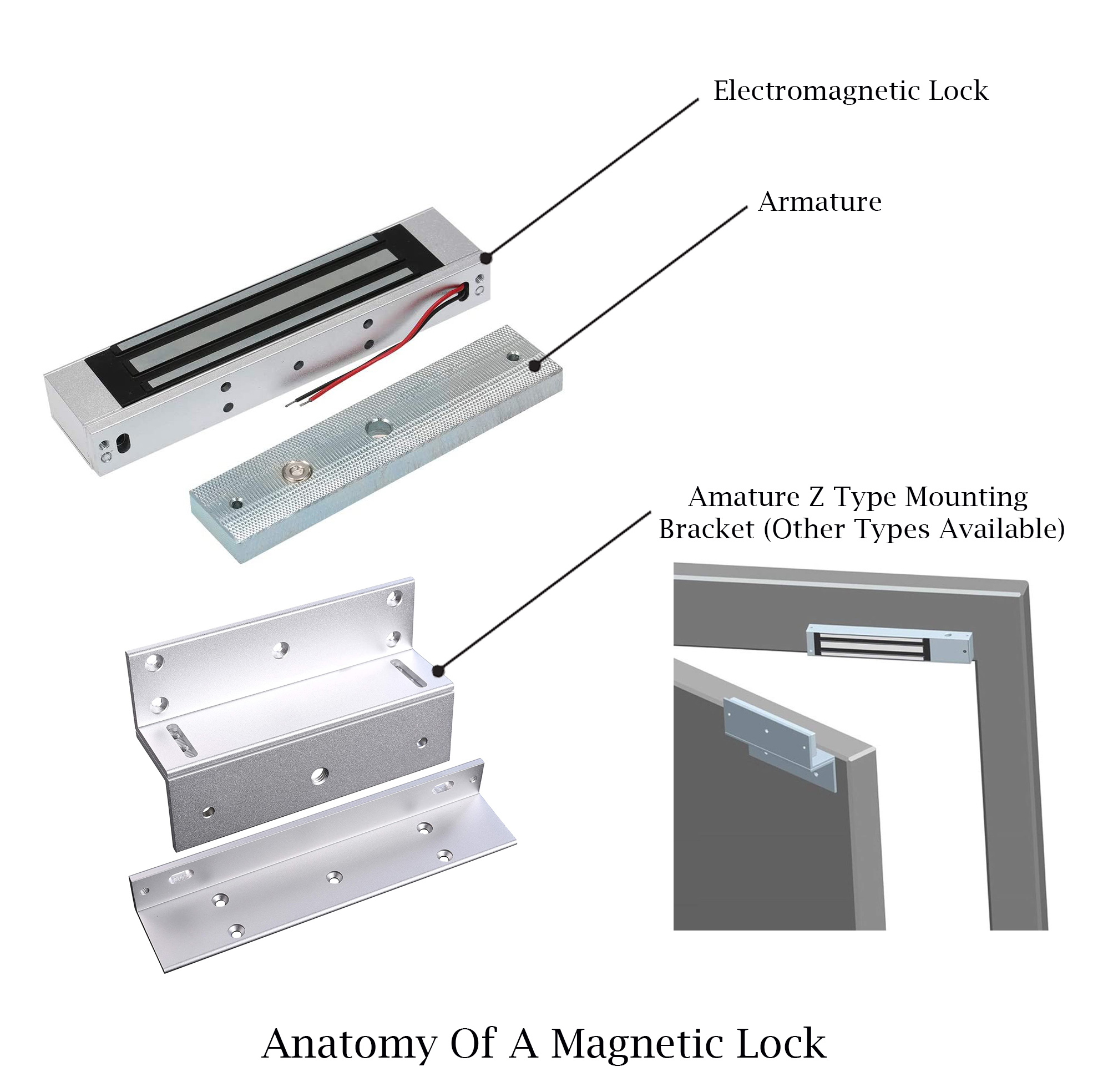
Anatomy Of A Magnetic Lock
Considerations Of A Magnetic Lock System
Pricing
Magnetic lock systems vary significantly in cost depending on holding force, brand quality, and included features. Basic residential-grade units start at lower price points, while commercial-grade systems with higher holding forces and advanced features command premium prices. Consider your security requirements and budget when selecting a system, keeping in mind that investing in quality components typically provides better long-term value and reliability.
Ease Of Installation
One of the advantages of magnetic locks is their relatively straightforward installation process compared to other electronic locking systems. Most maglocks come with comprehensive mounting hardware and clear instructions. However, the complexity can increase depending on door type, frame material, and the integration requirements with existing access control systems. Storefront doors with aluminum frames typically offer easier installation than steel or wooden frames.
Lock System Function
Magnetic locks operate on a fail-safe principle, meaning they unlock when power is removed. This design is essential for fire safety compliance, as it ensures building occupants can exit during emergencies or power outages. When electricity flows through the electromagnet, it generates a strong magnetic field that holds the armature plate firmly against it, typically with holding forces ranging from 600 to 1200 pounds or more for commercial applications.
Installing Your Magnetic Lock System
Follow these detailed steps for a professional installation
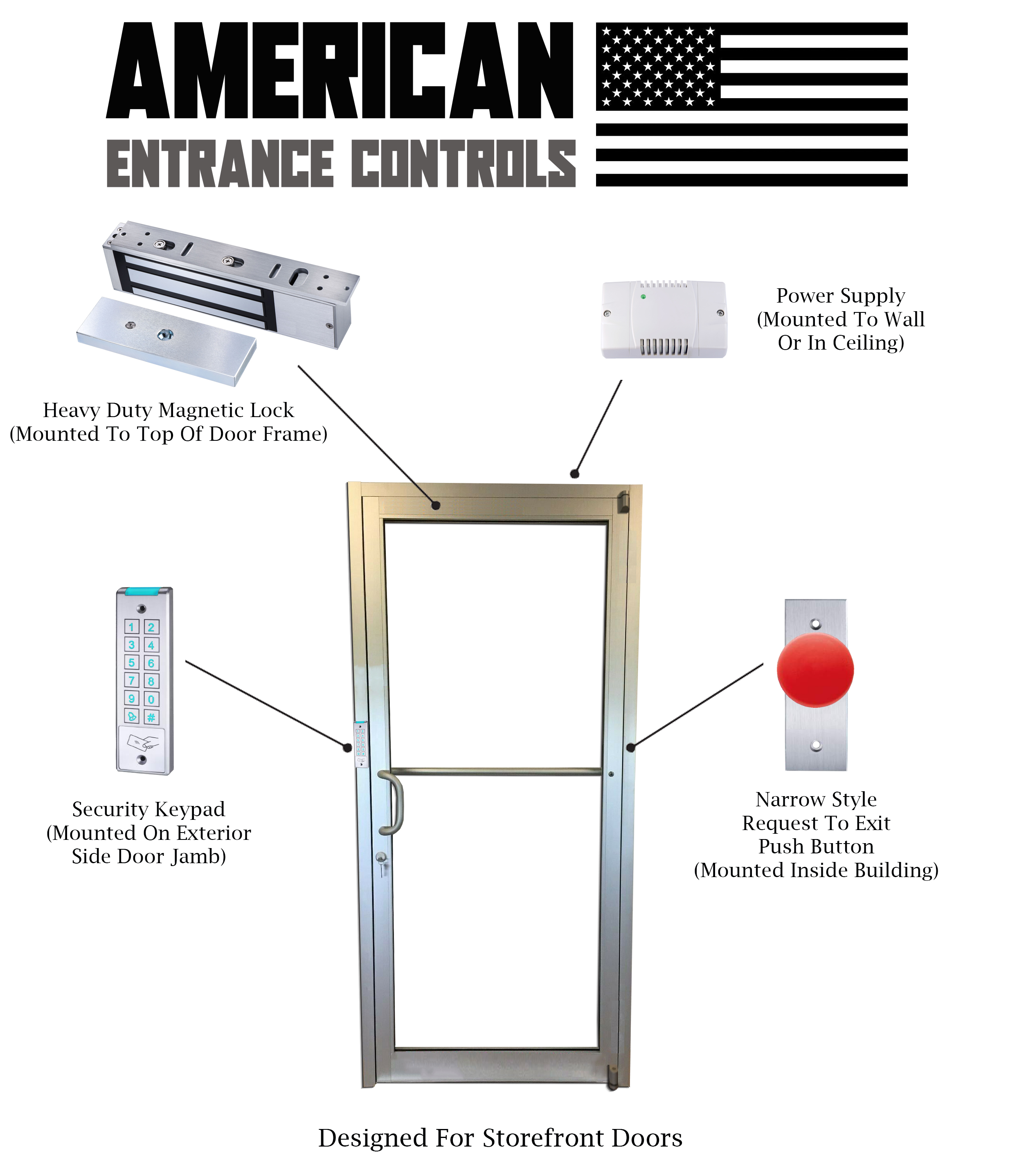
Designed For Storefront Doors
Professional-grade magnetic lock systems engineered specifically for commercial storefront applications
Mounting The Power Supply
Begin by selecting an appropriate location for your power supply unit. The ideal position should be near an electrical outlet, protected from weather exposure, and accessible for future maintenance. Mount the power supply securely using the provided hardware, ensuring it is level and stable. Connect the unit to your building's electrical system following local electrical codes and manufacturer specifications. Most magnetic lock power supplies operate on standard voltage and include built-in transformers to provide the correct output for the lock mechanism.
Route Power Wires and Signal Wires To Proper Location
Carefully plan your wire routing from the power supply to the magnetic lock location. Use appropriate conduit or wire channels to protect cables and maintain a clean, professional appearance. Separate power wires from signal wires where possible to prevent electromagnetic interference. Ensure all wiring runs are concealed within walls, above ceiling tiles, or through designated wire channels. Leave sufficient slack at connection points to facilitate easy installation and future servicing.
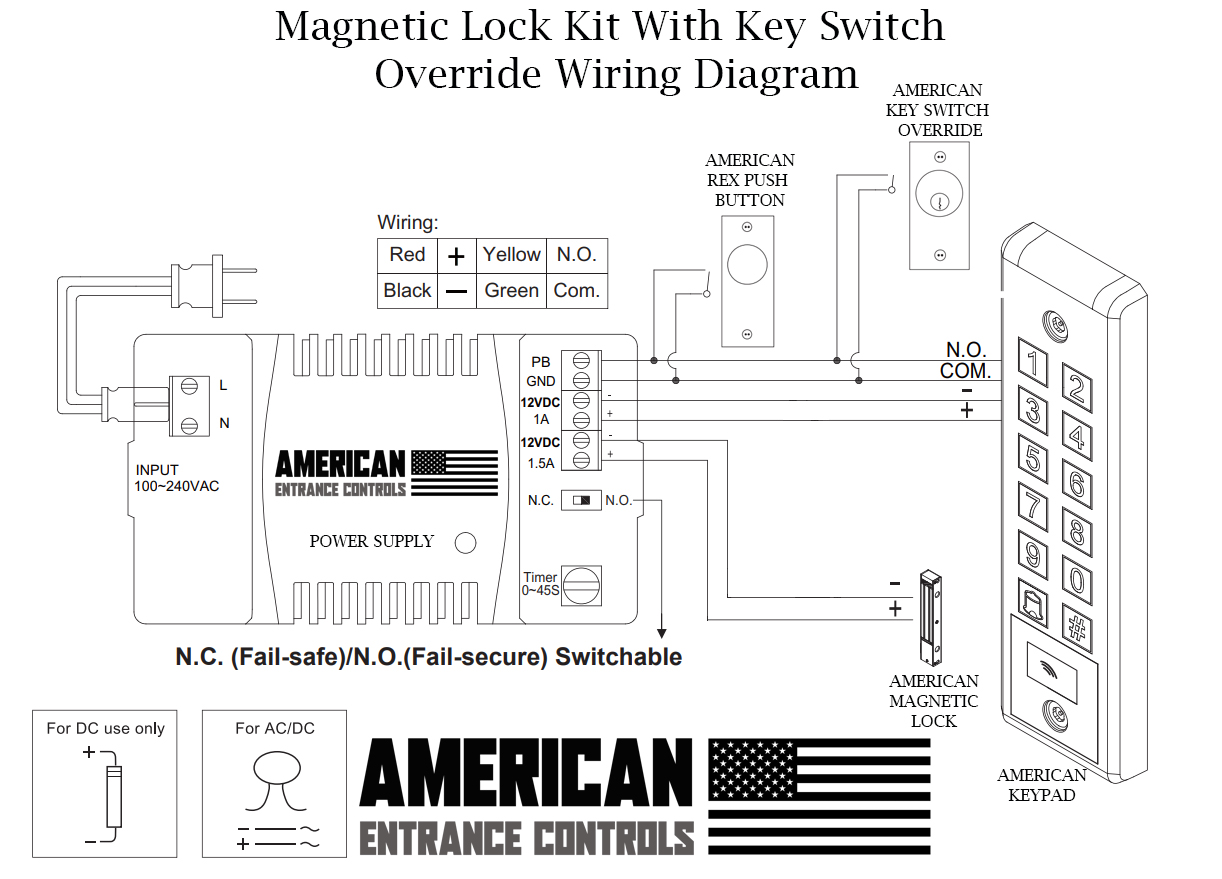
Magnetic Lock Kit With Key Switch Override Wiring Diagram
Wire Color Connections
Understanding the wire color coding is essential for proper installation. Most magnetic lock systems use a standardized color scheme: red wires typically indicate positive power connections, black wires serve as ground or negative connections, and additional colored wires may be used for status monitoring, door position sensors, or integration with access control panels. Always refer to your specific manufacturer's wiring diagram, as color codes may vary between brands and models.
N.C. (Fail-safe) and N.O. (Fail-secure) configurations determine how the lock behaves during power loss. Most storefront applications require fail-safe operation for fire code compliance.
Mount Accessories In Proper Locations
Install access control accessories such as keypads, card readers, and exit buttons in their designated positions. Keypads should be mounted at a comfortable height for users, typically between 42 and 48 inches from the floor. Position exit buttons on the secure side of the door for easy egress. If installing a key switch override, place it in a location accessible to authorized personnel while remaining inconspicuous to the general public. Ensure all accessories are level and securely fastened.
Route Wires To Accessories
Connect wiring from the power supply and control panel to each accessory device. Use wire nuts, terminal blocks, or crimp connectors as appropriate for secure, reliable connections. Follow the wiring diagram specific to your system configuration. Test continuity on all connections before applying power. Label wires at both ends for easy identification during future maintenance or troubleshooting.
Pro Tip: Aluminum Conduit Can Be Used To Conceal The Wire
For a professional finish on storefront installations, aluminum conduit provides excellent wire protection while complementing the appearance of aluminum door frames. This not only enhances aesthetics but also protects wiring from physical damage and tampering.
Connect Accessories To Power Supply
Complete all wiring connections between your accessories and the power supply unit. Double-check polarity on all connections to prevent damage to electronic components. Connect the magnetic lock's power leads to the appropriate terminals on the power supply. If your system includes a door position sensor, connect it to the monitoring circuit. Secure all connections and organize wires neatly within junction boxes or enclosures.
Connect Request To Exit Button: Wire the request-to-exit button in series with the lock circuit to allow free egress from the secure side.
Power Lock System On and Test
Apply power to the system and verify proper operation. The magnetic lock should engage immediately when power is applied, creating a firm bond between the electromagnet and armature plate. Test all access control functions including keypad codes, card readers, and exit buttons. Verify that the lock releases properly when triggered and re-engages when the door closes. Check the holding force by attempting to pull the door open while locked. Program any necessary access codes and configure system settings according to your security requirements.


Conclusion
Installing a magnetic lock on a storefront door is an effective way to enhance security while maintaining convenient access control. By following these installation steps carefully and ensuring all components are properly connected and tested, you can achieve a reliable, professional-grade security solution. Regular maintenance, including cleaning the electromagnet and armature plate surfaces and checking all electrical connections, will ensure your magnetic lock system provides years of dependable service. For complex installations or integration with advanced access control systems, consider consulting with a professional security installer to ensure optimal performance and code compliance.
Upgrade Your Storefront Security
Explore our selection of professional-grade access control solutions designed for commercial applications.
