
Professional-Grade Equipment for Every Workshop and Garage
Understanding Hydraulic Floor Jack Design
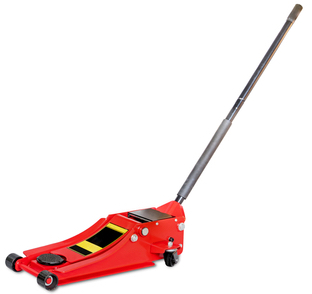
A hydraulic floor jack represents a clever engineering solution for lifting heavy loads with minimal effort. The fundamental concept behind this tool is elegantly simple: by applying force to a smaller piston, you can generate significantly greater force at a larger piston. This mechanical advantage allows a single operator to lift vehicles weighing several tons with relative ease.
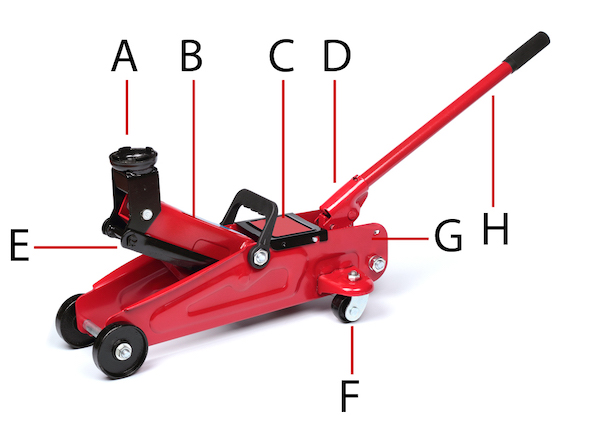
The design typically features two primary components working in harmony. The first is the lever arm, which multiplies the operator's input force. The second element involves two pistons of different sizes connected by a hydraulic fluid pathway. This dual-system approach ensures that even the heaviest loads can be managed safely and efficiently, making these jacks indispensable for automotive work and heavy equipment maintenance.
Material Construction and Build Quality
Hydraulic floor jacks are predominantly constructed from steel or aluminum, each material offering distinct advantages. The material selection doesn't significantly affect the jack's fundamental lifting capacity, but it does influence other important performance characteristics.
Steel Construction
Steel hydraulic floor jacks typically weigh between 50 to 100 pounds, providing exceptional durability. These models are heavier than their aluminum counterparts but offer superior strength for demanding applications. Steel jacks are the preferred choice for charging tasks in professional settings where reliability and longevity are paramount.
Aluminum Construction
Aluminum floor jacks weigh substantially less than their steel counterparts, typically ranging from 30 to 50 pounds. This weight advantage makes them more portable and easier to maneuver, though they come with a higher price tag. The reduced weight doesn't compromise lifting capability, making aluminum jacks ideal for users who require mobility without sacrificing performance. These jacks can handle most garage lifting tasks with ease, particularly when working with various vehicle types.
How Hydraulic Floor Jacks Operate
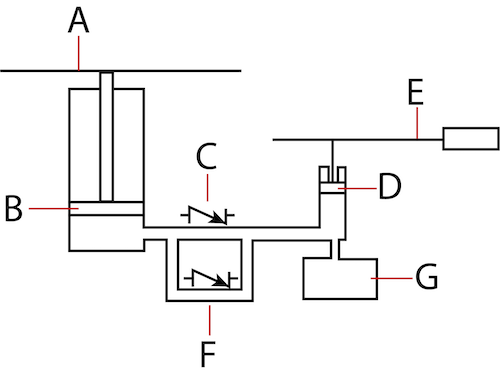
The operation of a hydraulic floor jack is based on Pascal's Law, a fundamental principle of fluid mechanics. This law states that when pressure is applied to a confined fluid, it transmits equally throughout the entire system. In practical terms, this means that force applied to the smaller piston is multiplied when transferred to the larger piston, enabling you to lift weights far exceeding your physical strength.
When you pump the handle of a hydraulic floor jack, you're driving the plunger piston downward. This action forces hydraulic fluid from the reservoir into the cylinder. As fluid enters the cylinder, it pushes against the main piston, causing it to rise and lift the saddle. The saddle makes contact with the vehicle's lift point and continues upward, raising the vehicle safely. The check valve ensures that fluid flows in only one direction, maintaining pressure and preventing the load from dropping unexpectedly.
Lowering the jack involves a simple process: turning the release valve opens a pathway that allows hydraulic fluid to flow back into the reservoir. This controlled release enables the smooth, gradual descent of the load, ensuring safety throughout the operation. The entire system is elegantly designed to provide maximum lifting force with minimal input energy.
Proper Usage Guidelines
Using a hydraulic floor jack correctly is essential for both safety and equipment longevity. Following proper procedures ensures that your lifting operations are conducted safely and efficiently.
Before You Begin
- Inspect the Equipment: Always check your hydraulic floor jack for any visible damage or signs of wear before use.
- Secure the Vehicle: Ensure the vehicle is parked on a level, stable surface with the parking brake engaged.
- Block the Wheels: Place wheel chocks on the side of the vehicle that will remain grounded for added stability.
- Position Correctly: Place the jack saddle close to the designated lift point on the vehicle, ensuring they're easily accessible.
- Release the Valve: Confirm the vehicle is secure by rotating the release valve clockwise before beginning.
After Completion
- Raise and Remove: Pump the hydraulic floor jack back up to slightly lift the vehicle from the jack stands.
- Remove Support Equipment: Carefully remove the jack stands from beneath the vehicle.
- Lower Safely: Slowly rotate the release valve to gradually lower the vehicle back to the ground.
Maintenance and Care Requirements
Hydraulic floor jacks require consistent preventive maintenance to ensure optimal performance and longevity. Regular care prevents common issues such as improper lifting, inspection failures, and hydraulic leaks. These jacks must receive proper storage conditions, periodic inspections, and routine maintenance to maintain their reliability and safety standards.
Store your hydraulic floor jack in a clean, dry environment to prevent rust and corrosion. Regularly inspect all components for wear or damage, paying special attention to seals, valves, and the hydraulic cylinder. Keep moving parts properly lubricated and check hydraulic fluid levels periodically, topping off as needed with the manufacturer's recommended fluid. Address any leaks immediately to prevent system failure and maintain lifting capacity.
Hydraulic Floor Jack vs. Bottle Jack Comparison
When selecting the right jack for your needs, understanding the differences between hydraulic floor jacks and bottle jacks is crucial. While both operate on similar hydraulic principles, they offer distinct advantages for different applications.
Hydraulic Floor Jacks
These jacks feature a horizontal design with wheels, making them highly maneuverable around the workspace. They can lift vehicles from floor level and provide excellent stability throughout the lifting operation.
Best for: General automotive work, tire changes, and situations requiring frequent positioning adjustments.
Bottle Jacks
Featuring a vertical, compact design, bottle jacks offer portability and the ability to fit in tight spaces. They typically provide greater lifting capacity in a smaller package, though they require more ground clearance to position initially.
Best for: Off-road situations, limited storage spaces, and lifting heavier loads where maximum capacity is needed.
Important Consideration: Hydraulic floor jacks can lift vehicles from floor level and move easily around the workspace, while bottle jacks offer more lifting capacity in a compact form but require initial ground clearance. Choose based on your specific application needs and workspace constraints.
Upgrade Your Workshop Today
Experience professional-grade lifting performance with our premium hydraulic floor jack solution
AMGO RJ-8A Pneumatic JackBackyard Provider - Your Trusted Source for Professional Equipment