
Exploring the science and effectiveness of wine coolers for maintaining perfect beverage temperatures during outdoor entertaining
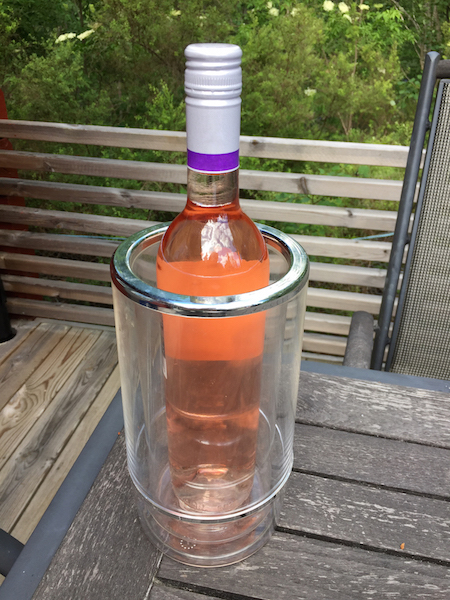
Wine coolers typically consist of an open acrylic cylinder featuring air-filled double walls. The double-wall construction provides thermal insulation, which prevents warm air from reaching the beverages inside. This elegant design creates a barrier that helps maintain the temperature of chilled bottles, making wine coolers popular accessories for outdoor entertaining, patio gatherings, and backyard events where keeping beverages properly chilled enhances the overall experience.
How Wine Coolers Maintain Temperature
First, you place a chilled bottle in the wine cooler. It must be cool, as this then prevents the temperature from rising too excessively quickly. The bottle creates a pool of cold air, and because the density of colder air is higher than that of warmer air, the cooler air stays inside the wine cooler. The air in the insulating walls is slightly warmer than the air surrounding the bottle, but cooler than the air surrounding the cooler. The walls prevent the exterior warm air from reaching the beverage contained within the inner chamber of the cooler.
This temperature maintenance system works through basic thermodynamic principles. The air trapped between the double walls acts as an insulator, significantly slowing heat transfer from the warmer external environment to the cooler interior space where your beverage rests. This passive cooling approach requires no electricity or additional cooling mechanisms, making wine coolers elegantly simple yet remarkably effective for short-to-medium duration outdoor entertaining sessions.
Testing Wine Cooler Effectiveness
I performed a quick test at home by measuring the air temperature inside my wine cooler with the chilled bottle inside. The temperature measurements confirmed that the temperature inside the cooler stays noticeably lower than the outside ambient temperature for several hours, indicating that this type of simple wine cooler works—at least initially. According to some wine cooler manufacturers, these coolers should keep your wine cool for at least an hour (even up to three hours) without requiring any additional cooling method, such as ice cubes or a refrigeration system.
To evaluate if a wine cooler can keep a beverage cold for a certain amount of time, we first need to determine how much time we're talking about. We also need to define what we mean by "cold." White wine, for example, has a typical recommended serving temperature that varies between 45°F and 55°F (roughly 7°C to 13°C). Since this wine is the glass when served, I would say that 50°F (10°C) is a suitable limit, above which the beverage is no longer considered properly chilled for optimal enjoyment.
The Science Behind Wine Cooler Design
The cylindrical shape of wine coolers and their material composition work together to maximize thermal insulation efficiency. The air-filled double walls create dead air space—stationary air that serves as one of nature's best insulators because it cannot convect or transfer heat efficiently. This trapped air layer dramatically slows the rate at which external heat penetrates to the beverage inside.
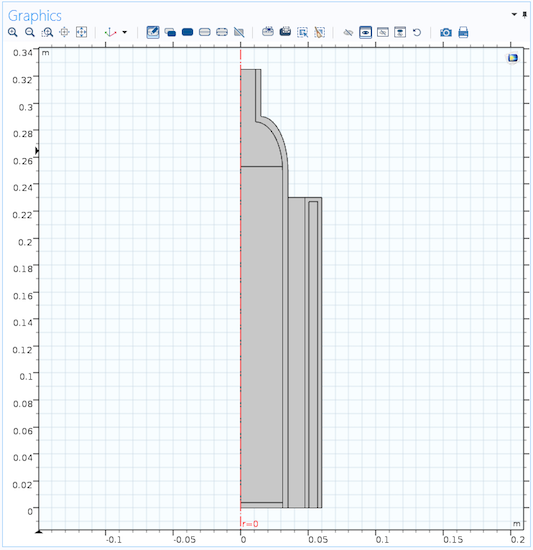
The model geometry for understanding wine cooler performance includes the beverage in the bottle, the bottle itself, the air inside the cooler, the cooler walls, and the insulating pocket of air in between the inner and outer cooler walls. Each component plays a specific role in the overall thermal management system, with material properties and geometric dimensions carefully balanced to optimize temperature retention.
Heat transfer occurs in all parts of the cooler setup, modeled as heat transfer in solids (heat conduction in the glass and plastic) and heat transfer in fluids (heat conduction and convection in the beverage and air). To model the more active natural convection around the bottle because the bottle walls and the cooler walls have different temperatures, the air between the bottle and the cooler walls experiences temperature-driven circulation that affects cooling performance.
Factors Affecting Wine Cooler Performance
Initial Beverage Temperature
The starting temperature of your beverage critically impacts how long the wine cooler maintains proper chilling. Bottles that begin at refrigerator temperature (around 40°F) will stay in the optimal serving range significantly longer than bottles starting at room temperature. Always chill beverages thoroughly before placing them in wine coolers for best results.
Ambient Temperature Conditions
External environmental temperature dramatically affects wine cooler effectiveness. On mild days with temperatures around 70-75°F, coolers perform admirably for extended periods. However, during hot summer weather exceeding 85-90°F, the temperature differential increases stress on the insulation system, reducing effective cooling duration considerably.
Direct Sunlight Exposure
Radiant heat from direct sunlight poses the greatest challenge to wine cooler performance. Even the best-insulated coolers struggle when exposed to intense solar radiation. For optimal performance, position wine coolers in shaded areas during outdoor gatherings—under umbrellas, awnings, or natural shade from trees and structures.
Bottle Size and Material
Standard 750ml wine bottles work optimally with most wine coolers, as the designs specifically accommodate their dimensions. Larger bottles contain more thermal mass, which helps maintain temperature longer once chilled, while the glass material itself provides some additional insulation compared to thinner containers.
Frequency of Bottle Removal
Each time you remove the bottle from the cooler for pouring, you introduce warm external air into the cooling chamber and expose the bottle to ambient temperatures. Minimizing these disturbances by keeping bottles in coolers between pours extends effective cooling duration significantly.
Upgrade to Professional Wine Storage
Experience superior temperature control with dual-zone wine coolers designed for serious collectors and entertainers
24" Dual Zone Wine CoolerMaximizing Wine Cooler Effectiveness
To get the most from your wine cooler during outdoor entertaining, follow these proven strategies that extend cooling duration and maintain optimal serving temperatures:
Pre-Chill Thoroughly
Refrigerate bottles for at least 3-4 hours before your event, bringing them to proper serving temperature before placing them in coolers. This preparation ensures maximum cooling duration and optimal flavor from the moment you open each bottle.
Strategic Placement
Position coolers away from direct sunlight and heat sources like grills or fire pits. Shaded areas under umbrellas or covered patios provide ideal locations that significantly extend effective cooling periods while protecting beverages from thermal stress.
Multiple Bottle Rotation
For extended gatherings, keep backup bottles refrigerated and rotate them into coolers as needed rather than leaving all bottles in coolers for the entire event. This rotation maintains consistently cool serving temperatures throughout your entertaining period.
Ice Enhancement Option
For particularly hot conditions or extended outdoor events, consider adding ice to the space between the bottle and cooler walls. This supplemental cooling dramatically extends the effective duration, though it somewhat defeats the simplicity that makes basic wine coolers appealing for casual entertaining.
Clean and Dry Between Uses
Moisture inside coolers can promote condensation that actually aids heat transfer rather than preventing it. After each use, wash coolers thoroughly and allow them to dry completely before storage, ensuring optimal insulation performance for your next gathering.
Wine Coolers vs. Refrigerated Wine Storage
While passive wine coolers serve admirably for short-term outdoor entertaining, serious wine enthusiasts and frequent hosts eventually discover the limitations of relying solely on insulated containers. Refrigerated wine coolers and dedicated wine storage units offer active temperature control that maintains precise conditions indefinitely, making them superior choices for long-term storage, extensive collections, or situations requiring guaranteed temperature consistency.
Dual-zone wine refrigerators provide distinct temperature zones for simultaneously storing red and white wines at their respective optimal temperatures. This versatility eliminates the compromise inherent in single-temperature storage, ensuring each bottle reaches its full flavor potential when served. The consistent humidity control and vibration dampening features protect wine quality during extended aging periods that passive coolers cannot support.
For backyard entertaining spaces, outdoor kitchens, or home bars, built-in or freestanding wine refrigerators transform from luxury items into practical necessities. They eliminate the pre-chilling preparation, provide instant access to properly-temperatured wines, and create impressive focal points that elevate outdoor entertaining areas from simple patios into sophisticated gathering spaces worthy of the finest wines you serve.
Elevate Your Outdoor Entertaining
Wine coolers serve valuable roles for casual outdoor entertaining, providing simple, effective temperature maintenance for short-duration gatherings without requiring electricity or complex equipment. Understanding how they work and their limitations helps you use them effectively while recognizing when to upgrade to refrigerated storage solutions that deliver superior performance. Whether you're hosting intimate patio dinners or large backyard celebrations, proper beverage temperature management enhances guest experiences and showcases your wines at their flavorful best. At Backyard Provider, we're committed to helping outdoor entertaining enthusiasts discover equipment that elevates their hosting capabilities, impresses guests, and creates the memorable gatherings that bring people together over perfectly chilled beverages. The journey to exceptional outdoor entertaining begins with understanding your options—and choosing the wine storage solutions that match your hosting style and ambitions.