
5 Essential Rules for Selecting the Perfect Equipment for Your Operations
Manual pallet trucks, commonly known as hydraulic pallet jacks, represent one of the most fundamental and widely-used pieces of material handling equipment in modern warehousing and logistics. These versatile tools are found in virtually every industry that deals with moving palletized goods, from retail stockrooms to manufacturing facilities and distribution centers.
The popularity of manual pallet jacks stems from their remarkable versatility and practicality. They offer high load capacity for heavy-duty handling tasks while maintaining a compact, space-efficient design. These units are lightweight and easy to maneuver, even in tight spaces, and require minimal maintenance compared to powered alternatives. A quality manual pallet jack can provide years of reliable service with proper care.
Understanding the essential functions and features of manual pallet jacks helps you select the right equipment for your business needs. Here are five key principles to guide your purchasing decision and ensure you invest in a high-quality pallet truck.
Avoid Paying for Unnecessary Features
When selecting a manual pallet truck, adopt a practical "right-sizing" procurement strategy. Begin by accurately assessing your daily maximum load requirements rather than randomly selecting equipment based on impressive specifications alone.
Standard load limits of 5,000 lbs are suitable for most operations, while heavy-duty models of 6,600 lbs or more serve industrial applications. It's important to note that each incremental increase in load capacity often leads to an exponential rise in equipment cost.
Our advice is to customize to your specific needs. As long as your actual operational requirements are met, there's no need to over-specify. For example, if your daily maximum load is only 3,000 lbs, opting for a 5,500-lb model may seem like a "safe" choice, but in reality, you'd be paying a premium for capacity you'll never use. Such over-engineering not only wastes upfront procurement funds but may also increase long-term maintenance costs.
Determine the Required Pallet Truck Width, Length, and Lift Height
When selecting a manual pallet jack, determining the appropriate dimensions should be based on actual operational needs. The standard size of 27 inches (width) × 48 inches (length) is compatible with most 48"×40" standard pallets. Thanks to economies of scale, this universal size offers a clear cost advantage in terms of value for money.
However, we also recognize that specialized working conditions often require customized solutions. The same applies to lift height selection—while conventional models with a lifting range of 3 to 7.5 inches meet most needs, low-profile and ultra-low-profile pallet trucks with a minimum height of 1.75 inches are available for unique operational scenarios.
We recommend making selections based on real-world usage environments and job requirements. Although reasonable non-standard customization may increase initial costs, it can deliver long-term value by improving operational efficiency and reducing equipment wear when precisely matched to application needs.
Determine Your Manual Pallet Truck Usage Frequency
When selecting a manual pallet truck, usage frequency is a critical factor to consider. Whether it's for single daily operations, round-the-clock continuous use, or occasional monthly tasks, different intensity levels place distinct demands on equipment performance.
The durability of a manual pallet truck largely depends on the manufacturing quality of its key components, particularly the load rollers and steering wheels, which directly determine long-term stability and reliability. Quality pallet trucks feature high-grade nylon rollers that not only provide excellent wear resistance but also prevent marking during operations, making them ideal for sustained high-intensity work environments.
For lighter workloads, you may opt for pallet trucks with polyurethane rollers and wheels. While more affordable, these have a shorter lifespan when overused. Saving $100 now isn't worth the risk of being left without a functional pallet truck during critical deliveries.
Know the Real Manufacturer of Your Pallet Truck
What you see isn't always what you get. The brand logo displayed on your pallet truck often isn't its actual manufacturer. Many material handling companies simply slap their labels on generic equipment to obscure the true origin—a common tactic used when sourcing from ultra-cheap, low-quality suppliers while marketing these as premium products.
Here's the harsh reality: if you've purchased pallet trucks from certain high-profile material handling websites, there's a good chance you've acquired their rebranded, substandard equipment that may require replacement within a year. We receive daily calls from frustrated customers whose trucks failed prematurely—a direct result of this deceptive practice. Always research the actual manufacturing source before making your purchase.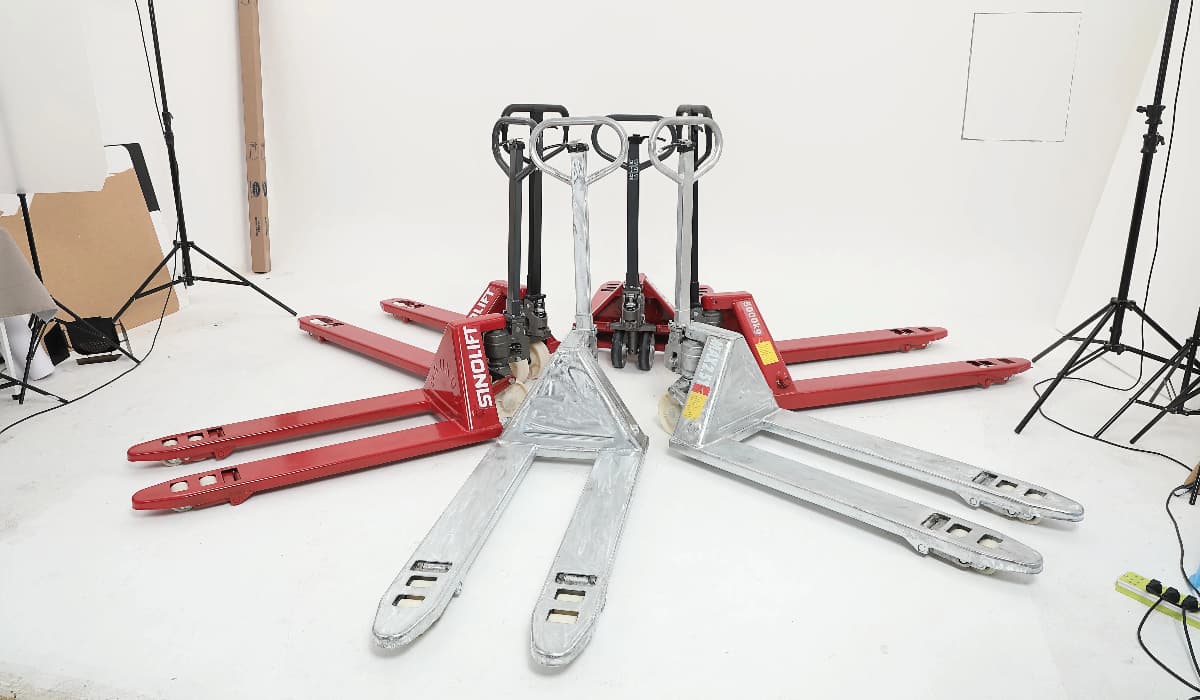
Understand Your Warranty and Its Real Value
What's the true goal of purchasing a pallet truck? What qualifies as a smart buy? The answer is simple: you want a product that performs exceptionally well for your needs, lasts for years, and comes at the most competitive price, right? A strong warranty is the only real way to ensure your pallet truck meets these criteria for a quality purchase.
With a reliable warranty, you'll never find yourself in the frustrating position of accepting orders or making deliveries without proper equipment. Additionally, always scrutinize the warranty terms before buying. Many companies offer vague warranties that only cover replacements for major damages or defects.
A good warranty should provide at least one year of coverage from the date of purchase and include replacements for critical components like the pump mechanism, often referred to as a "pump warranty." This ensures you're protected against the most common and costly failures.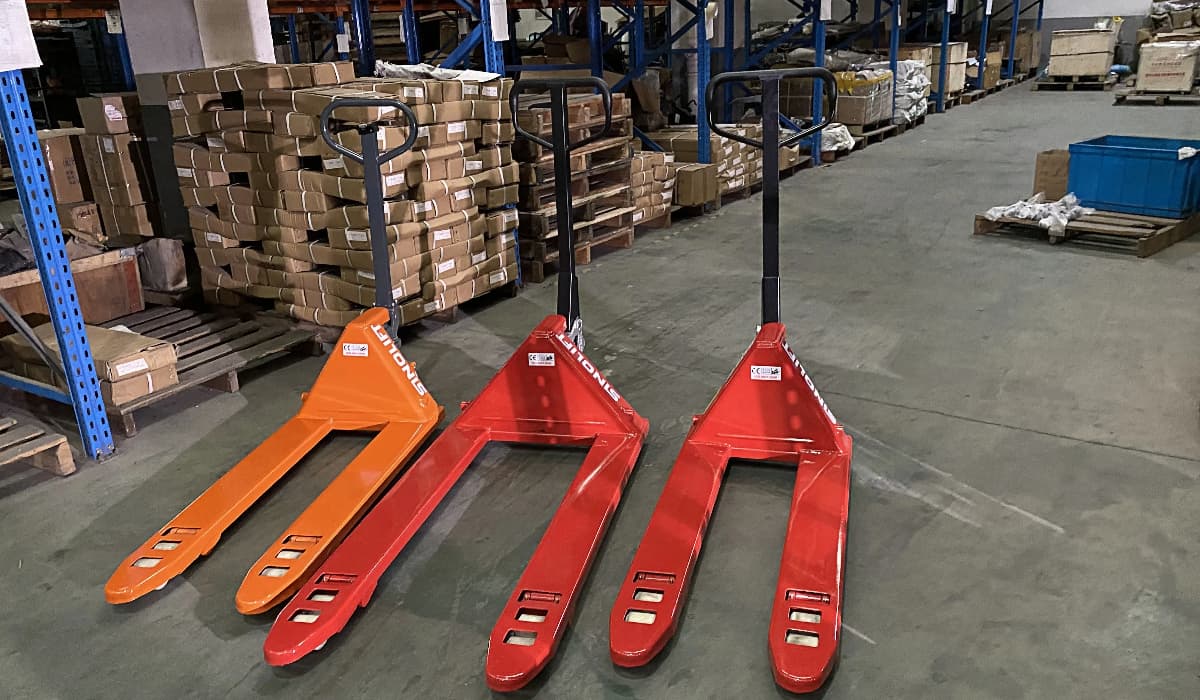
Making Your Final Decision
When purchasing pallet trucks, please keep these key points in mind. We recommend directly asking suppliers these critical questions—a responsible supplier should be able to provide clear and straightforward answers. In fact, the prevalence of substandard products in the market is far more common than you might imagine.
We advise carefully evaluating the long-term value of the product before making your final decision, rather than being misled by superficially low prices. After all, a truly high-quality pallet truck should become a reliable long-term partner in your operations, not a constant source of trouble and unexpected expenses.
Ready to Invest in Quality Equipment?
Discover our premium selection of manual pallet jacks built for durability and performance.
Apollolift 6600 lbs Pallet JackFor businesses with legitimate heavy-load requirements, investing in higher-capacity models is justified. The key is to make data-driven decisions based on accurate, real-world operational needs, avoiding the trap of "specification wars" in procurement. That said, for businesses with legitimate heavy-load requirements, investing in higher-capacity models not only yields upfront procurement funds but may also increase long-term maintenance benefits.