
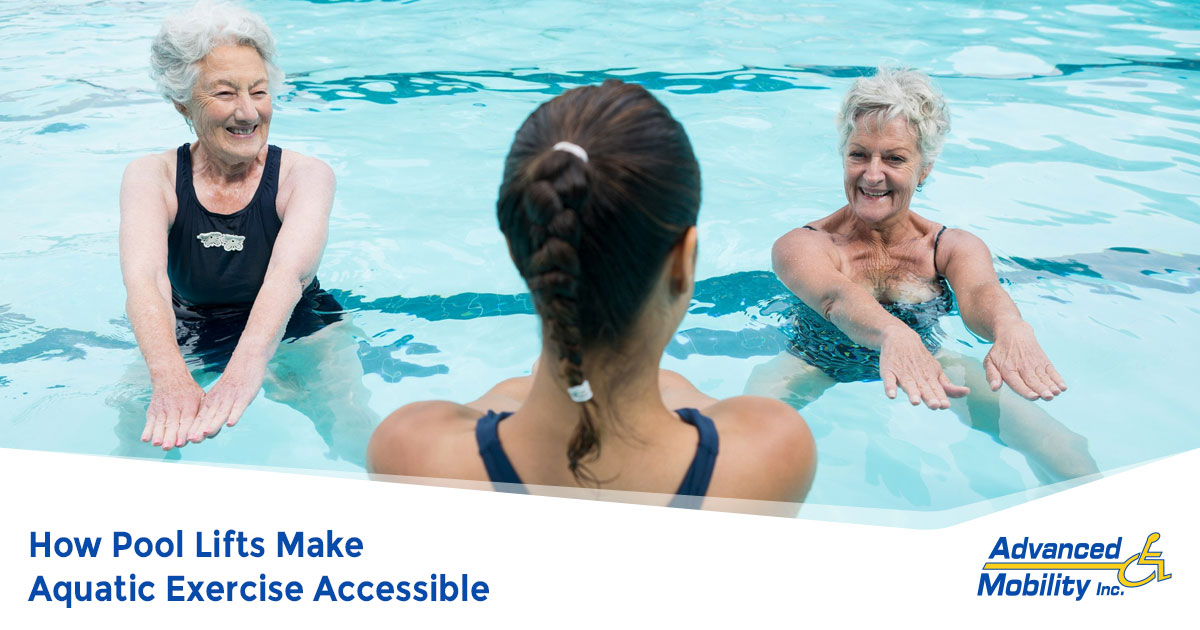
Water-based exercise stands out as one of the most rewarding and low-impact forms of physical activity available. Yet for many individuals, particularly those dealing with limited mobility or chronic conditions, the simple act of getting into and out of a pool can feel like an insurmountable barrier. That's precisely where pool lifts step in.
Pool lifts are purpose-built accessibility tools designed to bridge the gap between you and the water. These devices make it possible for people living with disabilities, recovering from surgery, or managing age-related challenges to enjoy swimming and aquatic therapy safely. By offering a stable, supported way to enter and exit a pool, they open the door to a world of health benefits that might otherwise remain out of reach.
Independence, comfort, and confidence — pool lifts deliver all three while dramatically lowering the risk of slips, falls, and injuries around the pool area.
What Is A Pool Lift?
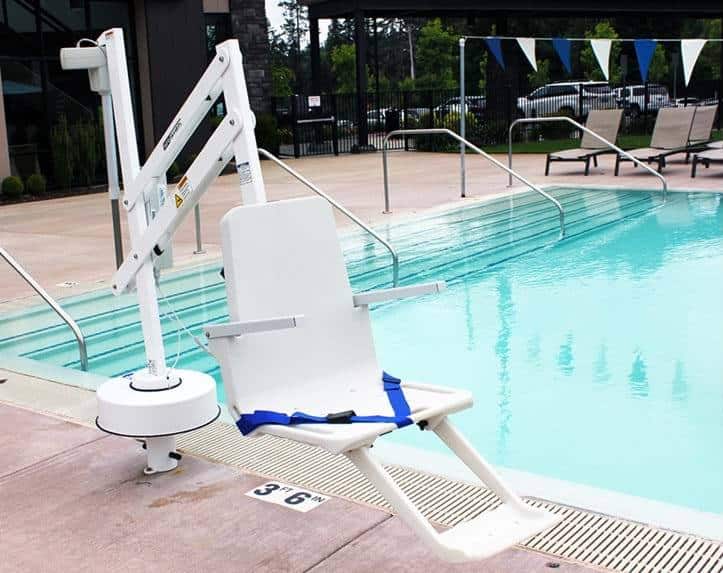
A pool lift is a mechanical or powered device specifically engineered to help individuals safely transition in and out of a swimming pool. They come in a variety of styles, but the core purpose remains the same — providing secure, dignified water access for those who need it most.
Typically featuring a supportive seat, armrests, and footrests, these units are designed with both safety and comfort at the forefront. Whether battery-operated, hydraulic, or manually powered, every pool lift is built to significantly reduce the chance of accidents during pool entry and exit.
Pool Lifts For Home Use
More and more South Florida homeowners are recognizing the value of having a pool lift installed at their residence. Whether the goal is to make swimming accessible for a loved one, simplify rehabilitation routines, or simply create a more inclusive backyard environment, a residential pool lift can be a life-changing investment.
Why consider a residential pool lift?
Features To Look For In A Pool Lift
Not all pool lifts are made equal, so when you're shopping for one, it's important to consider the features that matter most for your particular situation:
Weight Capacity
Look for a lift that accommodates at least the heaviest intended user, with room to spare for safety.
Ease of Operation
It should not be difficult to operate independently, offering simple controls that anyone can use.
Durability
The materials need to withstand constant exposure to pool water chemistry. Stainless steel and marine-grade components are essential.
Safety Features
Pool lifts should have clear fail-safe systems — locking mechanisms, seat belts, supportive armrests, and stable bases are all must-haves.
Pool Lifts & ADA Compliance
In the United States, public facilities — such as hotels, recreation centers, and community pools — are required by law to provide accessible means of pool entry for individuals with disabilities. The Americans with Disabilities Act (ADA) sets clear standards for this, including requirements around seat height, lifting capacity, footrest design, and armrest configuration.
Meeting these standards isn't just about following the law — it's about ensuring that every person who wants to enjoy the water has the ability to do so safely and comfortably. For businesses, compliance also means avoiding potential penalties and demonstrating genuine commitment to inclusion.
Enhance Accessibility and Wellness with a Pool Lift Installation
With the right pool lift in place, aquatic environments become open to everyone. Physical therapy clinics, senior living communities, hotels, and even private homeowners are finding that these installations pay for themselves many times over in improved quality of life.
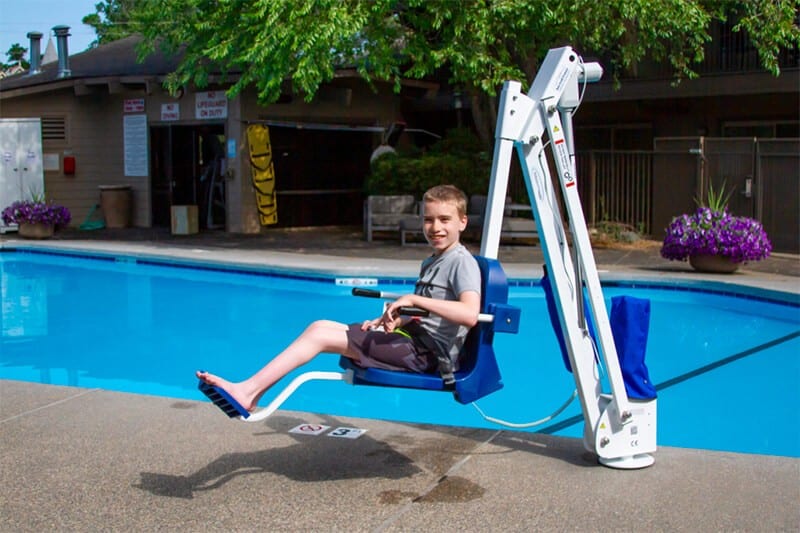
By installing a pool lift, you're building a space that welcomes and empowers. Whether it's helping a parent maintain mobility through gentle exercise, offering a child the joy of swimming, or allowing an athlete to recover safely through water-based rehabilitation — a pool lift makes it all possible.
3 Types Of Pool Lifts
Different environments and different needs call for different types of pool lifts. Here's a breakdown of the three main categories you'll encounter:
Fixed Lifts
Permanently anchored into the pool deck, fixed lifts offer the highest level of stability. They don't move once installed, making them ideal for high-traffic areas like public pools and therapy centers where reliability is paramount.
Portable Lifts
These lifts can be moved and repositioned when not in use. They're an excellent choice if you need flexibility — perhaps for a seasonal pool setup or a facility that requires clear deck space at times. While slightly less rigid than fixed options, portable lifts still provide strong, reliable support.
Manual Lifts
Manual pool lifts don't rely on batteries or electricity. They operate through simple mechanical action, which makes them cost-effective and low-maintenance. However, they do require some physical effort from a caregiver or the user, so they're best suited for situations where that's not a concern.
Each type of lift follows a different operating process, and the right choice ultimately depends on the user's needs, the pool layout, and how the lift will be used day-to-day.
Health Benefits Of Aquatic Exercise
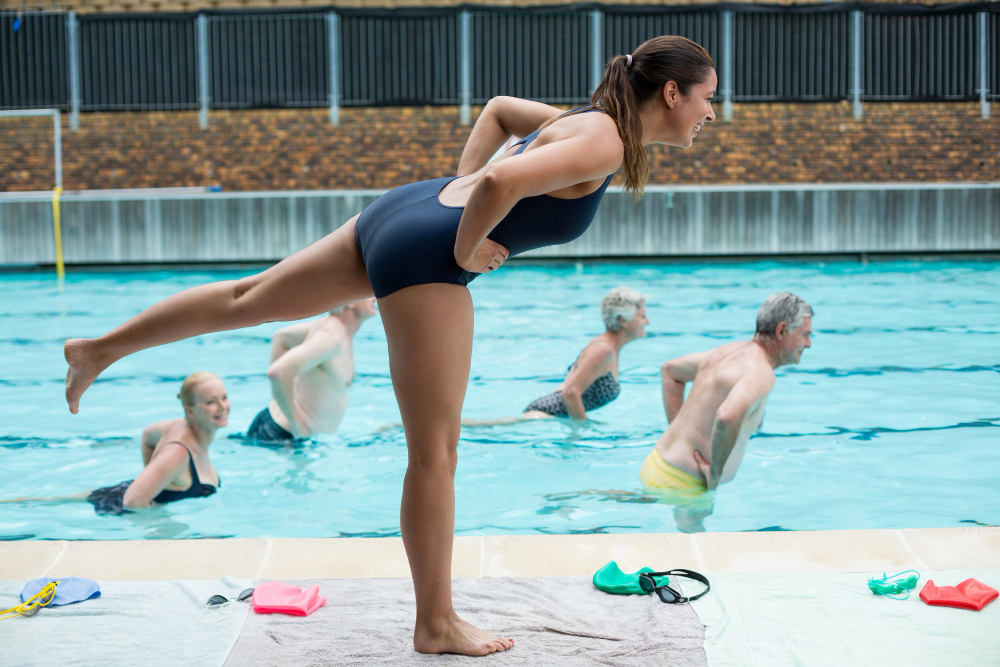
Swimming is far more than just a fun activity on a warm afternoon. It's widely recognized as one of the most effective forms of low-impact exercise available. Pool lifts give everyone the opportunity to unlock these benefits, regardless of physical limitations.
❤️ Cardiovascular Health
Aquatic exercise strengthens the heart, improves blood circulation throughout the body, boosts overall endurance, and helps regulate blood pressure levels.
💪 Joint & Muscle Health
Water provides natural resistance without the harsh impact. This makes it perfect for building muscle strength gradually, relieving stiffness, and increasing overall range of motion in affected joints.
⚖️ Balance & Coordination
The buoyancy of water strengthens core stability and encourages controlled movement, which helps improve balance and coordination — skills essential for daily life.
🧠 Mental & Emotional Well-being
Time in the water is known to lower stress and anxiety, promote deeper and more restful sleep, and build a powerful sense of independence and personal confidence.
Pool lifts are the key that allows individuals who have historically been excluded from these advantages to finally access a pool and experience all the health benefits that come with it.
Who Can Benefit From A Pool Lift?
Pool lifts are valuable for a far wider group than most people realize. If you're active in any of the following communities, a pool lift could make a significant difference:
Where Pool Lifts Are Used
You'll find pool lifts making a meaningful impact in settings all around the country. As awareness of inclusive design continues to grow, more facilities and homeowners are adding them:
Public Pools
Hotels & Resorts
Rehab Clinics
Therapy Centers
Senior Living
Residential Homes
With the growing awareness of accessible design principles, more places are beginning to install pool lifts as a standard feature rather than an afterthought.
Benefits For Businesses & Communities
Installing a pool lift doesn't just benefit individuals — it delivers real value for businesses and the wider community alike. It's a smart investment from both a human and a financial standpoint.
For Businesses
Attract a broader customer base, improve guest satisfaction scores, ensure full regulatory compliance, and elevate your brand's reputation as an inclusive establishment.
For Communities
Provide equal access for all residents, encourage healthy outdoor living, strengthen community engagement, and offer practical support for individuals recovering from injuries or managing ongoing conditions.
Making your pool accessible isn't just an upgrade — it's a commitment to wellness, independence, and inclusion for everyone in your life.
BACKYARD PROVIDER — Making Your Outdoor Living Dreams a Reality