
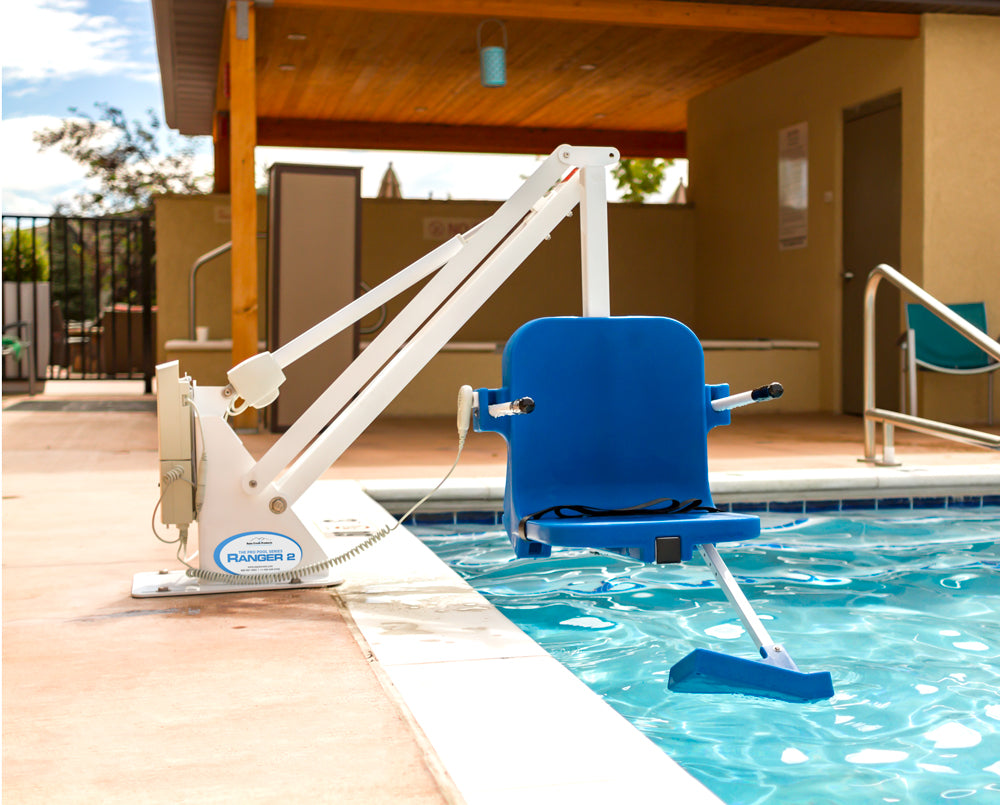
Swimming is one of the most enjoyable and therapeutic activities available, yet for millions of individuals with mobility challenges, getting in and out of a pool can be a significant barrier. Pool lifts have emerged as essential equipment that bridges this gap, providing safe and dignified water access for people of all ability levels. Whether you manage a public aquatic center, run a hotel with a pool, or simply want your backyard oasis to be welcoming for everyone, understanding pool lifts is key to making informed decisions.
In this comprehensive guide, we break down everything from federal accessibility regulations to the various types of pool lifts on the market, helping you find the perfect solution for your specific needs and budget.
ADA Requirements for Swimming Pools
The Americans with Disabilities Act (ADA) sets forth clear guidelines to ensure that swimming pools and aquatic facilities are accessible to individuals with disabilities. These regulations apply to virtually all public and commercial pool operators, including hotels, recreation centers, fitness clubs, and community pools.
Key ADA Pool Accessibility Standards:
✦ Pools must provide at least one accessible means of entry, with a pool lift being the most commonly accepted solution.
✦ Larger pools (over 300 linear feet of wall) are required to have a minimum of two accessible entry points.
✦ Pool lifts used for ADA compliance must be fixed or capable of independent operation by the user.
✦ The seat of the pool lift must be able to submerge to a depth of at least 18 inches below the waterline.
Failing to comply with ADA pool accessibility standards can result in legal consequences, fines, and — most importantly — a failure to serve your community. A properly installed pool lift not only keeps you in compliance but also opens your facility to a broader group of swimmers who deserve equal access to aquatic recreation.

Do Commercial Pools Need to Provide an Accessible Means of Entry and Exit?
The short answer is yes. Any pool that is open to the public or operated as part of a commercial establishment is required to provide accessible entry and exit. This includes hotels, motels, resorts, water parks, public recreation facilities, apartment complex pools, and health clubs.
The ADA's accessibility standards were updated to specifically address aquatic venues, and operators who do not comply may face complaints filed with the Department of Justice. The installation of a pool lift is the most straightforward and cost-effective way to meet these requirements, and many modern lifts are designed to blend seamlessly with your pool's design and decking.
Even if your pool is not legally mandated to be accessible, adding a pool lift can be a tremendous value for homeowners who have family members or guests with mobility limitations. Backyard pool lifts give everyone the freedom to enjoy water activities safely.
Can I Use a Pool Lift to Make My Facility ADA Compliant?
Absolutely. A pool lift is one of the primary means by which commercial and public pools achieve ADA compliance. However, not every lift automatically qualifies. To satisfy federal requirements, the lift must meet specific criteria including minimum seat submerging depth, independent user operation capability, and a minimum weight capacity of 300 pounds.
It is important to verify that the pool lift you select has been designed and tested to meet all current ADA standards. Many reputable manufacturers clearly indicate ADA compliance on their product specifications, making it easy to choose a qualifying unit with confidence.

Can I Find a Pool Lift That Blends with My Pool Design?
Modern pool lifts have come a long way in terms of aesthetics. Manufacturers understand that pool owners care about the visual harmony of their outdoor spaces, and today's lifts are available in a variety of finishes, colors, and low-profile designs that integrate beautifully with different pool styles and deck materials.
Some models feature sleek stainless steel construction, while others offer powder-coated finishes that resist corrosion and complement your backyard aesthetic. Portable pool lifts can even be removed when not in use, keeping your pool area looking clean and uncluttered during gatherings or everyday enjoyment.

How I Discovered the Right Pool Lift to Make My Swimming Pool Accessible to Everyone
Finding the right pool lift can feel overwhelming given the variety of options available. The best approach is to start by identifying your primary needs. Ask yourself: Is this for a residential or commercial pool? What is the pool's depth and deck configuration? Are there specific weight capacity requirements? Do you prefer a permanently mounted or portable unit?
Once you have answered these fundamental questions, narrowing down your choices becomes much simpler. Consider consulting with a pool accessibility specialist or reaching out to trusted suppliers like Backyard Provider, who can walk you through the options and help match the ideal lift to your setup.
Considerations When Purchasing a Pool Lift
Choosing the right pool lift involves more than simply picking the first model you come across. Several critical factors should guide your decision to ensure you invest in equipment that is safe, durable, and well-suited to your unique requirements.
Weight Capacity
Always check the maximum weight capacity of a pool lift. ADA-compliant lifts must support a minimum of 300 pounds, but many models offer higher capacities for added safety and versatility.
Installation Type
Pool lifts can be permanently deck-mounted, semi-portable, or fully portable. Your choice should depend on whether you need a fixed solution or flexibility to move the lift between locations.
Power Source
Pool lifts are powered by rechargeable batteries, hydraulic systems, or manual mechanisms. Battery-powered models are the most popular due to their ease of use and minimal installation needs.
Pool Type Compatibility
Not every pool lift works with every pool. Consider your pool's construction (in-ground vs. above-ground), deck material, and edge configuration to ensure compatibility with the model you choose.
Types of Pool Lifts
Fixed or Deck-Mounted Pool Lifts

Fixed pool lifts are permanently anchored into the pool deck using a mounting anchor, creating a sturdy and reliable access point. These are the most common type found at commercial facilities and are ideal for pools that need to maintain ongoing ADA compliance. Because they are bolted in place, fixed lifts offer exceptional stability and can handle higher weight capacities with confidence.
Installation typically involves embedding an anchor socket into the concrete deck, into which the lift's mast is inserted. Despite being permanent, many fixed lifts can be temporarily removed from the anchor for storage or seasonal maintenance without disturbing the deck.
Portable Pool Lifts

Portable pool lifts offer the flexibility to be moved from one location to another, making them a popular choice for facilities with multiple pools, temporary setups, or homeowners who want the option to store the lift when not needed. These lifts use a weighted base or clamping system rather than a permanent deck anchor.
While portable lifts sacrifice a small degree of stability compared to fixed models, the top portable units on the market are engineered to be extremely safe and secure during operation. They are also an excellent choice for renters or property owners who cannot modify their pool deck.
Pool or Aquatic Wheelchairs
Pool wheelchairs, also known as aquatic wheelchairs, are specially designed chairs made from corrosion-resistant materials that allow individuals to be wheeled directly into the pool via a zero-entry ramp or sloped beach entry. They provide an alternative to mechanical lifts for pools that have gradual entries.
These chairs feature rust-proof frames, comfortable waterproof seating, and smooth-rolling wheels that glide safely along wet surfaces. They are a great complementary solution alongside a traditional pool lift.
Sling and Harness Pool Lifts

Sling-style pool lifts use a fabric harness or sling to support the user as they are lowered into and raised out of the water. These lifts are particularly useful for individuals with very limited upper body strength or those who require additional support and security beyond what a standard seat provides. Sling lifts tend to be used more often in therapeutic and rehabilitation settings where caregivers assist with transfers.
Pool Lift Features Worth Knowing
Headrest and Footrest Options
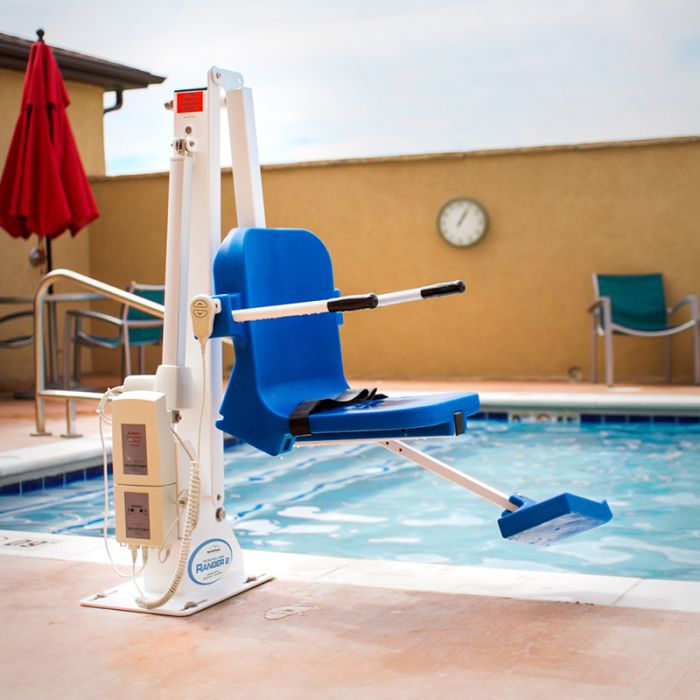
Many pool lifts come with optional headrests and footrests for enhanced comfort and safety. Headrests provide additional neck support for users with limited trunk control, while footrests prevent feet from slipping during the transfer. These accessories can often be added to base models after purchase.
Flip-Up Armrests
Flip-up armrests make it easier to transfer onto and off the lift seat. This feature is especially valuable for wheelchair users who need to slide laterally onto the lift chair. When not in use, the armrests fold out of the way for a clear transfer path.
User-Friendly Controls
ADA-compliant pool lifts must be operable by the user without assistance. Look for lifts with intuitive hand controls, large push buttons, or toggle switches that can be operated with limited hand dexterity. Waterproof handsets are standard on most quality battery-powered models.
Rechargeable Battery Systems
Most modern pool lifts operate on rechargeable 24-volt battery systems. These batteries are designed to provide dozens of lift cycles on a single charge and can be easily recharged overnight. A reliable battery system ensures your lift is always ready when needed without the hassle of running electrical lines to the pool area.
Types of Disabilities That Benefit from Pool Lifts
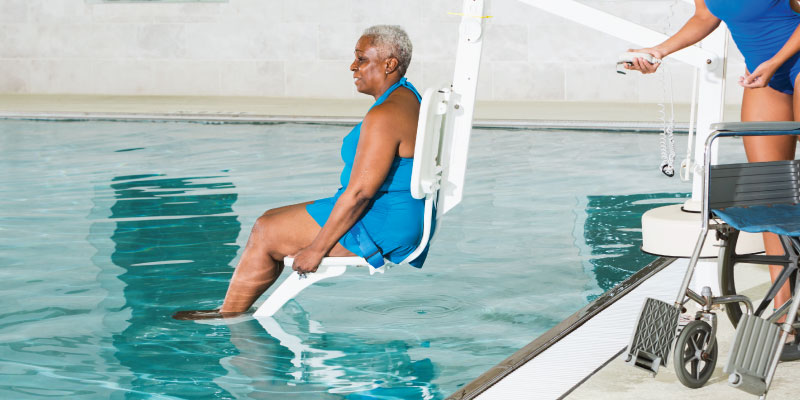
Pool lifts serve a remarkably broad population. They are not only for individuals who use wheelchairs — they benefit anyone who faces difficulty with steps, ladders, or uneven pool entry surfaces. This includes people with conditions such as spinal cord injuries, multiple sclerosis, cerebral palsy, muscular dystrophy, arthritis, age-related mobility decline, post-surgical recovery limitations, and temporary injuries.
Water therapy is prescribed for many of these conditions because of the low-impact environment it provides. A pool lift removes the biggest obstacle — getting into the water — and allows individuals to enjoy the full range of therapeutic and recreational benefits that swimming has to offer.
Understanding Weight Capacity
Weight capacity is one of the most important specifications to evaluate when selecting a pool lift. The ADA mandates a minimum weight capacity of 300 pounds for compliant lifts, but many manufacturers offer models rated for 400 pounds or more. Choosing a lift with a higher weight capacity provides an added safety margin and ensures the lift can accommodate a wider range of users.
Keep in mind that the stated weight capacity includes the user and any clothing, towels, or accessories they may be carrying. It is always better to select a lift with more capacity than you think you will need, rather than risk overloading the equipment.
Ready to Make Your Pool Accessible?
Explore our selection of high-quality pool lifts designed for safety, durability, and ease of use. Whether you need a commercial-grade ADA solution or a reliable backyard option, we have you covered.
Making the Right Choice for Your Pool
A swimming pool should be a place of joy, relaxation, and wellness for everyone. Investing in a quality pool lift ensures that no one is left on the sidelines because of a physical limitation. Whether you operate a bustling commercial facility or simply want your backyard pool to be a welcoming space for friends and family of all abilities, a pool lift is one of the most meaningful additions you can make.
Take the time to evaluate your specific needs, understand the ADA requirements that apply to your situation, and explore the different types and features available. With the right pool lift in place, you are not just meeting a regulation — you are opening the door to a world of aquatic enjoyment that everyone deserves access to.
At Backyard Provider, we are committed to helping you find the best pool accessibility solutions. Browse our collection and reach out if you have any questions — we are here to help every step of the way.