

Kayaking opens the door to exploration, exercise, and unforgettable time on the water. But with so many styles, shapes, and sizes available, picking the right kayak can feel overwhelming. Whether you're dreaming of peaceful morning paddles on a glassy lake or navigating a rugged coastal shoreline, the kayak you choose makes all the difference. In this guide, we'll walk you through everything you need to know — from where you'll paddle to the type that fits your lifestyle best.
Before you start comparing models, it's worth asking yourself a few key questions. Think about the kind of water you'll be on most often, how far you'd like to travel, and whether comfort or speed matters more to you. Your answers will shape every decision from here on out.
Where Will You Use Your Kayak?
The single most important factor in choosing a kayak is where you plan to paddle. Different bodies of water demand different hull designs, stability levels, and features. Here's a quick breakdown of common paddling environments:
Calm Lakes & Ponds: Flat water is the most forgiving environment for beginners. Wider, more stable recreational kayaks are ideal here. You won't need to worry about waves or strong currents, so comfort and ease of use should be your priorities.
Slow-Moving Rivers: Gentle rivers call for a kayak that tracks well but can still turn with some agility. Look for a shorter hull with moderate rocker — that slight curve along the bottom — which helps you navigate bends and mild obstacles.
Coastal & Open Water: If you plan to paddle along shorelines or in bays, you'll want a longer, narrower kayak built for efficiency and stability in chop. Sea kayaks and touring models are designed to handle wind, waves, and longer distances with confidence.
Whitewater: Fast-moving rapids require a specialized short kayak built to spin, brace, and absorb impact. These are compact, highly maneuverable, and designed with reinforced hulls to withstand rocky environments.
Types of Kayaks Explained
Once you know where you'll be paddling, it's time to explore the major categories. Each type of kayak is purpose-built, so matching the right style to your intended use is essential.
Sit-On-Top vs. Sit-Inside Kayaks
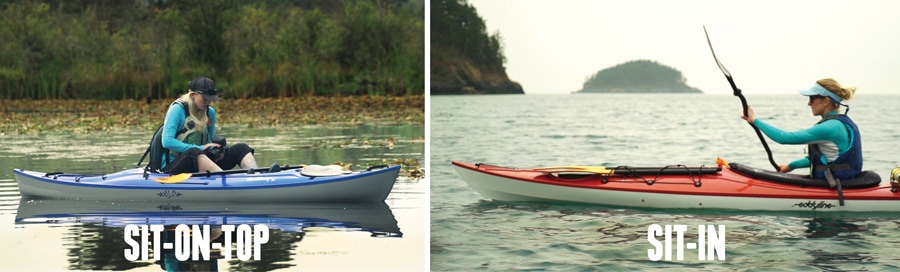
This is one of the first decisions you'll face. Sit-on-top kayaks place you on an open, molded seat above the waterline. They're incredibly beginner-friendly because they're nearly impossible to capsize in a dangerous way — if you flip, you simply climb back on. They drain automatically and are perfect for warm-weather paddling, fishing, and casual outings.
Sit-inside kayaks, on the other hand, enclose your lower body within the hull. This gives you a lower center of gravity, better protection from the elements, and improved control in rougher water. They're the preferred choice for cooler climates, longer excursions, and anyone who wants a more connected feel with their boat.
Here are a few things to keep in mind when deciding between the two:
Sit-On-Top
Easy to board and exit, self-draining, excellent for warm weather, great for beginners and fishing. You'll get wetter, and they tend to be wider and slower.
Sit-Inside
Lower center of gravity, better weather protection, improved paddling efficiency. Requires a spray skirt in rough water and can feel confining for some paddlers.
Recreational Kayaks
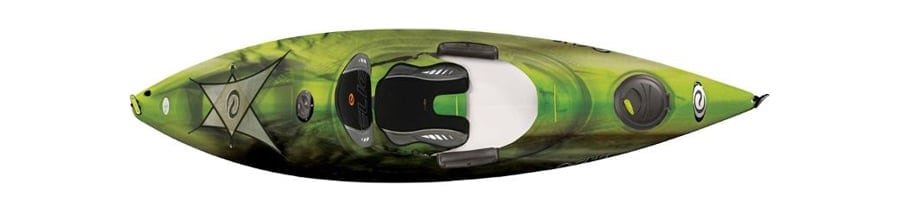
Recreational kayaks are the most popular category for a reason. They're stable, affordable, and designed for calm to mildly moving water. If you're just getting started or you want a relaxed paddling experience on local lakes and gentle rivers, a recreational kayak is likely your best match. They typically range from about 10 to 12 feet long, have a wide beam for stability, and feature a large, comfortable cockpit that's easy to get in and out of.
The tradeoff is that recreational kayaks are not built for speed or long-distance efficiency. They also lack the storage capacity and tracking ability you'd find in touring models. But for weekend fun and casual outings, they're hard to beat.
Touring & Sea Kayaks
Built for distance, touring kayaks (also called sea kayaks) are longer, narrower, and faster than recreational models. They usually measure 12 to 17 feet and are engineered to track straight, cut through waves, and carry gear for multi-day trips. If you plan to explore coastlines, cross open bays, or embark on overnight paddling adventures, this is the category for you.
They typically include sealed bulkheads for storage, deck rigging for securing equipment, and a rudder or skeg to help with tracking in wind and currents. The learning curve is a bit steeper, but the performance and versatility are well worth it for serious paddlers.
Touring Sit-On-Top Kayaks
These models blend the open-deck comfort of a sit-on-top with the length and tracking ability of a touring kayak. They're especially popular in warmer climates where paddlers want long-range capability without the enclosed cockpit. You'll find ample storage, stable hull designs, and enough efficiency to cover serious distances while staying cool and comfortable in the sun.
Whitewater Kayaks
Purpose-built for rapids and fast-moving rivers, whitewater kayaks are short, compact, and incredibly responsive. They're designed to spin, surf, and navigate obstacles with precision. The hulls are heavily reinforced to absorb impacts from rocks and drops. If you're drawn to the thrill of Class II through Class V rapids, these are the boats engineered to get you through safely and with maximum control.
Specialty Kayaks
Beyond the main categories, there are kayaks tailored to very specific activities. Here's a look at some of the more specialized designs you may encounter:
Fishing Kayaks
Wider platforms with rod holders, tackle storage, and sometimes pedal-drive systems so your hands stay free for casting. Available in both sit-on-top and sit-inside configurations.
Inflatable Kayaks
Remarkably durable and portable, modern inflatables pack down into a bag and inflate in minutes. Great for travelers, apartment dwellers, or anyone short on storage space.
Tandem Kayaks
Designed for two paddlers, tandems are perfect for couples or a parent-child team. They're longer and heavier but offer shared effort and a social paddling experience.
Folding Kayaks
A frame-and-skin construction that collapses into a compact package. Folding kayaks perform surprisingly well on open water and are a fantastic option for those who fly to paddling destinations.
Pedal-Powered Kayaks
Instead of paddling, you propel yourself with a foot-driven system. This frees your hands entirely — a major advantage for anglers, photographers, or anyone who wants a leg-driven workout.
Modular & Sectional Kayaks
These break apart into two or three sections for easier transport and storage. They snap or bolt together quickly and can often be reconfigured for solo or tandem use.
Kayak Materials, Weight & Price
The material your kayak is made from directly affects its weight, durability, performance, and cost. Understanding the options helps you balance your budget against your priorities.
| Material | Weight | Durability | Price Range |
|---|---|---|---|
| Rotomolded Polyethylene | Heavy | Very High | $$$ |
| Thermoformed ABS | Moderate | High | $$$$ |
| Fiberglass | Light | Moderate | $$$$$ |
| Carbon Fiber / Kevlar | Very Light | High | $$$$$$ |
| Inflatable (PVC / Hypalon) | Very Light | Moderate | $$–$$$$ |
Rotomolded polyethylene is the most common material for recreational and entry-level kayaks. It's tough enough to bounce off rocks without cracking, and it comes at the most accessible price point. The downside is weight — these boats are heavy to carry and load onto a vehicle.
Thermoformed ABS plastic offers a nice middle ground. It's lighter and glossier than rotomolded plastic, with improved UV resistance, though it costs a bit more and isn't quite as impact-resistant.
Fiberglass and composite materials (like carbon fiber or Kevlar) deliver the lightest weight and best on-water performance. These are the choice of experienced paddlers who want maximum speed and responsiveness, but they come with premium price tags and require more careful handling.
Additional Kayak Considerations
Beyond type and material, there are several practical factors that can make or break your experience on the water. Paying attention to these details will help you narrow down your final choice with confidence.
Weight Capacity
Every kayak has a maximum weight rating. This includes your body weight plus all gear, food, and water you bring aboard. Overloading a kayak compromises stability, tracking, and overall safety, so always leave yourself a comfortable margin below the stated limit.
Length & Width
Longer kayaks track straighter and move faster, while shorter ones turn more easily. Wider boats offer more initial stability, which is great for beginners, while narrower hulls reward experienced paddlers with improved efficiency. Finding the right balance depends on your skill level and intended use.
Cockpit Size & Comfort
Make sure the cockpit accommodates your body comfortably. Adjustable footpegs, padded seats, and thigh braces all contribute to a better paddling experience, especially on longer trips. If possible, sit in a few models before buying.
Storage & Hatches
If you plan to bring gear, look for sealed hatches and bungee deck rigging. Touring kayaks typically have the most storage, with separate bow and stern compartments. Even recreational kayaks often include a small stern hatch for essentials.
Transport & Storage at Home
Don't overlook the logistics of owning a kayak. Consider whether you have roof rack capacity, garage space, or a yard to store it. Inflatables and folding models are excellent if space is limited. A lighter kayak is easier to load solo, which can be a deciding factor if you paddle alone often.
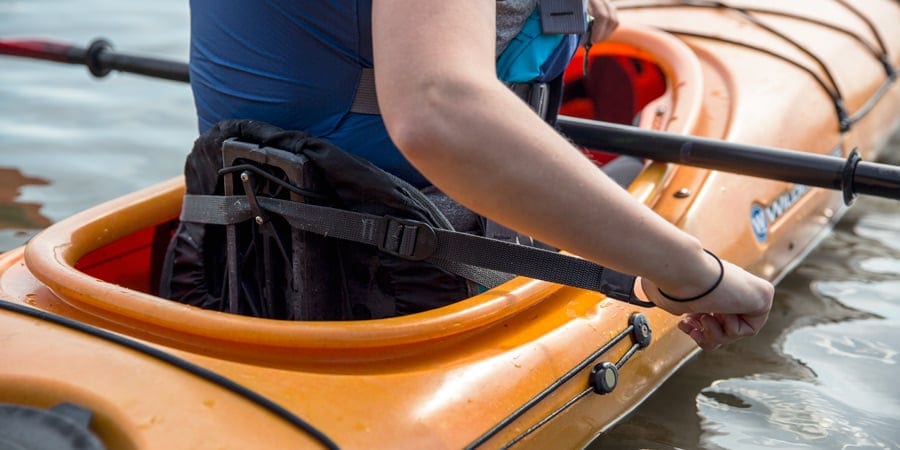
Featured Product
Upgrade Your Kayak Setup
Enhance your paddling experience with a versatile connection system designed to integrate seamlessly with your kayak. Built tough for the water and ready for your next adventure.
Aquaglide Universal ConnectionFinal Thoughts
Choosing the right kayak doesn't have to be complicated. Start with where you'll paddle and how you want to spend your time on the water. Match that to the right type, consider your budget and storage situation, and pay close attention to fit and comfort. A well-chosen kayak will reward you with years of memorable experiences — from quiet mornings on still water to exhilarating explorations along wild coastlines.
Take your time, do your research, and don't hesitate to reach out with questions. At Backyard Provider, we're here to help you find the perfect fit for your next outdoor adventure.