
Discover the most effective methods to transform your well water into clean, safe drinking water for your home and family.
Reverse Osmosis Water Filtration Process
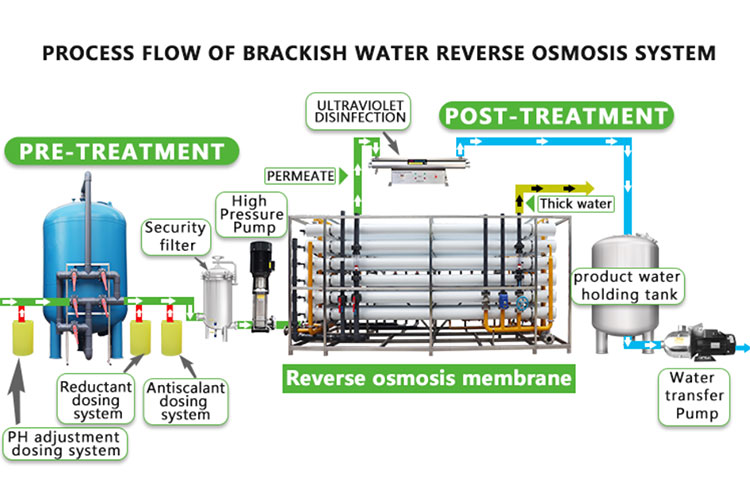
Pre-Treatment → Membrane Filtration → Post-Treatment → Pure Water Storage
Well water serves as a vital resource for countless households, particularly in rural and suburban areas. However, without proper treatment, this water can harbor various contaminants that pose significant health risks. Understanding how to effectively filter well water is essential for protecting your family's health and ensuring the quality of your daily water supply.
This comprehensive guide explores the common pollutants found in well water, the scientific principles behind filtration, and the most effective methods for achieving clean, safe drinking water in your home.
Common Well Water Contaminants & Their Hazards
Microbial Contamination
Bacteria, viruses, and parasites commonly infiltrate well water sources. These dangerous microorganisms can cause severe illnesses including cholera, dysentery, and various gastrointestinal infections that pose serious health threats to your household.
Inorganic Pollutants
Heavy metals such as iron, manganese, lead, arsenic, and mercury frequently contaminate well water. Prolonged exposure to these substances can result in serious health complications including neurological damage, cancer, and organ failure.
Organic Pollution
Pesticides, herbicides, industrial chemicals, and other organic compounds can seep into groundwater supplies. These contaminants may trigger hormonal imbalances, developmental issues, and increase cancer risk over time.
Suspended Particles
Sediment, silt, and other suspended matter affect water clarity and taste while potentially carrying additional contaminants. These particles create cloudiness and can harbor harmful microorganisms within their structure.
Fundamental Principles of Well Water Filtration
Effective well water treatment relies on removing pollutants through physical, chemical, and biological processes to achieve safe drinking water standards. Each approach targets specific contaminant types for comprehensive purification.
Physical Filtration
Captures suspended particles, sediment, and microorganisms by passing water through specialized filter media such as sand filters, activated carbon, and ultrafiltration membranes that physically block contaminants.
Chemical Filtration
Eliminates dissolved contaminants through chemical reactions and adsorption processes. Common techniques include ion exchange systems and activated carbon adsorption that chemically bind and neutralize pollutants.
Biological Filtration
Harnesses beneficial microbial activity to naturally break down organic pollutants. Biological systems like biosand filters utilize living organisms to decompose and remove contaminants from water supplies.
 Optimal Methods for Filtering Well Water
When evaluating well water filtration solutions, consider factors like filtration efficiency, cost-effectiveness, and maintenance requirements. The following methods represent the most reliable approaches for achieving clean, safe water.
1. Multi-Stage Filtration Systems
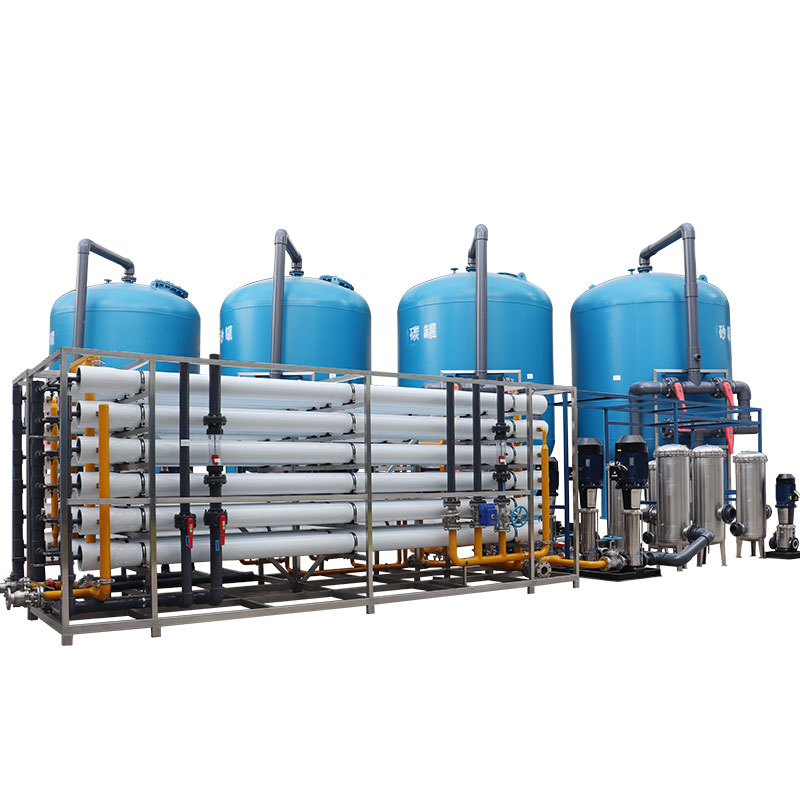
Multi-stage systems combine multiple filtration technologies to progressively eliminate various contaminants, delivering comprehensive water purification through sequential treatment stages.
Mechanical Pre-Filtration: Removes large particles, sediment, and debris using coarse filters and sedimentation tanks as the initial treatment stage.
Activated Carbon Filtration: Adsorbs organic compounds, chlorine, unpleasant odors, and certain heavy metals through carbon's porous structure.
Reverse Osmosis (RO): Forces water through semi-permeable membranes with microscopic pores, removing up to 99% of dissolved salts, heavy metals, and organic matter.
UV Disinfection: Destroys microbial DNA using high-energy ultraviolet light, effectively eliminating bacteria, viruses, and parasites without chemicals.
2. Biosand Filtration
Biosand filters offer an economical and effective treatment solution, particularly suited for rural applications. Water percolates through layers of sand where a biological layer (biofilm) forms on the surface. This living layer captures and degrades organic pollutants, pathogens, and suspended solids, producing clean water through natural processes.
3. Ion Exchange Filtration
Ion exchange systems effectively remove hardness minerals like calcium and magnesium, along with certain heavy metals including lead and chromium. Water passes through specialized resin beads that swap harmful ions for harmless ones, significantly improving water quality and protecting plumbing systems from scale buildup.
Real-World Applications
Rural Household Success
A rural family discovered their well water contained elevated levels of iron and bacterial contamination. By implementing a comprehensive multi-stage system featuring mechanical pre-filtration, activated carbon treatment, reverse osmosis, and UV sterilization, they achieved remarkable improvements in water quality, meeting all safe drinking water standards.
Community Treatment Station
A small community established a centralized water treatment facility to serve all residents. Combining biological sand filtration with ion exchange technology and multi-stage disinfection, the station now consistently produces water that exceeds national drinking water quality requirements for the entire neighborhood.
Protect Your Family with Premium UV Water Filtration
Experience the power of professional-grade UV-C light disinfection combined with advanced pre-filtration technology. Eliminate harmful microorganisms and contaminants from your well water with confidence.
Shop Aquasure UV Filtration SystemSelecting the appropriate well water filtration system depends on your specific water quality challenges, household requirements, and budget considerations. Whether you choose a comprehensive multi-stage system, an economical biosand filter, or targeted ion exchange treatment, investing in proper water filtration safeguards your family's health while ensuring access to clean, great-tasting water every day.