
Discover why wood pellet heating is becoming the preferred choice for homeowners seeking efficiency, sustainability, and cost savings
When it comes to heating your home efficiently and sustainably, wood pellet heating systems are emerging as a top contender. From traditional wood stoves to modern pellet boilers and state-of-the-art furnaces, the options available today offer homeowners an impressive range of choices.
The question many homeowners face is simple yet crucial: which wood heating solution should you choose for your home?
At Backyard Provider, we specialize in premium forced-air wood burning furnaces under our Fire Chief and Shelter brand names. We're also proud suppliers of high-quality wood pellet fuel under our Flame Genie brand.
Our expertise in wood heating and wood pellets runs deep, and in this comprehensive guide, we're here to help you make an informed decision about whether wood pellet heating is the right fit for your home.
We'll explore the advantages and disadvantages of heating your home with wood pellets in detail. You'll gain valuable insights into both the fuel characteristics and the appliances that burn them efficiently.
By the end of this guide, you'll have all the information you need to determine whether wood pellet heating is the perfect solution for your household.
The Advantages of Wood Pellet Heating
1. Extended Burn Times That Transform Your Daily Routine
One of the most significant benefits of owning a wood pellet heating system is the dramatic reduction in fuel maintenance. Traditional wood stove and furnace owners understand this challenge all too well—the constant need to tend the fire can be exhausting.
With conventional wood heating, burn times typically average around 8 hours. This means you'll need to refuel your furnace or stove approximately three times per day. But the real inconvenience comes at night—you'll often wake up to find yourself out of heat in the darkness of early morning.
The beauty of pellet stoves lies in their ability to burn continuously through the night while you sleep peacefully, maintaining a comfortable temperature throughout your home.

This remarkable efficiency is possible because pellet stoves utilize an advanced hopper system that automatically feeds pellets as efficiently as possible. Most modern pellet stoves feature hoppers with hole designs that optimize the burning process. The heating cycle typically starts with simply loading an entire bag of pellets into the hopper.
From that point, the stove takes over, automatically feeding the optimum quantity of pellets needed to maintain the desired temperature on the thermostat—no fuss, no hassle.
In top-performing pellet stove models, this sophisticated automated system delivers burn times extending up to 40 hours before requiring a hopper refill. That's an impressive five times longer than traditional wood furnaces or stoves can achieve.
2. Exceptional Efficiency That Maximizes Your Investment
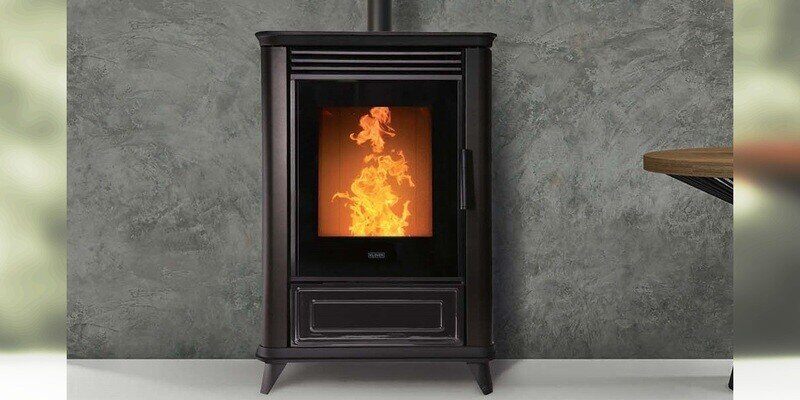
Among all pellet heating options—including wood furnaces and traditional wood stoves—pellet stoves consistently rank as some of the most efficient wood heating appliances available on the market today.
When examining efficiency percentages, wood furnaces typically achieve ratings in the low to mid-70s range. Traditional wood stoves generally deliver efficiency ratings spanning from the high-60s to the mid-70s.
In contrast, pellet stoves stand out dramatically with efficiency scores ranging from the high-70s to an impressive low-80s percentage range.
What this means in practical terms is that minimal energy from the pellet fuel goes to waste. Rather than escaping through the flue, the thermal energy generated by pellet stoves does a superior job of converting fuel into comfortable living space heat compared to other wood heating options.
The bottom line is clear: pellet stoves deliver exceptional performance, providing you with maximum heat output for every dollar you invest.
3. Environmentally Conscious Low Emissions

With the EPA's recent regulations governing wood heating appliances, keeping emissions from your wood heating system to a minimum is more important than ever. Fortunately, if you're seeking a heating solution that prioritizes environmental responsibility, choosing a pellet stove will deliver some of the cleanest emissions achievable from any wood heater.
Consider wood stoves as a comparison point. When analyzing the specifications of leading wood stoves available on the market today, you'll typically find emission rates hovering around 1.29 grams of particulates per hour during operation.
When you evaluate some of the premier pellet stoves on the market, however, their average emission rates emerge significantly lower at approximately 1.03 grams of particulates per hour of combustion.
This substantial difference exists because rather than potentially burning wet or unseasoned firewood, pellet fuel consistently maintains an ultra-low moisture content that ensures cleaner combustion.
If you're searching for a low-emissions wood heating solution, a pellet stove is challenging to surpass.
4. Unmatched Convenience and Ease of Use
Wood pellet heating systems represent one of the most user-friendly heating solutions available today. The automated hopper feeding mechanism means you can essentially set your desired temperature and let the system handle the rest.
Unlike traditional wood stoves that require constant monitoring and manual feeding, pellet stoves operate with minimal intervention. Simply fill the hopper, adjust your thermostat, and enjoy consistent, reliable warmth throughout your home.
The pellet fuel itself is also remarkably convenient. Pellets come in standardized bags that are easy to store, stack, and handle. There's no need for splitting, seasoning, or storing massive quantities of cordwood.
5. Outstanding Value and Long-Term Savings
When considering the total cost of ownership, wood pellet heating systems offer impressive economic advantages. While the initial investment in a quality pellet stove may be higher than some alternatives, the long-term savings make it a smart financial decision.
Wood pellets typically cost less per BTU than heating oil, propane, and electric heat in most regions. Combined with the exceptional efficiency ratings we discussed earlier, this means more of your heating budget goes toward actual warmth rather than wasted energy.
Additionally, pellet prices tend to remain more stable than fossil fuel costs, helping you budget more effectively and avoid the unpredictable price spikes that often plague traditional heating fuels.
Considerations and Potential Drawbacks
1. Electricity Requirements
One important consideration with pellet stoves is their reliance on electrical power to operate the automated feeding system, combustion fans, and control panels. During power outages, most pellet stoves will cease to function unless connected to a backup power source.
This differs from traditional wood stoves, which can operate independently of electrical infrastructure. If you live in an area prone to power interruptions, you'll want to consider investing in a battery backup system or generator to ensure uninterrupted heating.
That said, the electricity consumption of pellet stoves is relatively modest, typically adding only a small amount to your monthly electric bill.
2. Regular Maintenance Requirements
Pellet stoves require consistent cleaning and maintenance to operate at peak efficiency. The burn pot needs regular ash removal, typically every few days during heavy use. The glass door may require cleaning to maintain visibility of the flame.
Additionally, the venting system, heat exchangers, and hopper area should be cleaned periodically throughout the heating season. Most manufacturers recommend a thorough professional cleaning and inspection annually.
While this maintenance isn't particularly difficult, it does require dedication and regular attention to keep your system running smoothly and safely.
3. Upfront Investment
Quality pellet stoves represent a significant initial investment, often costing more upfront than basic wood stoves. When you factor in professional installation, venting components, and any necessary electrical work, the total initial expense can be substantial.
However, it's important to view this as a long-term investment. The operational efficiency and lower fuel costs typically result in a favorable return on investment over several heating seasons.
Many homeowners find that the convenience, efficiency, and comfort provided by a pellet stove justify the higher initial cost.
4. Operational Noise
Unlike the silent operation of traditional wood stoves, pellet stoves produce some noise during operation. The automated auger that feeds pellets makes a periodic mechanical sound, and the combustion blowers run continuously to maintain proper airflow.
While modern pellet stoves are designed to minimize noise, they'll never be completely silent. The sound level is generally comparable to a running refrigerator or quiet fan, but it's something to consider if you're sensitive to background noise.
Many users report that they quickly become accustomed to the sound and find it becomes almost unnoticeable over time.
Making Your Decision
Wood pellet heating offers a compelling combination of efficiency, convenience, and environmental responsibility. The extended burn times, exceptional efficiency ratings, and low emissions make pellet stoves an attractive option for many homeowners.
However, the electricity dependence, maintenance requirements, initial investment, and operational noise are factors that deserve careful consideration based on your specific circumstances and priorities.
At Backyard Provider, we're committed to helping you find the perfect heating solution for your home. Whether you're ready to embrace the benefits of pellet heating or exploring other wood heating options, we're here to provide expert guidance and premium products that will keep your home warm and comfortable for years to come.