
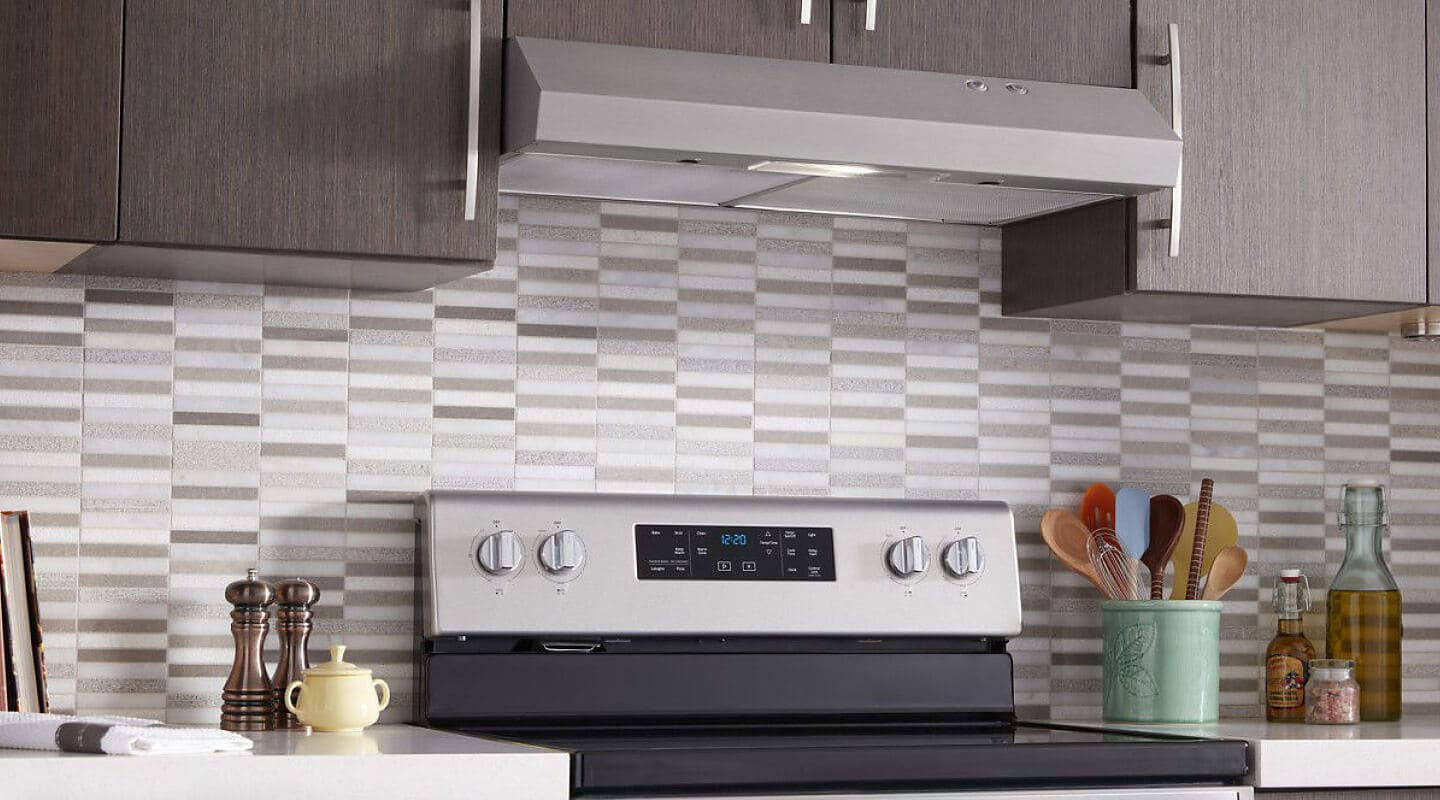
Selecting the right ventilation system for your kitchen renovation or construction project is a critical decision that impacts both functionality and aesthetics. Under cabinet range hoods and wall mount range hoods represent two distinct approaches to kitchen ventilation, each offering unique advantages for different installation scenarios.
Understanding the differences between these two ventilation options will help contractors, builders, and homeowners make informed decisions that align with project requirements, spatial constraints, and budget considerations.
Understanding Under Cabinet Range Hood Systems
Under cabinet range hoods are designed for installation beneath existing cabinetry, mounting directly above your cooking surface. These compact ventilation units feature a streamlined profile that maximizes cabinet storage capacity while providing essential air filtration and circulation.
Key Specification: These ventilation systems are engineered as ductless units, utilizing recirculation technology to filter cooking air and return it to the kitchen environment, eliminating the need for external venting infrastructure.
Standard under cabinet installations typically project beyond cabinet depth to ensure comprehensive coverage of all cooking burners. Standard dimensional ranges span from 30 to 36 inches in width, providing adequate coverage for most residential cooking surfaces.
Advantages of Under Cabinet Ventilation Systems
The compact design of under cabinet range hoods offers multiple installation and operational benefits, particularly in renovation projects with existing cabinetry or space-constrained kitchen layouts. These units typically present a more economical installation option compared to wall-mounted alternatives.
- Space Optimization: As the designation implies, under cabinet systems install beneath existing cabinetry, preserving valuable cabinet storage capacity that would otherwise be sacrificed with alternative ventilation solutions.
- Simplified Installation Process: These ventilation units offer straightforward installation procedures suitable for DIY implementation when following manufacturer specifications. However, professional installation is recommended if you lack experience with electrical connections or structural mounting requirements.
- Cost-Effective Solution: Generally positioned at lower price points, under cabinet range hoods provide budget-friendly ventilation options compared to more complex wall-mounted or island hood systems.
Limitations of Under Cabinet Systems
While under cabinet range hoods offer distinct advantages, certain operational and design limitations should be considered during project planning. These constraints may impact overall ventilation effectiveness and aesthetic integration in specific kitchen configurations.
- Reduced Coverage Area: Due to their compact dimensions relative to wall-mounted alternatives, under cabinet units may provide insufficient coverage for larger commercial-grade cooking surfaces or wide cooktop installations.
- Limited Design Flexibility: Under cabinet ventilation systems offer fewer aesthetic variations, as their design is optimized for concealment beneath cabinetry rather than serving as a prominent design element in kitchen architecture.
Wall Mount Range Hood Systems Explained
Wall mount range hoods represent a more prominent ventilation solution, attaching directly to the wall surface above your cooking area without requiring overhead cabinet support. These systems project from the wall, creating a distinct visual presence while offering enhanced ventilation capabilities.
Ventilation Configuration Options
Wall-mounted systems are available in both ducted configurations (venting directly outside through dedicated ductwork) and ductless recirculating models (filtering and returning air to the kitchen), providing flexibility for various building codes and structural constraints.
These ventilation units typically feature more powerful extraction capabilities and wider coverage areas, with dimensional options extending up to 48 inches or greater for professional-grade cooking installations.
Key Installation Considerations
When planning kitchen ventilation installations, several critical factors determine which system best serves your project requirements. Professional contractors should evaluate spatial constraints, structural support capabilities, ventilation requirements, and aesthetic integration within the overall kitchen design.
Professional Recommendation: Always consult manufacturer installation specifications and local building codes before proceeding with any range hood installation. Improper installation can compromise ventilation effectiveness, create safety hazards, and void product warranties.
Making the Right Selection for Your Project
The decision between under cabinet and wall mount range hoods ultimately depends on specific project parameters, including kitchen layout, cabinet configuration, ventilation requirements, budget allocation, and design preferences. Under cabinet systems excel in space-constrained renovations with existing cabinetry, while wall-mounted units provide superior ventilation performance and design flexibility in new construction or comprehensive kitchen remodels.
For construction projects requiring robust ventilation capabilities, particularly in outdoor kitchen installations or workshops with heavy-duty cooking equipment, wall-mounted systems with ducted configurations offer optimal performance and longevity.