
Every well-designed kitchen needs a reliable ventilation system. A range hood does more than clear smoke — it protects your walls from grease, keeps indoor air fresh, and helps regulate temperature while you cook. Whether you're building a new kitchen or upgrading an existing one, understanding range hoods will help you make a smarter investment for your home.
In this guide, we'll break down what range hoods are, whether building codes require them, the differences between vented and ductless models, and special considerations for gas stoves. We'll also cover state-specific ventilation requirements in Pennsylvania, New Jersey, California, and Texas so you can make an informed decision for your household.

What Exactly Is a Range Hood?
A range hood — sometimes called a vent hood or kitchen hood — is a canopy-style appliance mounted above your cooktop or stove. Its primary job is to capture and remove airborne grease, steam, smoke, and cooking odors before they spread throughout your home. It accomplishes this through a built-in fan system that either pulls contaminated air outside via ductwork (vented hoods) or passes it through charcoal filters and recirculates it (ductless hoods).
The result is a cleaner cooking environment, better indoor air quality, and a kitchen that stays comfortable even during long cooking sessions.
Are Range Hoods Required by Building Code?
In the majority of U.S. jurisdictions, residential building codes do not explicitly mandate range hood installation. That said, certain municipalities enforce stricter ventilation rules based on energy efficiency standards, fire safety protocols, or the type of cooking appliance in use.
Even when not legally required, installing a range hood remains one of the most practical upgrades for safety, comfort, and long-term home maintenance.
Commercial Kitchen Hood Standards
Commercial kitchens operate under much stricter ventilation codes than residential spaces. Restaurant and food-service operators must comply with fire suppression standards, grease-trap regulations, and specific exhaust capacity requirements that vary by municipality. If you're outfitting a commercial space, always consult local health and fire departments to ensure full compliance.
.jpeg)
Can You Go Without a Range Hood?
Technically, yes — some homeowners manage without a dedicated range hood. However, this decision should factor in the type of stove you use, whether alternative ventilation exists (such as a window or exhaust fan), and any local regulations that may apply to your area.
For anyone who cooks regularly, a range hood is one of those upgrades that pays for itself through cleaner air, reduced wall and cabinet damage from grease buildup, and a more pleasant cooking experience overall.
Vented vs. Ductless — Does It Matter?
While a ductless range hood can work in many situations, a vented (ducted) model provides noticeably superior performance. Vented hoods actively remove contaminated air from your kitchen and push it outdoors, whereas ductless units filter and recirculate air back into the room. If your kitchen layout allows for ductwork, a vented hood is almost always the better choice.
Kitchen Ventilation Alternatives
Microwave Exhaust Fans — Some over-the-range microwaves include built-in fans for basic smoke and odor removal. They're convenient but not as powerful as a dedicated range hood.
Window Exhaust Fans — A fan installed in a nearby window can provide supplemental airflow, but it may not handle heavy cooking or kitchens with poor natural ventilation.
Downdraft Systems — Installed behind the cooktop, downdraft vents pull air downward before exhausting it outside. They save overhead space but typically offer weaker suction than traditional overhead hoods.
Why Kitchen Ventilation Matters
Proper kitchen ventilation isn't a luxury — it's a health and safety necessity. Without adequate airflow, pollutants from cooking accumulate indoors. Over time, this can trigger respiratory issues, aggravate allergies, encourage mold growth, and leave a sticky film of grease on every surface in your kitchen.
A well-functioning ventilation system keeps the air clean, prevents grease from becoming a fire hazard, and ensures your kitchen remains a comfortable place to spend time — whether you're cooking a quick meal or hosting a gathering.
Vent Range Hoods Explained
Clean, breathable air is something every household deserves, and a vented range hood is one of the most effective tools for achieving it. Let's explore some of the most common questions homeowners have about vent hoods.
Do Gas Stoves Require a Range Hood?
It is strongly recommended. Gas stoves produce combustion byproducts including carbon monoxide, nitrogen dioxide, and water vapor. Without proper ventilation, these pollutants linger in your living space and can pose serious health risks over time. A range hood installed above a gas cooktop actively captures and vents these harmful gases, keeping your family safe.
Is It Against the Law to Not Have One?
In most areas, it's not illegal to operate a kitchen without a range hood. However, some local codes may require ventilation depending on your appliance type (gas vs. electric) or whether your kitchen has adequate natural ventilation options such as operable windows. It's always wise to check your municipality's requirements before starting any kitchen renovation.
Is a Vent Hood Absolutely Necessary?
It depends on your kitchen's layout, how often you cook, and what types of food you prepare. A small kitchen with frequent high-heat cooking will benefit enormously from a vent hood. Even in a larger, well-ventilated space, a range hood dramatically improves air quality by pulling pollutants away at the source.
What Happens Without a Range Hood?
Skipping a range hood can lead to several problems over time, including persistent cooking odors that seep into furniture and fabrics, elevated humidity that encourages mold and mildew, grease deposits that discolor walls and cabinetry, and potential long-term health effects from breathing in combustion gases — especially with gas stoves.
The benefits of proper ventilation far outweigh the cost of installation in virtually every scenario.
Gas Stoves & Ventilation
Gas stoves remain a favorite among home chefs for their responsive heat control and even cooking. But the combustion process involved raises important ventilation questions that every homeowner should understand.
Electric Stoves — Do They Need a Vent Hood?
Electric stoves don't generate combustion byproducts the way gas stoves do. However, they still produce heat, steam, and grease-laden air during cooking. A range hood captures these elements before they spread, keeping your kitchen cleaner and more comfortable. While not mandated in most states, proper ventilation is always a smart move regardless of your stove type.
Cooking Without a Vent Hood
In situations where a traditional range hood isn't feasible — such as compact apartments or kitchens without exterior wall access — downdraft ventilation systems and window-mounted exhaust fans offer workable alternatives for both gas and electric cooking setups.
Venting a Gas Stove on a Kitchen Island
Island cooktops present unique ventilation challenges. Here are the three most common approaches:
1. Downdraft Vents — Installed behind or beside the cooktop, these systems pull air downward and route it outside through ductwork beneath the floor.
2. Ceiling-Mounted Island Hoods — Suspended from the ceiling above your island, these hoods use high-powered fans to capture smoke and steam from all sides.
3. Recirculating Hoods — When ductwork isn't possible, a recirculating hood filters air through charcoal filters and returns it to the room. Less effective than ducted systems but still a worthwhile improvement.
Why Some Gas Stoves Claim "No Vent Needed"
Most gas stoves absolutely need ventilation. However, some newer models with sealed burners and low BTU output are marketed as "vent-free." Even with these designs, having a range hood is strongly advisable to manage moisture, heat, and odors during cooking.
Using an Electric Stove Without a Vent
Since electric stoves don't release carbon monoxide or nitrogen dioxide, operating one without a dedicated vent is technically possible. That said, cooking on any appliance generates heat and moisture that can make your kitchen uncomfortable and contribute to surface grime over time. A range hood addresses all of these issues efficiently.
Range Hood Requirements in Pennsylvania
Pennsylvania's state building code does not specifically mandate range hood installation in residential kitchens. However, the Uniform Construction Code does require that all dwelling units include mechanical ventilation capable of exhausting stale air to the outdoors. It's important to check with your local building department for any additional municipal requirements.
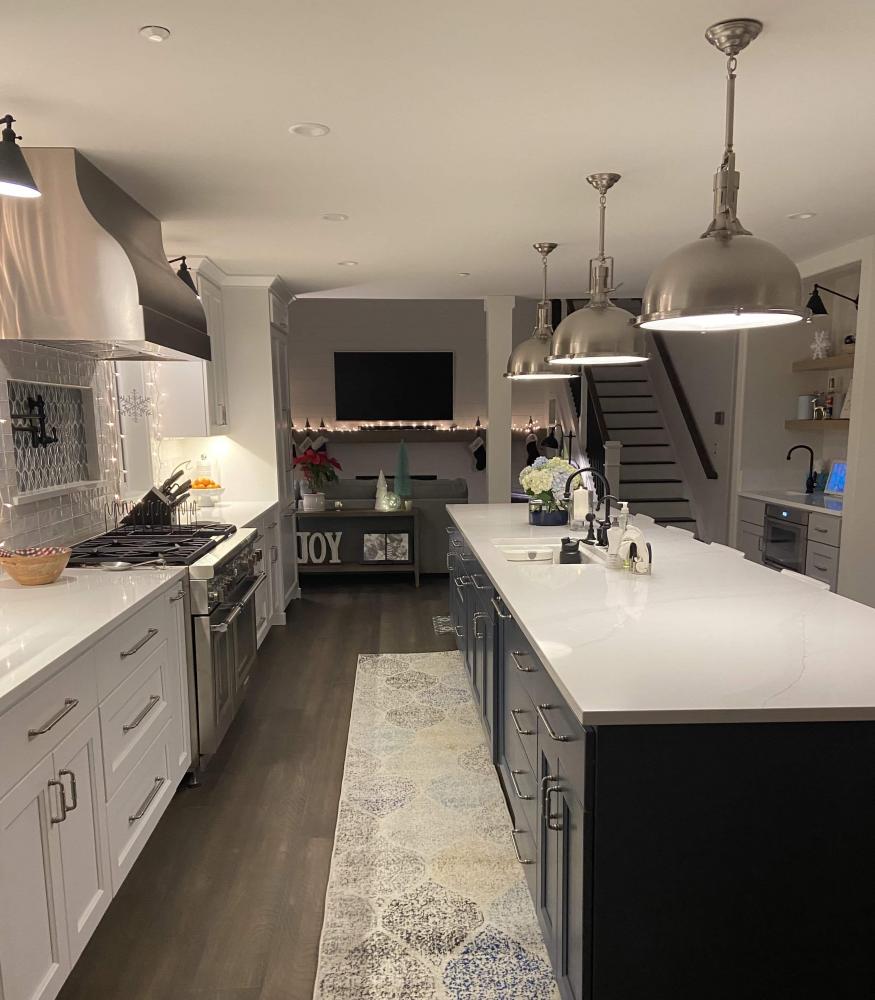
Why Install a Range Hood Anyway?
Healthier Air — Filters out smoke, grease particles, carbon monoxide, nitrogen dioxide, and formaldehyde that are generated during cooking.
Cleaner Kitchen — Reduces grease accumulation on surfaces, walls, and cabinetry — saving you significant cleaning effort over time.
Improved Safety — Removes hazardous gases and excess heat, reducing the risk of fire and exposure to harmful fumes.
Range Hood Vents in New Jersey
New Jersey's state building code does not explicitly require range hood vents in residential kitchens. Despite this, the majority of homeowners and designers choose to install them for the practical advantages they provide.
Key Benefits of Range Hood Installation
Air Quality — Actively removes smoke, grease, odors, and airborne pollutants that cooking produces.
Temperature Comfort — High-heat cooking raises ambient kitchen temperatures. A range hood vents that excess heat outdoors, keeping your kitchen comfortable.
Surface Protection — Prevents grease particles from settling on countertops, backsplashes, and cabinets.
Task Lighting — Most modern range hoods include built-in LED lights that illuminate your cooktop for better visibility while preparing meals.
Always consult a licensed contractor familiar with both New Jersey state codes and your local municipality's requirements to determine what's required for your specific kitchen setup.
Ventilation Rules in California & Texas
Neither California nor Texas explicitly requires range hood vents under their statewide building codes. California's residential code mandates mechanical kitchen ventilation but doesn't specify that a range hood must be the solution. Likewise, the Texas International Residential Code (IRC) calls for proper kitchen ventilation without dictating the method.
Here are some factors to weigh when deciding whether to install a range hood in these states:
Cooktop Type — Gas appliances generate significantly more heat and combustion byproducts than electric models, making ventilation more critical.
Kitchen Size & Layout — Smaller kitchens trap airborne contaminants more quickly and benefit greatly from dedicated ventilation.
Cooking Style — Frequent high-heat cooking, frying, or grilling generates more smoke and grease, making a quality range hood essential for comfort and cleanliness.
Indoor Air Quality — Poor kitchen ventilation contributes to respiratory problems and overall diminished air quality in the home.
Local Codes — Some cities and counties within California and Texas enforce stricter ventilation requirements than the state minimum. Always verify with your local building department.
Frequently Asked Questions
Do range hoods actually make a difference?
Absolutely. Range hoods significantly reduce airborne smoke, grease, and odors from cooking. They also help dissipate heat and humidity, which prevents mold growth and protects your cabinetry and countertops from long-term damage.
What is the main purpose of a range hood?
The primary purpose is to filter and remove airborne contaminants generated during cooking — including smoke, steam, grease particles, and harmful gases like carbon monoxide and nitrogen dioxide. This keeps your kitchen air safe and clean.
What should I look for in a range hood?
Key considerations include proper sizing for your cooktop, ducted vs. ductless operation, noise levels, CFM (cubic feet per minute) airflow rating, filter type and ease of cleaning, built-in lighting, and energy efficiency. Matching the hood to your stove size ensures effective pollutant capture.
Are there any downsides to range hoods?
The main drawback is added energy consumption during operation. However, this is easily mitigated by choosing an energy-efficient model. The long-term benefits to air quality, kitchen cleanliness, and home safety far outweigh the modest energy cost.
Final Thoughts
Whether you're in Pennsylvania, New Jersey, California, Texas, or anywhere else in the country, understanding your local building codes is the first step toward making the right kitchen ventilation decision. While statewide codes may not always require a range hood, the health, safety, and comfort benefits make it one of the most worthwhile investments you can make for your home.
Explore our selection of high-quality range hoods at Backyard Provider to find the perfect match for your kitchen setup.