
Table of Contents
Why Range Hood Height Matters
Getting your range hood installed at the correct height is far more than just an aesthetic choice — it is a critical factor that directly influences how well your kitchen ventilation system performs. A properly placed range hood captures smoke, grease-laden vapor, and cooking odors right at the source, preventing them from spreading throughout your home and settling on every surface in sight.
When a range hood sits too high above the cooktop, its ability to draw in airborne particles drops considerably. You may find yourself dealing with lingering smells, grease buildup on cabinets, and poor air quality in the kitchen. On the other hand, mounting the hood too low introduces a different set of problems — it can become a fire hazard, obstruct your view of the burners, and make cooking an uncomfortable experience altogether.
Understanding the recommended measurements and factoring in the specific characteristics of your kitchen setup will help you find that perfect sweet spot. In this guide, we break down everything from standard clearance distances to installation processes, so you can confidently position your range hood for both optimal function and visual harmony.
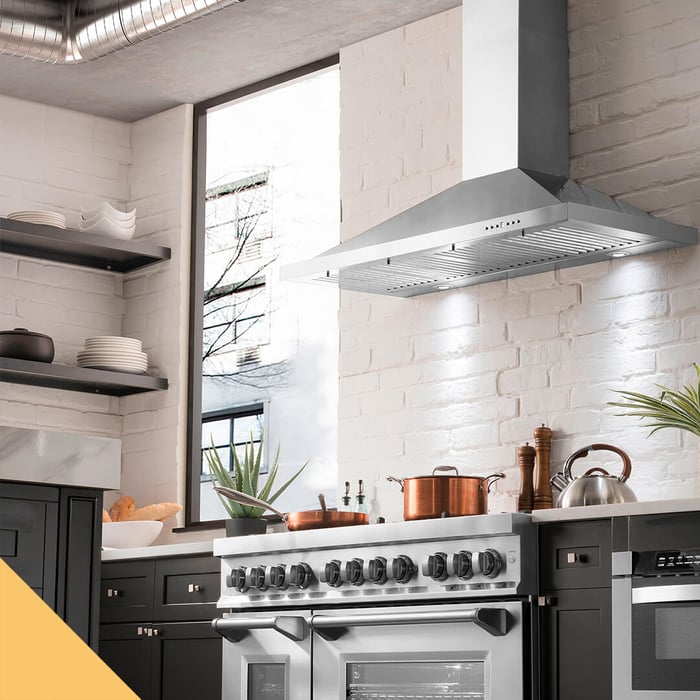
Featured Product
Awoco RH-IT06 Super Quiet Split Insert Range Hood
Stainless steel construction with 4-speed settings, 800 CFM blower unit, mesh filters, and built-in LED lights. A powerful yet whisper-quiet ventilation solution designed for serious home kitchens.

Recommended Installation Heights
Knowing the right mounting distance between your cooktop and range hood is essential. The standard guidelines serve as a reliable starting point, though slight adjustments may be necessary based on your hood model and stove type.
Electric Cooktops
For electric stoves, the recommended clearance sits between 20 to 24 inches from the cooking surface to the bottom of the hood. Electric burners produce less intense open heat, so the hood can be positioned slightly closer without concern.
Gas Cooktops
Gas ranges call for a bit more breathing room — typically 24 to 30 inches of clearance. The open flames generate higher heat output and present a greater fire risk, which is why added distance between the burner and the hood is essential.
High-Output / Pro Ranges
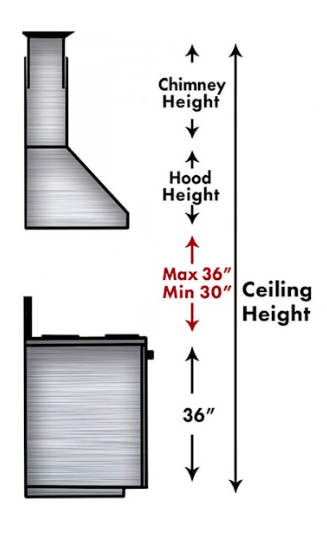
Professional-grade or high-BTU ranges may require positioning the hood at 28 to 36 inches above the surface. Always consult the manufacturer's specifications for your specific model to ensure safe operation.
Quick Measurement Tip: To find the ideal mounting height, measure from the top of the cooking surface straight up to where the bottom edge of the hood will sit. Factor in the overall height of the hood unit plus any chimney extension when calculating total required space.
Cooking Surfaces and What to Consider
The type of cooking surface you have plays a significant role in determining where your hood should be placed. Heat output, flame presence, and the kind of cooking you do most often all factor into the equation.
Gas burners with open flames naturally demand greater clearance because of the direct fire exposure. Electric and induction cooktops run at lower surface temperatures by comparison, allowing for a tighter gap between the stovetop and the hood without compromising safety. If you frequently cook with high heat — searing meats, using a wok, or working with flambé techniques — you may want to err on the higher end of the recommended range to give heat and steam adequate room to disperse before reaching the hood's intake.
Safety Note: Always check local building codes and the manufacturer's installation manual before finalizing your mounting height. Certain jurisdictions impose minimum clearance requirements that must be observed regardless of personal preference.
Grease, moisture, and combustion byproducts behave differently depending on the heat source. Understanding these nuances helps you strike the right balance between capture efficiency and practical usability — keeping your kitchen air clean without making the cooking area feel cramped or obstructed.
Types of Range Hoods and Their Installation
The installation approach differs noticeably depending on which style of range hood you are working with. Each type has its own set of structural requirements, mounting methods, and clearance considerations. Below is an overview of the most common configurations found in residential kitchens.
Wall-Mounted Range Hoods
These are among the most popular choices for home kitchens. Mounted directly against the wall above the cooktop, they typically feature a decorative chimney that extends upward to conceal the ductwork. Installation generally involves securing a mounting bracket to the wall studs, connecting the unit to the electrical supply, and attaching the duct run through the wall or ceiling.
Mark the mounting position on the wall based on the recommended height above your cooktop.
Secure the mounting bracket into wall studs using appropriate hardware for your wall type.
Hang the hood on the bracket, level it, and connect the ductwork and electrical wiring.
Install the chimney cover, test all fan speeds and lighting, and verify proper airflow.
Under-Cabinet Range Hoods
Designed to fit neatly beneath an existing cabinet directly above your stove, under-cabinet hoods are an excellent space-saving option. They attach to the underside of the cabinet and vent either upward through the cabinet or out the back wall. These models tend to offer a lower profile, making them well-suited for kitchens with limited overhead space.
Remove the existing cabinet above the stove if needed, or prepare the underside for mounting.
Cut an opening in the cabinet bottom or rear wall for the duct path as required.
Attach the hood to the underside of the cabinet using the provided screws, ensuring it sits level.
Connect the ductwork and electrical supply, then test all functions thoroughly.
Island / Ceiling-Mounted Range Hoods
For kitchens with a cooktop built into a center island, a ceiling-mounted hood is the go-to solution. These units hang from the ceiling directly above the cooking area and typically vent through ductwork that runs between the ceiling joists. Because there are no walls to assist with funneling airborne particles, island hoods generally require a higher CFM rating to compensate for the open-air environment.
Identify and mark the ceiling joists above the island cooktop for secure anchoring.
Install a ceiling-mounted support bracket, ensuring it can bear the weight of the unit.
Hang the hood from the bracket, adjust height to the correct clearance above the cooktop.
Route ductwork through the ceiling cavity, connect electrical, and run a complete test cycle.

Duct Alignment vs. Ductless Options
One of the key decisions during installation is whether your range hood will be ducted or ductless. Ducted hoods push contaminated air outside the home through a dedicated vent run, offering superior performance when it comes to removing heat, moisture, and grease from the kitchen. Proper duct alignment is crucial — sharp bends, excessively long runs, or undersized duct diameter can all significantly reduce airflow efficiency.
Ductless (recirculating) hoods, by contrast, pull air through a set of charcoal and mesh filters before recirculating it back into the room. While they are far simpler to install — no exterior venting required — their filtration capability is inherently limited compared to a ducted setup. They work best in apartments, rental properties, or kitchens where running external ductwork is not structurally feasible.
Ducted Installation
Best for heavy cooking, high-heat methods, and homes where exterior venting is possible. Offers the highest level of grease and odor removal. Requires planning for duct routing and exterior wall or roof cap placement.
Ductless / Recirculating
Ideal for renters, condos, or kitchens with structural limitations. Simpler installation with no external venting needed. Charcoal filters require regular replacement to maintain effectiveness.
Final Thoughts
Selecting and positioning your range hood correctly is one of those details that makes a meaningful difference in everyday kitchen comfort. When the height is dialed in, your ventilation system works harder and quieter, keeping your cooking space fresh and your cabinets free from sticky grease residue.
Whether you are mounting a sleek wall unit, tucking a low-profile hood under a cabinet, or suspending an island model from the ceiling, the fundamentals remain the same: respect the recommended clearances for your cooktop type, follow the manufacturer's installation guidelines closely, and account for your kitchen's specific layout and local building codes.
If you have any reservations about tackling the job yourself, hiring a qualified professional is always a worthwhile investment. A properly installed range hood not only performs better from day one — it also protects your home and gives you peace of mind every time you fire up the burners.
Upgrade Your Kitchen Ventilation
Explore the Awoco RH-IT06 — a whisper-quiet, high-performance range hood built with premium stainless steel and 800 CFM of airflow power.
Awoco RH-IT06 Range HoodConnect With Us on Social Media
Facebook: The Backyard Provider
Instagram: @backyardprovider
Pinterest: @backyardprovider
Twitter: @bacabortyardprovider
Frequently Asked Questions
What is the standard height for mounting a range hood?
For most installations, the bottom of the range hood should sit between 20 and 30 inches above the cooking surface. Electric cooktops typically allow 20–24 inches, while gas ranges require 24–30 inches of clearance.
Does range hood height affect performance?
Absolutely. A hood mounted too high loses suction efficiency and fails to capture smoke and grease effectively. Mounting it too low can create a fire hazard and makes cooking uncomfortable. Finding the recommended range is key.
Are outdoor range hoods installed at different heights than indoor ones?
Outdoor hoods generally follow similar clearance guidelines, but because wind and open-air conditions affect airflow, many manufacturers recommend mounting them slightly closer to the grill surface and opting for a higher CFM rating.
Should I hire a professional for range hood installation?
If you are comfortable with basic electrical work and have the tools to mount heavy fixtures securely, a DIY installation is achievable. However, for ducted setups that require cutting through walls or roofing, professional help is strongly recommended.
Can I install a range hood without ductwork?
Yes. Ductless or recirculating range hoods are designed for exactly this scenario. They filter the air through charcoal and mesh filters and release it back into the kitchen. While not as powerful as ducted models, they are a practical solution for many living situations.
Does the type of cooktop affect recommended hood height?
Yes, it does. Gas cooktops with open flames require more clearance than electric or induction surfaces. High-BTU professional ranges may need even more distance. Always refer to both the cooktop and hood manufacturer guidelines.
Do manufacturers provide specific installation guidance?
Nearly all range hood manufacturers include detailed installation instructions with recommended mounting heights, duct sizing, and electrical requirements. Always consult these documents before beginning your project.
Should a range hood line up with the front of the stove or extend beyond it?
Ideally, the hood should cover the entire width of the cooktop and extend slightly beyond the front burners. This ensures maximum capture of smoke and vapors during heavy cooking sessions.
What is the most common mistake people make during installation?
The most frequent error is mounting the hood at the wrong height — either too high for effective ventilation or too low for safety. Not accounting for duct run length and the number of elbows in the path is another common oversight that reduces performance.