

A stainless steel range hood is one of those kitchen essentials that balances beauty with purpose. It keeps your cooking space fresh by drawing out grease, smoke, and unwanted odors while adding a touch of polished sophistication to the room. Whether you're building a brand-new kitchen from the ground up or simply swapping out older ventilation equipment, choosing the right range hood makes all the difference.
In this guide, we'll walk you through the essentials — from style variations and ventilation options to sizing, upkeep, and how stainless steel measures up against other popular finishes. By the end, you'll have everything you need to make a confident, well-informed purchase.
Why Stainless Steel Stands Out
There's a reason stainless steel remains the go-to material for homeowners upgrading their kitchen ventilation. It pairs effortlessly with virtually every design style — from rustic farmhouse kitchens to sleek, modern spaces. The material itself is incredibly durable, standing up to high heat, moisture, and daily wear without warping, rusting, or losing its luster.
Cleaning is a breeze too. A quick wipe with a damp cloth and gentle cleanser is all it takes to keep the surface spotless. Plus, that reflective finish does wonders for brightening up your kitchen, bouncing light around and making the space feel larger and more welcoming.
When you invest in stainless steel, you're choosing a material that looks stunning on day one and keeps performing for decades to come.

Exploring Stainless Steel Range Hood Styles
Before you settle on a specific model, it helps to understand the different configurations available. Each style suits a particular kitchen layout and has its own visual character.
Wall-Mounted
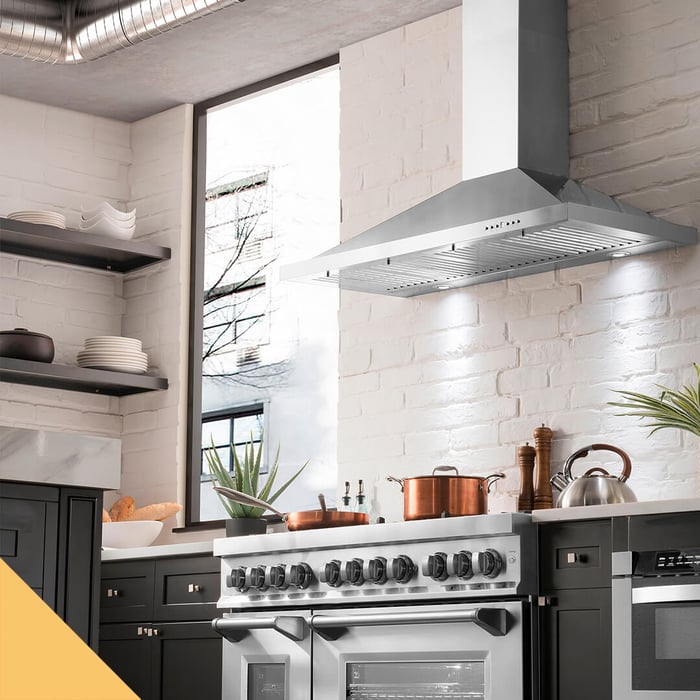
Anchored directly to the wall above your stovetop, these hoods deliver excellent ventilation with a bold, eye-catching presence. They work beautifully in kitchens with open wall space and create a polished focal point.
Under-Cabinet
Tucked neatly beneath your cabinetry, under-cabinet hoods are the most practical choice for homeowners who want powerful ventilation without sacrificing precious storage space. They blend in seamlessly with most kitchen designs.
Island Range Hood
If your cooktop sits on a kitchen island, a ceiling-mounted island hood is the way to go. These hoods make a dramatic design statement while providing the airflow coverage your island cooking station demands.
Ducted or Ductless: Which Is Right for You?
One of the first decisions you'll face is whether to go with a ducted or ductless system. Each has clear advantages depending on your kitchen setup and cooking habits.
Ducted Range Hoods
Ducted hoods channel air directly outside through external ductwork, offering the most powerful odor and smoke elimination available. They're the top pick for avid home cooks or anyone who does heavy-duty frying and grilling. The trade-off is that they require proper duct installation, which may add to your setup costs.
Ductless Range Hoods
Ductless models recirculate air through charcoal filters, trapping grease and neutralizing odors before pushing clean air back into your kitchen. While not quite as powerful as ducted systems, they're far simpler to install and are perfect for apartments, condos, or homes where running exterior ductwork isn't practical.
Explore Our Top-Rated Pick
Awoco RH-IT06 Range HoodKey Things to Consider Before Installation
Before committing to a particular range hood, take a careful look at your kitchen's layout. Ensure there's sufficient clearance between your cooktop and the space above it to allow proper ventilation. Most manufacturers recommend between 24 and 36 inches of distance.
If you're leaning toward a ducted system, consider the cost and complexity of routing ductwork through walls or ceilings. For homeowners looking for a quicker, less invasive installation, a ductless model may be the smarter move.
Sizing matters too. For the best performance and coverage, your range hood should match the width of your cooktop or extend slightly beyond it. A 30-inch cooktop pairs naturally with a 30-inch hood — keeping everything balanced visually and functionally.
Maintenance Tips for a Long-Lasting Hood
Keeping your stainless steel range hood in peak condition doesn't require much effort, but a little consistency goes a long way. Wipe down the exterior regularly using a soft cloth and a mild detergent to prevent fingerprints and grease from building up over time.
For the filters, aim to clean or replace them every few months depending on how often you cook. If you're running a ducted system, schedule a thorough duct inspection at least once a year to ensure nothing is blocking the airflow. These small habits will keep your range hood looking and performing like new.
How Stainless Steel Compares to Other Materials
While options like copper and tempered glass bring a unique visual flair, stainless steel consistently wins homeowners over with its unbeatable combination of durability, affordability, and versatility. It resists rust, handles extreme temperatures, and integrates naturally alongside virtually any kitchen appliance on the market.
Paired with strong ventilation, a stainless steel range hood strikes the ideal balance between form and function — elevating the look of your kitchen while keeping the air clean and comfortable to breathe.
Final Thoughts
A stainless steel range hood is more than just a kitchen appliance — it's a long-term investment in the cleanliness, safety, and style of your home. With the right hood in place, you'll enjoy fresher air, a grease-free cooking environment, and a kitchen that looks as good as it functions.
Take the time to consider your kitchen layout, cooking habits, and ventilation needs, and you'll find the perfect fit. The result? A kitchen that's a genuine pleasure to cook and spend time in.