
At the core of every well-equipped kitchen, a cooker hood serves as a vital appliance for maintaining fresh air and keeping cooking fumes at bay. Yet for many households, the constant drone of a noisy extractor fan can turn meal preparation into an unpleasant chore. Whether you're a passionate home cook or simply want a more serene environment, this guide walks you through everything you need to know about reducing cooker hood noise. From understanding decibel levels to exploring advanced soundproofing techniques, we'll help you reclaim the calm in your kitchen. It's time to say farewell to the clatter and welcome a quieter culinary experience.
What's Wrong with a Noisy Cooker Hood?

Loud, persistent noise coming from your cooker hood can quickly make your kitchen feel uncomfortable, particularly if you spend long stretches of time cooking. When the sound reaches unbearable levels, you might find yourself avoiding the hood altogether — which defeats its entire purpose and leaves your home filled with smoke, steam, and lingering odours.
In more extreme scenarios, consistently high noise levels may even contribute to hearing difficulties over time. Pay close attention to warning signs like struggling to hear conversations nearby, a sense of pressure or discomfort in your ears, or ringing that persists after you've finished cooking. It's also worth remembering that individual sensitivity to noise varies widely — some people are far more affected by certain frequencies than others, making even moderately loud hoods a real nuisance.
Making Sense of Cooker Hood Noise Levels
The noise output of a range hood is measured in decibels (dB), a universal unit for quantifying sound intensity. The actual noise level of any given model can differ considerably depending on its design, physical dimensions, fan speed settings, and the specific brand. Most manufacturers print the decibel rating on the product label or include it in the technical specifications sheet.
When testing noise levels, manufacturers generally follow standardised procedures:
📏 Distance
Sound readings are taken from a fixed distance — usually 1 metre (3.28 ft) or 2 metres (6.56 ft) from the hood's outlet.
⚡ Fan Speed
Measurements are captured across multiple fan settings — low, medium, and high — to provide a full noise range profile.
📋 Standards
Many manufacturers adhere to EU or other regulatory testing standards to ensure consistent, comparable noise reporting.
What Noise Level Should You Expect?
On average, most cooker hoods produce between 40 dB and 70 dB of noise. Here's a general breakdown of what to expect at each speed setting:
40–55
dB
Low Fan Speed
Similar to a quiet conversation or light background hum. Barely noticeable while cooking.
55–65
dB
Medium Fan Speed
Comparable to a normal speaking voice. Audible but generally manageable.
65–70+
dB
High Fan Speed
Approaching the volume of a vacuum cleaner. Can become intrusive over time.
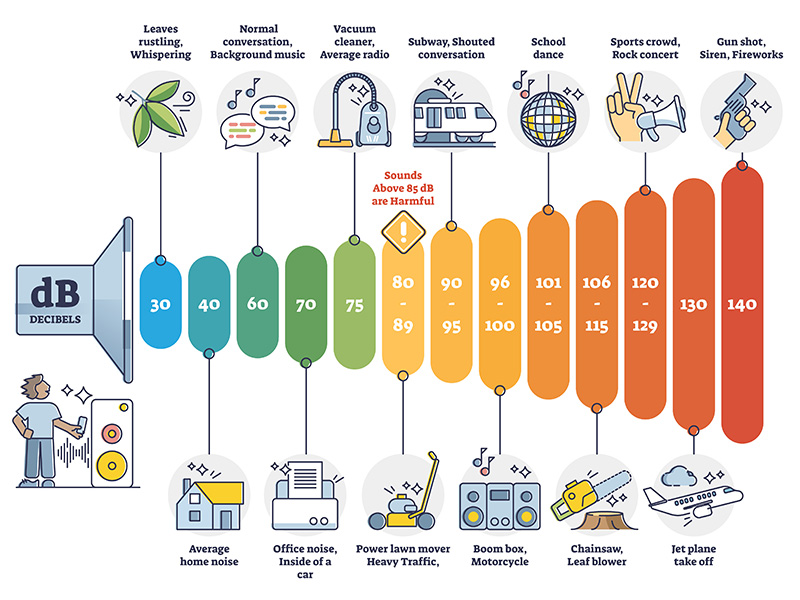
It's worth noting that models specifically marketed as quiet cooker hoods typically incorporate noise-reduction engineering such as improved insulation, whisper-quiet motors, and optimised airflow channels. Before purchasing, always review the product specifications and compare noise ratings across several options to find one that matches your need for a peaceful cooking space.
Featured Product
Awoco Super Quiet Split Insert Stainless Steel Range Hood
4 Speeds · 800 CFM · Mesh Filters · LED Lights
How to Cut Down Cooker Hood Noise
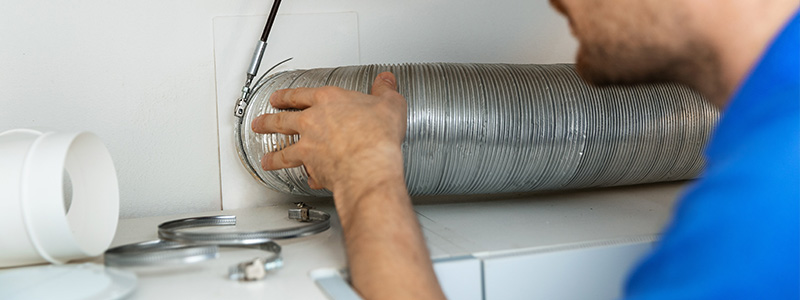
If you want to bring down the noise level of your existing cooker hood and enjoy a calmer cooking environment, here are some practical approaches to consider:
Opt for a Quieter Model
If you're in the market for a replacement, seek out range hoods that are engineered specifically for low noise output — look for features such as noise-dampening insulation and enhanced motor design.
Stay on Top of Maintenance
Keep your cooker hood in top shape by cleaning filters regularly and clearing out any grease accumulation. Clogged filters force the motor to work harder, which translates directly into more noise.
Inspect for Loose Components
Take a close look at your hood for any screws, bolts, or panels that may have worked loose. Tightening these can dramatically reduce vibrations and the rattling sounds they cause.
Use the Right Speed Setting
Match the fan speed to the task at hand. Reserve higher speeds for heavy-duty cooking like frying or grilling, and keep things on low for gentle simmering or light meal prep.
Ensure Correct Installation
A poorly fitted hood can produce excess vibrations and unwanted noise. Double-check that your unit is installed securely following the manufacturer's guidelines, or hire a professional to do the job properly.
Apply Soundproofing Materials
Line the surrounding cabinetry with acoustic panels, foam strips, or rubber matting. These materials absorb sound waves and can noticeably reduce the volume that reaches your ears.
Consider a Ducted Hood
If possible, choose a ducted cooker hood that vents air outside rather than recirculating it through filters. Ducted models are generally quieter since they bypass the need for air to pass back through additional filtration layers.
Cook During Quieter Hours
When feasible, schedule your most intensive cooking during times that minimise disturbance to others in the household — particularly if your kitchen is close to bedrooms or living areas.
Call in a Professional
If the noise persists despite your best efforts, it may be time to consult an appliance repair technician or qualified installer who can diagnose the root cause and recommend targeted solutions.
Ready for a Quieter Kitchen?
Browse our collection of low-noise range hoods and kitchen ventilation solutions. A calmer, more enjoyable cooking experience is just a click away.