
Commercial range hoods are vital components in any professional or home kitchen setup. They pull smoke, heat, grease, and odors out of the air to keep your cooking space clean and safe. At the core of every effective range hood sits its filter system — the part responsible for trapping airborne contaminants. These filters are available in a variety of styles and designs, each built to match specific kitchen layouts and range hood configurations. By learning about the various filter options and what sets them apart, you can pick the ideal one for your culinary needs.
What Exactly Is a Range Hood Filter?
Range hood filters are specially engineered screens designed to capture grease particles and other airborne contaminants as they travel through the air and up into the exhaust system. Depending on the type of hood you own and the configuration of the filter, trapped air is either recirculated back into the kitchen or expelled outside through connected ductwork. Beyond keeping your kitchen cleaner, these filters play a key role in reducing fire hazards by preventing grease accumulation in the ventilation system — a critical safety feature in high-volume commercial kitchens.

Range Hood Filter Types
When it comes to selecting a range hood filter, you generally have four main categories to consider: charcoal hood filters, baffle hood filters, mesh hood filters, and pre-filters. By choosing the right filter style and making sure it is installed and maintained correctly, you can keep your cooking environment comfortable while extending the overall lifespan of your range hood.
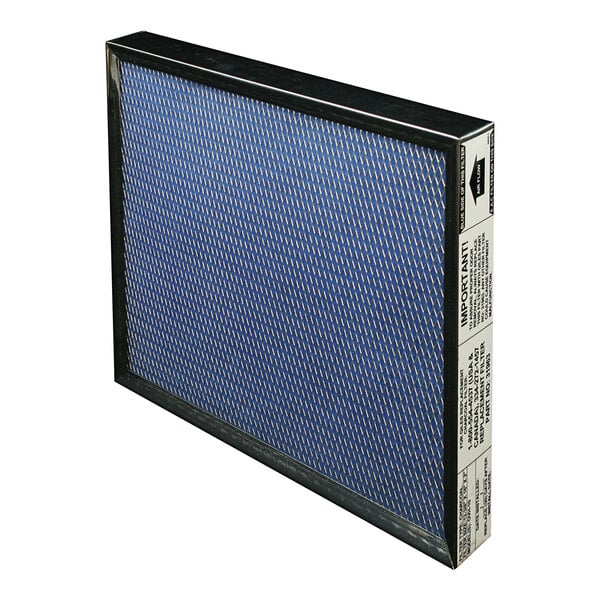
Charcoal Hood Filter
Charcoal filters, commonly referred to as carbon filters, are a widely used option for ductless range hood setups. They provide excellent filtration for both grease particles and cooking odors. These filters are constructed with an active carbon layer that acts as an absorbent — trapping airborne grease, neutralizing kitchen smells, and leaving your space feeling fresh and clean. The unique molecular structure of activated charcoal forms a porous surface that effectively attracts and holds grease and odor-causing gas molecules.
Because of the nature of charcoal, thorough cleaning can generate extremely high temperatures, which means chemical-based cleaning solutions are not recommended. As a result, periodic replacement of charcoal filters is essential to ensure the air quality and performance of your kitchen remain at their best.
Baffle Hood Filter
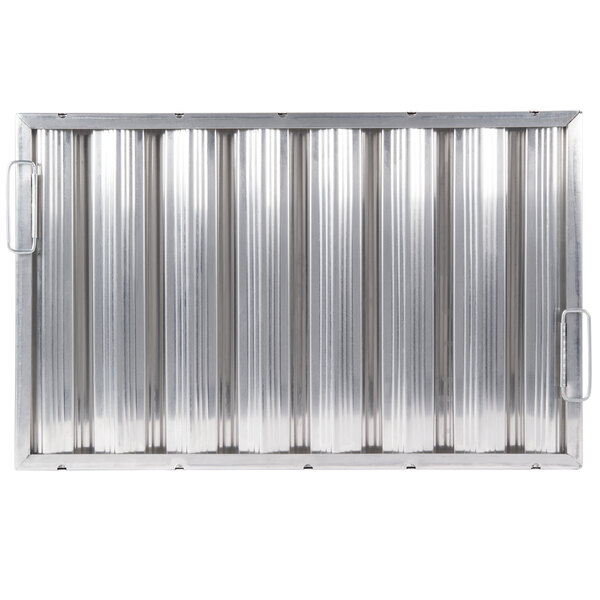
Baffle hood filters are identified by their angled metal panels, or baffles, that work to intercept grease and other airborne particles in the air stream. They redirect incoming airflow through a series of directional changes, creating a safe and efficient path for grease to collect and drain away from the cooking area. Because of their interlocking components and solid metal construction, baffle filters are far less susceptible to clogging than other types. They are extremely effective at catching grease in particular, reducing buildup inside your ductwork over time.
While baffle filters provide a wide range of benefits, they do come with a higher upfront cost compared to other filter options. These filters are also heavier than most alternatives, which can make them more difficult to install. Despite this, the long-lasting performance and durability of baffle filters make them a worthwhile investment.
Mesh Hood Filter
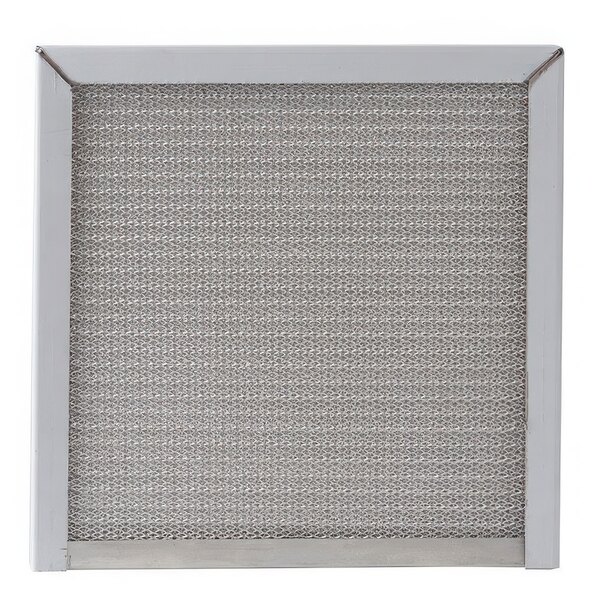
Mesh hood filters are made with layers of woven wire mesh, usually from a type of metallic cloth constructed with aluminum. The lightweight mesh creates fine openings that efficiently catch airborne grease as it moves through the filter and into the exhaust system. They feature tight yet consistent airflow distribution and optional ventilation panels. You can choose from several levels of weave density, giving you the flexibility to customize the filtration intensity for your specific kitchen setup.
Mesh filters offer an affordable alternative, with a lower initial investment compared to baffle hood filters. Their lighter structure makes them easier to handle and install, though they tend to require more frequent attention in the kitchen due to the design of the mesh. They are not as durable as their baffle counterparts, and over time, they may need maintenance or replacement to ensure continued optimal performance in your kitchen.
Pre-Filter
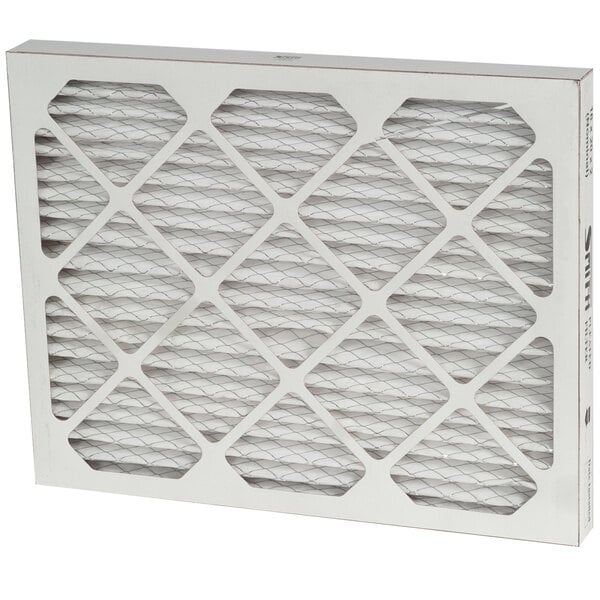
Pre-filters are designed to capture large particles before they ever reach the primary filter of your hood. They trap airborne dust, hair, and sizable grease droplets. They are commonly found as disposable or washable liners, positioned where they can be easily accessed and swapped out. When used correctly, pre-filters extend the life of your primary filter and help reduce the amount of wear and tear on the main system, saving you both time and money on overall maintenance.
Pre-filters are often considered the most disposable type of filter, offering a budget-friendly filtration option for select kitchens. Their throwaway nature makes them easy to replace on a regular basis, ensuring consistent filtration efficiency.
Range Hood Filter Materials
The material of a range hood filter directly impacts its durability, installation process, ease of cleaning, and overall performance. When it comes to commercial settings, there are two main filter materials commonly found in professional-grade hoods: stainless steel and aluminum.
Stainless Steel Filters
Stainless steel hood filters are a leading choice for high-volume kitchen environments. For maximum convenience, these filters can be placed in commercial dishwashers and washed alongside pots, pans, and other kitchen tools. They can be paired with a pressure washer for added flexibility. Though they often come at a premium compared to other filter materials, their greater heat and stain resistance makes them more durable and far less likely to bend or warp. This robust construction allows them to withstand the demands of a busy commercial kitchen over the long run.
Aluminum Filters
Aluminum hood filters are common in commercial kitchens that operate at lower volumes. Their affordability makes them a practical option for businesses looking to reduce costs without sacrificing quality, and they often have a slight edge in terms of aesthetics. The tradeoff is decreased durability. While aluminum filters are cost-effective upfront, they may require more frequent replacements compared to stainless steel options. Avoid placing aluminum filters in commercial dishwashers and wash them by hand instead, as harsh chemicals and high temperatures can damage the material over time, causing warping or discoloration.
Range Hood Filter FAQ
Range hoods are an essential component of any commercial kitchen, and their filters are crucial to effective operation. Here are answers to some of the most commonly asked questions to help you install and maintain your hood with professional consistency.
Final Thoughts
Range hood filters play an essential role in keeping fast-paced kitchens safe, clean, and comfortable for staff. It is important to choose the right type of filter for your specific range hood model and to regularly clean and replace the filter as needed to ensure optimal performance. By following the information above, you can make an informed purchase and set your kitchen up for long-term safety and success.
Upgrade Your Kitchen Ventilation
Explore our premium range hood selection built for performance and durability.
Awoco RH-IT06 Range Hood 800CFM