
Transform your hunting strategy by taking your ground blind to new heights for improved visibility and stealth
Ground blinds have become an essential tool for modern deer hunters, offering concealment and comfort during long sits. While traditional ground-level setups work well, experienced hunters are discovering that elevating their blinds can dramatically improve their success rates. By positioning your blind above ground level, you gain critical advantages in visibility, scent control, and shooting angles that can make the difference between a successful hunt and going home empty-handed.
This comprehensive guide explores the benefits of elevated ground blinds, the different methods for achieving height, and essential considerations to ensure your setup is both effective and safe. Whether you're hunting from private land or public areas, understanding how to properly elevate your blind can revolutionize your approach to whitetail hunting.
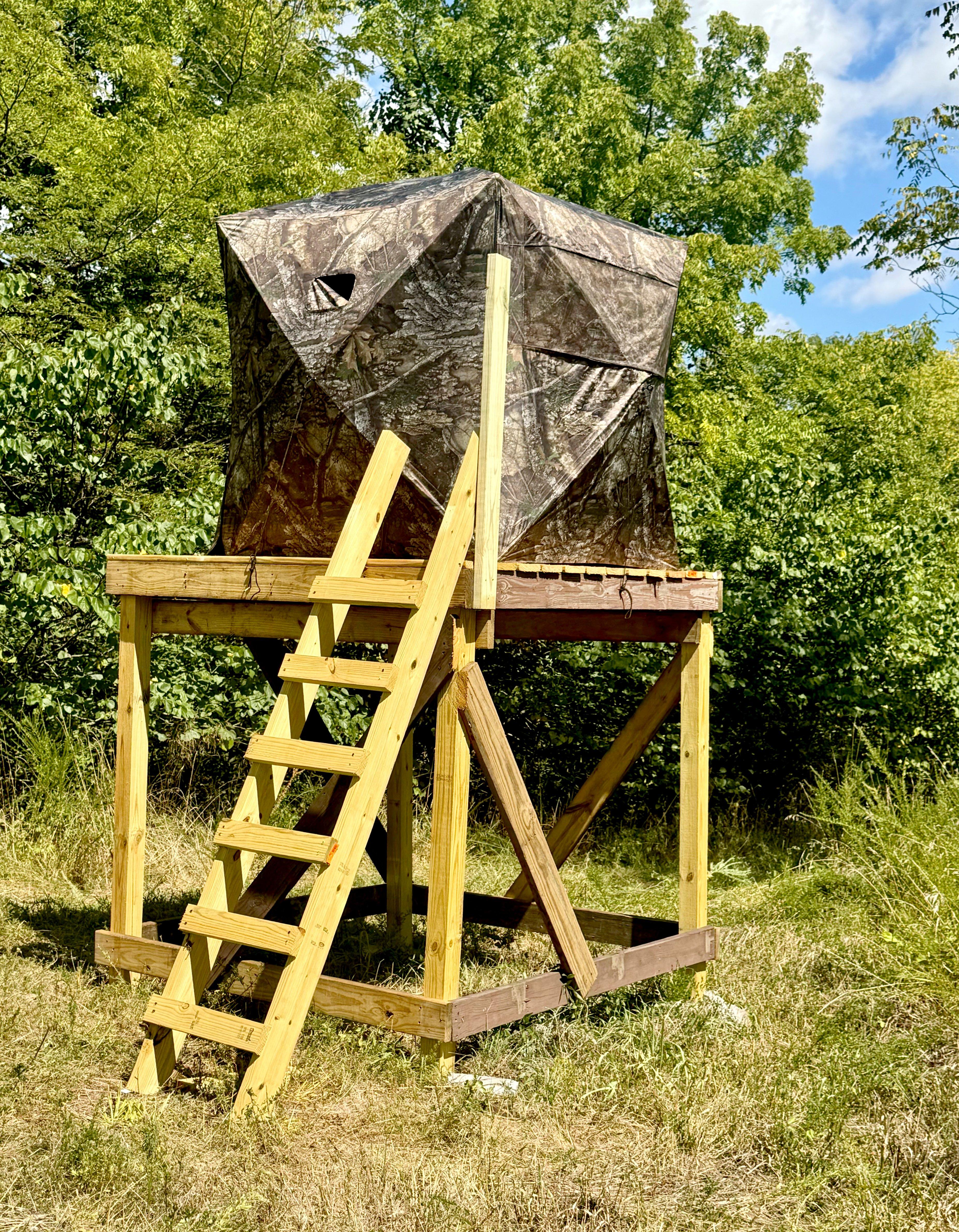
Why Elevation Makes the Difference
Raising your hunting blind off the forest floor provides multiple strategic advantages that directly impact your hunting effectiveness. The most immediate benefit is enhanced visibility across your hunting area. From an elevated position, you can see over brush, tall grass, and other vegetation that would otherwise block your view at ground level. This expanded field of vision allows you to spot approaching deer much earlier, giving you crucial time to prepare for a shot.
Scent management becomes significantly easier when you're hunting from height. Your human odor naturally rises, and by positioning yourself above deer travel routes, you reduce the likelihood of being detected by a whitetail's incredibly sensitive nose. This is particularly valuable during periods when wind conditions are less than ideal, as the elevation helps disperse your scent above the deer's normal detection zone.
The shooting angles from an elevated blind also create opportunities that don't exist at ground level. You gain clearer lanes through the canopy and can take ethical shots over obstacles that would block ground-level attempts. Additionally, deer are naturally programmed to watch for threats at their eye level and on the ground—they rarely look up, which means your elevated position makes you much less likely to be spotted, even with some movement inside the blind.
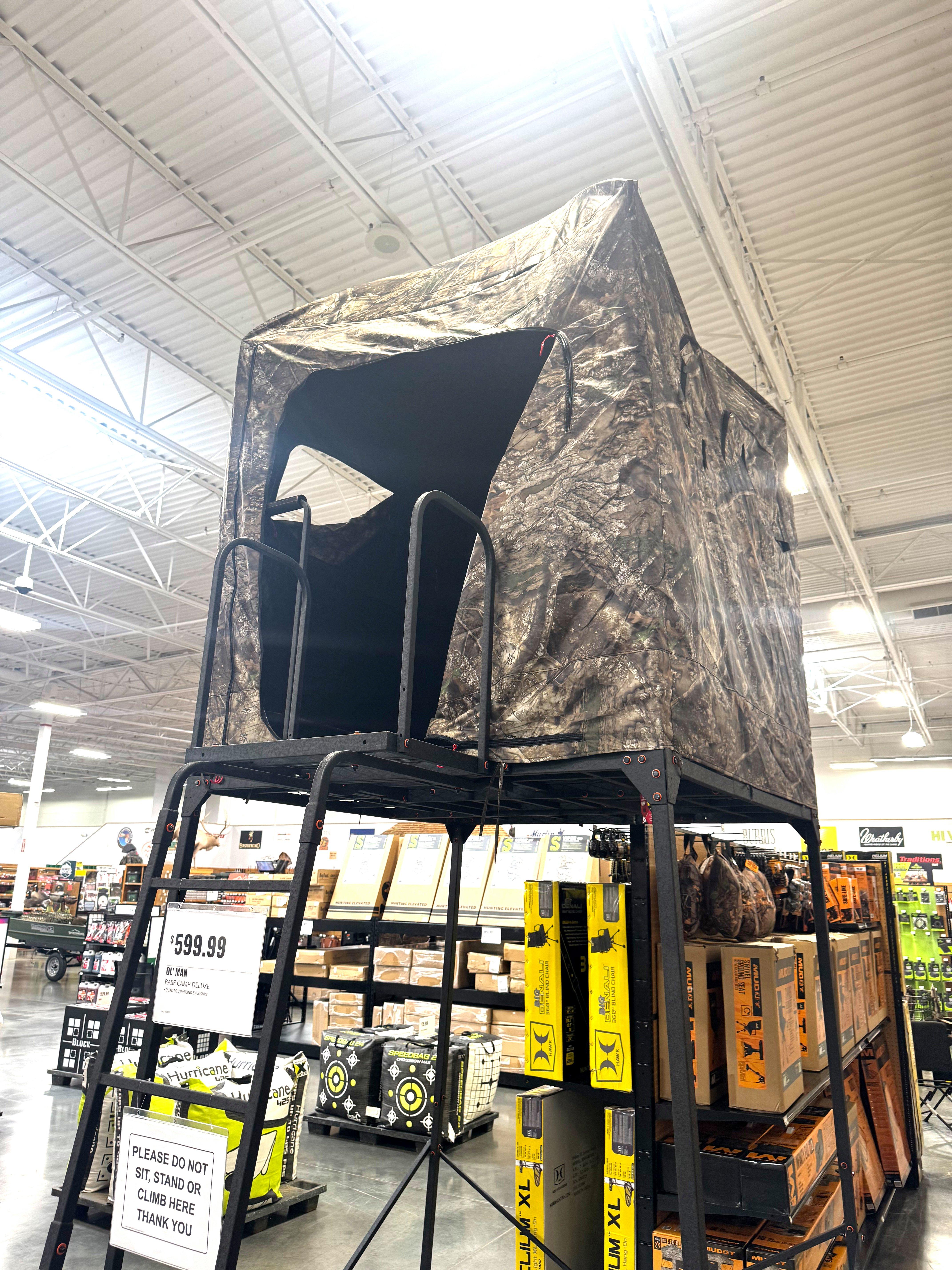 Building Your Elevated Platform
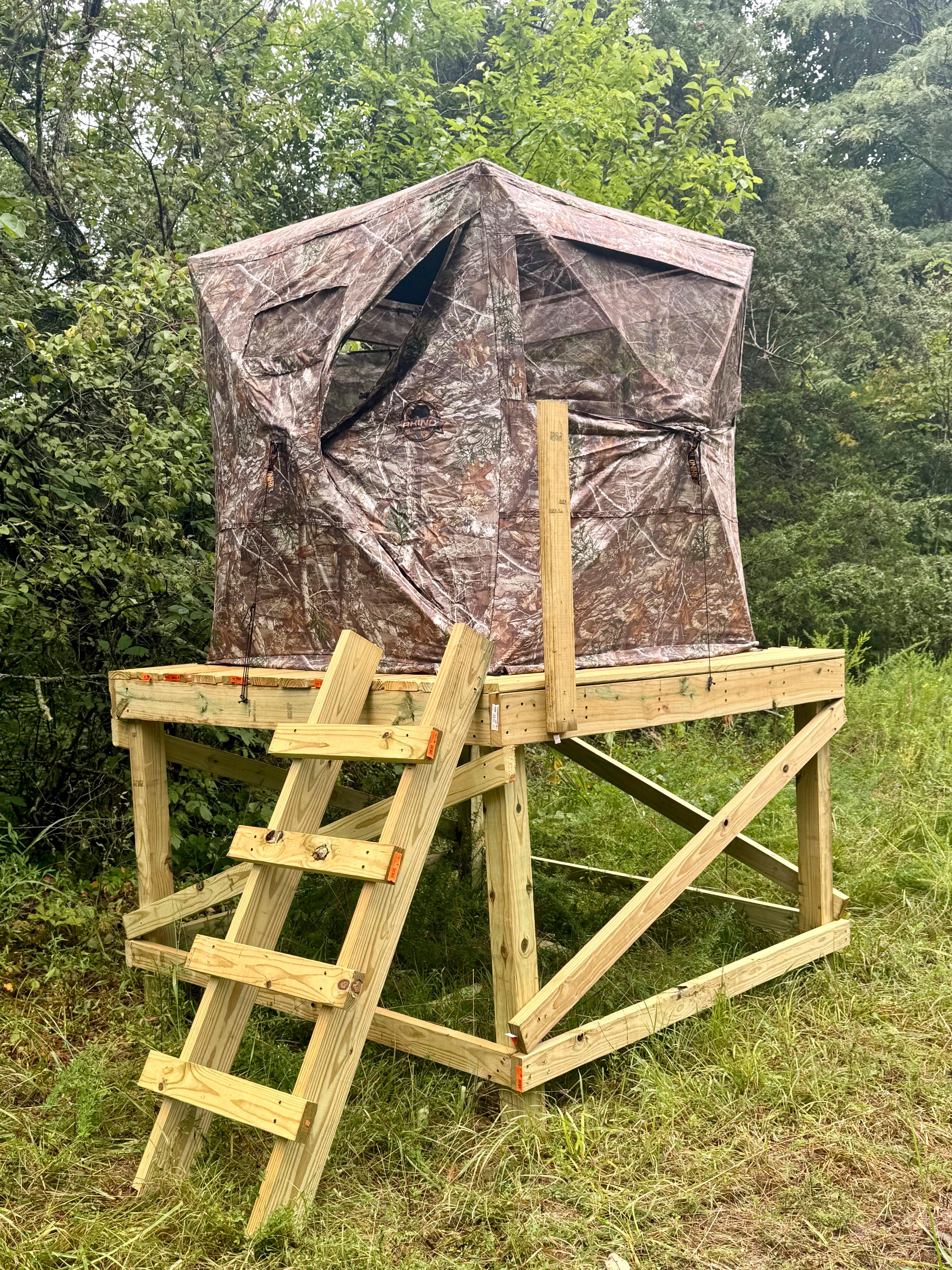
Creating a stable, safe platform for your elevated blind requires careful planning and quality materials. The most common approach involves constructing a wooden platform using pressure-treated lumber that can withstand the elements. A typical design uses four corner posts sunk deep into the ground, with cross-bracing for stability and a level deck surface on top. The platform should be slightly larger than your blind's footprint to allow for safe entry and exit.
The height of your platform is a crucial consideration. Most hunters find that six to eight feet provides an excellent balance between the benefits of elevation and practical accessibility. This height offers sufficient advantage for scent control and visibility while remaining low enough to construct safely and access comfortably. Going much higher increases both construction complexity and safety risks without proportional benefits for most hunting situations.
Access is another critical element of your elevated blind setup. A sturdy ladder or stairway is essential for safe entry and exit, especially in darkness or inclement weather. Many hunters incorporate a removable ladder section to prevent unauthorized access when they're not present. Whatever access method you choose, ensure it's secured firmly to the platform and provides stable handholds for climbing with gear.
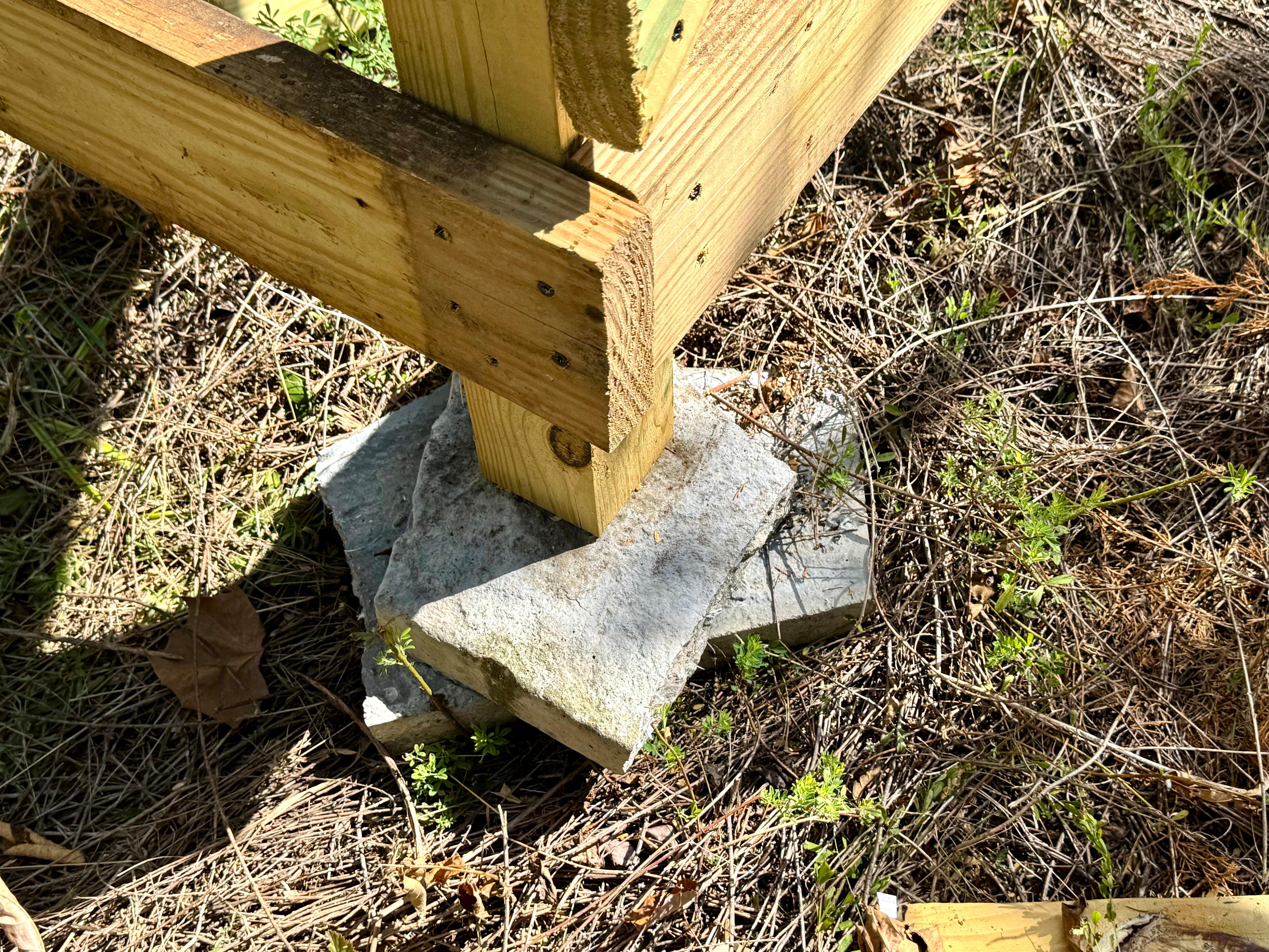
Premium Elevated Hunting Solution
For hunters seeking a professional-grade elevated blind system, purpose-built solutions offer unmatched convenience and reliability. These engineered systems provide all the benefits of elevation with superior weather protection, noise reduction, and long-term durability.
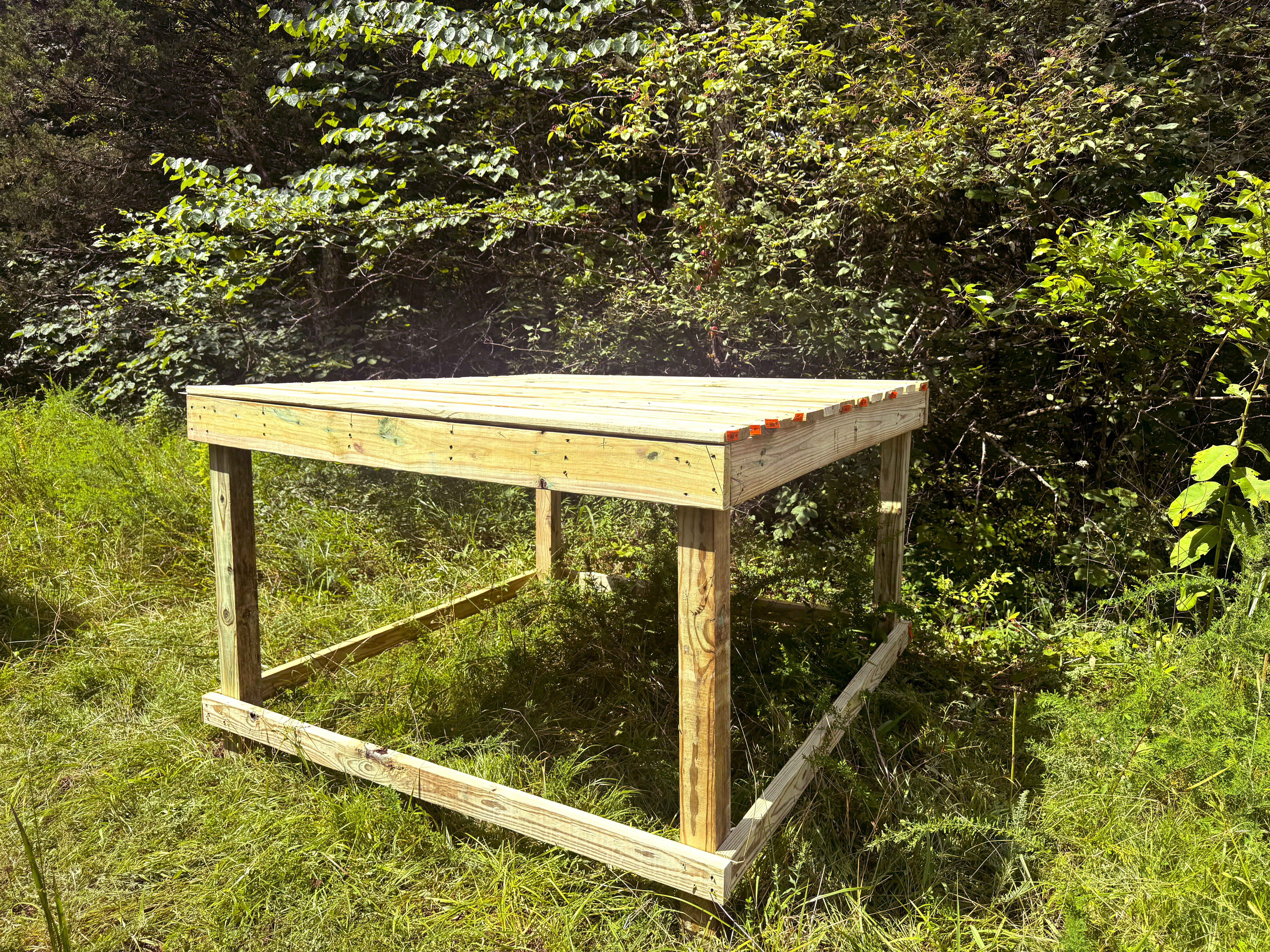 Alternative Elevation Strategies
Not every hunting situation requires building a permanent platform. For hunters who need flexibility or are hunting on land where permanent structures aren't permitted, several alternative approaches can achieve the benefits of elevation. Trailer-mounted blinds have gained popularity as a highly mobile solution that can be moved between locations as needed. These systems mount a blind directly onto a utility trailer, providing instant elevation and the ability to reposition quickly based on changing deer patterns.
Elevated shooting houses represent another option, particularly for hunters with the skills and resources to construct more substantial structures. These permanent installations can accommodate multiple hunters, provide complete weather protection, and become valuable property improvements. While they require significant investment in time and materials, they offer unmatched comfort and effectiveness for serious deer management.
Some innovative hunters have also found success placing portable blinds on elevated natural features like hillsides, rock outcroppings, or even large fallen logs. While these options don't provide as much height as purpose-built platforms, they still offer improved visibility and scent control compared to completely flat ground setups. The key is identifying natural elevation advantages in your hunting area and positioning your blind to capitalize on them.
 Essential Safety Considerations
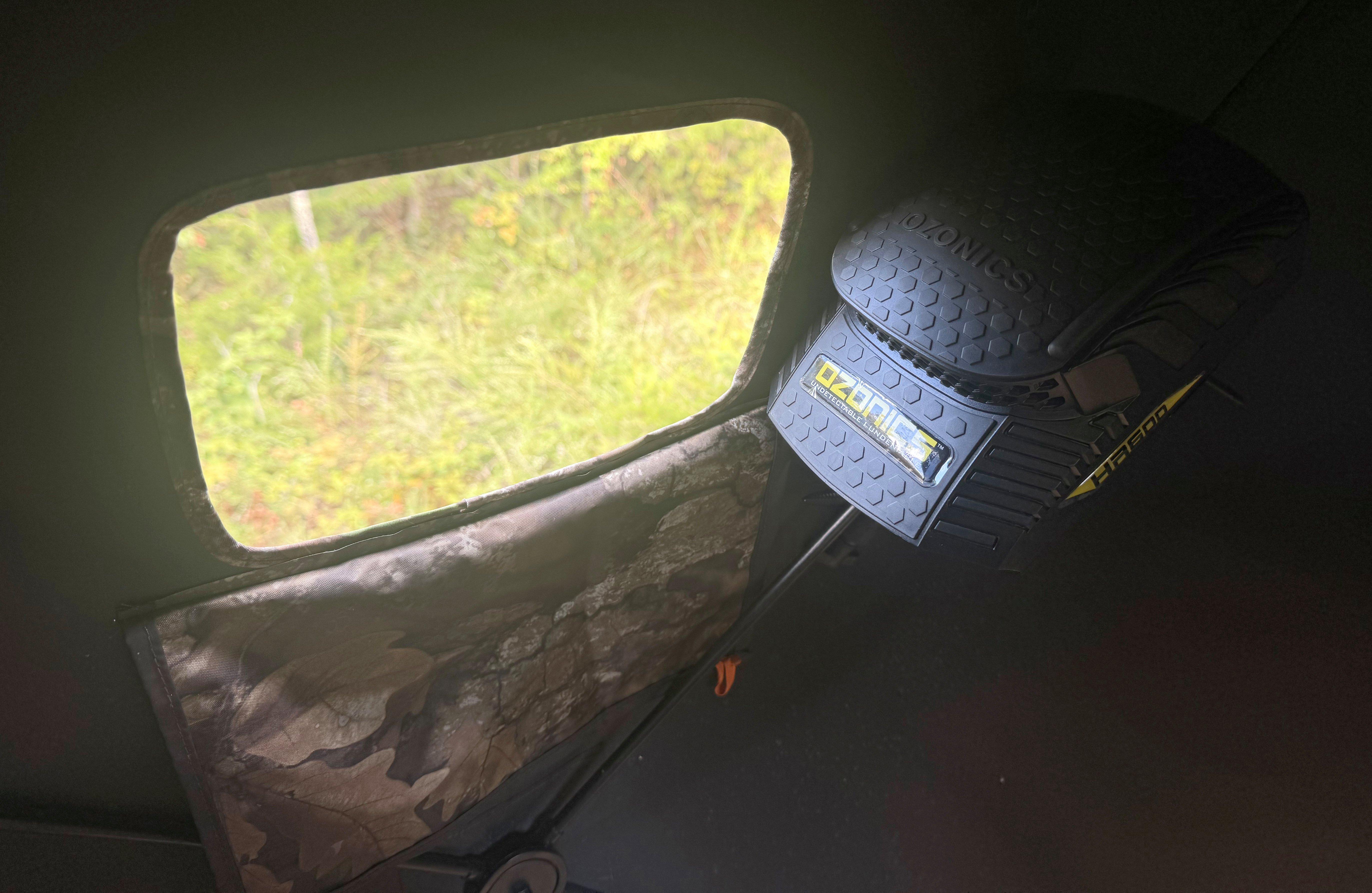
Safety must be your top priority when hunting from any elevated position. The construction of your platform or mounting system should never be rushed or done with inferior materials. Use quality hardware rated for outdoor use, and ensure all connections are secure and regularly inspected for wear or damage. A platform that seems solid during construction can deteriorate over time due to weather exposure, so annual inspections are essential.
Always use a safety harness when hunting from an elevated position, even if you're in an enclosed blind. Falls from height are one of the most common and preventable hunting accidents. Modern safety harnesses are comfortable, affordable, and can literally save your life. Attach your harness to a secure anchor point before climbing, and remain connected throughout your hunt.
Weather conditions deserve special attention when hunting from elevated blinds. High winds can make platforms unstable and create dangerous situations, particularly with lightweight pop-up style blinds. Heavy rain or ice can make access ladders treacherously slippery. Always assess conditions before climbing, and don't hesitate to postpone a hunt if weather makes your elevated setup unsafe. No deer is worth risking serious injury.
Optimizing Your Elevated Blind Setup
Location selection becomes even more critical with elevated blinds due to the time and resources invested in setup. Study your property thoroughly to identify high-traffic deer corridors, feeding areas, and bedding zones. An elevated blind positioned at the intersection of multiple travel routes can provide opportunities throughout the season as deer movement patterns shift. Consider sight lines carefully—while elevation improves visibility, you still need clear shooting lanes to the areas where you expect deer to appear.
Brush in your elevated blind well before hunting season to allow deer time to accept it as part of the landscape. Even though elevated blinds are less likely to be noticed than ground setups, giving the local deer population time to become comfortable with this new structure in their environment will improve your success rate. Use natural materials to break up the outline of your platform and blend it with surrounding vegetation.
Window management in your elevated blind requires thoughtful planning. You'll want shooting windows facing your primary areas of interest, but additional observation windows can help you track deer movement across a wider area. Remember that being elevated changes your shooting angles—you may need to adjust window heights compared to what works in a ground blind. Practice shooting from your elevated position before the season to become comfortable with the angles and ensure your setup allows for smooth, ethical shots.
Access routes to your elevated blind deserve as much consideration as the blind location itself. Create a clear path that allows quiet approach in darkness, and position your platform so you can enter with minimal exposure to the areas you're hunting. Many hunters install their access ladder on the side of the platform opposite their primary shooting windows, reducing the chance of spooking deer during entry and exit.
Taking Your Hunting to the Next Level
Elevating your ground blind represents more than just a physical change in hunting position—it's a strategic evolution in your approach to whitetail hunting. The combination of improved visibility, better scent control, and enhanced concealment creates a hunting advantage that can dramatically increase your opportunities for success. Whether you choose to build a custom platform, invest in a manufactured elevated system, or adapt existing terrain features, the benefits of hunting from height are undeniable.
The investment in time, materials, and planning required for an elevated blind setup pays dividends throughout your hunting career. A well-constructed platform can provide decades of service, becoming a productive hunting location that you'll return to season after season. As you spend time in your elevated blind, you'll develop intimate knowledge of deer movement patterns in the area, further increasing your effectiveness as a hunter.
Remember that elevation is a tool, not a guarantee. Success still requires patience, woodsmanship, understanding of deer behavior, and ethical hunting practices. But by positioning yourself above ground level, you're stacking the odds in your favor and creating opportunities that simply don't exist for hunters who remain on the forest floor. This season, consider how raising your blind could raise your hunting success to new heights.
Ready to Elevate Your Hunt?
Discover professional-grade elevated blind systems designed to give you the ultimate advantage in the field
Shop Elevated Blinds