
Everything you need to know about attracting and managing deer on your property
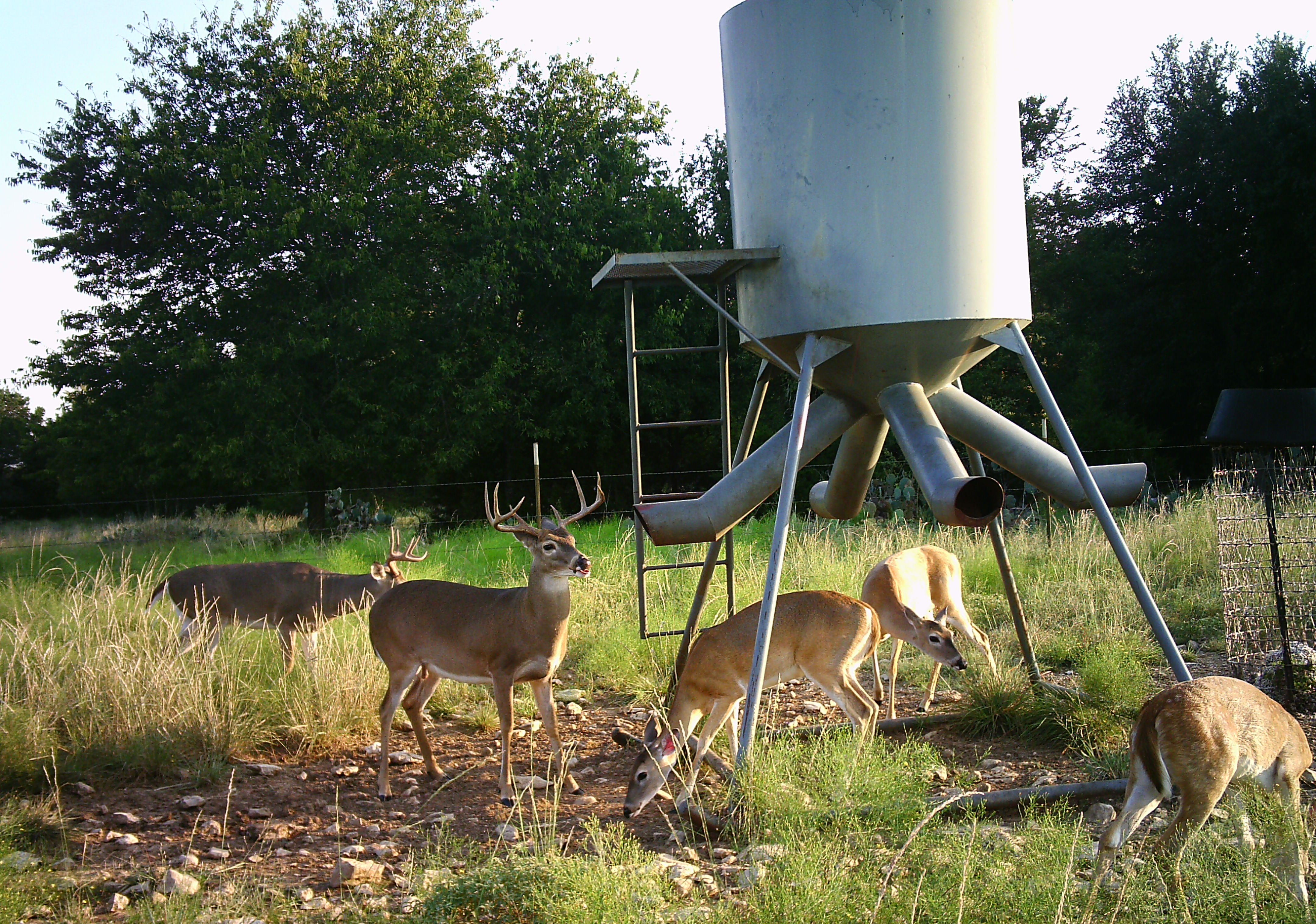
For property owners fortunate enough to live in regions where deer feeding is permitted year-round, installing a deer feeder can be an excellent strategy for game management, hunting preparation, herd health monitoring, or simply enjoying wildlife up close. Whether your goal is population control or attracting more deer to your land, a well-placed feeder makes all the difference.
Deer feeders offer a practical and highly effective method for drawing deer onto your property and encouraging them to stay within your preferred areas. Once deer discover a reliable food source, they tend to return consistently, creating opportunities for observation, photography, or ethical hunting practices.
In This Guide, You Will Discover:
- What exactly constitutes a deer feeder
- Legal considerations and regional regulations
- Different feeder styles and their components
- Protection from pests and unwanted animals
- Setup tips for maximum effectiveness
- Choosing the perfect feeder for your situation
What Exactly Is a Deer Feeder?
At its core, a deer feeder is any device designed to dispense food to deer in a controlled manner. When most people envision a deer feeder, they picture the classic spin-cast model—a container mounted on three or four sturdy legs equipped with a timer mechanism that releases feed at predetermined intervals throughout the day.
However, there is another popular category known as gravity feeders or free-choice feeders. These ingenious devices provide a constant supply of food, allowing deer to eat whenever hunger strikes without waiting for a timed release.
Modern deer feeders accommodate an impressive variety of feed options including whole corn, specialized protein blends, compressed pellets, dried beans, field peas, and various seed mixtures. The right combination depends on your specific goals and the nutritional needs of your local deer population.
 Understanding Deer Feeding Regulations
Before investing in a deer feeder, it is absolutely essential to research the specific regulations governing deer feeding in your area. Failing to do so could result in hefty fines or legal complications that easily could have been avoided.
Regulations vary dramatically from state to state. Some jurisdictions maintain strict prohibitions on any form of deer feeding, while others adopt a more permissive approach. For instance, Texas has historically maintained relatively relaxed policies regarding deer feeding and supplementation. In stark contrast, states like Colorado and Montana enforce complete bans on the practice.
⚠️ Important Reminder
Are you familiar with the deer feeding laws where you hunt or own property? These regulations can be surprisingly complex and may differ between hunting seasons and off-seasons. Taking time to understand them now prevents problems later.
We strongly recommend consulting your state's wildlife agency website or contacting local game wardens directly. Staying informed about current regulations ensures you remain on the right side of the law while enjoying your deer feeding activities.
Feeder Styles and Essential Components
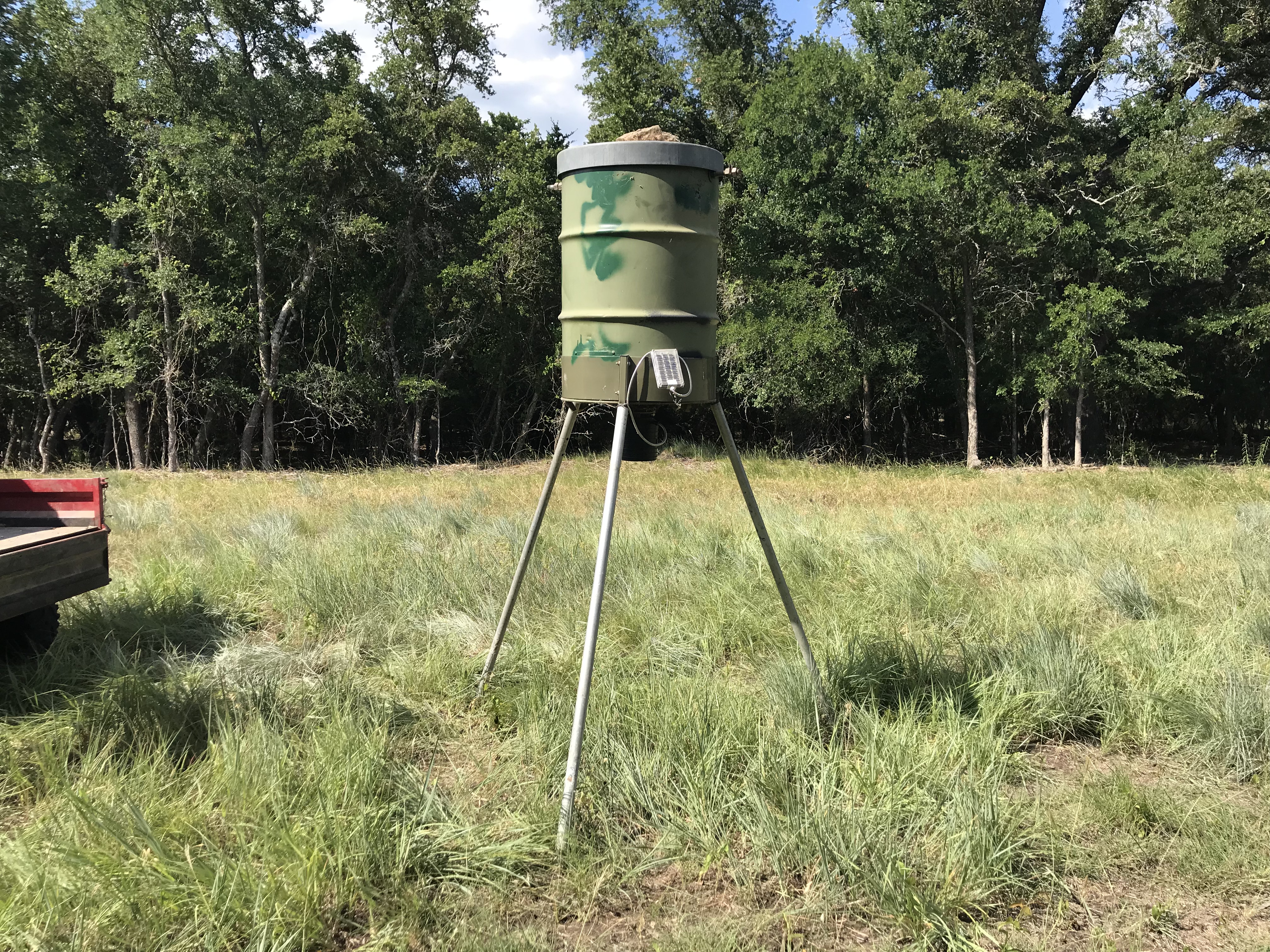
The deer feeder market offers remarkable diversity in both size and design. Options range from compact 50-pound hanging spin feeders perfect for smaller backyards to massive 1,000-pound capacity gravity systems designed for serious wildlife management operations. Between these extremes, you will find wooden trough feeders, tripod-mounted units, and everything in between.
Despite their visual differences, virtually all deer feeders share two fundamental components: a reservoir for storing feed and a distribution mechanism for dispensing it. Understanding these basics helps you evaluate different models effectively.
The Reservoir
This container holds your feed supply and must withstand harsh outdoor conditions. Common materials include galvanized steel for maximum durability, repurposed 55-gallon drums for budget-conscious setups, or wooden troughs that blend naturally into wooded environments.
Distribution System
Whether timer-controlled spinner plates or simple gravity-fed openings, this mechanism determines how and when deer access the feed. Timed systems offer precise control while gravity feeders provide continuous availability.
Protecting Your Investment from Pests
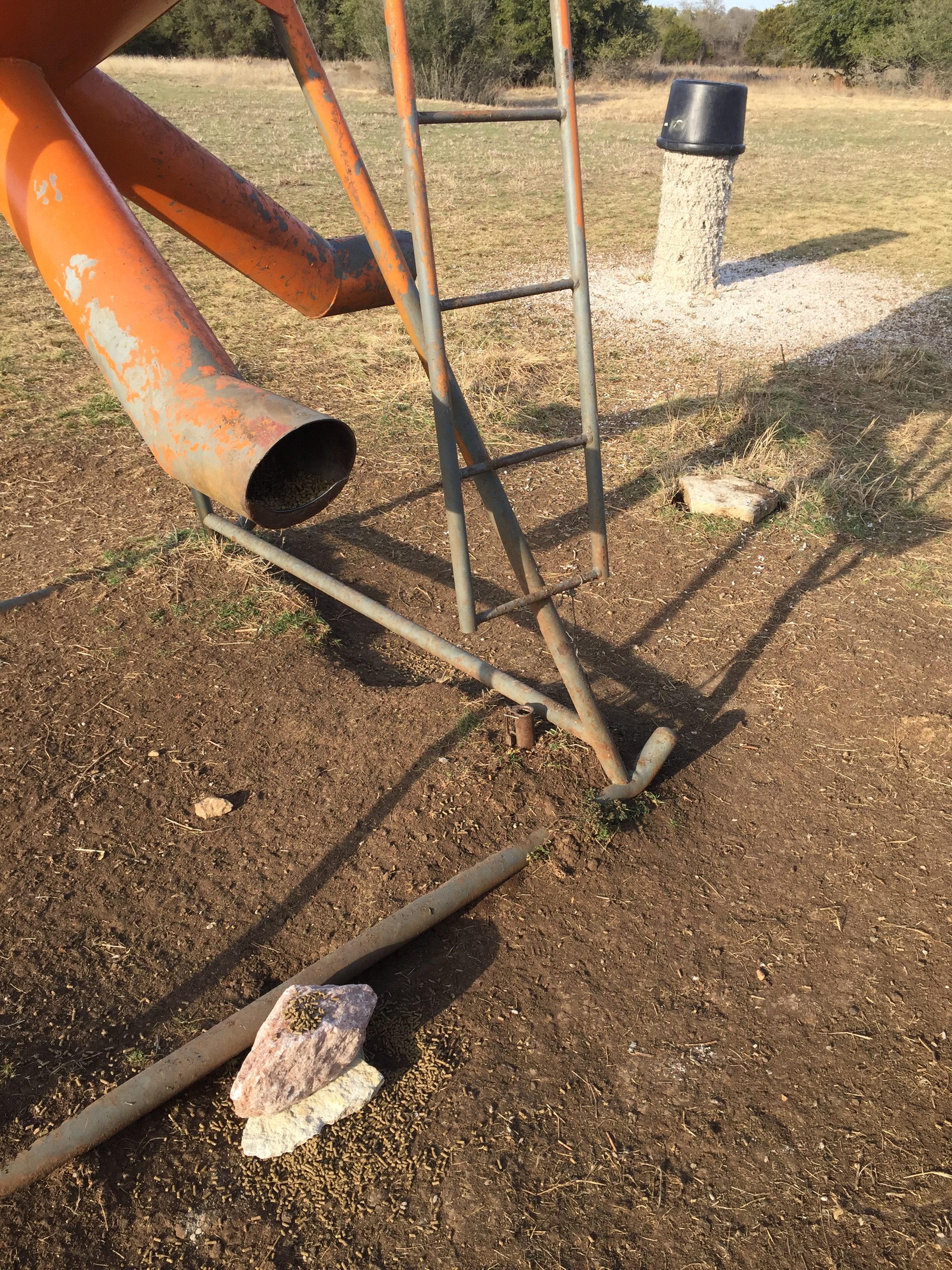
One challenge every deer feeder owner eventually faces is unwanted visitors. Raccoons, squirrels, and other opportunistic animals quickly discover free food sources and can empty a feeder surprisingly fast while potentially damaging the mechanism.
Fortunately, varmint guards and specialized protective accessories have evolved to address this problem. Investing in quality deterrent systems not only preserves your feed supply but also ensures deer remain the primary beneficiaries of your efforts. These protective measures typically pay for themselves quickly through reduced feed waste.
Strategic Setup Considerations
Proper feeder placement dramatically impacts its effectiveness. Consider factors such as prevailing wind patterns, natural deer travel corridors, available cover, and accessibility for refilling. A feeder positioned along established deer trails near bedding areas will typically outperform one placed randomly in an open field.
Additionally, think about your maintenance needs. Placing a feeder in an extremely remote location might seem ideal for undisturbed deer activity, but the difficulty of regular refilling could lead to inconsistent feeding schedules that discourage deer from becoming regular visitors.
Selecting the Perfect Feeder for Your Needs
With so many options available, choosing the right deer feeder depends entirely on your specific circumstances. Consider your property size, deer population density, budget constraints, and primary objectives. A casual backyard wildlife enthusiast has different requirements than a serious land manager focused on herd improvement.
Gravity feeders excel at providing consistent, low-maintenance feeding while spin feeders offer greater control over feed distribution timing. Larger properties may benefit from multiple smaller units rather than a single large system, creating feeding stations across different zones.
Featured Product
Banks Outdoors FeedBank 300 Gravity Deer Feeder
Ready to get started with a reliable, high-capacity gravity feeder? The FeedBank 300 delivers exceptional performance for serious wildlife enthusiasts and property managers alike.
Shop FeedBank 300Start Your Deer Feeding Journey Today
Whether you are managing a hunting property, supporting local wildlife, or simply want to observe these magnificent animals more closely, a quality deer feeder represents an investment that delivers returns for years to come. By understanding the fundamentals covered in this guide, you are now equipped to make an informed decision that matches your unique situation.
Remember to verify local regulations, choose appropriate feed for your area and season, and position your feeder strategically for best results. With the right setup, you will soon enjoy regular visits from healthy, well-fed deer right on your own property.