
Master the art of ground blind placement and setup for optimal hunting results
Successfully setting up a ground blind requires thoughtful planning and strategic execution. Whether you're hunting with a crossbow or firearm, the location and preparation of your ground blind can significantly impact your success rate. Many hunters make the mistake of rushing through the setup process, only to find themselves in less-than-ideal positions when game appears. Taking time to scout your area and plan accordingly will pay dividends when it matters most.
The key to successful blind hunting is understanding how animals move through your property and positioning yourself to intercept them naturally. This means considering wind direction, travel patterns, food sources, and bedding areas. When you take the time to set up your blind properly, you transform it from a simple shelter into a strategic hunting advantage that conceals your presence while providing clear shooting opportunities.
 Choosing the Perfect Location
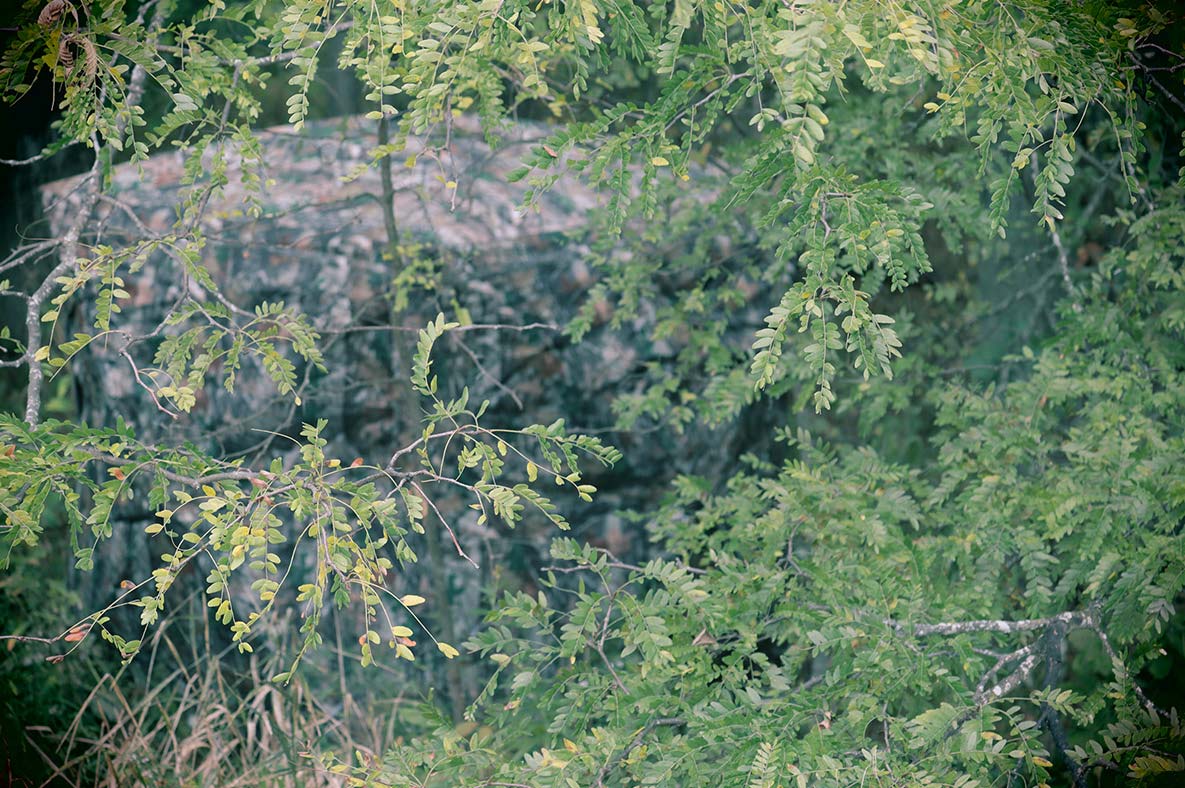
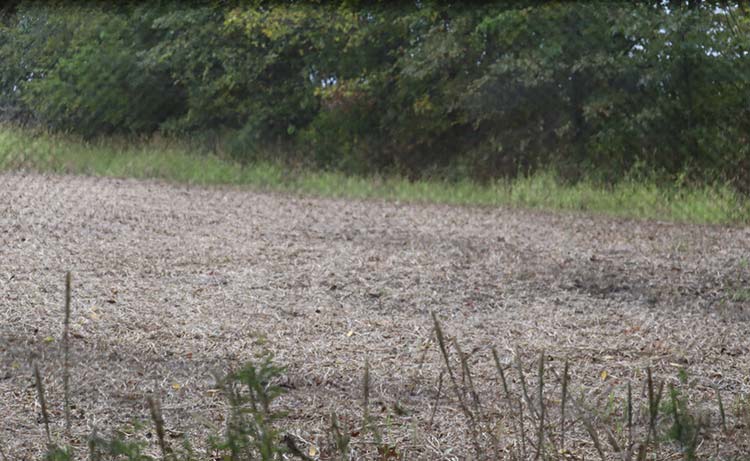
Location selection is arguably the most critical decision you'll make when setting up your ground blind. The perfect spot offers natural concealment, clear shooting lanes, and positions you along established game trails or near food sources. Avoid placing your blind in areas that require excessive vegetation clearing, as this creates obvious disturbances that alert wildlife to human presence.
Look for natural terrain features that provide cover and break up your outline. Positioning your blind near brush piles, fallen trees, or existing vegetation helps it blend seamlessly into the environment. Remember that animals have keen eyesight and notice changes in their surroundings, so incorporating your blind into the existing landscape is essential for remaining undetected.
Consider establishing your blind well in advance of hunting season. This allows local wildlife to acclimate to the new structure, viewing it as part of their natural environment rather than a threat. Animals that encounter a blind that has been in place for weeks are far less likely to spook when passing nearby during your hunt.
 Selecting the Ideal Crossbow Setup
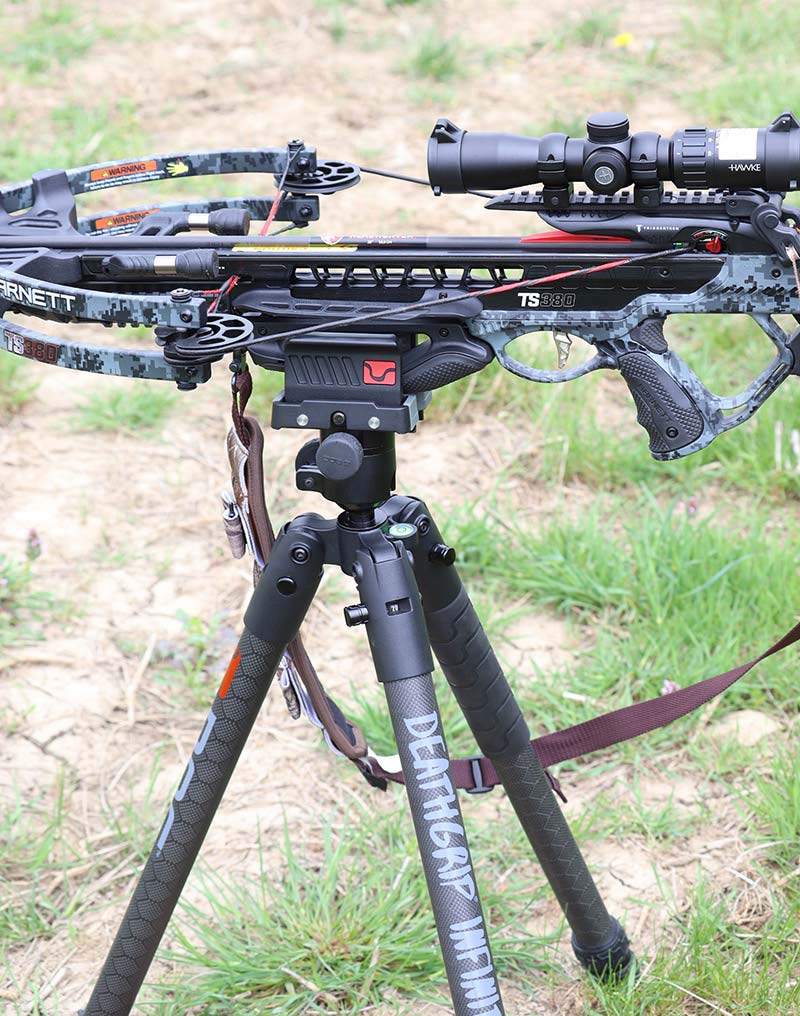
When hunting from a ground blind, your crossbow setup becomes even more important than usual. The confined space requires careful consideration of your equipment's dimensions and shooting characteristics. Ensure you have adequate room to maneuver your crossbow without bumping against the blind walls, which can create noise and movement that alerts nearby game.
Practice shooting from a seated position before your hunt. The shooting angles and body mechanics differ significantly from standing shots, and you need to develop muscle memory for these positions. Consider the height of your shooting windows and adjust your seat accordingly to ensure comfortable, accurate shot placement.
A quality shooting rest or stabilization system proves invaluable when hunting from ground blinds. These tools help steady your aim during those crucial moments when game appears, compensating for the limited bracing options available inside the blind. Whether you prefer a bipod, tripod, or window-mounted rest, having stable support dramatically improves your accuracy.
 Choosing the Right Blind
Not all ground blinds are created equal, and selecting the right model for your hunting style makes a significant difference. Consider the size of your hunting party, the amount of gear you'll carry, and how long you plan to remain in the blind. Larger blinds offer more comfort for extended sits but can be more challenging to conceal and transport.
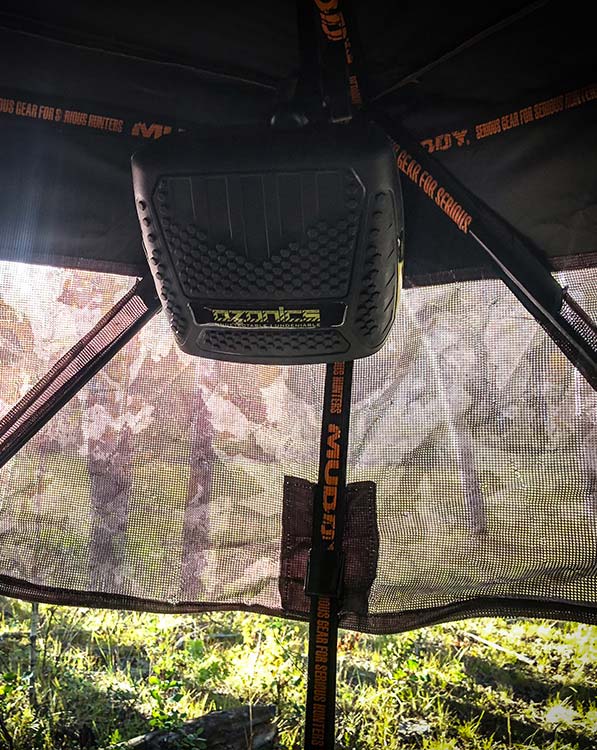
Window configuration deserves special attention when selecting a blind. You need sufficient shooting windows positioned at appropriate heights and angles to cover your expected shooting lanes. Some hunters prefer blinds with multiple windows offering 360-degree coverage, while others prioritize fewer, strategically placed openings that minimize light and scent leakage.
Hub-style blinds offer quick setup and excellent space utilization, making them popular among hunters who frequently change locations. The quality of construction materials impacts both durability and concealment, with darker, quieter fabrics providing superior performance. Interior space should accommodate your shooting style comfortably while maintaining a low profile from the outside.
Premium Ground Blind Solution
Elevate your hunting setup with professional-grade concealment
The Stump Phantom 2
 Essential Gear and Accessories
Beyond the blind itself, several accessories enhance your hunting experience and success rate. Quality scent control products help minimize your odor signature, which becomes particularly important in the confined space of a ground blind. Carbon-lined clothing and scent elimination sprays should be standard components of your ground blind hunting kit.
Comfortable seating transforms long sits from endurance tests into pleasant experiences. Invest in a quality hunting chair or stool that provides adequate back support while positioning you at the correct height for shooting. Some hunters prefer swivel seats that allow silent repositioning when game approaches from unexpected angles.
Organization systems keep essential gear within easy reach while preventing noise-causing clutter. Gear hooks, equipment shelves, and pockets help maintain order inside your blind. Remember that any movement or noise can alert nearby animals, so arrange your equipment thoughtfully before game appears in your shooting lanes.
Timing and Preparation
The timing of your blind setup significantly influences how quickly wildlife accepts its presence. Ideally, position your blind several weeks before hunting season begins, allowing animals to encounter it repeatedly during their daily routines. This familiarity reduces the likelihood of spooking game during your actual hunts.
Brush in your blind using natural vegetation from the immediate area. This process helps blend your blind into its surroundings while using materials that local wildlife already recognizes as safe. Avoid over-brushing, which can create an unnatural appearance that draws attention rather than concealing your position.
Clear shooting lanes carefully and gradually, removing only what's necessary for clean shots. Dramatic changes to the landscape alarm wildlife and signal human activity. Work over several days if possible, allowing animals to adjust incrementally to the alterations rather than confronting them with sudden, obvious modifications to their environment.
Final Considerations
Wind direction remains crucial even when hunting from a ground blind. Position your blind with prevailing winds in mind, ensuring your scent blows away from expected approach routes. While blinds provide visual concealment, they do little to contain human odor, making wind awareness essential for consistent success.
Entry and exit strategies deserve as much planning as blind placement. Establish clear paths that minimize disturbance to the surrounding area and avoid walking through prime hunting zones. Consider using natural terrain features to mask your approach and departure, preserving the area's undisturbed appearance.
Regular maintenance extends your blind's effectiveness and lifespan. Inspect your blind before each hunt for damage, wear, or unwanted odors that might compromise your concealment. Address issues promptly to ensure your blind remains a reliable hunting tool throughout the season and beyond.
Ground blind hunting combines strategy, patience, and proper equipment to create successful outdoor experiences. By carefully selecting locations, preparing your setup thoroughly, and choosing quality gear, you maximize your chances of memorable hunts.
Master these fundamentals and watch your ground blind hunting success soar to new heights.