
Everything you need to know about selecting and operating plate compaction equipment for professional-quality results in your outdoor spaces
When undertaking outdoor construction projects such as patios, walkways, or retaining walls, achieving proper soil compaction is essential for long-lasting results. A plate compactor is the go-to tool for this critical task, delivering the force needed to eliminate air pockets and create a stable, solid foundation.
Whether you're a dedicated DIY enthusiast or a professional contractor, understanding how plate compactors work and how to choose the right one can make the difference between a project that stands the test of time and one that settles, cracks, or shifts within months.
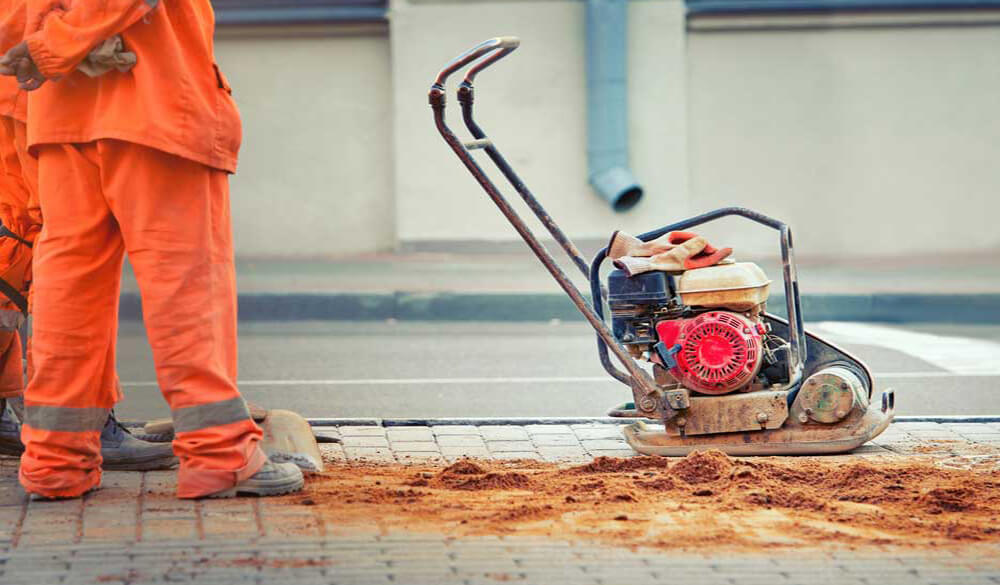
What Is a Plate Compactor and How Does It Work?
A plate compactor, sometimes called a vibrating plate or plate tamper, is a powerful piece of construction equipment designed to compress soil, gravel, sand, and asphalt surfaces. The machine operates through a heavy steel plate that vibrates at high frequencies, typically ranging from 2,500 to 6,000 vibrations per minute.
This rapid vibration forces soil particles closer together, reducing void spaces and increasing the density of the material. As the operator guides the machine across the work area, the compaction plate makes multiple passes, progressively compacting each layer until the desired density is achieved.
The Science Behind Compaction
Proper compaction isn't just about pressing down on soil—it's about reorganizing soil particles into a denser configuration. When soil is excavated or disturbed, it contains air pockets that make it unstable. The vibration from a plate compactor causes soil particles to shift and settle into tighter arrangements, expelling air and moisture in the process.
This mechanical densification increases the load-bearing capacity of the soil, prevents future settling, and creates a stable base that won't shift under the weight of structures, pavers, or vehicles. For most residential applications, achieving 95% compaction is the standard target.
Types of Plate Compactors
Single-Direction Compactors
These machines move only forward and are ideal for smaller projects. They're lighter, more maneuverable, and perfect for residential driveways, patios, and walkways. Single-direction models typically weigh between 50-200 pounds and are easier to transport and store.
Reversible Plate Compactors
Equipped with the ability to move both forward and backward, reversible compactors are heavier and more powerful. They're designed for larger commercial projects and can compact deeper lifts of material. These units typically weigh 200-750 pounds and deliver superior compaction force.
Power Source Considerations
Plate compactors are predominantly powered by gasoline engines, with Honda and other reliable manufacturers providing the muscle. Gas-powered models offer excellent mobility since they don't require electrical outlets, making them ideal for outdoor construction sites where power may not be readily available.
Electric and battery-powered models exist but are less common for heavy-duty applications. They're quieter and produce zero emissions, making them suitable for indoor work or noise-sensitive environments, though they typically offer less compaction force than their gas counterparts.
Selecting the Right Plate Compactor for Your Project
Choosing the appropriate compactor depends on several factors including the size of your project, the type of material you're compacting, and the depth of compaction required. Understanding these variables will help you select equipment that delivers optimal results without overspending on unnecessary capacity.
Compaction Force Rating
The compaction force, measured in kilograms or pounds, indicates how much downward pressure the machine exerts. For typical backyard projects like patio bases, a compactor delivering 1,500-3,000 kg of force is generally sufficient. Larger projects or dense soils may require units delivering 3,000-5,000 kg or more.
Project Type Recommendations:
- Small patios and walkways (up to 500 sq ft): 1,500-2,000 kg force
- Medium residential driveways and larger patios: 2,000-3,000 kg force
- Large driveways and commercial applications: 3,000-5,000+ kg force
- Asphalt repair and heavy-duty commercial work: 5,000+ kg force
Plate Size Matters
The base plate dimensions affect both compaction efficiency and maneuverability. Common plate sizes range from 14"x18" for compact models up to 24"x30" for heavy-duty units. Larger plates cover more ground per pass but may be challenging to maneuver in tight spaces or around landscaping features.
For most backyard projects involving curved pathways, garden beds, or intricate paver patterns, a mid-size plate around 18"x20" to 20"x21" offers the best balance of coverage and control.
Essential Operating Techniques
Proper Preparation
Success with a plate compactor begins before you even start the engine. First, ensure your work area is properly graded with adequate drainage slope. Remove any large rocks, roots, or debris that could damage the machine or create uneven compaction.
Material should be spread in layers, called "lifts," typically 2-4 inches deep for granular materials like gravel or sand. Attempting to compact material that's too deep in a single pass will result in poor compaction at lower depths, even if the surface appears solid.
The Multi-Pass Approach
Professional-quality compaction requires multiple passes over the same area. The first pass breaks down larger particles and begins the densification process. Subsequent passes, typically 4-6 total, progressively increase density until the material reaches optimal compaction.
Each pass should overlap the previous one by approximately 4-6 inches to ensure complete coverage with no gaps. Move at a steady, controlled pace—typically 50-75 feet per minute. Moving too quickly prevents effective compaction, while moving too slowly wastes time without additional benefit.
Pro Tip: Lightly misting granular materials with water can improve compaction effectiveness. The moisture helps particles slide past each other and settle more tightly. However, avoid over-saturating—you want damp material, not muddy slurry.
Safety During Operation
Operating a plate compactor involves managing a powerful machine that generates significant vibration. Always wear steel-toed boots to protect your feet, as well as hearing protection—these machines typically produce 90-100 decibels of noise. Safety glasses protect against flying debris, and work gloves provide better grip while reducing vibration transmission to your hands.
Never operate the compactor on slopes exceeding 10 degrees, as the machine could become difficult to control. Keep bystanders at least 10 feet away during operation, and never leave the machine running unattended.
Common Applications for Homeowners
Patio and Paver Installations
Creating a beautiful paver patio requires three critical layers: compacted subgrade (native soil), a gravel base course, and a sand setting bed. Each layer must be properly compacted to prevent the pavers from sinking or shifting over time.
After excavating to the proper depth, compact the subgrade thoroughly. Add 4-6 inches of crushed gravel in 2-inch lifts, compacting each layer before adding the next. Finally, spread 1 inch of bedding sand, compact lightly, and install your pavers. A final pass over the installed pavers (using a protective pad) locks everything together.
Driveway Base Preparation
Whether you're installing pavers, pouring concrete, or laying asphalt, a properly compacted base is non-negotiable for driveways. The heavy loads and constant traffic demand exceptional stability.
Most driveways require 6-8 inches of compacted aggregate base. This should be installed in lifts and thoroughly compacted to at least 95% density. For concrete driveways, proper compaction prevents cracking caused by settling. For asphalt, it ensures the surface won't develop ruts or depressions.
Retaining Wall Foundations
Retaining walls rely on stable foundations and properly compacted backfill to remain structurally sound. Behind every retaining wall should be drainage aggregate that's been compacted in lifts as the wall is built upward.
The base course beneath the first row of blocks must be perfectly compacted and level. Any settling in this foundation will compromise the entire wall's integrity, potentially leading to tilting, cracking, or complete failure.
Professional-Grade Compaction for Your Backyard Projects
The Bartell Global Forward Plate Compactor delivers 1,570 kg of compaction force with a reliable Honda GX160 engine. Perfect for residential driveways, patios, and walkways.
Bartell BCF1570 CompactorMaintenance and Care
Engine Maintenance
Like any gas-powered equipment, plate compactors require regular engine maintenance. Check and change the oil according to the manufacturer's schedule—typically after the first 20 hours of use, then every 50 hours thereafter. Clean or replace the air filter regularly, especially when working in dusty conditions.
Fresh fuel is essential. Gasoline degrades over time, so avoid using fuel that's more than 30 days old. For long-term storage, either run the engine until the carburetor is dry or add fuel stabilizer to prevent gumming and starting problems.
Base Plate Inspection
The compaction plate takes tremendous abuse and should be inspected regularly for wear, cracks, or damage. Check mounting bolts to ensure they're tight, as vibration can loosen fasteners over time. If the plate becomes severely worn or damaged, it should be replaced to maintain effective compaction and prevent damage to other components.
Keep the plate clean by removing caked-on soil and debris after each use. This prevents corrosion and allows you to spot potential problems before they become serious.
Belt and Clutch Care
The drive belt transmits power from the engine to the eccentric weight that creates vibration. Inspect it regularly for cracks, fraying, or glazing. A worn belt will slip, reducing compaction effectiveness and potentially leaving you stranded mid-project.
The centrifugal clutch engages the compaction mechanism and should be checked periodically for wear. Listen for unusual noises or vibrations that might indicate clutch problems, and address them promptly to avoid more extensive damage.
Troubleshooting Common Issues
Poor Compaction Results
If your compactor isn't delivering adequate compaction, check that material layers aren't too thick. Verify that you're making enough passes—at least 4-6 per area. Ensure material has appropriate moisture content, and confirm the machine is generating proper vibration frequency.
Excessive Vibration to Handles
While some vibration is normal, excessive handle vibration indicates worn isolation mounts. These rubber components absorb vibration and should be replaced when they become hard, cracked, or compressed. Operating with worn mounts accelerates operator fatigue and can cause long-term injury.
Machine Won't Move Forward
If the plate vibrates but doesn't propel forward, suspect drive belt problems. Check for a broken, loose, or excessively worn belt. Also verify that the clutch is engaging properly—a faulty clutch may allow the engine to run without transmitting power to the drive system.
Rental vs. Purchase Decision
For one-time projects, renting a plate compactor from a local equipment rental center makes financial sense. Rental costs typically range from $75-150 per day depending on machine size and capabilities. This includes no maintenance responsibilities and access to professional-grade equipment without the capital investment.
However, if you're planning multiple projects or have ongoing property maintenance needs, purchasing your own compactor becomes more economical. Owning equipment means it's available whenever you need it, with no rental scheduling hassles or daily rate pressures rushing your work.
Consider Purchasing If:
- You have multiple projects planned over the next few years
- You frequently help friends or family with landscaping projects
- You run a small contracting or landscaping business
- You prefer having equipment ready when inspiration strikes
- Rental availability is limited in your area
Professional Results Start with Proper Equipment
The difference between a DIY project that looks homemade and one that rivals professional work often comes down to proper compaction. Skipping this step or doing it inadequately leads to settling, cracking, and premature failure that necessitates costly repairs or complete reconstruction.
Investing time to understand compaction principles and using the right equipment transforms your outdoor projects from temporary improvements to permanent enhancements that increase property value and provide decades of enjoyment.
Important: Always call your local utility locating service before any excavation work. Underground utilities including gas, electric, water, and communication lines must be marked to prevent dangerous and costly accidents. Most areas offer free locating services—dial 811 before you dig.
Maximizing Your Investment
A quality plate compactor represents a significant investment in your property improvement capabilities. To maximize its value, maintain it properly, store it in a dry location protected from the elements, and operate it according to manufacturer guidelines.
Consider investing in accessories that extend the machine's versatility. Paving pads protect finished surfaces during final compaction passes. Water tanks (for larger models) allow moisture application without stopping work. Wheel kits simplify transport and storage.
Most importantly, take time to master proper technique. The most expensive compactor delivers poor results in inexperienced hands, while even a modest machine produces excellent compaction when operated skillfully. Practice on less visible areas before tackling showcase projects, and don't hesitate to make extra passes—thorough compaction is never wasted effort.
Final Thoughts
Whether you're creating an elegant paver patio, installing a new driveway, or building retaining walls, a plate compactor is essential for professional-quality results. Understanding how these machines work, selecting appropriate equipment for your specific needs, and operating it correctly ensures your outdoor projects remain beautiful and functional for decades to come.
The investment in proper compaction equipment pays dividends through reduced maintenance, eliminated repairs, and the satisfaction of creating lasting improvements to your property. With the right compactor and proper technique, your backyard projects will showcase the durability and quality that distinguish professional-grade work from amateur attempts.
Ready to Start Your Next Project?
Explore our selection of professional-grade plate compactors designed for homeowners who demand professional results.
View Bartell BCF1570