
Transforming overgrown terrain into pristine landscapes demands the right machinery. Whether you are managing dense brush, thick vegetation, or stubborn undergrowth, selecting the appropriate mowing attachment can dramatically improve your efficiency and results.
This comprehensive resource explores the essential equipment types and engineering principles that make modern land clearing achievable for professionals and property owners alike.

Flail Mowers
Overview: Flail mowers represent the premium choice for tackling demanding vegetation removal tasks. Engineered with rotating hammers or Y-shaped cutting elements, these machines deliver exceptional mulching capabilities that standard mowers simply cannot match.
The fundamental advantage lies in their aggressive cutting mechanism. Unlike conventional blades, flail systems pulverize material into fine particles, leaving behind a neat, professionally finished surface. This makes them particularly valuable for roadside maintenance, agricultural field preparation, and commercial landscaping operations.
Performance Features: These attachments excel at processing saplings, heavy brush, and woody debris up to several inches in diameter. The hammer design provides remarkable durability when encountering rocks or hidden obstacles—damage remains localized to individual flails rather than compromising the entire cutting assembly.
Hydraulic flow requirements typically range from moderate to high depending on cutting width and intended applications. Models designed for mini skid steers offer excellent maneuverability in confined spaces while maintaining impressive cutting power.
Rotary Cutters
Overview: Rotary cutters bring raw power to vegetation management through their direct-drive spinning blade configuration. These workhorses handle tall grass, weeds, light brush, and small saplings with impressive speed and effectiveness.
The engineering simplicity translates to reliability and straightforward maintenance. Heavy-duty blades mounted on a central spindle create the slicing action necessary for efficient cutting. Deck construction utilizes reinforced steel to withstand demanding operating conditions.
Best Applications: Property owners maintaining pastures, clearing fence lines, or managing large acreage find rotary cutters deliver excellent value. Their wider cutting swaths enable rapid coverage across open terrain. Adjustable cutting heights accommodate various vegetation types and finishing preferences.
While less refined in their cutting finish compared to flail systems, rotary cutters compensate through speed and simplicity. Blade replacement remains straightforward, keeping operational costs manageable over extended use.
Brush Cutters
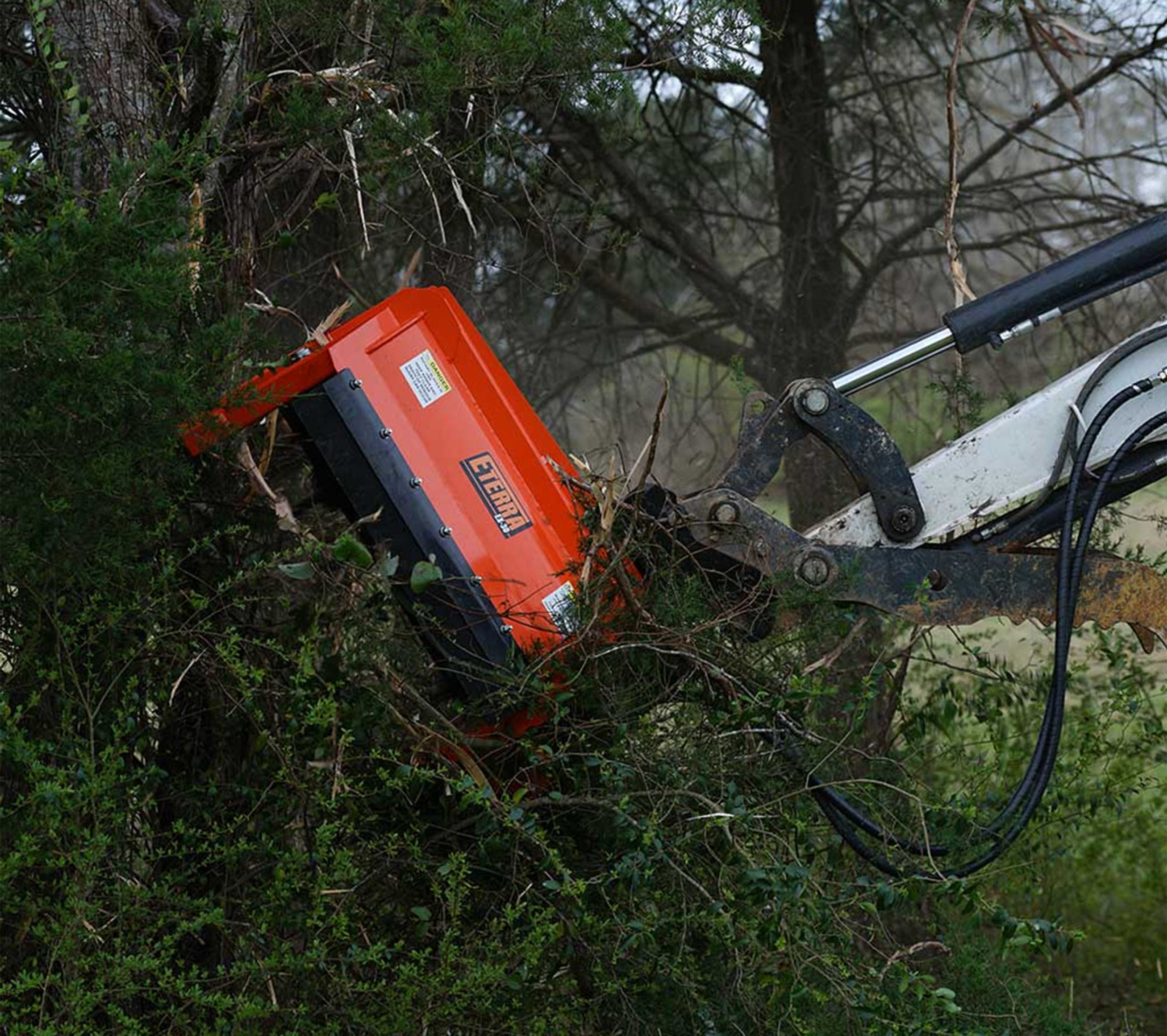
Overview: When standard mowing equipment reaches its limits, brush cutters step in to conquer the most challenging vegetation. These specialized attachments process substantial woody material that would stall or damage conventional cutting systems.
Heavy-duty construction defines this equipment category. Reinforced decks, industrial-grade bearings, and high-torque drive systems combine to tackle saplings, dense brambles, and established brush growth. Many models handle material several inches in diameter without hesitation.
Operational Advantages: Land reclamation projects, right-of-way clearing, and forestry applications benefit tremendously from brush cutter capabilities. The cutting mechanisms vary between manufacturers—some employ fixed blades while others utilize swinging hammers or combination systems.
Selecting appropriate hydraulic capacity remains critical for optimal brush cutter performance. Undersized carrier machines result in reduced cutting effectiveness and potential equipment strain. Matching flow and pressure specifications ensures the attachment operates within design parameters.
Key Selection Factors
Vegetation Type: Match cutting mechanism to primary material—flails for mixed brush, rotary for grass, heavy-duty cutters for woody growth.
Carrier Compatibility: Verify hydraulic specifications align with your skid steer or excavator capabilities.
Cutting Width: Balance productivity needs against maneuverability requirements for your typical working conditions.
Skid Steer Bar Mowers
Overview: Bar mowers, sometimes called sickle bar mowers, deliver precision cutting using reciprocating blade technology. This approach differs fundamentally from rotary systems, providing cleaner cuts that promote healthier plant regrowth.
The oscillating cutter bar slices vegetation rather than tearing it, making these attachments preferred for hay production, meadow management, and sensitive ecological areas. Cutting heights adjust to accommodate various applications from close trimming to higher stubble retention.
Ideal Uses: Agricultural operations harvesting cover crops or maintaining waterway buffer zones appreciate the gentle cutting action. Wildlife habitat managers favor bar mowers for their reduced impact on ground-nesting species during dormant season maintenance.
Maintenance involves periodic blade sharpening and guard alignment. The mechanical simplicity means fewer components subject to wear compared to more complex mowing systems. Operating speeds remain moderate to achieve optimal cutting quality.
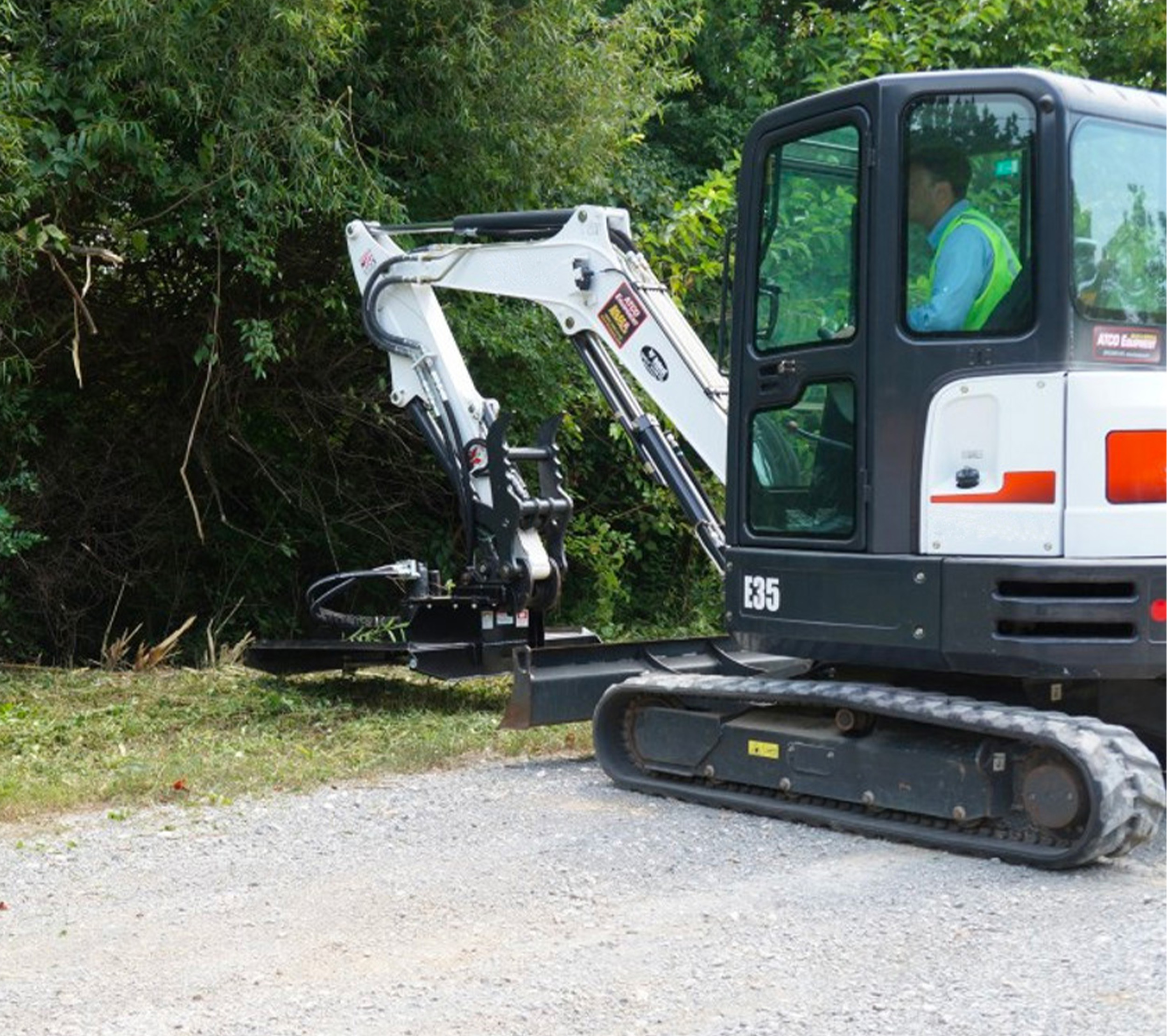
Proper attachment installation ensures safe operation and optimal performance. While specific procedures vary by manufacturer, several universal principles apply across most skid steer mower configurations.
Step 1 - Positioning: Approach the attachment slowly with your carrier machine, aligning the mounting plate with the quick-attach frame. Ensure level ground and adequate visibility throughout the connection process.
Step 2 - Engaging the Coupler: Tilt the attachment plate forward and lift to engage upper hooks first. Roll forward slightly while lowering to capture the bottom latch mechanism. Listen for positive engagement confirmation.
Step 3 - Hydraulic Connections: Shut down the engine before connecting hydraulic lines. Match hose fittings to corresponding ports, ensuring clean connections free from debris. Verify secure attachment before pressurizing the system.
Step 4 - Function Testing: Restart the machine and test attachment controls at low speed. Confirm proper rotation direction, responsive hydraulic actuation, and absence of unusual sounds or vibrations before beginning work operations.
Safety Considerations
Always review manufacturer documentation before operating any mowing attachment. Wear appropriate personal protective equipment including eye protection, hearing protection, and sturdy footwear.
Inspect work areas for obstacles, underground utilities, and hazards before beginning. Maintain safe distances from bystanders during operation—flying debris presents serious injury risks.
How Do I Work This Thing?
Effective mower operation combines proper technique with understanding your specific equipment capabilities. Mastering these fundamentals dramatically improves productivity while extending attachment service life.
Ground Speed Management: Travel speed significantly impacts cutting quality. Moving too quickly leaves uncut material and strains hydraulic systems. Adjust pace based on vegetation density—slow down for heavy growth, maintain steady movement through lighter areas.
Cutting Height Adjustment: Set deck height appropriate for conditions and objectives. Higher settings reduce scalping on uneven terrain while lower positions achieve finer finishes on smooth ground. Adjust throughout the job as conditions change.
Pattern Strategy: Systematic mowing patterns prevent missed sections and reduce unnecessary overlap. Consider terrain contours, discharge direction, and obstacle locations when planning your approach. Overlapping passes slightly ensures complete coverage.
Engine RPM: Maintain appropriate engine speed for hydraulic demand. Most mowing attachments perform optimally at higher RPM ranges—consult specifications for recommended operating parameters. Insufficient power results in poor cutting and potential stalling.
Keeping Your Equipment Running
Regular maintenance preserves performance and prevents costly breakdowns. Establishing consistent inspection routines catches minor issues before they escalate into major repairs.
Daily Checks: Examine cutting elements for damage, wear, or missing components before each use. Inspect hydraulic hoses for leaks, abrasion, or deterioration. Verify all guards and shields remain properly secured.
Periodic Service: Lubricate bearings and pivot points according to manufacturer schedules. Check belt tension on applicable models. Monitor gearbox oil levels and change fluids at recommended intervals.
Blade Care: Sharp cutting edges improve efficiency and reduce power consumption. Inspect blades frequently when working in abrasive conditions. Balance rotary blades after sharpening to prevent vibration damage to spindle assemblies.
Ready to Transform Your Land?
Explore our selection of professional-grade mowing attachments designed to handle your toughest vegetation challenges. From compact flail mowers to heavy-duty brush cutters, find the perfect solution for your property management needs.