
Understanding Flail Mowers
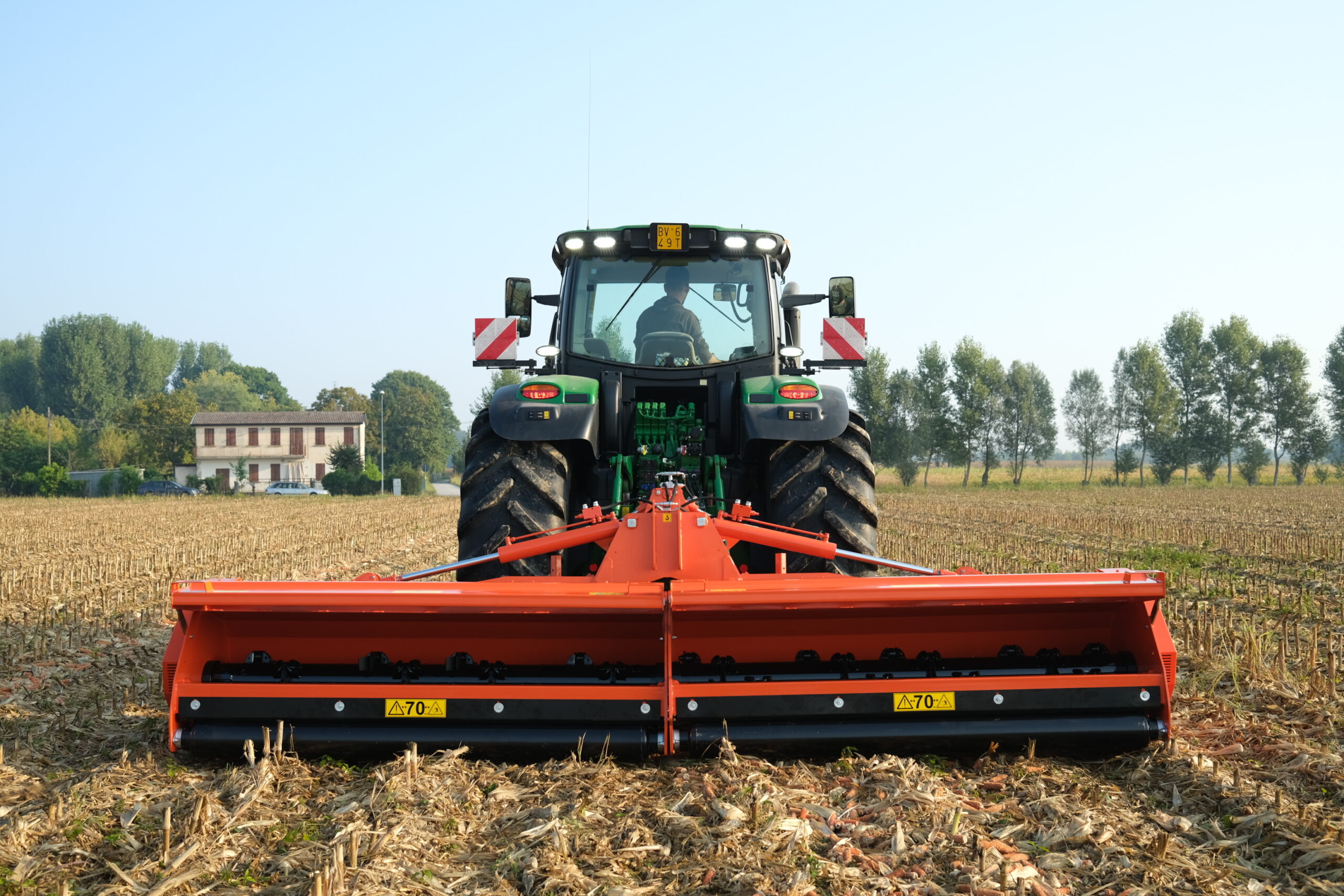
A tractor-mounted flail mower serves as an indispensable tool for farmers and landowners who need to clear wild grasses, plant debris, and brambles from their fields, orchards, or vineyards. These powerful machines cut and pulverize all types of vegetation, including deeply rooted plant material, transforming overgrown terrain into clean, uniform ground.
The shredded organic matter left behind becomes a valuable natural fertilizer, enriching the soil and promoting healthy growth for future crops. This guide will walk you through every essential component and feature to help you select the perfect flail mower for your needs.
Essential Components of a Flail Mower
The Rotor
The heart of the machine featuring cutting tools
The Shell
Protective housing that contains all elements
Transmission System
Delivers power from tractor to rotor
3-Point Hitch
Connects mower securely to tractor
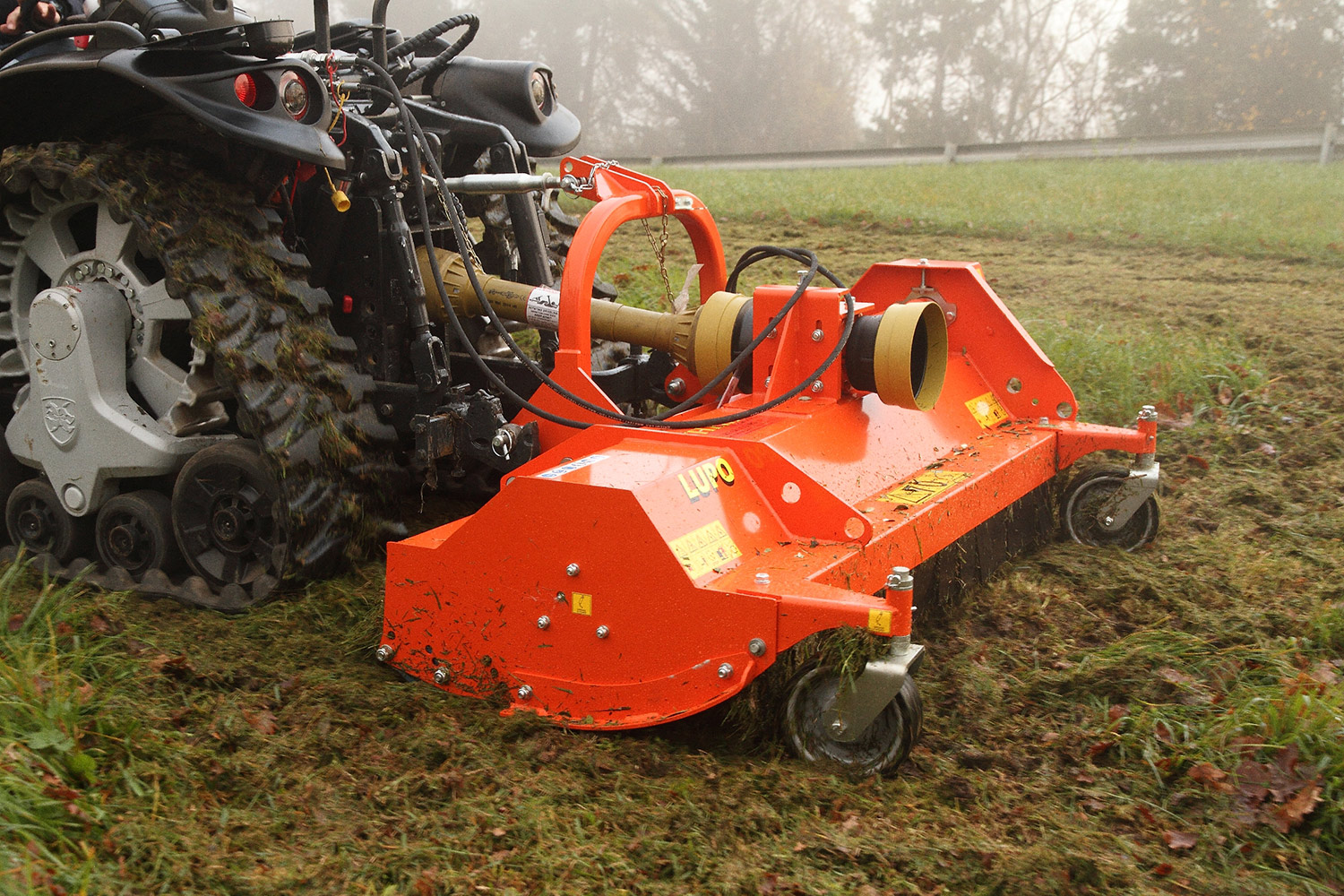
Stabilization
Roller or wheels for ground contact
The Rotor: Heart of the Flail Mower

The rotor stands as the most critical component in any flail mower operation. It consists of a central cylindrical body where all cutting implements are mounted, whether knives or hammers. During operation, this component spins at speeds ranging from 1,800 to 3,000 revolutions per minute, depending on the specific machine type.
This single component accounts for nearly half of the total machine weight and represents the most significant investment in the equipment. The diameter of the rotor tube directly influences both weight and performance capabilities. Larger diameter tubes enable higher peripheral cutting speeds, which translates to faster working rates across your property.
The Shell: Protective Housing
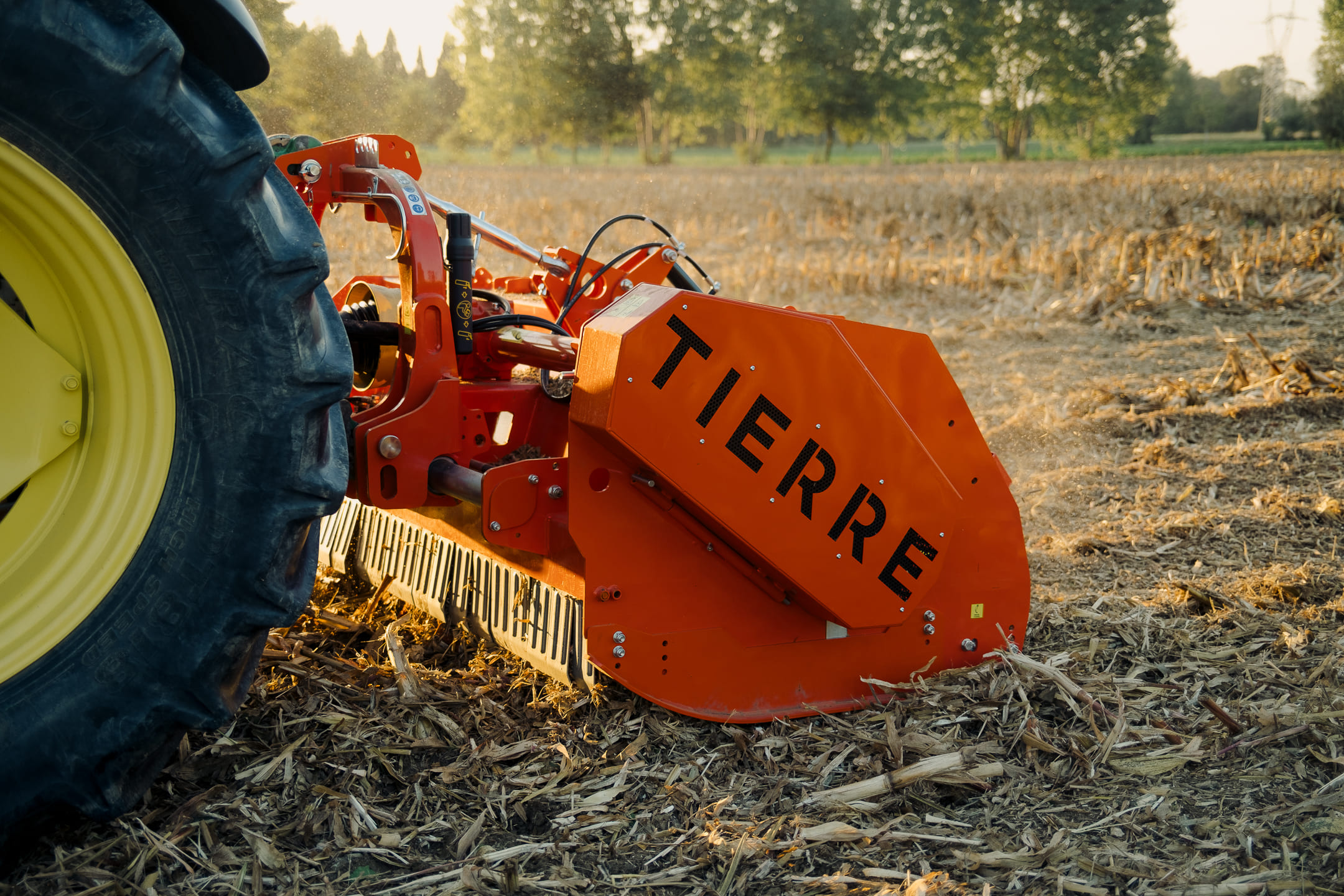
The outer shell serves as the structural framework that holds every element together while housing the rotor. Its design significantly impacts both the final particle size of shredded material and overall working speed.
Shell Construction Types
Simple Shell
Constructed from a single sheet of formed metal, suitable for lighter applications and standard conditions.
Reinforced Shell
Features additional strengthening elements at high-wear points, extending service life under moderate stress.
Double Sheet Metal Shell
Two steel layers positioned together create exceptional resistance to stone impact and harsh terrain conditions.
Premium models utilize HARDOX steel for the inner shell layer, providing superior strength and remarkable wear resistance that stands up to the most demanding applications.
The Transmission System URE
The transmission assembly consists of two primary elements working in concert: the multiplier unit and the pulley-belt system.
Multiplier Unit
Houses a conical gear pair within a cast iron casing that increases rotational speed from the tractor's power take-off. Typically operates at either 540 or 1000 RPM input. Contains a crucial freewheel safety mechanism that gradually stops motion when the tractor shuts down, protecting both tractor and implement.
Pulleys and Drive Belts
Enclosed within a protective cover, the upper and lower pulleys feature different diameters to further multiply rotational speed. The belts also serve a protective function by slipping during significant impacts on the rotor, preventing damage to critical components.
The 3-Point Connection System
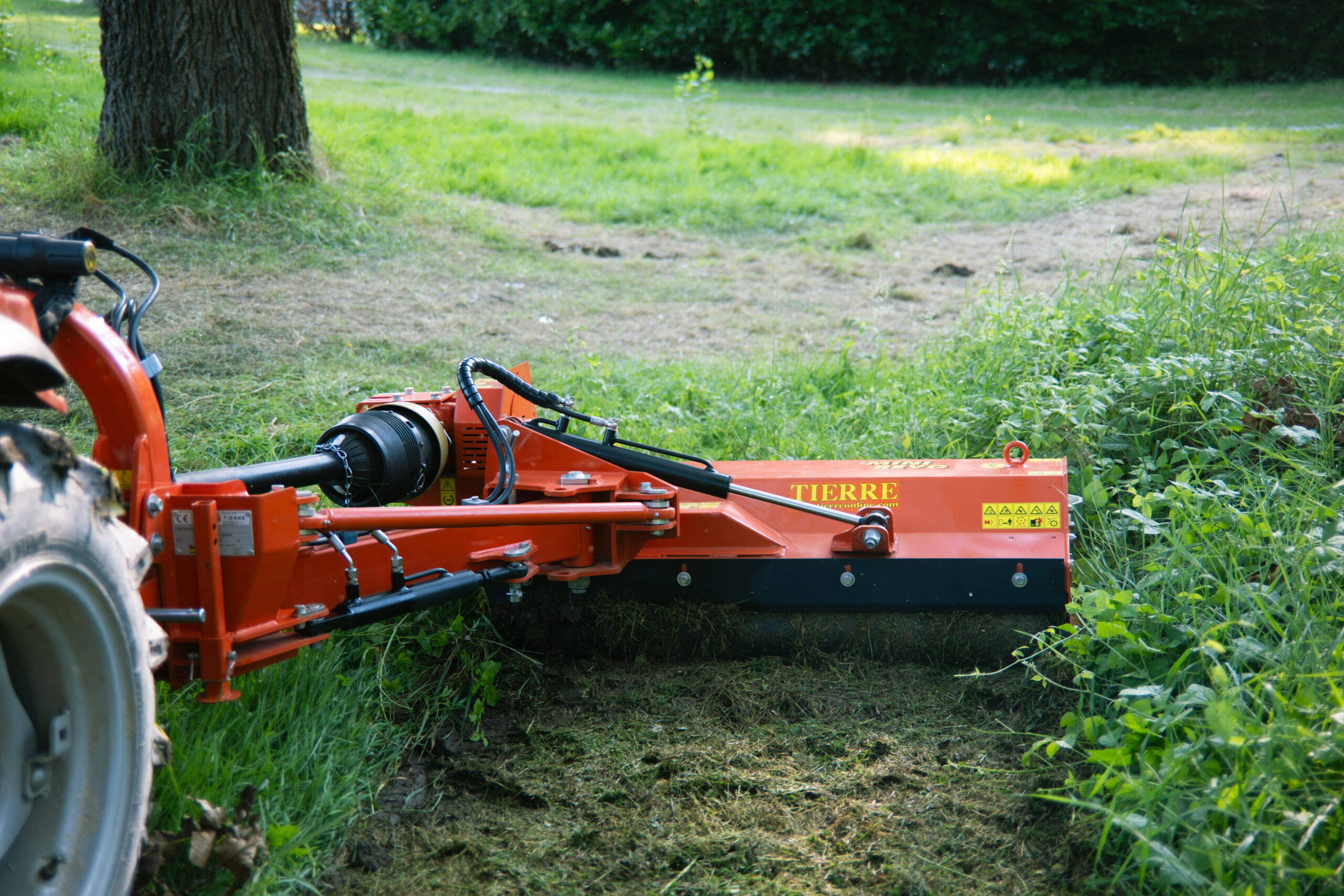
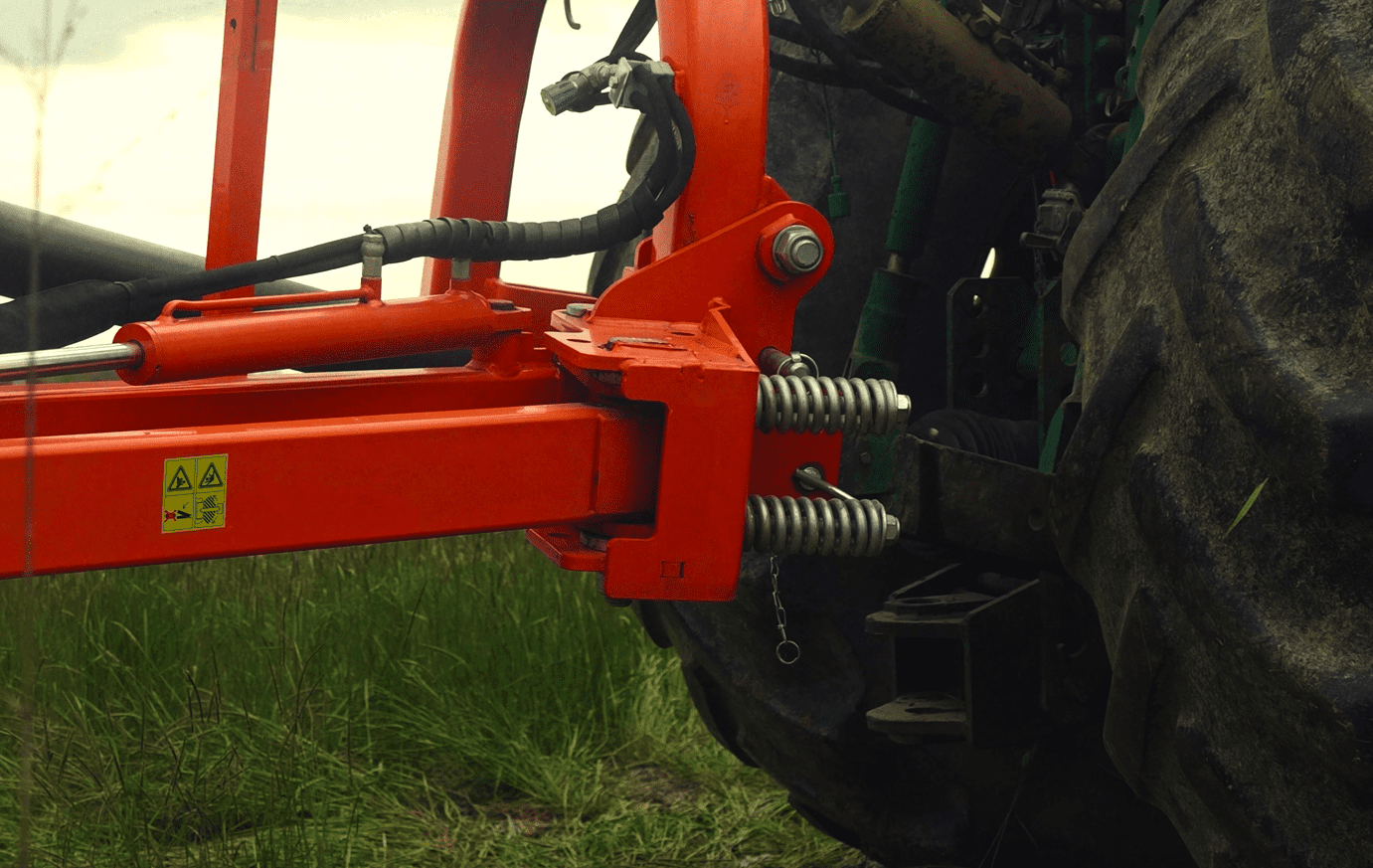
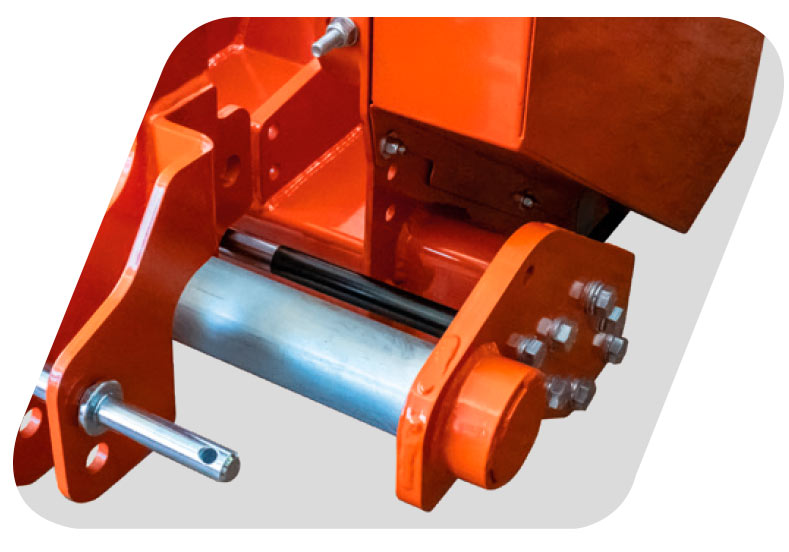
The connection arc provides the vital link between implement and tractor. Two lower attachment points sit at the base while a single upper connection completes the three-point arrangement. These arcs come in standardized sizes according to ISO703 international specifications, ensuring compatibility across different equipment manufacturers and tractor models.
Displacement Options
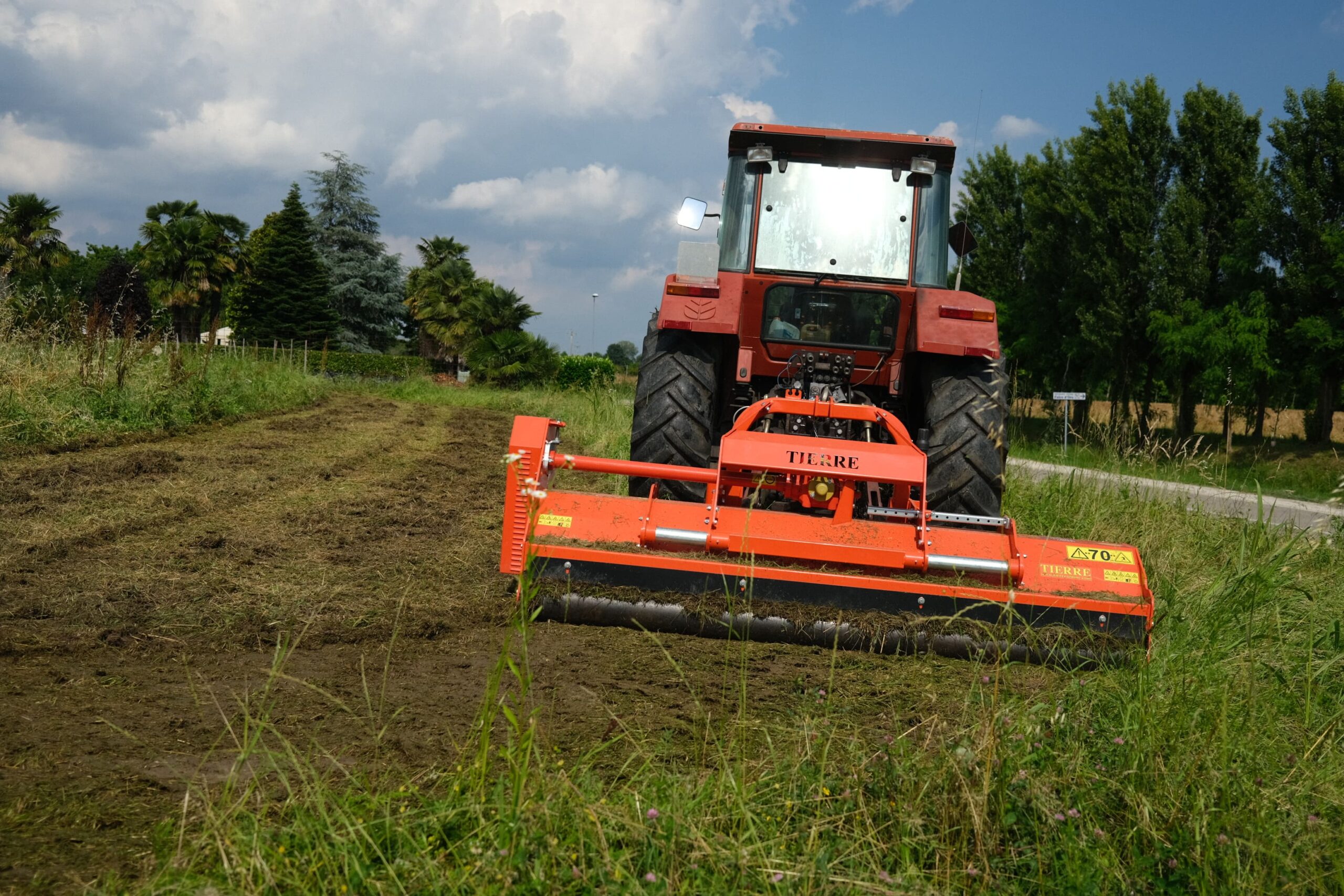
flail mowers come with various mounting configurations to suit different working requirements:
Fixed Attachment
Manual Displacement
Hydraulic Displacement
Parallelogram Mount
Models with displacement capability offer approximately 35-45 cm of lateral travel, enabling working projections of 60-70 cm beyond the tractor's rear wheels. This added reach proves invaluable for finishing work around trees, along field edges, and on embankments. Advanced parallelogram-mounted units can extend up to 3.5 meters from the tractor's centerline.
Matching Mower to Tractor
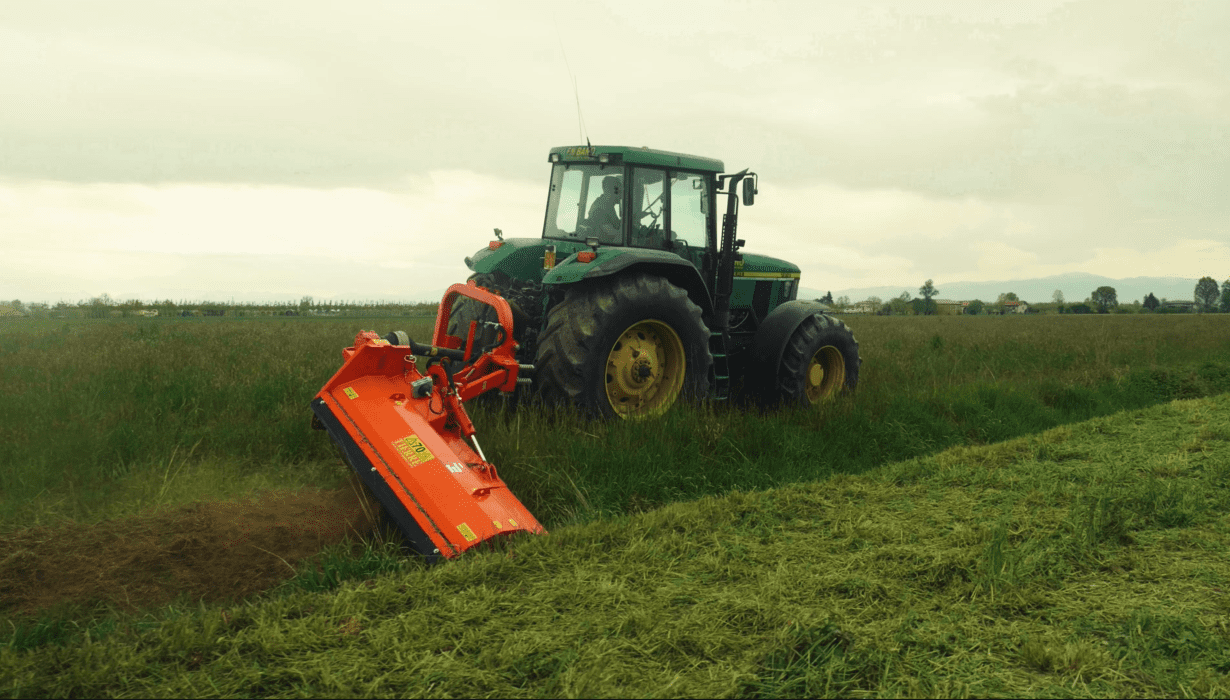
Tractors fall into four primary power classifications that determine which implements they can effectively operate:
| Category | Horsepower Range |
|---|---|
| Category 1 | Below 75 HP |
| Category 2 | 76 - 147 HP |
| Category 3 | 148 - 295 HP |
| Category 4 | 296+ HP |
Before selecting a flail mower, identify your tractor's category rating. A Category 2 tractor can pair with Category 2 or Category 1 implements, but never higher. Additionally, consider your primary application whether it be grain farming, orchards, vineyards, municipal maintenance, or general landscaping.
Application Areas
Every flail mower performs the same fundamental function: cutting surface vegetation and shredding it to promote soil absorption. These machines never cultivate or work the soil itself. Common applications include:
Grass and weed management
Orchard pruning debris
Vegetable crop residue
Corn and sunflower stalks
Cotton woody residue
Logs and stumps
Most flail mowers optimize for a single task type. However, advanced adaptive geometry designs can switch between grass cutting, pruning work, and cereal residue processing with simple adjustments.
Cutting Tools: Knives vs. Hammers
Knives
Best suited for stalks and high-volume grass cutting operations. Available in 2-blade (Y-shaped) or 3-blade configurations for different cutting requirements and vegetation densities.
Hammers
The preferred choice for woody material and the most widely used tool type overall. Double-edged hammer designs cut both horizontally and vertically, dramatically increasing shredding effectiveness.
Understanding Weight Classifications
Machine weight provides insight into construction quality and work capacity. For a 180 cm working width, weights typically range from 300 kg for light-duty models up to 840 kg for heavy-duty professional units. Heavier machines generally handle more demanding conditions, though weight alone does not tell the complete story.
What Weight Does Not Reveal
Comparing machines by weight alone leads to poor purchasing decisions. High-quality steel weighs the same as inferior grades. Premium components and low-quality parts register identical on the scale. Look for HARDOX wear-resistant steel construction and transmission units from reputable manufacturers for true quality indicators.
Essential Accessories
Ready to Upgrade Your Land Maintenance?
Explore our selection of professional-grade flail mowers designed for mini skid steers and compact equipment.
Baumalight FMM148 Flail MowerMaking Your Selection
Selecting the right flail mower requires careful consideration of your tractor's capabilities, primary working conditions, and the types of vegetation you need to manage. Start by matching your tractor's power category to compatible implement ratings, then narrow options based on your specific applications.
Whether maintaining a small acreage or managing extensive agricultural land, investing in quality construction with appropriate features will deliver years of reliable service and professional results. Consider shell construction, cutting tool type, and useful accessories when making your final decision.