
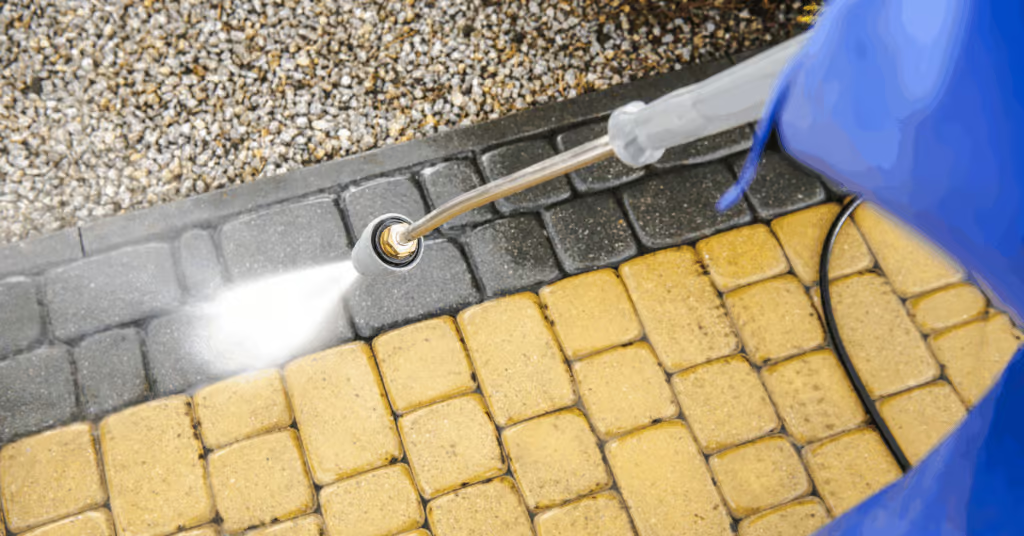
Getting the right PSI (pounds per square inch) for your pressure washer is the foundation of effective outdoor cleaning. Too little force won't remove stubborn buildup, while excessive power can permanently damage surfaces like softwood decking, painted siding, or even concrete pavers. Knowing which PSI range suits your specific cleaning task protects your property and delivers professional results every time.
PSI determines the intensity of the water stream produced by a pressure washer. Combined with GPM (gallons per minute), it defines the total cleaning power output of the machine. Higher PSI ratings penetrate deeper grime, while lower settings are ideal for fragile or decorative surfaces. The information below breaks down the perfect PSI levels for common cleaning tasks so you can confidently select the right equipment.
Understanding Pressure Washers: How to Choose the Right PSI
Selecting the correct PSI starts with identifying the surface you intend to clean and the level of grime involved. Think of PSI as the "cleaning aggressiveness" — the higher the value, the more forceful the water jet becomes. For homeowners, understanding just a few key PSI brackets eliminates all the guesswork.
Light Duty
500–1,500 PSI
Best for outdoor furniture, vehicles, flower pots, window screens, and other delicate surfaces that scratch easily.
Medium Duty
1,500–2,500 PSI
Ideal for fences, decking, vinyl siding, driveways with moderate dirt, and seasonal home maintenance cleaning.
Heavy Duty
2,500–4,000+ PSI
Designed for concrete restoration, paint stripping, commercial-grade surfaces, and deeply embedded stains.
Low PSI (500–1,500): Electric pressure washers in this bracket are perfect for routine tasks where surface preservation is the priority. They handle outdoor cushions, bicycles, grills, and garden tools without the risk of gouging or stripping finishes.
Mid-Range PSI (1,500–2,500): This is the most versatile bracket for residential owners. A machine in this range tackles fences, decks, garage floors, and siding — essentially all your standard seasonal cleaning. It strikes a balance between cleaning strength and surface safety.
High PSI (2,500–4,000+): Gas-powered commercial washers typically fall in this tier. They're necessary for stripping old paint, removing oil stains from concrete, cleaning industrial equipment, and tackling heavily neglected surfaces. Always use caution — these machines can etch concrete and damage wood if used improperly.
Pressure Washing Applications by PSI & Common Professional Cleaning Jobs
Professional-grade cleaning services span a wide range of PSI levels, from gentle rinsing at low intensity to aggressive surface restoration at high power. Below you'll find a detailed breakdown of common jobs organized by the PSI range needed to achieve optimal results.
Gentle Cleaning Tasks
Delicate surfaces demand restraint. Use lower PSI settings for cleaning outdoor furniture, patio umbrellas, window frames, vehicles, and sensitive painted surfaces. Applying too much force here causes chipping, paint removal, or surface scoring. These tasks benefit from wider spray nozzles (25° or 40°) and greater standoff distance.
Deck Cleaning
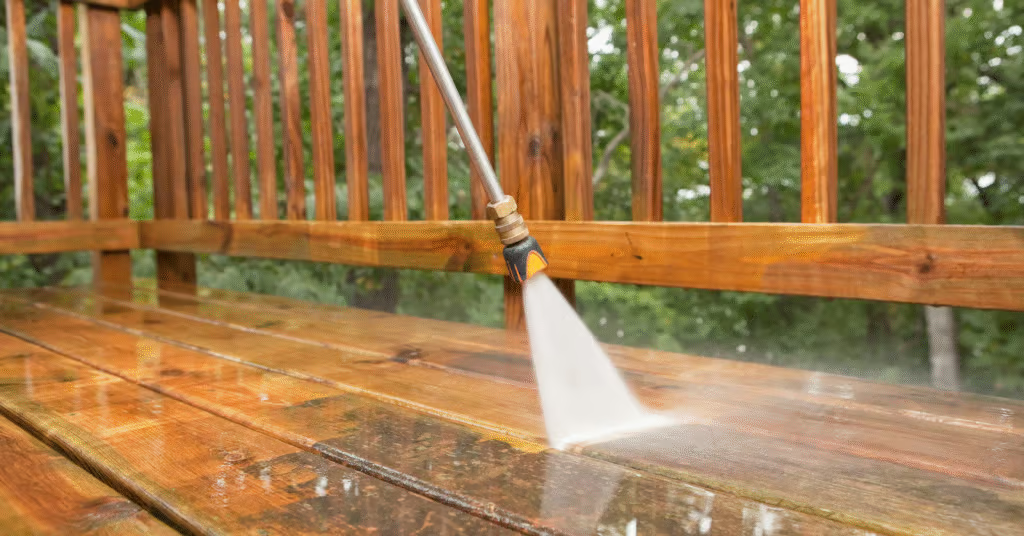
Wood and composite decking are highly susceptible to damage under excessive water pressure. Softwoods like cedar or pine require especially conservative PSI settings, typically around 1,000 to 1,200. Composite and hardwood decks tolerate slightly higher levels. Always test an inconspicuous area first and maintain consistent nozzle distance to avoid uneven cleaning patterns or splintering.
Car Washing
Vehicles need enough pressure to dislodge road grime, bug residue, and brake dust — but not so much that you damage clearcoat, trim pieces, or window seals. Stay in the 1,200 to 1,900 PSI range with a wide-angle tip. Professional auto detailers typically use foam cannons in conjunction with lower PSI for pre-wash stages, then increase pressure slightly for rinsing.
Siding Cleaning
Vinyl, aluminum, and wood siding each require different approaches but generally fall within this PSI range. Vinyl siding is the most forgiving — aluminum requires a bit more care to prevent denting. Wood siding demands the lowest pressure settings and wider nozzle angles. Pair the cleaning with a mild detergent or specialized siding solution for best results, working from bottom to top to prevent streaking.
House Exterior Cleaning
Full exterior house washes combine multiple surface types — siding, trim, eaves, foundation walls, and gutters. Professionals typically start at lower settings and adjust upward as needed. Brick and stone exteriors handle higher PSI than vinyl or stucco. Extension wands help reach second-story sections safely without a ladder. Applying a biodegradable cleaning solution before spraying improves results dramatically.
Heavy-Duty Cleaning: Maximum Power for Tough Surfaces
When surfaces are severely neglected or materials are inherently tough, you need serious firepower. Thick layers of caked mud, grease, mildew buildup, and rust stains require sustained high-pressure cleaning with hot water or specialized chemicals. Industrial equipment, farm machinery, and commercial kitchen exteriors are prime candidates for this intensity. Always use appropriate personal protective equipment at this pressure level.
Concrete Cleaning
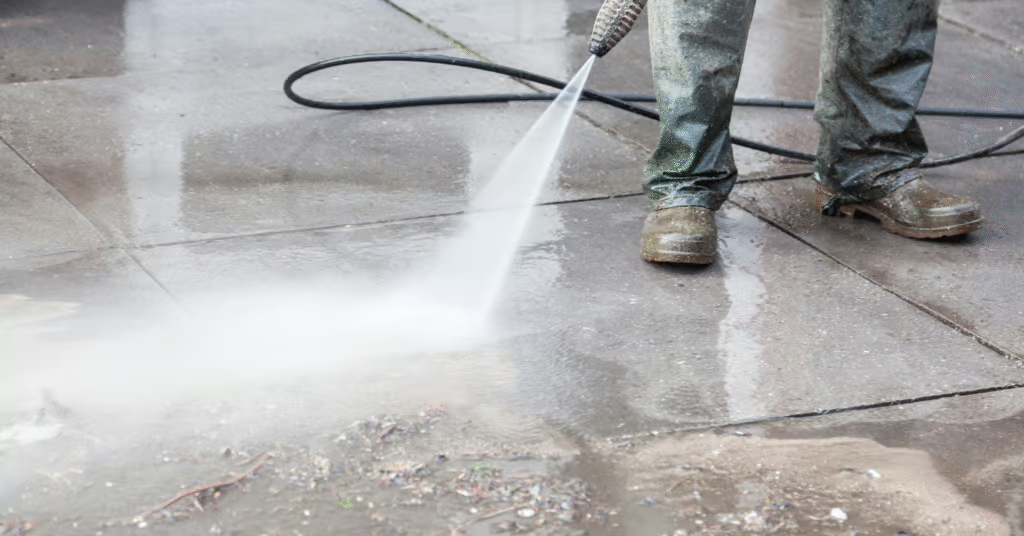
Concrete is among the toughest surfaces to clean because its porous texture traps dirt, oil, and biological growth deep below the surface. Driveways, garage floors, sidewalks, and pool decks all demand sustained high PSI combined with surface cleaner attachments for even coverage. Factors like age, sealant condition, and stain type all influence the exact PSI needed. Rotating turbo nozzles speed up concrete jobs significantly.
Driveway Cleaning
Driveways endure constant tire traffic, fluid leaks, weather exposure, and organic growth. They're among the most common and most visible cleaning projects for any property. A thorough driveway wash can transform curb appeal overnight. Use degreaser pre-treatments for oil spots, allow adequate dwell time, and work in consistent overlapping passes. Freshly cleaned driveways benefit from a sealant application to prolong results.
Aggressive Surface Restoration: Hot Water for Better Results
Some situations call for more than cold water and high pressure. Hot water pressure washers excel at dissolving grease, oil, gum, and other petroleum-based contaminants that cold water alone cannot break down. Restaurant patio areas, loading docks, gas station aprons, and industrial floors are typical candidates for hot water cleaning. The combination of heat and pressure cuts cleaning time dramatically while using fewer chemical additives.
Paint Stripping
Preparing surfaces for a fresh coat of paint or stain often requires removing the old layer first. Pressure washing is one of the fastest and most efficient methods for this. A 15° or 0° nozzle concentrates the stream for targeted paint removal, while wider angles handle broader areas of flaking paint. Operators should maintain steady distance and overlap passes evenly to avoid creating ridges or gouges in the underlying surface.
Why Professional Pressure Washing is the Right Choice
While renting a consumer-grade pressure washer seems appealing for DIY enthusiasts, the practical advantages of professional equipment and expertise are considerable. Here's why investing in proper pressure washing equipment — or hiring an experienced operator — pays dividends.
Property Value Protection
Routine exterior cleaning prevents long-term staining, mold damage, and material deterioration. Well-maintained surfaces extend the life of paint, sealant, and structural materials — protecting your overall investment.
Risk Reduction
Incorrect PSI settings or poor technique can gouge wood, crack masonry, force water behind siding, or strip automotive finishes. Professional-grade machines and trained operators minimize these risks dramatically.
Equipment Advantage
Commercial-grade washers deliver consistent power, better flow dynamics, and more durable construction than consumer rental units. Quality equipment means faster jobs, cleaner results, and fewer callbacks.
Expertise & Technique
Experienced operators understand surface chemistry, proper standoff distances, optimal nozzle selection, and the right chemical pre-treatments for each material. This knowledge prevents costly mistakes and delivers superior outcomes.
Time Efficiency
What takes a homeowner an entire weekend with a rental unit, a properly equipped professional completes in hours. Higher-powered commercial machines combined with the right accessories and technique make all the difference.
Safety Compliance
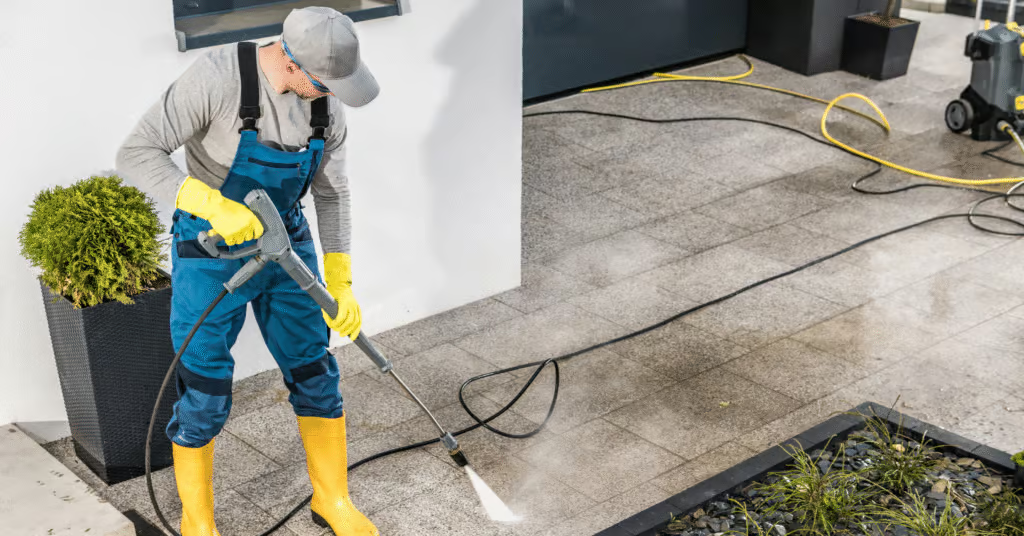
Operating high-pressure equipment at 3,000+ PSI comes with real safety risks — from high-velocity debris to injection injuries. Proper training, PPE, and technique understanding keep operators and bystanders safe.
Featured Equipment
Power Up Your Cleaning Arsenal
Get professional-grade results with our 2,500 PSI pressure washer — built for demanding residential and light commercial cleaning tasks.
BE 196cc 2500 PSI Pressure WasherProfessional Pressure Washing Equipment & Technique Advantages
Beyond PSI alone, professional cleaning success depends heavily on equipment quality and proper technique. Commercial-grade pressure washers offer adjustable pressure regulators, interchangeable nozzle systems, onboard detergent tanks, and heavy-duty pump assemblies engineered for continuous operation. Consumer machines typically lack these features, limiting both effectiveness and durability.
Experienced operators know that spray angle matters as much as PSI. A 0° nozzle concentrates all force into a pinpoint stream — devastating for targeted cleaning but dangerous on soft surfaces. A 40° nozzle spreads force across a wider area, making it gentler and faster for large surfaces. Turbo nozzles combine the intensity of a 0° tip with the coverage of a 25° tip through rapid rotation, making them ideal for concrete and masonry work.
Pre-treatment chemistry also plays a major role. Applying appropriate detergents, degreasers, or mildew removers before spraying loosens contaminants so the pressure washer can remove them more effectively and at lower PSI settings. This protects surfaces while actually improving cleaning outcomes — a win on both fronts.
Final Thoughts on PSI, Dirt, and Professional Results
Choosing the right PSI for each cleaning task matters greatly. Too much pressure wastes time, risks surface damage, and can turn a simple maintenance project into a costly repair. Too little pressure means unsatisfying results and repeated effort. The sweet spot exists for every material and every level of contamination — and understanding these ranges puts you in control.
Rather than guessing which PSI to use or relying on one-size-fits-all consumer machines, invest in quality equipment designed for the tasks you face most often. Whether you're maintaining a residential property, managing a commercial facility, or building a professional cleaning business, the right pressure washer matched to the right technique delivers transformative results.
Pro Tip
Always begin at a lower PSI setting and gradually increase until you find the minimum effective pressure for the job. This protects surfaces, conserves water, and extends the life of your equipment. Test in an inconspicuous area before tackling the full project.