
Everything you need to know before buying a pressure washer for your home, patio, driveway, and beyond.
When it comes to tackling stubborn grime, mildew, and built-up dirt on outdoor surfaces, few tools are as effective as a reliable pressure washer. Whether you need to restore your wooden deck, blast mud off your driveway, or prep exterior walls for a fresh coat of paint, a quality pressure washer can save you hours of backbreaking scrubbing. But with so many models on the market, how do you know which one is right for your needs? This comprehensive guide walks you through everything — from understanding PSI ratings to picking the ideal engine size for your projects.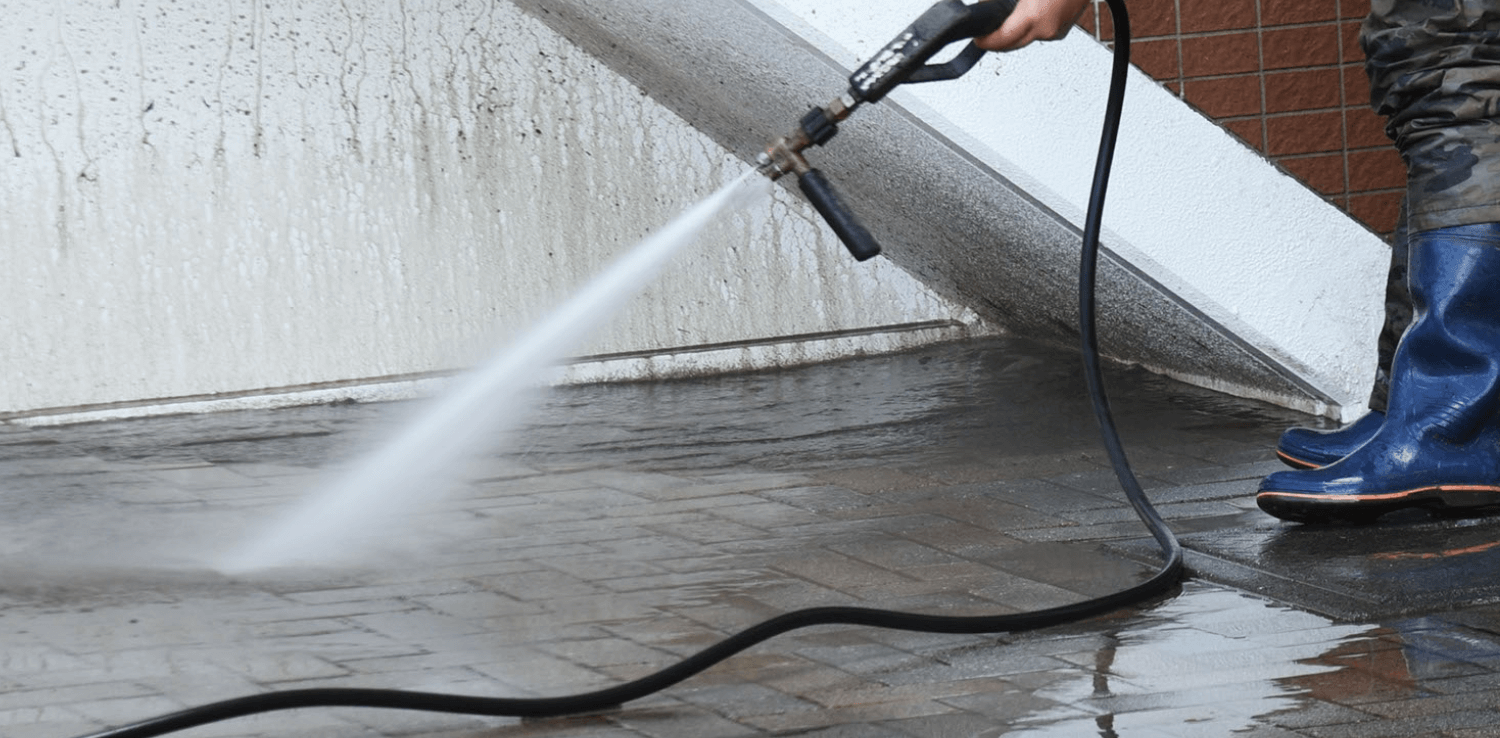
What Exactly Is a Pressure Washer?
A pressure washer is a high-powered cleaning machine that uses a concentrated stream of water delivered at significant force to remove dirt, dust, loose paint, mold, grime, and other debris from surfaces. The water pressure generated by these machines is measured in PSI (pounds per square inch), and the volume of water flow is measured in GPM (gallons per minute). Together, these two figures determine the overall cleaning power of the unit.
Pressure washers come in a range of sizes and configurations. Some are lightweight electric models designed for occasional household use, while others are heavy-duty gas-powered units built for commercial or industrial tasks. The key is matching the right machine to the specific jobs you plan to tackle around your property.
Why Every Homeowner Needs a Pressure Washer
Over time, outdoor surfaces accumulate layers of dirt, algae, pollen, and environmental pollutants that not only make your property look neglected but can also cause long-term damage. Wooden decks become slippery and start to rot, concrete driveways develop unsightly stains, and siding loses its original color and appeal. A pressure washer addresses all of these problems efficiently.
Beyond aesthetics, regular pressure washing can actually extend the lifespan of your home's exterior materials. By removing harmful buildup before it has a chance to eat away at surfaces, you protect your investment and avoid costly repairs down the road. It is also an essential step before painting or staining, ensuring proper adhesion and a smooth, professional finish.
From patios and fences to vehicles and outdoor furniture, the versatility of a pressure washer makes it one of the most practical tools you can own. Once you experience the satisfaction of watching years of grime disappear in seconds, you will wonder how you ever managed without one.
Understanding PSI and GPM: The Numbers That Matter
When shopping for a pressure washer, two specifications dominate every product listing — PSI and GPM. PSI stands for pounds per square inch and indicates the force of the water stream. A higher PSI means the washer can tackle tougher stains and more stubborn materials. GPM refers to gallons per minute and tells you how much water the machine uses. A higher GPM means greater rinsing capability and faster cleaning over large areas.
For most residential tasks such as washing cars, cleaning patio furniture, or rinsing siding, a unit in the range of 1,500 to 2,500 PSI is more than sufficient. However, for demanding jobs like stripping old paint, cleaning commercial spaces, or removing deep-set oil stains from concrete, you may want something with 2,500 PSI or above.
The product of PSI multiplied by GPM gives you what professionals call Cleaning Units (CU). This combined metric is the best way to compare the true cleaning power of different models side by side. A machine with balanced PSI and GPM will always outperform one that excels in only one category.
Pro Tip
A pressure washer rated at 2,500 PSI with a 196cc engine hits the sweet spot for homeowners who want residential convenience with semi-commercial cleaning power. It handles everything from deck restoration to heavy driveway cleaning without the bulk of industrial machines.
Gas-Powered vs. Electric: Which Should You Choose?
One of the first decisions you will face is whether to go with a gas-powered or electric pressure washer. Each type has distinct advantages depending on how and where you plan to use it.
Gas-powered models deliver significantly more PSI and GPM than their electric counterparts. They are portable and do not require access to an electrical outlet, making them ideal for large properties, remote job sites, and heavy-duty applications. A gas engine in the 196cc range provides a dependable balance of power and fuel efficiency that works well for both homeowners and professionals.
Electric models are typically lighter, quieter, and require less maintenance. They are well suited for smaller tasks like washing a car or spraying down patio furniture. However, they generally lack the raw power needed for heavy cleaning jobs. If you anticipate working on driveways, large decks, or commercial surfaces with any regularity, a gas unit is the smarter long-term investment.
Key Features to Look For
Beyond PSI and GPM, there are several other important features that separate a mediocre pressure washer from an outstanding one. Pay attention to nozzle variety — most quality units come with multiple interchangeable tips that let you adjust the spray pattern from a narrow, high-impact jet to a wide fan for gentle rinsing. This versatility is essential for safely cleaning different surface types.
Hose length and quality also matter more than many buyers realize. A longer, reinforced hose gives you better reach and flexibility without constantly repositioning the machine. Look for kink-resistant hoses rated for high pressure that will not degrade quickly under regular use.
Frame construction and wheel design affect portability and durability. A sturdy steel or reinforced frame protects the pump and engine during transport and storage, while large pneumatic wheels make it easy to roll the unit across uneven terrain, gravel, and grass.
Finally, consider whether the unit includes an onboard detergent tank. Having the ability to mix cleaning solutions directly into the water stream makes the washing process far more efficient, especially for mold and mildew removal or degreasing automotive parts and driveways.
Safety Tips for Pressure Washer Use
Pressure washers are powerful machines and should always be operated with care. The high-pressure water stream can cause serious injury to skin, eyes, and feet if directed improperly. Always wear closed-toe shoes, safety glasses, and long pants when operating a pressure washer.
Never point the spray wand at people, pets, or fragile objects like windows and light fixtures. Start with a wider spray nozzle and test on an inconspicuous area before working on delicate surfaces such as softwood or painted trim. It is always better to make a second pass than to damage a surface with too much pressure on the first attempt.
When using a gas-powered pressure washer, operate it only in well-ventilated outdoor areas to avoid carbon monoxide buildup. Always let the engine cool before refueling, and store fuel in an approved container away from heat sources. Following these basic precautions will ensure you enjoy safe and productive cleaning sessions every time.
Maintaining Your Pressure Washer for Long-Term Performance
Like any engine-driven tool, a pressure washer requires regular maintenance to deliver consistent results season after season. After each use, run clean water through the system for a couple of minutes to flush out any residual detergent or debris. This simple step prevents buildup inside the pump and extends its operational life considerably.
For gas models, check the oil level before each use and change it according to the manufacturer's recommended schedule. Inspect the air filter regularly and replace it if it appears dirty or clogged. A clean air filter ensures the engine runs smoothly and efficiently. Also pay attention to the spark plug — a fouled or worn plug can cause hard starting and reduced performance.
When storing your pressure washer for extended periods, especially over winter, use a pump saver solution to protect internal seals from drying out and cracking. Drain all water from the system to prevent freeze damage, and store the unit in a dry, sheltered location. Proper off-season care can add years to the life of your machine.
Ready to Power Through Your Toughest Cleaning Jobs?
Explore our top-rated 2,500 PSI gas pressure washer — built with a robust 196cc engine for dependable residential and semi-commercial performance.
Final Thoughts
Investing in a quality pressure washer is one of the smartest decisions a homeowner can make. The time and effort it saves compared to manual scrubbing is remarkable, and the results speak for themselves. From restoring a weathered deck to making your entire driveway look freshly poured, a capable pressure washer transforms outdoor cleaning from a chore into a genuinely satisfying experience.
Take the time to evaluate your specific needs, consider the surfaces and square footage you will be cleaning most often, and choose a unit that offers the right combination of power, portability, and durability. With the proper machine in your hands and a little bit of know-how, your outdoor spaces will look better than they have in years.