
Discover the perfect outdoor structure to transform your backyard into a stunning retreat
Pergolas have become essential features in modern outdoor living spaces, offering both aesthetic appeal and functional benefits. Whether you're looking to create a shaded dining area, support climbing plants, or simply add architectural interest to your yard, choosing between wood and vinyl pergolas is a crucial decision that will impact your outdoor space for years to come.
When you're considering adding a pergola to your backyard, there are two primary material choices that dominate the market. Each option brings its own unique characteristics, maintenance requirements, and aesthetic qualities. The decision between wood and vinyl pergolas isn't just about initial cost—it's about understanding how each material performs over time, what maintenance commitments you're willing to make, and which style best complements your outdoor environment.
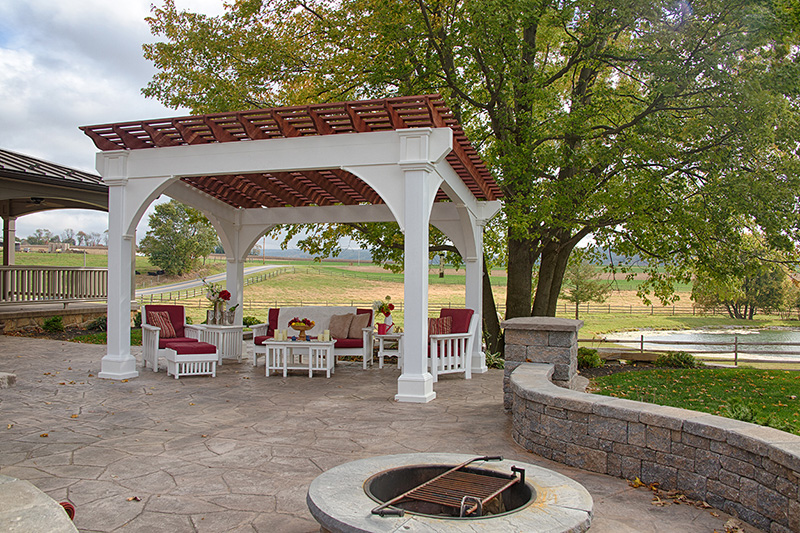
Wooden Pergola Details
Wood remains a timeless choice for pergola construction, celebrated for its natural beauty and traditional appeal. The organic warmth of wood creates an inviting atmosphere that seamlessly blends with garden landscapes and natural surroundings. Wood pergolas offer unmatched versatility when it comes to design customization and finishing options.
There are numerous wood species available for pergola construction, each with distinct characteristics. It's important to select the right wood type based on your climate, budget, and aesthetic preferences to ensure long-lasting performance.
Advantages of Wooden Pergolas
One of the greatest strengths of wooden pergolas is their remarkable visual appeal and flexibility. Wood can be stained in virtually any color to match your existing outdoor décor and architectural style.
In naturally wooded settings, the organic quality of timber creates a harmonious connection with the environment. The natural grain patterns and texture of wood add depth and character that synthetic materials cannot replicate. Wood is also an excellent choice for pergolas that will support climbing vines and flowering plants, as the natural material provides ideal surfaces for plant attachment.
Wooden pergolas can be constructed to precise specifications and custom dimensions. Plastic materials are inherently limited in their structural capabilities, whereas quality wood offers superior strength for larger spans and architectural designs.
Considerations for Wooden Pergolas
While there are numerous advantages to wooden pergolas, it's also important to be aware of maintenance requirements. In a pergola constructed from wood, regular upkeep is necessary to preserve its appearance and structural integrity.
Most wood species require periodic treatments to protect against weathering and deterioration. Without proper maintenance including repainting or refinishing periodically, even through it's usually the cheaper option, woodfutures may exhibit cracking or rotting over time. However, proactive care with wood sealers, stains, or quality finishes can ensure your wood pergola maintains its beauty and remains durable for decades.
Selecting the Best Wood for Your Pergola
Not every timber is suitable for outdoor pergola construction. When choosing wood for your pergola, select types of wood that are right for the purpose and climate.
Pressure Treated Douglas Fir
This is one of the most popular choices for outdoor structures, and comes pre-treated to withstand moisture, rot, and insect damage. The cost is quite reasonable, and pressure treated lumber is readily available at most home improvement stores or lumber yards. The pressure treatment process forces preservative chemicals into the wood structure through a vacuum application, making it highly durable. These treated woods may need periodic resealing but will last many years when properly maintained.
Cedar Wood Pergola
Cedar is naturally resistant to decay, insect damage, and fungal growth, making it an outstanding selection for pergolas. It's popular for its naturally appealing appearance as well as its durability. Not only is it a pleasing wood species, but it is naturally rot and insect resistant. The distinctive scent and rich coloration of cedar wood make it one of the most attractive timber and often desired choices for outdoor applications. Cedar can be left untreated to weather to an elegant silver-gray or sealed to maintain its natural tones.
Tropical Hardwood Pergola
Tropical hardwoods such as ipe and teak are prized for solid wood pergolas. Many builders favor these varieties because they're extremely dense, naturally resistant to rot, decay, and insect infestation. These premium woods can last for decades, substantially longer than hardwood leads to be the most expensive and the least difficult to get from traditional lumber suppliers, but their exceptional longevity justifies the investment.
Composite Wood
Composite wood is a popular pergola wood material for many reasons. It is the least eco-friendly choice out of the list, but it combines the aesthetics of wood with a bit of vinyl's practically worry-free maintenance characteristics.
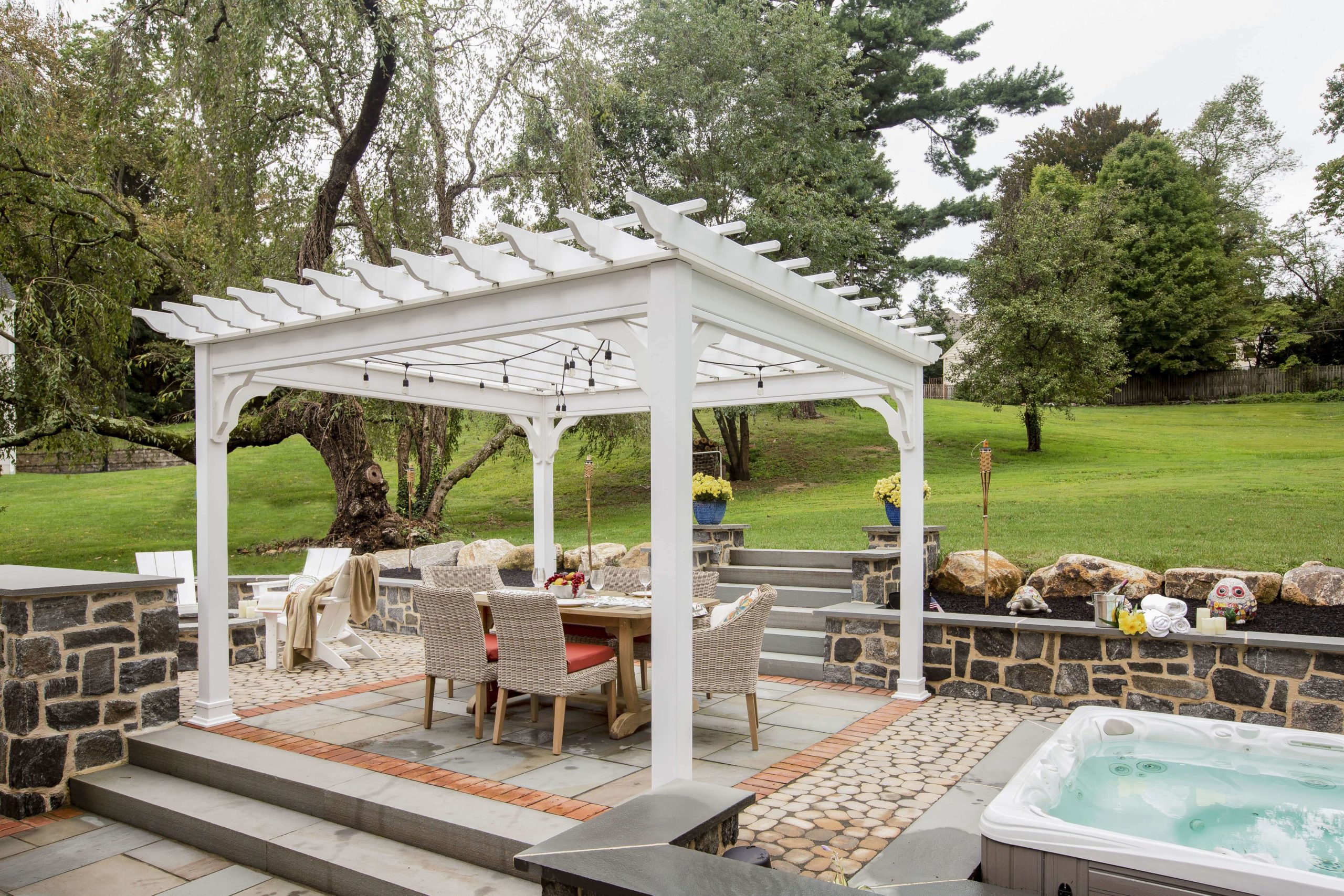
Vinyl Pergola Details
Vinyl has gained significant popularity in the world of outdoor structures in recent decades. Made from PVC or similar polymer materials, vinyl pergolas offer distinct advantages that make them an attractive choice for many homeowners. The engineered nature of vinyl allows for consistent quality and performance, with different grades and formulations designed specifically for outdoor applications and long-term weather resistance.
Advantages of Vinyl Pergolas
The most compelling benefit of vinyl pergolas is their remarkably low maintenance requirements. Vinyl structures won't require painting or staining and will withstand the rigors of weather without the need for seasonal treatments.
Vinyl pergolas are immune to many common issues that plague wood structures. They won't rot, warp, crack, or splinter regardless of moisture exposure. Insects that feed on wood, such as termites and carpenter ants, have no interest in vinyl structures, eliminating a major maintenance concern.
Most quality vinyl materials are designed to resist fading and discoloration caused by UV exposure. With basic cleaning using soap and water, your vinyl pergola will maintain its original appearance for many years. The color extends throughout the entire material thickness, so scratches and minor damage remain virtually invisible to the eye.
Considerations for Vinyl Pergolas
Unfortunately, vinyl pergolas also have their limitations. While they are quite lower maintenance, vinyl structures may lack the natural warmth and character that real wood provides. Some people find the appearance of vinyl too uniform or artificial for their landscape design preferences.
The other major barrier can appear early in that it can lack a textured look depending on what color you choose. The vinyl is most commonly white, which although attractive and pristine initially, may not be as versatile as wood's ability to match various color schemes and architectural styles.
Initial cost investment for vinyl pergolas can sometimes exceed that of basic wood options, though the long-term maintenance cost savings frequently offset this initial difference.
Selecting the Best Vinyl Pergola Color
When debating between wood vs. vinyl pergolas, you will soon see in your searches or store visits that color options are significantly more limited compared to wood. Despite this constraint, there are still several established color choices that can work beautifully in various landscape settings.
The placement of your pergola should play a role in selecting the best vinyl pergola color. For example, if your pergola will be positioned near your home's exterior walls, choosing a color that complements or matches your siding creates visual cohesion and architectural harmony.
Woodgrain/Natural
Many vinyl manufacturers now offer wood-grain textured finishes that mimic the natural look to near perfection. Unless a person stands nearby to examine closely, these vinyl pergolas can appear almost identical to authentic wood structures, providing aesthetic appeal without the maintenance requirements.
Soft Moss
A gentle green or blue-tinted hue, Shades like clay and pale colors still give your outdoor space a muted and calm look. Appealing in the eyes, and easy to match, incorporating soft hues is a perfect way to add to your outdoor environment without overwhelming the natural setting.
Black & Blend Out
If you have very modern or sleek Art, select the black shade of your outdoor space by choosing a darker option. Very dark shades of charcoal grey or black vinyl can work well as a backdrop for pergolas. The dark tone recedes visually while providing dramatic contrast against lighter surrounding elements.
Two-Tone
Another idea is to mix and match, or why not choose two? This approach has incomparable options to create a two-tone pergola. This is a unique way to incorporate more colors into your outdoor space without overwhelming the design with a single bold shade.
Pergola Designs: Adding a Pergola to Your Outdoor Space
When building a wood vs. vinyl pergolas, you may be asking about how they'd be utilized in landscape strategy and design. A pergola serves as more than just a decorative element—it creates functional outdoor rooms and extends your living space into the yard. Let's examine common ways to incorporate a pergola into the physical domain, as well as visual spaces.
Poolside Pergola
If you have a pool or hot tub in the backyard, a pergola may be the ideal touch to creating your personal backyard oasis. Placing a pergola adjacent to a pool area provides welcomed shade during peak sun hours, offers a place to hang poolside towels and accessories, and creates an elegant transition between the pool and the rest of your outdoor spaces.
Outdoor Dining
Creating an outdoor dining area is a very popular use for pergolas. It's a welcoming way to marry a well-built outdoor table with an overhead structure that defines the space. The pergola provides partial shade during day meals and creates an intimate evening atmosphere. You can enhance the dining experience with pendant lighting, retractable awning, or even an outdoor curtain for additional shade and privacy.
Shady Sitting
Having a stylish lounge or casual outdoor seating space provides much more enjoyment. Whether you have a cozy two-person swing or full patio seating arrangement, adding a pergola creates a designated relaxation zone. This defined space becomes a favorite gathering spot for morning coffee, afternoon reading, or evening conversations with family and friends.
Transform Your Backyard Today
Explore our premium vinyl swing arbor to create the perfect outdoor retreat
Vinyl Swing ArborMaking Your Final Decision
The choice between wood and vinyl pergolas ultimately depends on your specific priorities, budget, and aesthetic preferences. Both materials offer distinct advantages that make them suitable for different situations and homeowner needs.
Choose wood if: You value natural aesthetics, want complete design flexibility, prefer the authentic look of timber, and are willing to invest time in periodic maintenance for long-term beauty.
Choose vinyl if: You prioritize low maintenance, want consistent color and appearance over time, live in areas with extreme weather conditions, and prefer a structure that requires minimal upkeep.
Whichever material you select, a well-designed pergola will enhance your outdoor living experience and increase the functionality and value of your property. Consider your climate, maintenance availability, budget, and personal style to make the best choice for your backyard oasis.