
Property owners with extensive acreage, mature tree canopies, or landscaping businesses face annual fall cleanup challenges that manual raking and bagging simply cannot handle efficiently. When leaves blanket lawns several inches deep and branches accumulate across acres of property, traditional cleanup methods become impossibly time-consuming and physically exhausting. Professional debris truck loaders transform these overwhelming seasonal tasks into manageable projects by vacuuming massive volumes of leaves and organic material directly into trucks for efficient disposal or composting, eliminating the endless raking, tarping, and hauling that consumes entire weekends throughout autumn.
The Scale Challenge of Large Property Maintenance
Properties exceeding an acre or featuring dozens of mature trees generate staggering volumes of organic debris that small-scale equipment cannot handle practically. A single large oak tree drops hundreds of pounds of leaves annually, and properties with multiple specimen trees can accumulate literal tons of material requiring removal before winter snow buries decomposing leaves that smother lawns and create breeding grounds for pests and disease. Manual cleanup methods that work adequately for small suburban lots become laughably inadequate when facing the debris volumes that large properties generate, leaving owners frustrated and overwhelmed by tasks requiring weeks of full-time effort.
Professional landscaping operations and property management companies handling multiple client sites need equipment matching the production demands that commercial work requires. Efficiency directly determines profitability in landscaping businesses where every hour spent on cleanup projects must generate revenue justifying labor and equipment costs. Truck-mounted vacuum systems process debris at rates measured in tons per hour rather than bags per day, transforming cleanup economics from money-losing necessities into profitable services that residential and commercial clients willingly pay for when executed efficiently by properly equipped crews.
Understanding Vacuum Loader Technology
Debris truck loaders operate like industrial-strength shop vacuums, using powerful engines driving high-speed impellers that create suction drawing material through large-diameter hoses into truck beds or trailers. The ten-inch diameter hoses common on commercial loaders handle whole branches, wet leaves, pine cones, and mixed debris that would clog residential equipment instantly. This robust material handling capability allows operators to vacuum virtually anything encountered during property cleanup without stopping to sort materials or remove obstacles that smaller equipment cannot process.
The impeller—the heart of vacuum loader systems—spins at thousands of RPM shredding incoming material while creating the powerful airflow that pulls debris through hoses and propels it into collection vehicles. Sixteen-inch impeller diameters in professional loaders provide the combination of volume movement and material processing power necessary for commercial production rates. These substantial impellers represent engineered solutions balancing maximum airflow with the structural strength required to withstand impacts from branches, rocks, and other solid objects inevitably sucked up during aggressive cleanup operations.
Engine Power and Performance
Commercial-grade engines around 570cc displacement deliver the sustained horsepower that vacuum loaders need for all-day operation processing continuous debris streams without bogging or overheating. Quality engines from manufacturers like Vanguard provide the reliability that commercial operations demand, starting consistently and running smoothly through full workdays without the mechanical issues that plague lesser power plants. Electric start systems eliminate the physical effort and frustration of pull-starting large engines dozens of times daily, improving operator satisfaction while reducing startup-related maintenance on recoil mechanisms that eventually fail from heavy use.
Fuel efficiency becomes significant for commercial operations where equipment runs continuously throughout long workdays processing client after client. Engines engineered specifically for commercial applications optimize fuel consumption at the sustained loads that vacuum loaders experience, reducing operating costs while extending runtime between refueling stops that interrupt workflow. This efficiency advantage compounds over seasons of use, generating meaningful savings that partially offset the premium costs of commercial-grade equipment versus consumer alternatives consuming substantially more fuel performing equivalent work.
Featured Product: Billy Goat Debris Loader
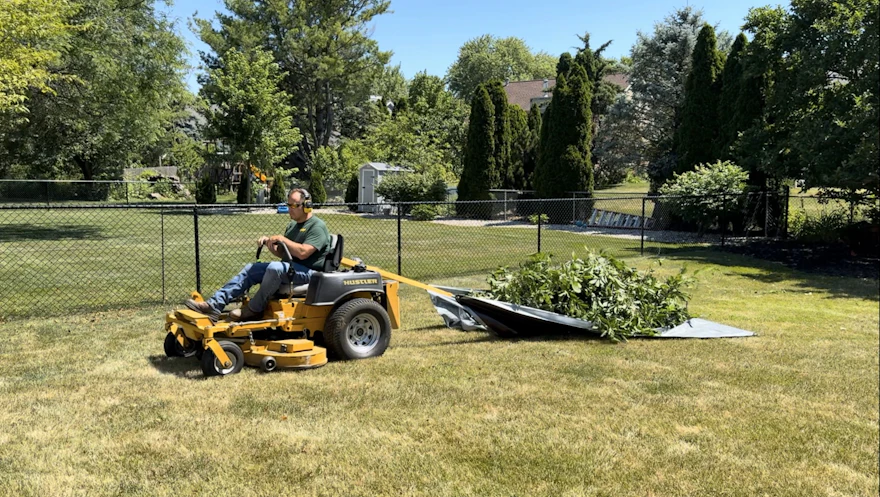
The Billy Goat DL1802VE transforms large property cleanup with 570cc Vanguard power, 10-inch hose capacity, and 16-inch impeller processing debris at commercial rates. This professional truck loader handles the toughest fall cleanup challenges from wet leaves to branches, loading directly into trucks for efficient disposal. Eliminate the physical exhaustion and endless hours that manual cleanup demands with equipment built for properties where scale requires professional solutions.
Operational Techniques for Maximum Efficiency
Effective vacuum loader operation requires understanding how to position equipment and manage material flow for continuous processing without clogs or interruptions that destroy productivity. Park collection vehicles with loaders positioned for logical workflow patterns that minimize operator movement while maximizing ground coverage rates. The ten-foot hose reach determines your effective working radius, with strategic vehicle positioning allowing you to vacuum substantial areas before repositioning, reducing the setup time that eats into productive working hours.
Develop systematic approaches to property cleanup that ensure complete coverage without repeatedly working the same areas or missing sections that become obvious only after you've moved to new locations. Many operators prefer working in strips, completely clearing bands across properties before advancing to new areas, while others work outward from central points in expanding circles. The specific pattern matters less than maintaining consistency preventing missed spots and duplicate effort that both reduce efficiency and create quality issues disappointing clients who expected thorough coverage.
Managing Different Debris Types
Wet leaves, dry leaves, pine needles, and mixed yard debris each present unique handling characteristics affecting vacuum loader performance and optimal operational techniques. Wet leaves pack densely and weigh substantially more than dry material, filling trucks more quickly while requiring more engine power to process and transport through hoses. Dry leaves flow easily but create dust requiring eye protection and consideration for nearby buildings where airborne particles might enter through windows or vents. Understanding these material variations allows you to adjust techniques and set realistic productivity expectations based on actual debris conditions rather than ideal scenarios.
Mixed debris including sticks, acorns, and small branches processes effectively through commercial loaders but creates more wear on impellers and hoses compared to pure leaf material. The shredding action that allows loaders to handle this mixed debris gradually dulls impeller blades and abrades hose interiors, requiring periodic replacement as normal maintenance rather than indicating equipment defects. Factor these consumable replacement costs into operating budgets, treating impellers and hoses as wear items similar to mower blades rather than permanent components never requiring service.
Pro Tip: Pre-mow properties before vacuum cleanup when working with deep leaf accumulations covering turf. Mowing first mulches and reduces overall leaf volume while mixing in grass that helps prevent dense leaf packing in collection vehicles. This two-step approach often proves faster than attempting to vacuum unmulched leaves directly, particularly with wet material that compacts into impenetrable masses when loaded whole.
Safety Protocols for Vacuum Equipment
Powerful vacuum loaders present genuine hazards requiring strict safety discipline preventing the injuries that careless operation creates. Never position any body part near hose inlets during operation, as the suction force can pull in hands, clothing, or hair before you can react, creating entanglement injuries that range from traumatic to fatal. Treat operating loaders with the same respect you'd give any powerful industrial equipment, maintaining constant awareness that momentary inattention around running equipment can produce life-altering consequences.
Always wear appropriate personal protective equipment including safety glasses protecting against debris blown back through hoses, hearing protection against engine and airflow noise, and dust masks when working with dry material creating airborne particles. Steel-toed boots protect feet from impacts with equipment and debris, while close-fitting clothing without loose fabric eliminates entanglement hazards near moving components. This comprehensive PPE approach prevents the vast majority of injuries that otherwise result from inadequate protection during equipment operation.
Maintenance Requirements and Service Life
Commercial vacuum loaders demand regular maintenance keeping engines running reliably and material handling systems operating efficiently through seasons of heavy use. Follow engine manufacturer maintenance schedules religiously, treating oil changes, filter replacements, and spark plug service as insurance protecting expensive equipment investments while ensuring reliability during profitable working seasons when equipment failures cost money through lost productivity. The modest time and expense of proper maintenance proves infinitely cheaper than major engine repairs or replacement necessitated by neglect that destroys components through cumulative wear and contamination.
Inspect hoses regularly for wear, abrasion, and developing cracks that could fail catastrophically during operation, replacing damaged sections before failures occur at inconvenient times during profitable work. Hose failures waste productive time while potentially damaging other system components with debris impacts or reduced airflow creating overload conditions. Proactive hose replacement based on condition inspection prevents these failures while protecting overall system integrity and operational efficiency that determines commercial profitability.
Off-Season Storage and Preparation
Proper equipment storage during off-seasons protects vacuum loaders from weather damage while ensuring reliable spring startup when cleanup season resumes. Thoroughly clean equipment removing all organic debris that could attract pests or retain moisture promoting rust, then prepare engines for storage following manufacturer recommendations regarding fuel treatment and preservation procedures. These storage rituals seem tedious but prevent the spring startup problems and corrosion damage that result from inadequate off-season preparation, protecting equipment investments while eliminating frustrations when you need reliable operation for time-sensitive spring cleanup projects.
Store equipment in dry, protected locations away from weather exposure that would corrode metal components and degrade paint finishes. Covered carports, equipment sheds, or enclosed trailers provide ideal protection, though weatherproof covers offer basic weather resistance for equipment stored outdoors when dedicated storage space isn't available. The effort invested protecting equipment during storage periods prevents deterioration that reduces resale value while ensuring like-new appearance and function when you return equipment to service for new seasons.
For professional landscaping operations, vacuum loaders represent capital investments that must generate returns justifying their substantial costs through increased productivity and expanded service capabilities. Calculate your cleanup production rates with and without loader equipment, quantifying the time savings and labor reduction that mechanization provides. These calculations typically reveal that professional loaders pay for themselves within a single busy season through the additional work they allow you to complete versus manual methods that limit how many clients you can serve profitably.
Expanding Service Offerings and Revenue
Professional vacuum loader ownership opens new revenue opportunities beyond just making existing cleanup work more profitable. Market specialized debris removal services to clients who currently struggle with large-scale cleanup using inadequate equipment, positioning your mechanized capability as solutions to problems they've resigned themselves to tolerating. Commercial properties, homeowners associations, and municipalities all represent potential clients needing debris removal services at scales where professional equipment becomes essential rather than optional, creating markets that manual-labor operations cannot serve effectively.
Storm damage cleanup represents another profitable application for vacuum loaders, particularly in regions experiencing seasonal weather events that scatter debris across properties requiring rapid cleanup before damage and hazards accumulate. Emergency cleanup services command premium rates that profitable businesses charge for responsive service during urgent situations when clients need problems solved immediately regardless of cost. Your loader capability allows you to serve these emergency markets that manual operations cannot address with the speed and efficiency that urgent situations demand.
Environmental Benefits and Sustainability
Efficient organic debris collection and transport enables proper composting or mulching that returns nutrients to soil ecosystems rather than sending material to landfills where it occupies space while decomposing anaerobically producing methane. This sustainable approach to organic waste management aligns with increasing environmental consciousness among property owners and municipalities seeking alternatives to disposal methods that waste resources and contribute to climate change. Marketing your services' environmental benefits attracts clients who prioritize sustainability while providing genuine ecological value beyond just aesthetic cleanup.
The productivity that vacuum loaders enable actually reduces overall fuel consumption per ton of material processed compared to manual methods requiring numerous truck trips hauling bagged debris to disposal sites. Concentrated loads in truck beds that vacuum loaders create mean fewer trips and less fuel consumed transporting equivalent volumes, improving the carbon footprint of cleanup operations while reducing operating costs through transportation efficiency. These dual benefits of environmental responsibility and economic advantage make vacuum loaders attractive investments for operations valuing both profitability and sustainability.
Conclusion: Scaling Property Maintenance Operations
Large properties and professional landscaping operations demand equipment matching the production scales their cleanup requirements create. Vacuum truck loaders transform debris management from overwhelming manual labor into efficient mechanized operations that handle massive volumes quickly while reducing physical demands on workers. Whether managing your own extensive property or building a profitable landscaping business, professional debris loaders represent investments that deliver returns through time savings, expanded capabilities, and the competitive advantages that mechanization provides. The question isn't whether you can afford professional loader equipment—it's whether you can afford continuing to struggle with methods that cannot possibly handle the volumes your property or business generates throughout every cleanup season.