
Discover how boating enthusiasts are making the switch to clean, quiet electric power
The inspiration often comes from unexpected places. Picture a serene lakeside evening, surrounded by family, watching the sunset while discussing the rising costs of fuel and the environmental impact of traditional boating. For many outdoor enthusiasts, this moment sparks an idea: what if there was a better way to enjoy the water without the noise, fumes, and fuel expenses of conventional outboard motors?
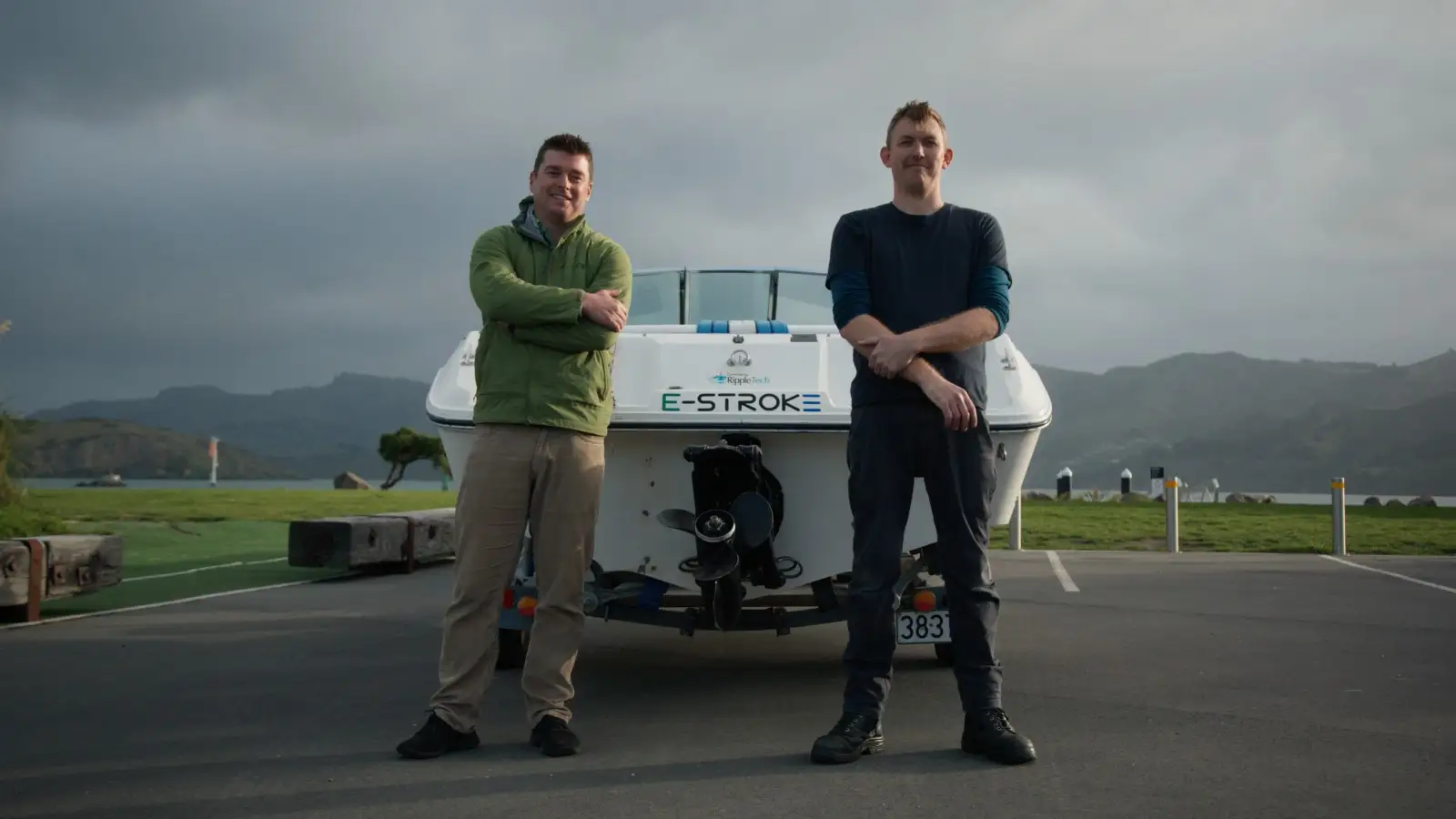
Electric boat conversions have emerged as a compelling solution for recreational boaters seeking to reduce their environmental footprint while maintaining the performance they need. What once seemed like a futuristic concept has become an accessible reality, with pioneering companies demonstrating that affordable electric conversions can meet the demands of family water activities including waterskiing, tubing, and general cruising.
 Performance That Exceeds Expectations
One of the most persistent misconceptions about electric boats is that they sacrifice performance for sustainability. The reality tells a different story entirely. Experienced boaters who have made the transition consistently report that electric propulsion not only matches but often surpasses their previous petrol-powered setups in several key areas.
Anyone familiar with electric vehicles will immediately recognize the characteristic instant torque delivery. From the moment you engage the throttle, electric motors deliver their full power without the gradual buildup typical of internal combustion engines. This translates to responsive acceleration that feels immediate and controllable, particularly valuable when pulling skiers out of the water or maneuvering in tight spaces.
"The power output has been genuinely surprising. We haven't come close to reaching the maximum torque capacity, yet the motor consistently delivers more than we require for any typical water activity."
Speed comparisons between similarly sized electric and petrol outboards show virtually no difference in top-end performance. The electric equivalent of a traditional outboard can achieve the same speeds while offering superior low-end torque, quieter operation, and zero direct emissions on the water.
Rethinking Range: Real-World Usage Patterns
Perhaps the biggest mental hurdle for prospective electric boat owners is range anxiety. However, a closer examination of actual boating habits reveals that most recreational users need far less range than they initially assume.
The 25/75 Rule: Testing data from electric boat conversions shows that during a typical family day on the water, the boat is actively running on power only about 25% of the time. The remaining 75% is spent idling, which on an electric boat draws virtually no power at all.
This contrasts sharply with petrol engines that continue consuming fuel even while idling, making the efficiency advantage of electric propulsion even more pronounced in real-world recreational use.
A standard 40 kilowatt-hour battery pack can provide approximately 40 minutes of active run time. When factoring in typical usage patterns including beachside breaks, waiting for swimmers, and the natural pauses in water activities, this translates to roughly 2.5 to 3 hours of actual on-water enjoyment, which covers most recreational outings comfortably.
For those requiring extended range, larger battery configurations are available. A 60 kilowatt-hour pack significantly extends operation time, while 80 kilowatt-hour systems are possible for demanding applications, though these larger options involve trade-offs in weight distribution and available storage space.
The Broader Benefits of Going Electric
Beyond performance metrics, electric boat conversions deliver advantages that enhance the entire boating experience. The near-silent operation transforms time on the water, allowing for conversations at normal volumes, closer wildlife encounters, and a more peaceful connection with nature. There are no fuel spills to worry about, no exhaust fumes affecting passengers, and significantly reduced maintenance requirements compared to combustion engines.
Operating costs drop dramatically once the initial conversion is complete. Electricity costs a fraction of marine fuel prices per mile traveled, and the simpler mechanical nature of electric motors means fewer parts to service, no oil changes, and longer intervals between major maintenance.
Ready to Explore Electric Propulsion?
Discover compact, powerful electric motor solutions designed for kayaks, canoes, paddleboards, and small watercraft.
Bixpy K-1 MotorLooking Ahead
The transition to electric boating represents more than a technological shift; it reflects a growing awareness among outdoor enthusiasts that protecting the waterways we love requires rethinking how we enjoy them. As battery technology continues to advance and more conversion options become available, electric propulsion is poised to become an increasingly mainstream choice for recreational boaters.
Whether you're motivated by fuel savings, environmental considerations, or simply the appeal of quiet, clean operation, the evidence suggests that electric boat conversions have matured to the point where they deserve serious consideration for your next upgrade or new build.