
Transform your kayaking adventures with motorized power—discover everything you need to know about selecting, installing, and enjoying the perfect propulsion system
Choosing the right kayak motor can feel overwhelming with countless options available in today's market. Whether you're planning extended touring adventures, serious fishing expeditions, or simply want to conserve energy during leisurely paddles, motorized propulsion revolutionizes your kayaking experience by eliminating fatigue and expanding your exploration range dramatically.
This comprehensive guide delivers everything you need to understand about kayak motors—from fundamental technology concepts and motor types to power requirements, installation considerations, and essential maintenance practices that keep your system running flawlessly season after season.
Understanding Kayak Motor Technology
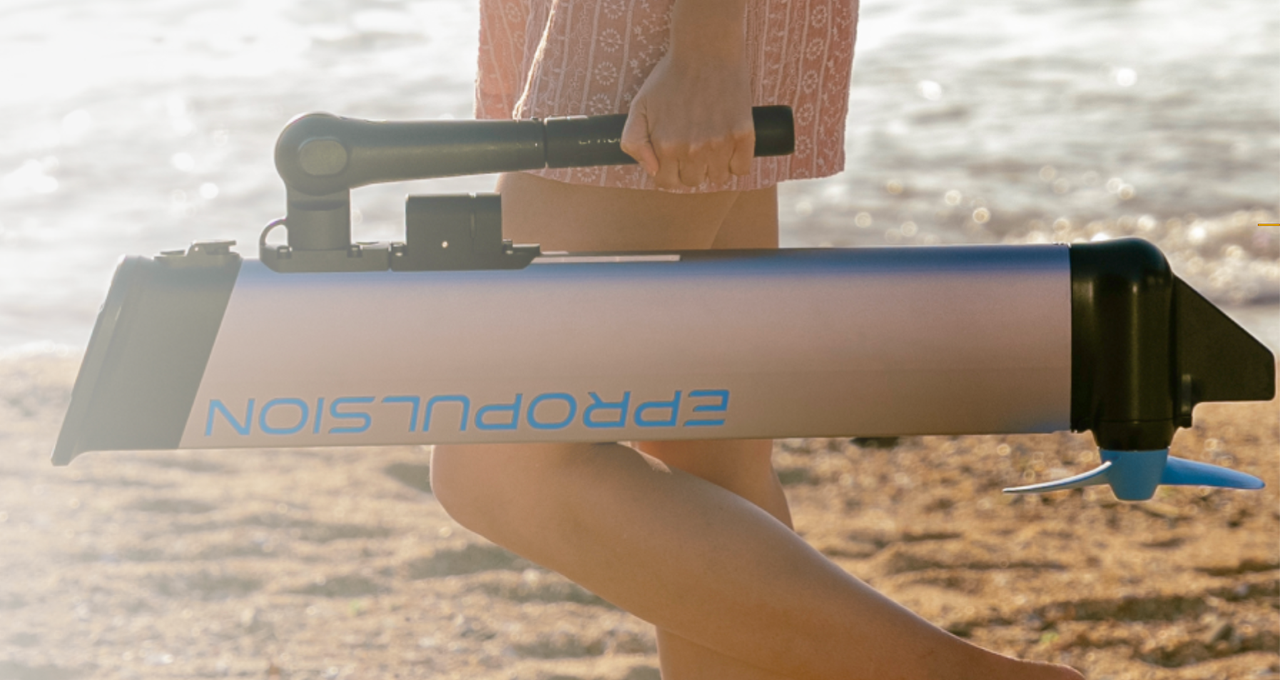
Kayak motors represent specialized propulsion devices engineered specifically for kayaks and compact watercraft applications. These innovative systems attach securely to your vessel, delivering motorized thrust that moves you across water surfaces without continuous paddling effort. Electric motor technology has transformed recreational kayaking by offering whisper-quiet operation, zero harmful emissions, and exceptional user convenience compared to traditional gasoline-powered alternatives.
Contemporary kayak motors arrive in diverse configurations including transom-mounted outboards, bow-mounted trolling systems, and advanced jet propulsion units. Each design philosophy offers unique benefits tailored to specific kayaking environments, fishing techniques, and individual performance preferences.
Compelling Reasons to Go Motorized
Dramatically Extended Range
Kayak motors exponentially increase your exploration radius, opening access to distant coves, remote fishing hotspots, and previously unreachable waterways that would be exhausting or impossible to reach through paddling alone.
Smart Energy Conservation
Save your physical energy for fishing, photography, wildlife observation, or simply enjoying nature's beauty. Motors eliminate paddling fatigue, letting you stay out longer and arrive at destinations feeling refreshed and ready for adventure.
Mastering Challenging Conditions
Navigate confidently through strong currents, persistent headwinds, and powerful tidal flows that would otherwise make travel grueling or potentially dangerous. Motorized power ensures you maintain control regardless of water conditions.
Superior Fishing Performance
Hold precise positions while fishing, seamlessly adjust location to track fish movements, and keep both hands completely free for casting and reeling instead of constantly managing paddle control.
Increased Accessibility for Everyone
Motorized kayaking becomes accessible to individuals with physical limitations, older enthusiasts, or those recovering from injuries who still want to experience the joy and freedom of being on the water without demanding paddling requirements.
Exploring Different Motor System Types
Revolutionary Jet Propulsion Systems
Jet propulsion technology represents the cutting edge of kayak motor innovation, utilizing powerful water jets instead of traditional exposed propellers. These sophisticated motors draw water through specialized intake ports, accelerate it dramatically through high-performance impeller mechanisms, and expel it forcefully to generate impressive forward thrust.
The complete absence of external propeller blades makes jet systems extraordinarily safe around swimmers, curious marine life, and submerged obstacles. They excel brilliantly in shallow water environments, heavily vegetated areas, and rocky conditions where conventional propellers would constantly snag, tangle, or sustain expensive damage.
Jet motors deliver remarkably smooth, vibration-free operation with minimal acoustic signature, making them absolutely ideal for wildlife photography, fishing in noise-sensitive areas, or simply enjoying peaceful water excursions without disturbing the serene natural environment around you.
Traditional Electric Outboard Motors
Classic outboard-style electric motors mount securely to your kayak's transom area, featuring submerged propellers that provide dependable thrust through familiar operation. These time-tested designs offer comfortable operation for boaters transitioning into the motorized kayaking world.
Outboard motors consistently deliver robust performance with efficient power consumption characteristics, featuring intuitive tiller-style controls that provide natural steering feel. Many contemporary models incorporate adjustable shaft lengths to accommodate various kayak designs and different water depth scenarios.
Installation proves straightforward with most standard kayak hull configurations, and the motors tilt upward effortlessly for shallow water navigation or when approaching beaches, docks, and shorelines safely.
Advanced Trolling Motor Solutions
Bow-mounted trolling motors specifically target serious fishing kayakers who demand ultra-precise boat positioning and convenient hands-free operation. These specialized motors install at the kayak's bow, pulling rather than pushing the craft through water for superior directional control.
Premium models incorporate sophisticated foot-pedal controls, wireless remote operation, or even advanced smartphone connectivity, completely liberating both hands for critical fishing activities. GPS-enabled systems can automatically hold position or faithfully follow predetermined waypoint routes.
Trolling motors truly shine when maintaining stable position against persistent wind or current while fishing underwater structure, methodically working productive shorelines, or stealthily approaching wary fish without disruptive paddle splashing.
Power Requirements and Battery Selection
Decoding Thrust and Voltage Specifications
Kayak motor power gets measured in pounds of thrust or watts, with typical recreational systems ranging from 30 to 80 pounds of thrust capacity. Lightweight kayaks operating in calm water conditions require less power, while heavily-loaded fishing kayaks packed with gear demand significantly more robust motor performance.
Most electric kayak motors operate on standard 12-volt or more powerful 24-volt battery systems. Higher voltage configurations provide greater power output and improved efficiency, substantially extending runtime and dramatically improving performance in challenging conditions like strong currents or persistent headwinds.
Choosing the Right Battery Technology
Lithium-ion batteries absolutely dominate modern kayak motor applications thanks to their exceptional power-to-weight ratio, impressively extended lifespan, and superior performance characteristics. Though initially carrying higher upfront costs, lithium batteries weigh dramatically less than traditional lead-acid alternatives while simultaneously delivering longer runtime and faster recharging capabilities.
Battery capacity, precisely measured in amp-hours, directly determines how long your motor operates between charging cycles. Carefully calculate your typical trip duration and anticipated motor power consumption to select adequate battery capacity with comfortable reserve power remaining.
Always consider waterproof battery enclosures or completely sealed battery compartments to protect your valuable investment from water exposure, especially in rough conditions or during unexpected capsizing situations that occasionally occur.
Installation and Mounting Considerations
Evaluating Kayak Compatibility
Before purchasing any motor system, thoroughly evaluate your kayak's structural design and existing mounting capabilities. Some kayaks feature convenient factory-installed motor mounts or pre-drilled mounting points specifically designed for motors, while others require aftermarket mounting plates or custom modifications for proper installation.
Transom-mounted motors need substantial stern structure with adequate clearance, bow-mounted systems require sturdy forward mounting points with proper reinforcement, and side-mount configurations demand appropriate gunwale strength and optimal positioning for balanced performance.
Mastering Weight Distribution and Balance
Proper weight distribution proves absolutely critical for maintaining kayak stability and preserving optimal handling characteristics. Motors and batteries add substantial weight, potentially affecting trim and balance dramatically if positioned incorrectly.
Position heavy batteries near the kayak's center of gravity whenever possible, carefully counterbalancing motor weight for neutral trim. Always test your fully-loaded kayak's stability thoroughly before venturing into challenging waters, and intelligently adjust gear placement to achieve optimal balance and comfortable paddling posture.
Speed Capabilities and Performance Expectations
Motorized kayaks typically cruise comfortably between 3 to 6 miles per hour, depending on motor power output, kayak design characteristics, prevailing water conditions, and total load weight. This speed range provides comfortable touring pace while intelligently conserving battery power for extended trips and adventures.
Higher-powered motor systems can achieve impressive speeds approaching 8 miles per hour in favorable conditions with streamlined kayak hull designs. However, significantly increased speed dramatically reduces battery runtime and overall efficiency, making moderate cruising speeds more practical and economical for most real-world applications.
Remember that kayak hull shape profoundly impacts motorized performance characteristics. Longer, narrower touring kayaks track efficiently and achieve better top speeds, while wider fishing kayaks prioritize rock-solid stability over speed, resulting in slower but more controlled movement through water.
Essential Maintenance and Care Practices
Critical Post-Use Cleaning Procedures
Always rinse your motor system thoroughly with fresh water after every outing, especially following saltwater use. Salt crystals aggressively corrode electrical connections and metal components, dramatically reducing motor lifespan without proper cleaning protocols. Pay meticulous attention to the propeller area, cooling vents, shaft assembly, and all mounting hardware.
Optimizing Battery Maintenance
Lithium batteries require specific care protocols to maximize their operational lifespan. Store batteries partially charged (around 50-60%) during extended off-season periods, consciously avoid complete discharge cycles that stress cells, and recharge promptly after each use. Keep batteries in temperature-controlled environments, strictly avoiding extreme heat or freezing conditions that permanently degrade cell performance.
Implementing Regular Inspection Schedules
Periodically inspect all electrical connections for corrosion signs, carefully examine propellers or jet intakes for damage or debris accumulation, and verify mounting hardware remains properly tight and secure. Replace worn components promptly to prevent inconvenient failures on the water.
Smart Off-Season Storage Strategies
Remove motors from kayaks during extended storage periods to prevent unnecessary stress. Store in dry, protected locations away from moisture and temperature extremes. Cover propellers and openings to prevent dust and pest intrusion. Disconnect batteries completely and store them separately with appropriate charge levels maintained.
Understanding Legal Requirements and Regulations
Motorized kayaks face varying legal requirements depending on your location, waterway jurisdiction, and specific motor specifications. Some states or regions require boat registration, safety equipment, and operator licensing for motorized kayaks, while others exempt small electric motors from these regulations entirely.
Research your local boating regulations thoroughly before purchasing and operating a kayak motor. Check with state fish and wildlife departments, local marina operators, or boating authorities to understand specific requirements in your area regarding registration, safety equipment, and operational restrictions.
Additionally, certain waterways may prohibit motorized craft entirely or restrict motor use to specific areas or times. National parks, wildlife refuges, and designated wilderness areas frequently ban motors to preserve natural tranquility and protect sensitive ecosystems.
Leading Kayak Motor Manufacturers
Several reputable manufacturers produce high-quality kayak motors, each offering unique features, technologies, and design philosophies suited to different paddling styles and environments.
Bixpy
Bixpy specializes in innovative jet propulsion systems that deliver exceptional performance in shallow and weedy waters. Their modular design allows the same motor to power kayaks, SUPs, and other watercraft, offering remarkable versatility. Bixpy motors are renowned for their compact size, impressive power output, and whisper-quiet operation that won't disturb wildlife or fellow paddlers.
Minn Kota
Minn Kota dominates the trolling motor market with decades of proven reliability and continuous innovation. Their fishing kayak motors feature advanced GPS capabilities, wireless control systems, and exceptional battery efficiency. Models like the Ulterra and Terrova offer hands-free operation perfect for serious anglers.
Torqeedo
Torqeedo manufactures premium electric outboard motors known for exceptional efficiency and sophisticated integrated battery systems. Their German engineering delivers powerful thrust with extended runtime, and many models include onboard computers displaying battery status, range estimation, and power consumption.
MotorGuide
MotorGuide produces dependable trolling motors with innovative features like digital variable speed control and advanced GPS anchoring systems. Their motors offer excellent value and reliability, particularly popular among freshwater fishing enthusiasts seeking precision boat control.
Experience Advanced Jet Propulsion Technology
Revolutionize your kayaking adventures with cutting-edge propulsion that combines power, safety, and whisper-quiet performance
Bixpy K-1 Jet Propulsion KitSelecting Your Perfect Kayak Motor
Choosing the ideal kayak motor requires careful consideration of multiple factors working together. Start by honestly assessing your primary kayaking activities—recreational touring, serious fishing, wildlife photography, or fitness paddling all demand different motor characteristics and capabilities.
Consider the typical water environments you'll explore most frequently. Shallow rivers and weed-choked lakes favor jet propulsion systems, while open water touring suits traditional outboard motors. Fishing enthusiasts benefit tremendously from bow-mounted trolling motors offering hands-free positioning control.
Evaluate your kayak's weight, design, and existing mounting options. Match motor thrust to your loaded kayak weight—heavier craft need more power. Verify compatibility between your chosen motor and kayak hull configuration before purchasing.
Budget considerations extend beyond initial motor cost. Factor in quality batteries, mounting hardware, maintenance supplies, and potential registration fees. Quality systems represent significant investments but deliver years of reliable service and enhanced enjoyment.
Finally, read user reviews from kayakers with similar needs and environments. Real-world experiences reveal performance characteristics, reliability concerns, and practical advantages that manufacturer specifications alone cannot convey.
Critical Safety Considerations
Motorized kayaking introduces additional safety considerations beyond traditional paddling. Always wear a properly-fitted personal flotation device regardless of swimming ability or water conditions—motors can create situations where self-rescue becomes more challenging.
Carry essential safety equipment including a whistle, waterproof flashlight, communication device, and basic first aid supplies. Inform someone about your planned route and expected return time, especially when exploring remote areas.
Practice emergency procedures including motor failure scenarios and capsizing recovery. Know how to quickly disconnect or shut down your motor system. Test your loaded kayak's stability in safe, controlled conditions before venturing into challenging environments.
Be aware that motors can lure you into situations beyond your skill level. The ability to travel farther doesn't necessarily mean you should—always maintain appropriate safety margins for changing weather, mechanical failures, or unexpected conditions that might arise during your adventure.
Embrace Motorized Kayaking Adventures
Kayak motors open extraordinary possibilities for exploration, fishing success, and waterborne enjoyment that traditional paddling alone simply cannot match. Whether you select innovative jet propulsion, classic outboard systems, or sophisticated trolling motors, the right motorized setup transforms your kayaking experience, extending your range, conserving energy, and allowing you to focus on what truly matters—enjoying your time on the water. At Backyard Provider, we're passionate about helping you find the perfect motor solution that matches your unique needs, budget, and kayaking aspirations, ensuring countless memorable adventures ahead.