
Power your aquatic adventures with confidence by choosing the right battery for your vessel
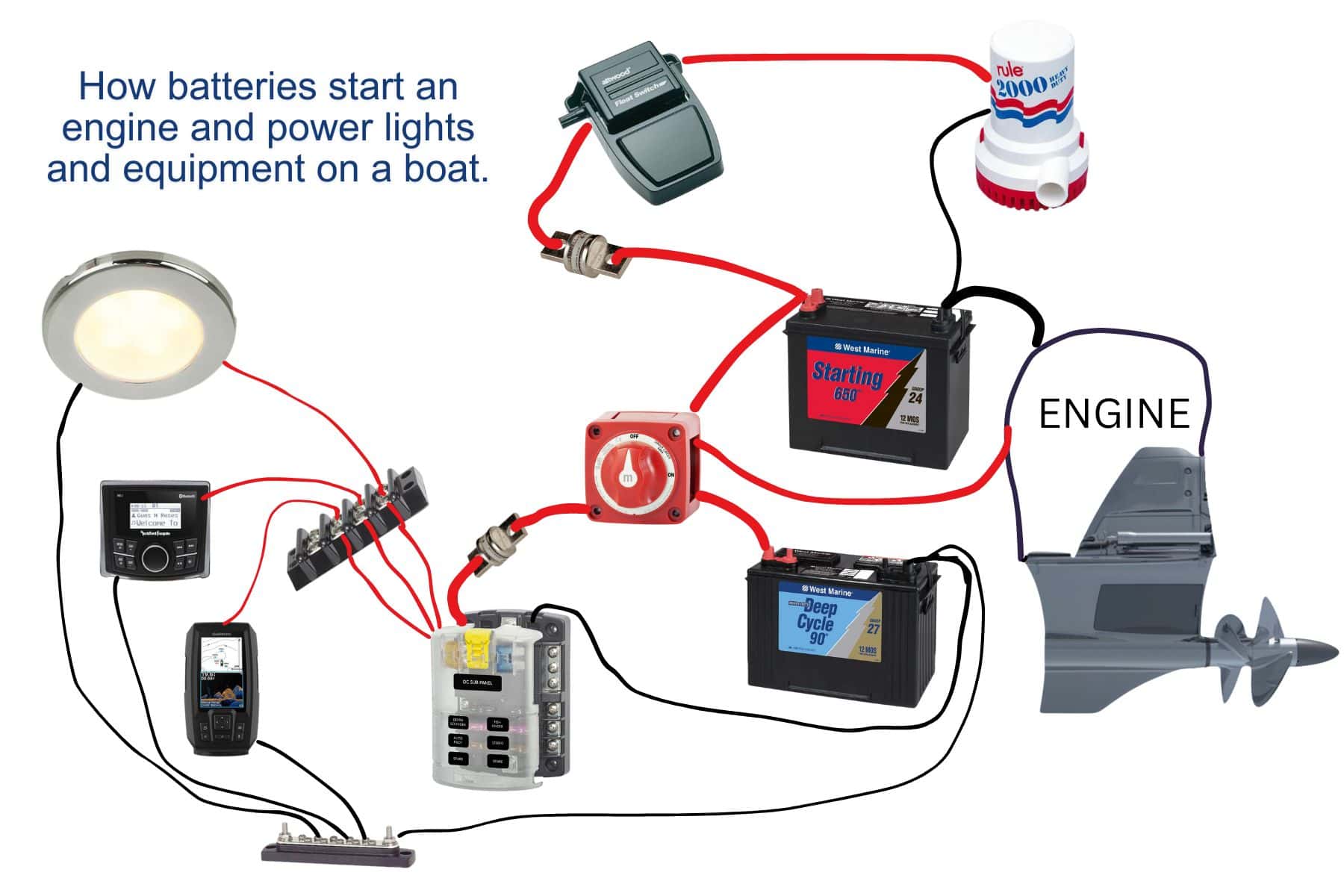
When you're out on the water, your marine battery serves as the heartbeat of your vessel. Whether you're embarking on a peaceful fishing expedition, cruising coastal waters, or powering essential navigation equipment, selecting the appropriate battery can determine whether your day becomes an unforgettable adventure or a frustrating ordeal.
The marine battery marketplace has transformed dramatically in recent years. Modern boaters now face an impressive array of choices, each engineered for specific applications and performance requirements. From traditional lead-acid designs to cutting-edge lithium technology, understanding your options has become more important than ever.
This comprehensive guide will navigate you through everything you need to know about marine batteries in 2025, helping you make an informed decision that perfectly matches your boating lifestyle and power requirements.
Understanding Marine Battery Fundamentals
Marine batteries differ significantly from their automotive counterparts. While car batteries deliver quick bursts of high current to start engines, marine batteries must provide sustained power over extended periods while withstanding the harsh marine environment.
The marine setting presents unique challenges: constant vibration, moisture exposure, temperature fluctuations, and corrosive salt air. Quality marine batteries are specifically engineered with reinforced construction, sealed designs, and specialized materials to endure these demanding conditions.
Marine Battery Categories by Function
Starting Batteries
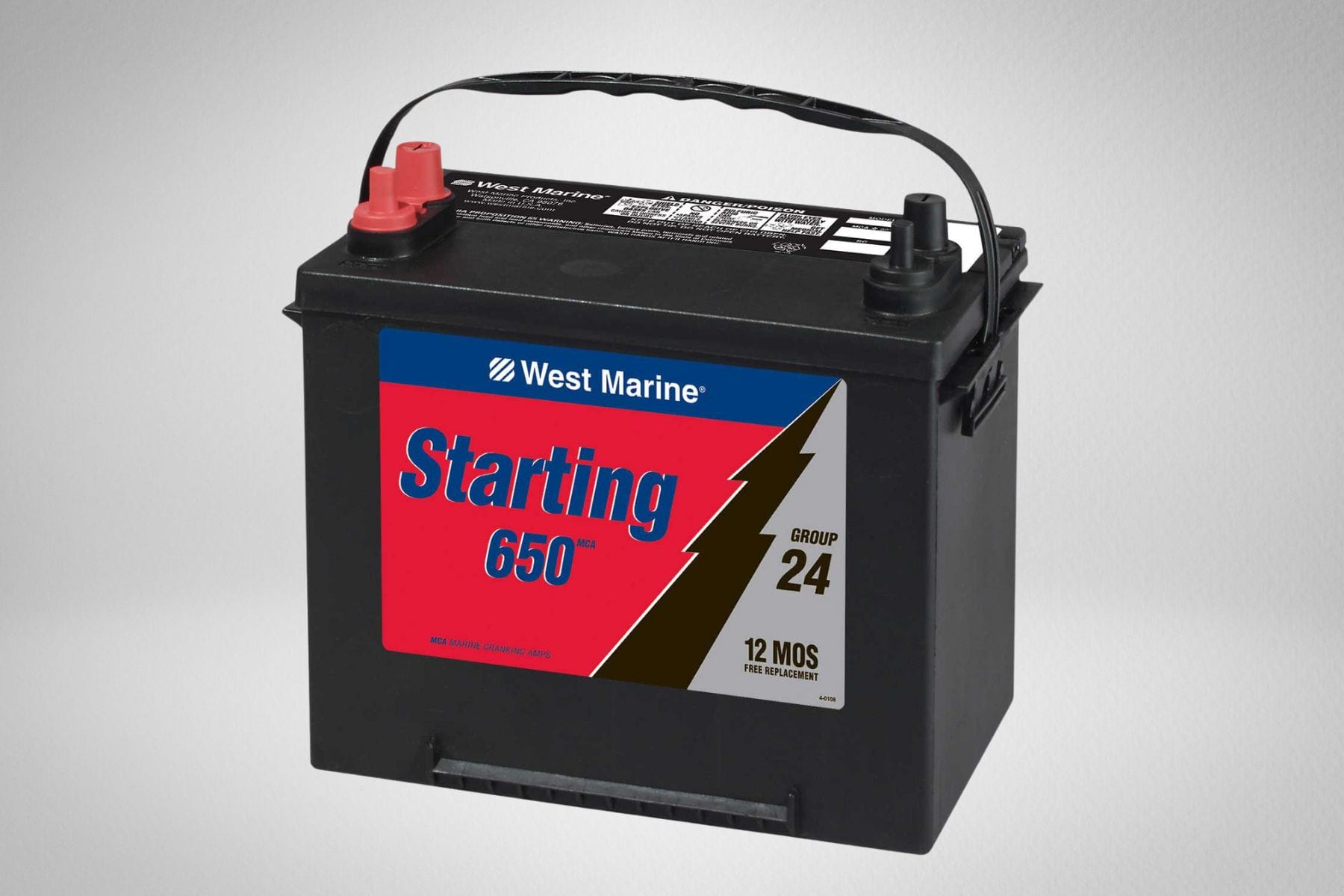
Starting batteries are purpose-built to deliver powerful bursts of energy to crank your engine to life. These batteries feature numerous thin plates that maximize surface area, enabling them to discharge large amounts of current quickly.
However, starting batteries aren't designed for deep discharge cycles. Using them to power accessories over extended periods will significantly reduce their lifespan. They excel at one task: getting your engine running reliably every time you turn the key.
Deep Cycle Batteries
Deep cycle batteries represent the workhorses of the marine world. Constructed with thicker, heavier plates, these batteries provide steady power over extended durations and can be discharged to much lower levels without damage.
These batteries are ideal for powering trolling motors, fish finders, lighting systems, refrigeration units, and entertainment equipment. They're built to be discharged and recharged hundreds or thousands of times, making them perfect for house power applications on boats.
Dual Purpose Batteries
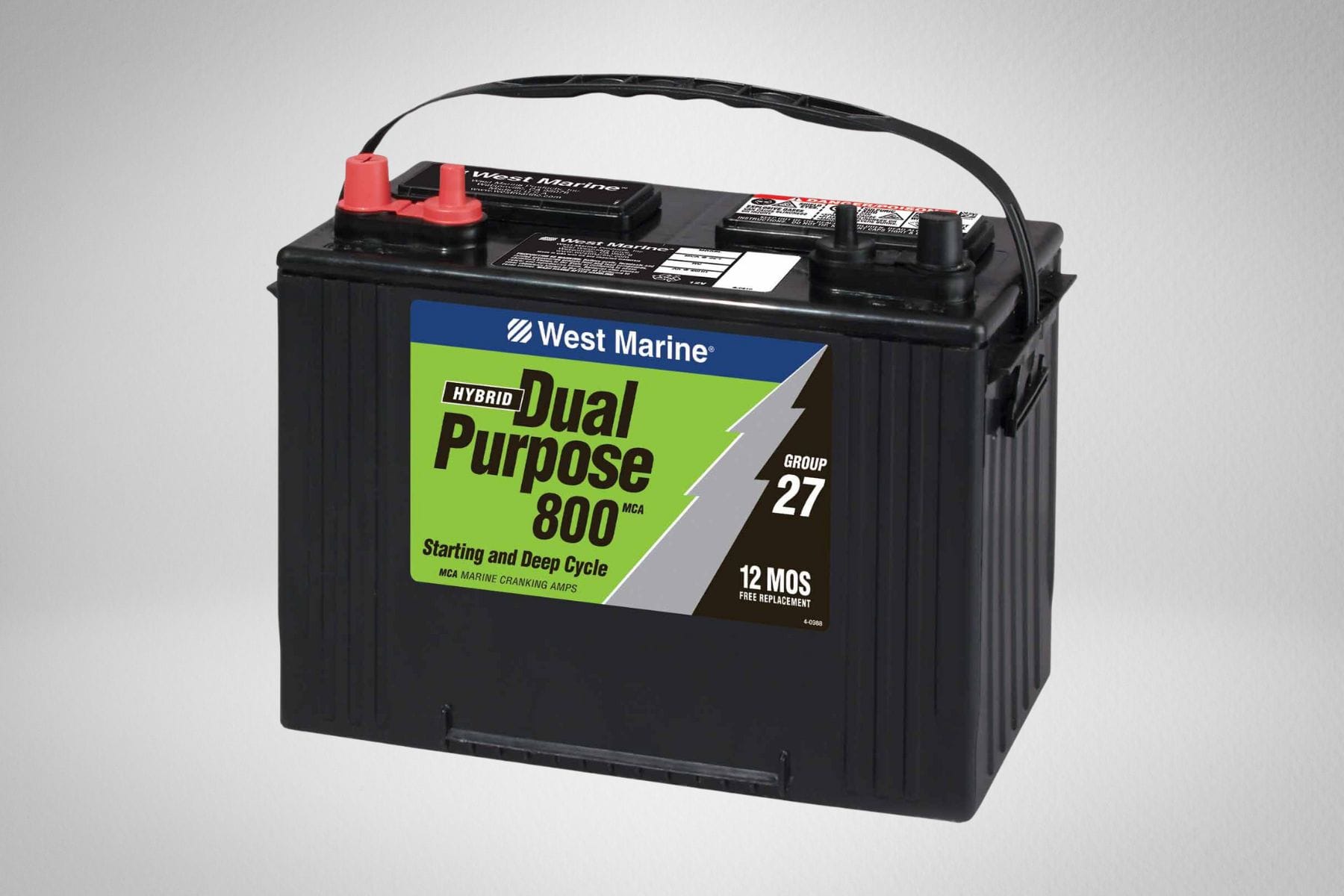
Dual purpose batteries attempt to bridge the gap between starting and deep cycle capabilities. They incorporate design elements from both battery types, offering decent starting power while also handling moderate deep cycling.
While dual purpose batteries provide versatility for smaller vessels with limited space, they represent a compromise. They won't match the cranking power of dedicated starting batteries or the cycling capacity of true deep cycle batteries. They work best on boats with modest power demands.
Marine Battery Technologies Explained
Flooded Lead-Acid Batteries
Flooded lead-acid batteries represent the traditional marine power solution. These batteries contain liquid electrolyte that submerges the lead plates, and they've powered boats reliably for decades.
The primary advantage of flooded batteries is their affordability. They're the most economical option upfront and can deliver excellent performance when properly maintained. However, they require regular maintenance, including checking water levels and cleaning terminals. They must be installed upright to prevent electrolyte spillage and need adequate ventilation due to hydrogen gas production during charging.
Despite their maintenance requirements, flooded batteries remain popular among budget-conscious boaters and those who don't mind performing routine care.
Absorbed Glass Mat (AGM) Batteries
AGM technology represents a significant advancement in lead-acid battery design. In AGM batteries, the electrolyte is absorbed into fiberglass mat separators between the plates, creating a sealed, maintenance-free package.
AGM batteries offer numerous advantages over flooded designs. They're completely sealed, preventing spills and eliminating maintenance. They can be mounted in any orientation, charge faster, perform better in cold weather, and have lower self-discharge rates. They also handle vibration exceptionally well and can deliver higher burst currents when needed.
While AGM batteries cost more than flooded alternatives, many boaters find the convenience, reliability, and performance worth the investment. They've become the preferred choice for serious recreational boaters.

Gel Cell Batteries
Gel batteries use a silica-based gel to immobilize the electrolyte, creating another sealed, maintenance-free option. The gel formulation makes these batteries extremely resistant to vibration and able to operate in extreme temperatures.
Gel batteries excel in deep discharge applications and recover well from complete discharge. They have very low self-discharge rates and can last many years with proper care. However, they require precise charging parameters and can be damaged by overcharging more easily than other types.
While gel batteries offer excellent performance characteristics, they've been somewhat overshadowed by AGM technology in recent years. They remain a solid choice for specific applications where their unique properties provide advantages.
Lithium-Ion Batteries
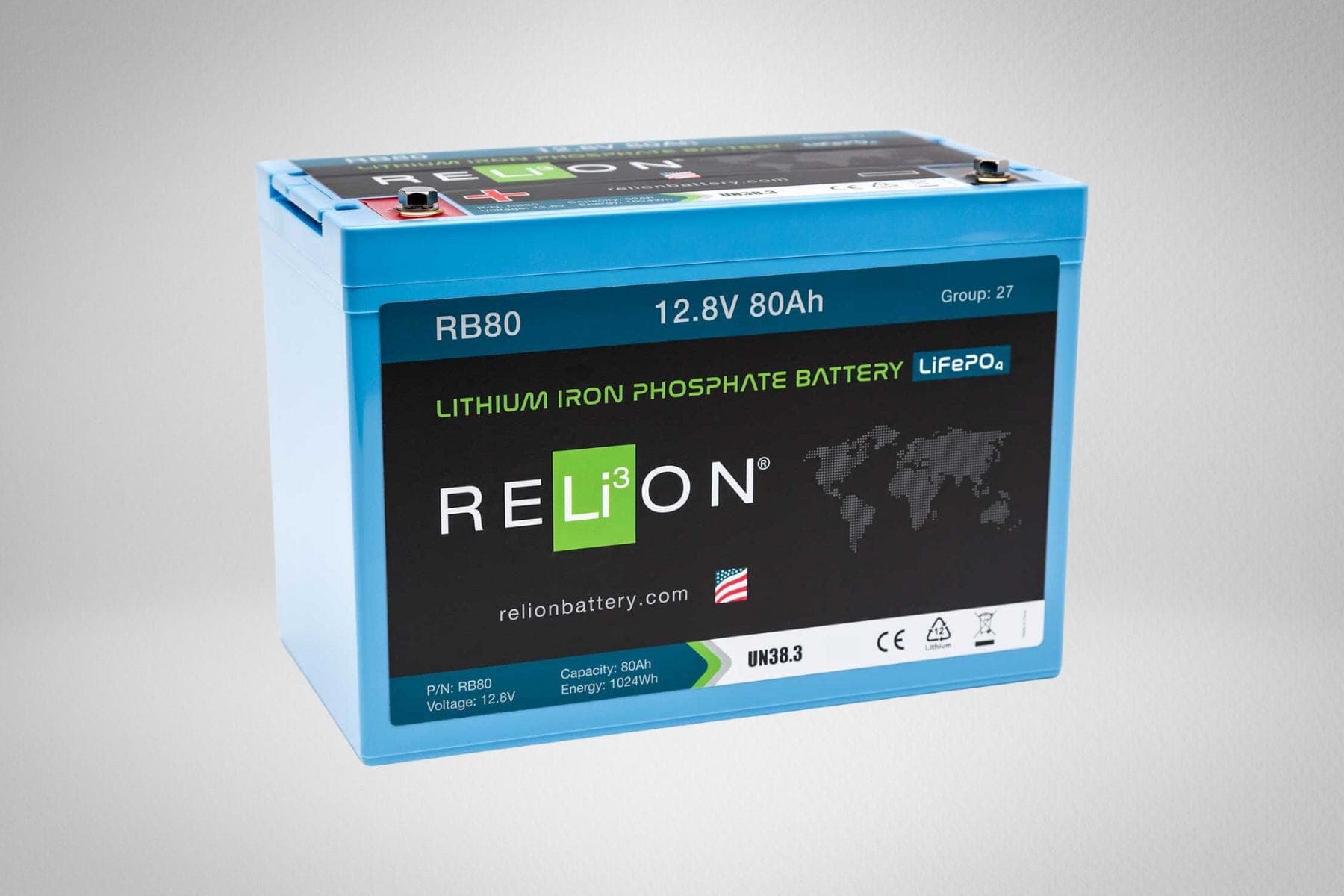
Lithium-ion technology represents the cutting edge of marine battery performance. These batteries deliver extraordinary energy density, meaning they store far more power in a significantly lighter and more compact package compared to lead-acid alternatives.
The advantages of lithium batteries are compelling. They weigh roughly one-third as much as equivalent lead-acid batteries while providing more usable capacity. They can be discharged much deeper without damage, charge extremely quickly, and last significantly longer with proper care. They maintain consistent voltage throughout the discharge cycle and perform excellently in both hot and cold conditions.
The primary drawback remains cost, as lithium batteries command premium prices. However, when factoring in their longer lifespan, weight savings, and superior performance, the total cost of ownership becomes increasingly competitive. Lithium technology is rapidly gaining adoption among performance-oriented and weight-conscious boaters.
Modern marine lithium batteries incorporate sophisticated battery management systems that monitor cell health, prevent overcharging, and ensure safe operation. These systems have made lithium technology increasingly reliable and user-friendly for marine applications.
Essential Battery Specifications Decoded
Battery Capacity
Battery capacity, measured in amp-hours (Ah), indicates how much energy a battery can store and deliver. A 100Ah battery can theoretically provide 5 amps for 20 hours or 20 amps for 5 hours before requiring recharge.
However, actual usable capacity varies by battery type. Lead-acid batteries should only be discharged to 50 percent to maximize lifespan, meaning a 100Ah lead-acid battery provides about 50Ah of usable capacity. Lithium batteries can safely discharge to 80-90 percent, providing significantly more usable energy from the same rated capacity.
Cranking Amps
Cranking amps measure a battery's ability to start engines. Marine Cranking Amps (MCA) indicate the current a battery can deliver for 30 seconds at 32°F while maintaining at least 7.2 volts. Cold Cranking Amps (CCA) measure the same performance at 0°F.
For starting batteries, higher cranking amp ratings mean more reliable starts, especially with larger engines or in cold conditions. Always select a battery that meets or exceeds your engine manufacturer's recommendations.
Reserve Capacity
Reserve capacity measures how long a fully charged battery can deliver 25 amps at 80°F before voltage drops below 10.5 volts. This specification provides a practical indication of how long your battery can power essential systems if your alternator fails.
Higher reserve capacity offers greater peace of mind, ensuring you have sufficient power to reach port safely in emergency situations. This specification is particularly relevant for starting and dual-purpose batteries.
Cycle Life
Cycle life indicates how many discharge-recharge cycles a battery can complete before its capacity degrades significantly. This specification is crucial for deep cycle batteries that undergo regular charging and discharging.
Flooded lead-acid batteries typically deliver 200-300 cycles, AGM batteries offer 400-800 cycles, and lithium batteries can provide 2000-5000 cycles or more. Proper charging practices and avoiding excessive discharge depths can significantly extend cycle life across all battery types.
Calculating Your Battery Requirements
Properly sizing your marine battery system requires understanding your power consumption and usage patterns. Undersized batteries lead to shortened lifespan and unreliable performance, while oversized batteries waste money and add unnecessary weight.
Start by listing all electrical devices you'll operate and their amperage draw. Multiply each device's amp draw by the hours you'll use it to calculate amp-hours consumed. Add these together to determine your total daily power consumption.
For lead-acid batteries, double this number since you shouldn't discharge below 50 percent. For lithium batteries, divide by 0.8 to account for the safe 80 percent discharge depth. Add a 20 percent safety margin to ensure adequate capacity under various conditions.
If you plan to spend multiple days without shore power or engine charging, multiply your daily consumption by the number of days to determine total required capacity. Many boaters find that installing multiple batteries in parallel provides both adequate capacity and redundancy.
For starting batteries, consult your engine manual for the recommended minimum CCA rating. In general, larger engines require more cranking power, and operating in cold climates demands higher CCA ratings.
Proper Battery Installation and Setup
Correct battery installation is critical for safety, performance, and longevity. Marine batteries should be secured in dedicated battery boxes or trays that prevent movement during rough conditions. Loose batteries can cause serious damage or create dangerous situations.
Battery location matters significantly. Install batteries in well-ventilated areas, away from potential ignition sources and protected from direct water exposure. While sealed AGM and lithium batteries produce minimal gas, proper ventilation remains important for safety and temperature management.
Use appropriately sized marine-grade cables and ensure all connections are clean, tight, and protected with corrosion inhibitor. Loose or corroded connections create resistance, generating heat and reducing efficiency. Always connect the positive terminal first when installing and disconnect the negative terminal first when removing.
Install proper circuit protection between the battery and all electrical loads. Fuses or circuit breakers protect your wiring and equipment from damage caused by short circuits or overload conditions. Size protection devices according to cable ampacity and load requirements.
Many boats benefit from battery isolation systems that allow you to select between batteries or combine them. Battery switches enable you to reserve a fully charged battery for starting while using another for house loads, providing redundancy and peace of mind.
Charging Your Marine Batteries Correctly
Proper charging practices dramatically impact battery lifespan and performance. Different battery chemistries require specific charging profiles, and using the wrong charging parameters can cause permanent damage or create safety hazards.
Modern marine battery chargers use multi-stage charging algorithms that optimize the charging process. These chargers typically progress through bulk charging (delivering maximum current until voltage reaches a set point), absorption (maintaining that voltage while current tapers), and float (maintaining full charge with minimal current).
Always select a charger designed for your battery type. AGM, gel, and lithium batteries each require specific voltage settings and charging profiles. Many quality chargers offer selectable battery types or automatic detection to ensure appropriate charging parameters.
Charger size matters as well. As a general rule, select a charger that delivers 10-25 percent of your battery bank's amp-hour capacity. Larger chargers reduce charging time but may be too aggressive for some battery types. Smaller chargers take longer but can be gentler on batteries.
For boats with multiple battery banks, dedicated multi-bank chargers simplify installation and ensure each battery receives optimal charging. These chargers independently manage each bank, accommodating different battery types or charge states within the same system.
Maintaining Your Marine Battery Investment
Regular maintenance extends battery life and ensures reliable performance when you need it most. The specific maintenance requirements vary significantly based on battery type, but all batteries benefit from proper care and attention.
For flooded lead-acid batteries, check water levels monthly during the boating season. Add only distilled water to bring levels to the proper mark. Never overfill, as electrolyte expansion during charging can cause overflow. Always add water after charging, not before.
Keep battery terminals clean and protected. Corrosion creates resistance that reduces performance and can prevent starting. Clean terminals with a wire brush and baking soda solution, then protect them with marine-grade corrosion inhibitor or terminal spray.
Monitor battery voltage regularly to assess charge state and detect potential problems. A healthy, fully charged 12-volt lead-acid battery should read 12.6-12.8 volts at rest. Consistently low voltage readings indicate charging system problems or battery degradation.
During storage or periods of inactivity, keep batteries fully charged to prevent sulfation in lead-acid types. Consider using a maintenance charger that automatically maintains optimal charge levels. Store batteries in cool, dry locations when possible, as heat accelerates self-discharge and degradation.
Never allow batteries to remain in a discharged state for extended periods. Deep discharge followed by neglect is one of the fastest ways to permanently damage most battery types. If you won't use your boat for weeks, ensure batteries are fully charged before storage.
Common Battery Problems and Solutions
Battery Won't Hold a Charge
If your battery won't maintain charge, first verify your charging system is working correctly. Test alternator output and shore power charger function. Parasitic drains from electronic devices can slowly discharge batteries when the boat sits unused.
Sulfation in lead-acid batteries can reduce capacity and prevent full charging. Some desulfation chargers can restore partially sulfated batteries, but severely sulfated batteries typically require replacement. Age and excessive cycling also reduce capacity over time.
Insufficient Cranking Power
Weak starting performance can result from discharged batteries, undersized batteries for your engine, poor connections, or battery degradation. Check battery voltage under load to assess true cranking capacity.
Clean and tighten all cable connections, ensuring proper contact. Verify that your starting battery meets or exceeds engine specifications. Cold weather significantly reduces cranking performance, so batteries with adequate warm-weather performance may struggle in cold conditions.
Battery Overheating
Overheating during charging indicates overcharging or internal battery problems. Verify charging voltage doesn't exceed manufacturer specifications. Ensure adequate ventilation around batteries, especially during charging.
Internal short circuits can cause heating and rapid self-discharge. Batteries that become hot during normal use or storage should be replaced immediately, as they pose safety risks.
Environmental Impact and Responsible Disposal
Marine batteries contain materials that require responsible handling and disposal. Lead-acid batteries contain lead and sulfuric acid, both hazardous substances that must never be discarded in regular trash or allowed to contaminate the environment.
Fortunately, lead-acid batteries are among the most recycled consumer products. More than 95 percent of battery components can be recovered and reused. When replacing your battery, return the old unit to the retailer or take it to a designated recycling center.
Lithium batteries also require proper recycling. While they don't contain lead, lithium-ion cells use valuable materials that should be recovered. Many marine retailers and battery specialists accept lithium batteries for recycling.
When handling and storing batteries, use appropriate containers and protect them from damage. Damaged batteries can leak hazardous materials or create safety hazards. Never attempt to open, puncture, or disassemble batteries.
Featured Marine Power Solution
Experience next-generation marine power with advanced lithium technology
Bixpy PP-378 Outboard Battery (V4)
The Bixpy PP-378 represents the pinnacle of portable marine power technology. This advanced lithium battery delivers exceptional performance in a remarkably compact and lightweight package, perfect for modern boating applications.
Engineered specifically for marine environments, the PP-378 combines cutting-edge lithium-ion technology with intelligent battery management systems. Whether you're powering trolling motors, operating kayak drives, or running essential electronics, this battery provides reliable, consistent power throughout your aquatic adventures.
The Future of Marine Battery Technology
Marine battery technology continues evolving rapidly. Lithium battery prices have decreased significantly over the past decade and are expected to continue declining, making this superior technology increasingly accessible to average boaters.
Next-generation battery management systems are becoming more sophisticated, offering features like smartphone connectivity, detailed performance monitoring, and predictive maintenance alerts. These smart systems help boaters maximize battery lifespan while providing valuable insights into power consumption patterns.
Solid-state battery technology promises even greater energy density and safety compared to current lithium-ion designs. While still in development, these batteries could revolutionize marine power systems within the next decade, offering dramatically increased capacity in even smaller packages.
Integration between battery systems and renewable energy sources continues improving. Solar panels and wind generators are becoming increasingly efficient and affordable, enabling many boaters to achieve energy independence and extend their cruising range without relying on shore power or engine charging.
Making Your Battery Decision
Selecting the right marine battery involves balancing performance requirements, budget constraints, and maintenance preferences. There's no single perfect battery for everyone, but understanding the available options and your specific needs enables you to make an informed decision.
For budget-conscious boaters with basic power needs, quality flooded lead-acid batteries remain a viable choice. Weekend warriors and those seeking convenience will appreciate AGM technology's maintenance-free operation and reliable performance. Serious cruisers and performance enthusiasts increasingly find lithium batteries worth the premium investment.
Remember that proper sizing, installation, charging, and maintenance dramatically impact battery performance and longevity regardless of which technology you choose. Investing time in understanding and caring for your battery system pays dividends through years of reliable service.
As you evaluate your options, consider not just the initial purchase price but the total cost of ownership over the battery's lifespan. Factor in maintenance requirements, replacement frequency, weight considerations, and usable capacity. The cheapest option upfront may not represent the best long-term value.
Ready to Power Your Adventures?
Discover premium marine power solutions engineered for reliability, performance, and lasting value in demanding aquatic environments.
Explore Marine Batteries