
Electric heat pumps offer one of the most cost-effective ways to warm your swimming pool — but only when you select the correct capacity. Picking a unit that's too small leaves your water lukewarm, while an oversized system wastes money and energy. Getting the sizing right means faster heating, lower utility bills, and a pool that's ready whenever you are.
Choosing the ideal heat pump requires more than just a rough guess. You need to account for your pool's volume, your local climate, how much sun exposure the water gets, and whether you use a pool cover. The annual temperature range in your area, the surface area of your pool, and even wind patterns all play a role in finding the perfect match.
- Selecting the right size heat pump is essential to maintaining efficiency and consistent warmth
- Pool volume, climate, and usage habits directly impact the capacity you need
- Larger pools in cooler regions require higher BTU output for reliable heating
- Inverter-driven heat pumps deliver superior efficiency at variable speeds
- Correctly calculating your pool's water volume is the first step to accurate sizing
Table of Contents
- ▶ Understanding Pool Heat Pump Sizing Basics
- ▶ The Difference in Electric Heat Pumps
- ▶ Factors to Consider When Sizing a Pool Heat Pump
- ▶ Pool Size and Water Volume: Key Factors
- ▶ Climate and Environmental Considerations
- ▶ The Science Behind Sizing a Pool Heat Pump
- ▶ Step-by-Step Sizing Guide
- ▶ FAQs
Understanding Pool Heat Pump Sizing Basics
What Is Pool Heat Pump Sizing?
Pool heat pump sizing is the process of determining the exact heating capacity your pool requires based on its dimensions, water volume, and the climate where you live. A pool located in a mild coastal region will have very different needs than one in a region with harsh winters. The bigger the pool and the colder the environment, the more powerful your heat pump must be to raise and maintain a comfortable water temperature.
Getting this calculation right ensures your system operates efficiently without wasting electricity or struggling to reach your target temperature. An undersized heat pump will run constantly without ever warming the water properly, while an oversized unit cycles on and off too frequently, reducing its lifespan and efficiency.
The Difference in Electric Heat Pumps
There are two primary categories of electric pool heat pumps: standard on/off models and inverter-driven models. Standard units operate at full capacity whenever they're running — they switch on when the water drops below your set temperature and shut off once it's reached. This binary operation gets the job done but isn't the most energy-efficient approach.
Inverter heat pumps, on the other hand, are significantly more sophisticated. They adjust their compressor speed based on real-time demand, running at lower power when only a small temperature boost is needed and ramping up when a larger increase is required. This variable-speed technology results in quieter operation, longer equipment life, and substantially lower energy consumption. Inverter models also tend to have a higher Coefficient of Performance (COP), meaning they produce more heat per unit of electricity consumed.

Factors to Consider When Sizing a Pool Heat Pump
Several important variables influence the correct sizing of a pool heat pump. Beyond pool dimensions, you need to think about your geographic location, how often you swim, whether you use a cover, and the amount of shade or wind your pool is exposed to. Each of these factors either increases or decreases the heating load your system must handle.
Pool Usage Frequency and Its Impact
How often you use your pool is another critical factor. Pools that see heavy daily use or are frequently uncovered will lose heat more rapidly. A pool that's used casually on weekends may only need occasional heating, while a pool that's in constant use — especially for exercise or entertaining — requires a heat pump that can keep pace with the ongoing energy demands. Matching your heating system to your actual usage patterns ensures the unit runs as efficiently as possible.
Measuring COP and kW
Coefficient of Performance (COP) tells you how much heating energy a heat pump produces relative to the electricity it consumes. A COP of 5.0, for example, means the unit generates five times more energy than it draws from the grid. The higher the COP, the more cost-effective the system is to operate. Meanwhile, kilowatt (kW) ratings indicate the heat pump's total output capacity. For residential pools, units typically range from around 10 kW to 25 kW or more, depending on pool size and climate conditions.
Pro Tip: Look for heat pumps with a COP of 5.0 or higher for maximum energy savings. Inverter models frequently exceed this benchmark, making them the smartest long-term investment.
Pool Size and Water Volume: Key Factors
The physical dimensions and total water volume of your pool are the single most important variables in determining what heat pump size you need. A larger body of water demands more energy to heat — it's as simple as that. The deeper the pool, the more water there is to warm, and the longer it takes to reach a comfortable temperature without the right equipment.
To determine your pool's volume, you'll need to know its length, width, and average depth. For rectangular pools, the formula is straightforward: Length × Width × Average Depth × 7.5 (for gallons). Irregular shapes require breaking the pool into sections and calculating each one separately. Knowing your pool's exact volume — not just an estimate — is essential for choosing a heat pump that's truly matched to your needs.
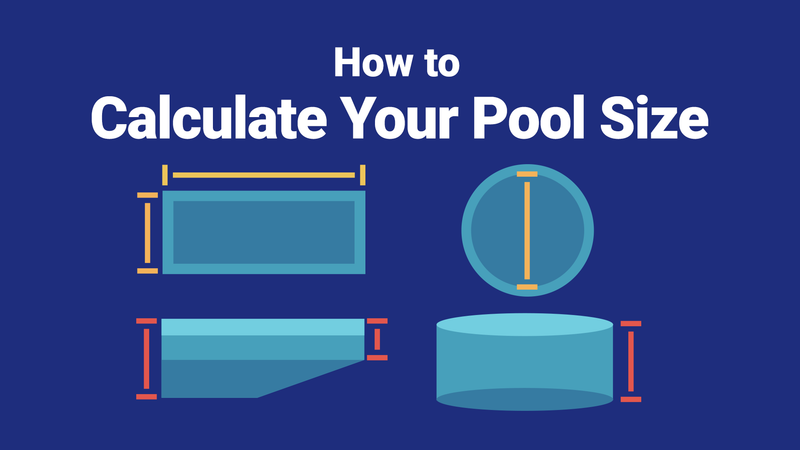
Choosing a heat pump that aligns with your pool's volume ensures the system doesn't waste energy or struggle to maintain a set temperature. A unit rated for 15,000 gallons will be overwhelmed by a 30,000-gallon pool, leading to sky-high energy bills and frustratingly cool water. Conversely, a massive unit on a small pool leads to inefficient short cycling.
Climate and Environmental Considerations
Your local climate plays a critical role in determining the size of pool heat pump you need. Pools in warm, sunny regions like Florida or Arizona naturally retain more heat and require less output from a heat pump. On the other hand, pools in cooler climates with significant temperature swings — such as the Northeast or Pacific Northwest — need more powerful units to compensate for greater heat loss.
Beyond ambient temperature, other environmental factors also matter. Wind exposure accelerates evaporation, which is the primary source of heat loss in any pool. Humidity levels, shade from nearby trees or structures, and whether your pool receives direct sunlight all influence how hard your heat pump has to work. Pools that are shielded from wind and receive ample sunshine will naturally require less heating capacity than those in exposed, shaded locations.
Other Environmental Factors
In addition to climate, consider whether you use a pool cover. A quality solar or thermal cover can reduce heat loss by up to 70%, dramatically lowering the workload on your heat pump and potentially allowing you to choose a smaller, more affordable unit. If you swim primarily at night or early morning when temperatures drop, a cover becomes even more important for retaining heat between sessions.
Tip: Using a pool cover consistently is one of the most impactful steps you can take to reduce heating costs and extend your swimming season without upgrading to a larger heat pump.
The Science Behind Sizing a Pool Heat Pump
At its core, pool heat pump sizing is a thermodynamic calculation. The goal is to match the unit's BTU output to the rate of heat loss from your pool. Heat escapes through evaporation (the biggest contributor), radiation to the night sky, conduction through the pool walls and floor, and convection from wind passing over the water surface. A properly sized heat pump must be able to replace all of this lost energy while also raising the water temperature when needed.
It's always advisable to have a professional assess your specific situation, as real-world conditions introduce variables that simple calculators can miss. That said, understanding the basic principles empowers you to ask the right questions and evaluate recommendations with confidence.
Our team is always available to help with pool heat pump sizing — it's something we work with every day. Just reach out, and we'll point you toward the right solution based on your unique setup.
Step-by-Step Guide to Sizing Your Pool Heat Pump
Calculate the Size of Your Pool
If you don't already know your pool's volume, measure its length, width, and average depth. For rectangular pools, use the formula: Length × Width × Average Depth × 7.5 to get the volume in gallons. For example, a pool that is 15 ft × 30 ft with an average depth of 5 ft holds approximately 16,875 gallons. Round or irregular pools may require breaking the shape into calculable sections for an accurate total.
Work Out the kW Required for Your Pool Size
Once you know your pool's volume, you can estimate the heat pump capacity needed. Some manufacturers publish sizing charts that match pool volume ranges to recommended BTU or kW ratings. As a general guideline, every 10,000 gallons of water typically needs a heat pump producing somewhere in the range of 50,000 to 80,000 BTU, depending on climate and usage conditions.
Consider Other Factors
The general rule for pool heat pumps is: the bigger the pool, the stronger the heat pump. But it doesn't stop there. Factor in your climate zone, whether you use a pool cover, how much wind and shade your pool gets, and the time of year you plan to swim. These details can shift your ideal BTU requirement significantly — sometimes by 20% or more in either direction.
Pool Heat Pump Sizing Reference
| Pool Volume | kW Required |
|---|---|
| Up to 10,000 gallons | Minimum 5 kW |
| 10,000 – 20,000 gallons | Minimum 8 kW |
| 20,000 – 30,000 gallons | Minimum 11 kW |
| 30,000 – 40,000 gallons | Minimum 14 kW |
| 40,000+ gallons | Minimum 17 kW |
*Values are approximate starting points. Climate, cover usage, and other factors may require adjustments.
What You'll Need to Know Before Calling for a Quote
When you're ready to get a quote for the right pool heat pump, having a few key details on hand will make the process faster and more accurate. Here's what you should be prepared to share:
- The dimensions of your pool (length, width, and depth) or its total capacity in gallons
- The type of pool surface (concrete, fiberglass, vinyl, etc.)
- Whether you currently use a pool cover
- Your geographic location and typical seasonal temperatures
- How many months of the year you plan to swim
Frequently Asked Questions
1. Can Pool Heat Pump Sizing Impact Energy Efficiency?
Absolutely. When a heat pump is perfectly matched to your pool, it runs at peak efficiency — it doesn't have to overwork itself or cycle unnecessarily. An undersized unit strains to maintain temperature, consuming more electricity in the process, while an oversized one short-cycles and loses efficiency. Proper sizing also helps the system last longer, reducing long-term maintenance and replacement costs. Pairing the right size with an inverter model further amplifies these savings.
2. How Does Pool Water Volume Influence Pool Heat Pump Sizing?
Water volume is the single biggest factor in sizing a pool heat pump. The more water your pool holds, the more energy is needed to raise its temperature. A pool with 25,000 gallons requires significantly more heating capacity than one with 10,000 gallons, starting at a minimum of 50% more. Accurately calculating your water volume — rather than guessing — ensures you select equipment that can actually maintain your desired temperature without wasting energy or overloading the system.
Ready to Find Your Perfect Pool Heat Pump?
Browse our selection of energy-efficient pool heat pumps built for every pool size and climate.
Blue Torrent Pool Heat Pump 110K BTU