
Table of Contents
- ›What Does Modular Design Actually Mean?
- ›The Financial Freedom of a "Pay-as-You-Grow" Approach
- ›Future-Proofing Your Technology Investments
- ›Tailoring a System to Your Exact Needs
- ›Easier Repairs and Less Electronic Waste
- ›A Smarter Path to Ownership
- ›Frequently Asked Questions
Technology advances at a relentless pace. It can be tempting to rush out and buy the newest gear the moment it hits the shelf. But should you really spend a fortune on a large system that may not meet tomorrow's requirements, or should you invest wisely in something that grows alongside you? That's exactly where modular power systems come into play — offering a smarter, more adaptable, and more cost-effective way to manage your energy needs.
What Does Modular Design Actually Mean?
High-Tech Building Blocks
Think of modular design as assembling a sophisticated system from several purpose-built components. Much like snapping high-quality building blocks together, each piece serves its own unique function, yet they all work in harmony. Every module brings something specific to the table — storage, output, connectivity — and together, they form a cohesive and powerful energy solution.
Engineered for Evolution
In traditional all-in-one designs, the entire unit is a sealed package. This is fine at first — until your needs outgrow it, something wears out, or newer technology arrives. With a modular setup, you can swap, upgrade, or expand individual parts without discarding the entire system. It shifts and grows with you, making it an investment that genuinely keeps pace with real life.

The Financial Freedom of a "Pay-as-You-Grow" Approach
Lowering the Entry Barrier
The clearest financial advantage of a modular philosophy is that it allows you to save money right from the start. A "pay as you grow" pricing model ensures that your initial outlay matches only your current requirements — nothing more, nothing less. You're not overpaying for capacity you won't touch for years, and you're not cutting corners with a system that will fall short within months.
The Home Energy Example
Consider setting up a home energy system. To achieve peak solar performance, a conventional all-in-one solution might demand a hefty upfront investment. With modular power, you can begin with a basic inverter and a small battery pack to handle your immediate electricity needs. Over time, as your household consumption grows or you decide to add more solar capacity, simply attach additional battery modules to increase your storage. This step-by-step approach fits nicely within most budgets and eliminates the financial shock of buying everything at once.
Eliminating Guesswork
When you purchase things gradually, you avoid the anxiety of trying to predict future needs with pinpoint accuracy. A miscalculation with a large, monolithic purchase can haunt your wallet for years. Modular design removes that pressure entirely — you make smart, incremental choices as your circumstances change, keeping costs manageable every step of the way.
💡 Does "modular" always mean "expandable"? Not quite. While every expandable system is inherently modular, not every modular device is built to scale. True expandability means you can boost your power or storage capacity without replacing the core unit.
Future-Proofing Your Technology Investments
The Problem with Obsolescence
Technology moves fast. A system that feels state-of-the-art today can seem outdated once the next generation of products launches. Modularity is the most effective strategy to guard against this — by allowing you to refresh individual components rather than replacing the entire setup whenever something new comes along.

An Evolving Platform
Thanks to its expandable architecture, a modular power system can effortlessly accommodate your changing lifestyle. A single well-chosen example: the shift from personal computing to portable power supplies. A power-constrained consumer device used to be a luxury; now it's practically a necessity for camping, emergencies, and remote work. The flexibility of modularity means you can swap out a smaller inverter for a higher-wattage unit, upgrade battery chemistry, or integrate solar panels — all without starting from scratch.
This foundational openness is the real payoff. By setting the groundwork for a system that can be continually refined, you can rest assured that the product you own today isn't limited to today's world. Once it has evolved into a full platform, your technology becomes an asset that will never fully depreciate.
Tailoring a System to Your Exact Needs
A Custom-Fit Solution
It's never enough to simply own a system — you need the ability to shape it around your specific use case. Modular power gives you greater command over your configuration than any single-piece alternative. Each component can be matched or swapped to align perfectly with the way you actually use energy.
Versatility in Action
The adaptability of modular energy systems makes this concept tangible. For regular home backup during power outages, you might begin with a solid inverter and a single battery module. Heading out on a weekend camping adventure? Detach a portable battery unit and pair it with a compact solar panel. A single modular ecosystem can serve double or triple duty across entirely different scenarios — from whole-home backup to off-grid exploration.
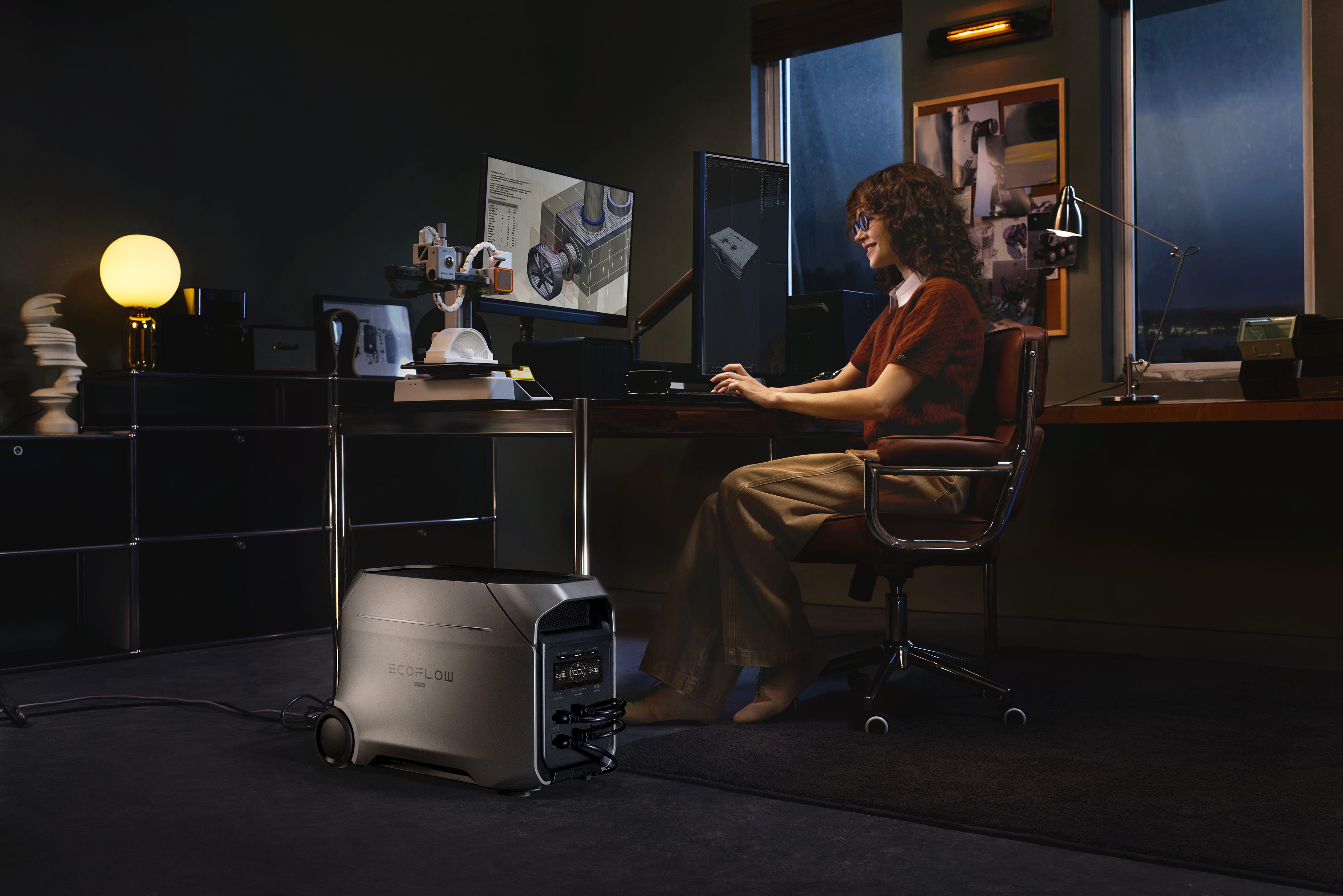
BLUETTI AC300 Inverter Module
3,000W pure sine wave output · pairs with the B300 battery module · expandable up to 12,288Wh · 240V split-phase capable · smart app control & monitoring · ideal for home backup and off-grid use.
*Requires the B300 battery module to operate (sold separately).
Building Your Own Setup
With modular components, you can engineer a power solution perfectly tuned for output, portability, or efficiency — or balance all three. Here's what that flexibility looks like in practice:
⚡ No Wasted Money
Only invest in the features and capacity you currently require — nothing superfluous.
⚙ Optimized Performance
Your system is tuned to your actual lifestyle, delivering peak efficiency where it counts.
🔄 Flexible Reconfigurations
Rearrange or repurpose your modules for any scenario — home, travel, or emergency.
Easier Repairs and Less Electronic Waste
Simplified Troubleshooting
Durability and the cost of ownership are deeply connected. This is another area where modular systems excel. When something fails in an all-in-one device, the repair process is frequently complex and costly, sometimes pushing owners toward a full replacement instead. With modular architecture, you isolate and replace only the component that's actually malfunctioning — keeping costs down and recovery times short.
The "Repair-by-Module" Mindset
It's far easier to troubleshoot issues in a modular system. Imagine one component stops working — rather than sending the whole device to a service center, you simply identify the faulty module, pop it out, and either repair or replace that single part. The process doesn't require extensive technical knowledge, doesn't take long, and costs only a fraction of what a monolithic repair bill would look like.
Long-Term Sustainability
The environmental benefits deserve attention too. Modular devices extend the useful life of your investment significantly and encourage a more eco-conscious approach to ownership. Repairing a single module instead of scrapping an entire system keeps materials out of landfills and reduces the demand for new raw resources. It's better for the planet and better for your bottom line.

A Smarter Path to Ownership
The reality is that modularity offers you something rare in the tech world: genuine control. Your needs will shift, your budget will fluctuate, and your priorities will evolve — but a modular system adapts right alongside you. Instead of chasing the latest all-in-one gadget every few years, you can ensure that every dollar you invest carries forward into the next chapter.
New technological breakthroughs won't force you to start over with a blank slate. They become opportunities to strengthen what you've already built. That's the real power of modular thinking — a flexible, living system that can be reshaped to match the ever-changing demands of your daily life.
Frequently Asked Questions
Q1: What Is the Main Benefit of a Modular System?
The standout advantage is investment protection. Modular systems grow with you, so you're never stuck with an undersized unit or paying for capacity you don't need yet. You start modestly and scale on your own terms — saving money today while keeping your options wide open for tomorrow.
Q2: Is a Modular System Harder to Use?
Quite the opposite. Modular systems are typically designed with simplicity at their core, making it straightforward to add new technology when you're ready. While older non-modular systems can become cumbersome to expand — sometimes requiring professional help — modular setups let you plug in new capacity with minimal effort.
Q3: How Does Modularity Affect Repairs?
Repairs become dramatically simpler and more affordable. Instead of servicing an entire integrated system, you identify and swap the one module that's causing trouble. It's quicker, cheaper, and generates significantly less electronic waste — making it the more responsible choice all around.
Q4: Can I Combine Modules from Different Brands?
In most cases, you'll want to stay within the same brand ecosystem. Modules from different manufacturers may use different connectors, voltages, or communication protocols, meaning cross-brand compatibility isn't guaranteed. Sticking with one trusted brand — such as BLUETTI — ensures seamless integration and reliable performance.
Q5: Does "Modular" Always Mean "Expandable"?
Not necessarily. A device can be modular in design — built from separate, replaceable parts — without offering true expandability. Genuine expandability means you can actively grow your system's power output or storage capacity by adding new modules over time, rather than just replacing broken ones. When shopping, look for products that explicitly advertise expansion capabilities to get the full benefit.
Ready to Build a System That Grows With You?
Explore the BLUETTI AC300 modular inverter — powerful, expandable, and designed for the long haul.
BLUETTI AC300 Inverter