
On This Page
• What Exactly Is a Solar Generator?
• Common Uses for Solar Generators
• Core Components Explained
• How Solar Generators Actually Work
• Key Benefits of Going Solar
• Solar Generators vs. Gas-Powered Generators
• What to Look for When Buying
• Key Takeaways
• Frequently Asked Questions
Solar power is no longer reserved for rooftop panels and massive utility installations. Thanks to advancements in battery and inverter technology, it's now possible to carry portable solar energy systems virtually anywhere. Whether you need backup power during a blackout, electricity at a remote campsite, or a cleaner alternative to noisy gas generators, a solar generator offers a versatile and environmentally conscious solution.
Solar generators are rapidly gaining popularity because of their simplicity. There's no fuel to buy, no oil to change, and no exhaust to worry about. These units bundle solar panels, a charge controller, a battery, and an inverter into one seamless system — giving you access to quiet, renewable electricity wherever the sun shines.
What Exactly Is a Solar Generator?
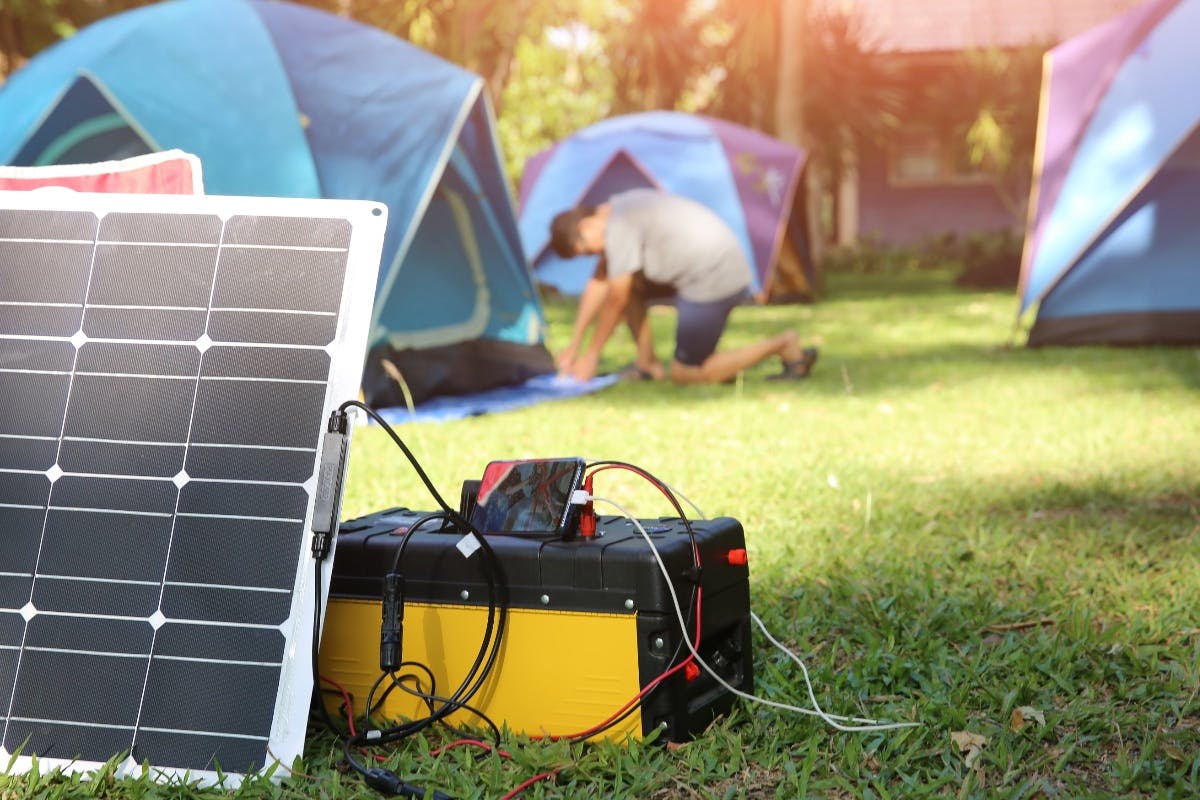
You may have come across the term "solar generator" and wondered what it actually refers to. In practical terms, a solar generator is a portable power station that captures sunlight through solar panels, converts it to electrical energy, stores it in an internal battery, and then delivers that electricity to your devices through various output ports.
Unlike traditional fuel-based generators, solar generators have no combustion engine. There are no moving parts, no fumes, and virtually no noise. The entire process runs silently on renewable energy, making it a perfect fit for anyone seeking a clean and dependable portable power source.
The phrase "solar generator" is often used loosely to refer to the portable battery station alone, but in reality it encompasses the full system — panels, controller, battery, and inverter working together to generate usable power from sunlight.
Common Uses for Solar Generators
Solar generators have grown well beyond their early niche. Today, they serve a wide range of everyday and specialized purposes:
🏕️ Camping & Outdoor Recreation
Keep your phones, lanterns, coolers, and portable cooking gear charged when you're far from any power grid. Perfect for extended backcountry trips.
⚡ Emergency Backup Power
When storms knock out the grid, a solar generator can keep your lights on, charge medical devices, and power essential home appliances until service is restored.
🏠 Off-Grid Living
For cabins, tiny homes, and remote properties, solar generators provide day-to-day electricity without the need for a permanent utility hookup.
🚐 RV & Van Life
Mobile living demands reliable portable power. Solar generators let you run appliances, entertainment systems, and climate control while on the road.
🔧 Remote Job Sites
Contractors and event organizers use solar generators to power tools, lighting, and audio equipment at locations where running a power line isn't feasible.
🌿 Backyard & Patio Use
Power your outdoor movie night, string lights, music speakers, or a small refrigerator during your next backyard gathering — cleanly and quietly.
Core Components Explained
A solar generator is typically composed of four primary elements that work in unison. Understanding each piece will help you choose the right system for your specific needs.
1. Solar Panels
Solar panels are the starting point of the entire system. They absorb sunlight through photovoltaic cells and convert it into direct current (DC) electricity. Portable solar panels come in several varieties — monocrystalline panels offer the highest efficiency, while foldable and flexible panels trade peak performance for greater portability. The wattage rating of your panels determines how quickly your battery charges.
2. Charge Controller
The charge controller sits between the solar panels and the battery, regulating the flow of electricity to prevent overcharging and protect battery health. The two main types are PWM (Pulse Width Modulation) and MPPT (Maximum Power Point Tracking). MPPT controllers are more efficient, especially in variable weather conditions, because they optimize the voltage and current drawn from the panels.
3. Battery
The battery is the heart of a solar generator — it stores the energy collected by the panels for use whenever you need it. Most modern solar generators use lithium-ion or lithium iron phosphate (LiFePO4) batteries. LiFePO4 batteries have gained popularity because they offer an outstanding cycle life (often 2,500+ charge cycles), superior thermal stability, and a longer overall lifespan compared to standard lithium-ion cells.
4. Inverter
The inverter converts the stored DC electricity into alternating current (AC), which is what most household appliances and electronics require. A pure sine wave inverter produces a clean, stable current that's safe for sensitive devices like laptops, CPAP machines, and televisions. The inverter's wattage rating tells you the maximum load it can handle simultaneously.
How Do Solar Generators Actually Work?
Unlike gas-powered generators that rely on internal combustion, solar generators produce electricity through an entirely different — and far simpler — process. Here's how the energy flows from sunlight to your devices:
Step 1: Sunlight Hits the Panels
Photovoltaic cells in the solar panels absorb photons from sunlight and generate a flow of DC electricity. The more direct sunlight the panels receive, the faster they produce energy.
Step 2: The Charge Controller Regulates the Flow
DC electricity passes through the charge controller, which ensures the battery receives the right voltage and current. This protects the battery from damage and maximizes charging efficiency.
Step 3: Energy Is Stored in the Battery
The regulated electricity is stored in the generator's internal battery, ready to be used immediately or saved for later. Think of the battery as your personal energy reserve.
Step 4: The Inverter Converts DC to AC
When you plug in a device, the inverter converts stored DC power into AC electricity. This is the same type of current that flows from your home's wall outlets, so your devices run just as they would on grid power.
Many higher-capacity solar generators also support wall outlet and car charger input, so you can top off the battery from conventional sources when sunlight isn't available. This flexibility makes them practical in nearly every scenario.

Key Benefits of Going Solar
Solar generators bring a compelling set of advantages that make them a smart choice for both casual and serious users. Here are the standout benefits:
Clean, Renewable Energy
Solar generators produce zero emissions during operation. No exhaust, no carbon monoxide risk, and no contribution to air pollution. You're drawing energy straight from the sun — the most abundant energy source on the planet.
Silent Operation
Without a combustion engine, solar generators run virtually silent. This means you can use them inside your home, at a campsite, or in your backyard without disturbing neighbors or disrupting the peace.
Minimal Maintenance
No engine oil, no spark plugs, no fuel filters. Solar generators have no moving parts, which means far less can go wrong. The occasional wipe-down of your solar panels is about all the upkeep you'll need.
Lower Long-Term Costs
While the initial investment may be higher than a basic gas generator, solar generators cost nothing to fuel. Once you own the system, sunlight is free — and over time the savings add up significantly, especially for frequent users.
Indoor Safety
Because they produce no fumes or exhaust, solar generators are safe to operate indoors. This is a major advantage during power outages when you need reliable electricity inside your home.
Portability
Many solar generators are designed to be lightweight and compact, with built-in handles for easy carrying. Paired with foldable panels, they make an extremely portable power solution you can take just about anywhere.
Solar Generators vs. Gas-Powered Generators
Choosing between a solar generator and a gas generator comes down to understanding the tradeoffs. Both have their place, but they serve different needs. Here's a straightforward comparison to help you decide.
| Feature | Solar Generator | Gas Generator |
|---|---|---|
| Fuel Source | Sunlight (free) | Gasoline or propane |
| Noise Level | Near silent | Loud (60–90 dB) |
| Emissions | Zero | CO, CO₂, and other gases |
| Indoor Use | Safe | Dangerous (CO risk) |
| Maintenance | Very low | Regular (oil, filters, etc.) |
| Upfront Cost | Moderate to high | Low to moderate |
| Operating Cost | Essentially free | Ongoing fuel costs |
| Power Output | Limited by battery capacity | Continuous with fuel supply |
| Recharge Time | Hours (solar dependent) | Instant (refuel) |
Solar generators shine when you value quiet operation, low maintenance, indoor safety, and zero running costs. They're ideal for powering electronics, small appliances, and essential devices in both everyday and emergency situations.
Gas generators still have the edge when you need high continuous wattage for extended periods — such as running power-hungry construction tools or powering an entire household simultaneously during a prolonged outage. However, for the majority of home, backyard, camping, and moderate emergency needs, solar generators have become the smarter long-term investment.
Featured Product
Ready for Serious Portable Power?
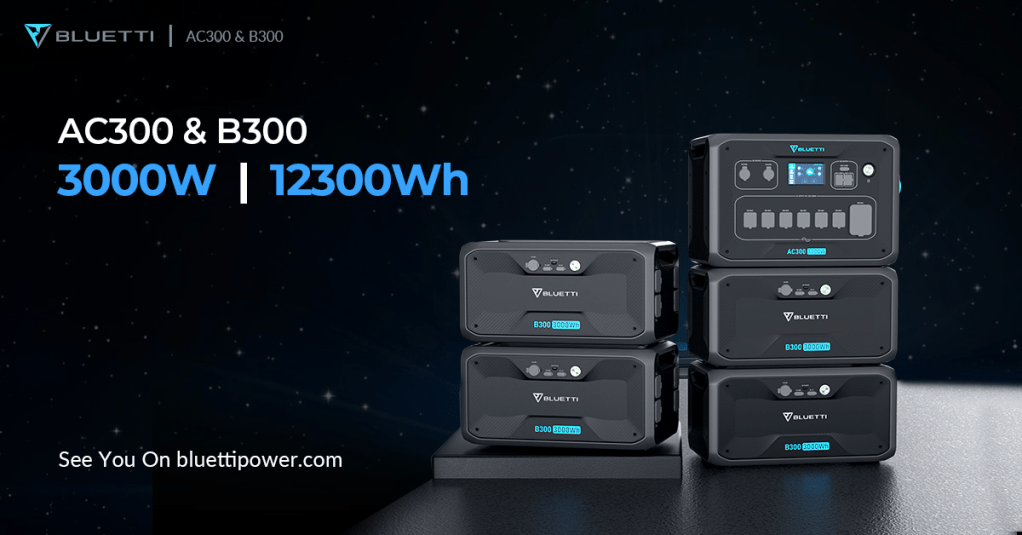
Explore the BLUETTI AC300 — a powerful 3,000W inverter module built for demanding off-grid and backup power needs.
What to Look for When Buying a Solar Generator
Selecting the right solar generator depends on your specific power needs, lifestyle, and budget. Here are the critical factors to evaluate before making a purchase:
Energy Needs and Wattage Requirements
Start by listing the devices you intend to power and adding up their wattage. This total gives you a baseline for the inverter capacity you'll need. Keep in mind that some appliances have a startup surge that briefly draws more power than their running wattage — the generator's inverter must be able to handle these spikes. If you're primarily charging phones and laptops, a smaller unit works fine. If you plan to run a refrigerator, power tools, or medical equipment, you'll want a system rated at 2,000 watts or more.
Battery Capacity
Battery capacity is measured in watt-hours (Wh) and tells you how long the generator can deliver power before it needs a recharge. A 1,000Wh battery, for example, can theoretically power a 100-watt device for 10 hours. Consider whether you need a system suited for short outings or one that can sustain you for days during an extended outage. Some brands also offer expandable battery modules that let you scale capacity as your needs grow.
Charging Speed and Flexibility
How quickly a solar generator recharges matters — especially if you depend on it daily. Look at the maximum solar input wattage, which tells you how fast the battery can charge under ideal sun conditions. Also check whether the unit supports AC wall charging or 12V car charging for added flexibility. Some advanced models support dual or triple charging methods simultaneously, dramatically cutting recharge times.
Portability and Weight
If you plan to move your solar generator frequently — for camping trips, tailgating, or between rooms during a blackout — weight and form factor are important. Compact units under 20 pounds are great for travel, while heavier units with wheels are more practical as semi-stationary home backup systems.
Output Ports and Versatility
Make sure the generator offers the right combination of AC outlets, USB-A ports, USB-C ports, and DC outputs for your devices. Higher-end models often include wireless charging pads and regulated 12V car-style outlets. The number and variety of ports determine how many devices you can power at once.
Build Quality and Durability
A solar generator is a long-term investment. Look for rugged construction, quality materials, and reputable brands that offer solid warranties. Units built with LiFePO4 batteries tend to have the longest lifespans, often rated for 2,500 or more charge cycles before significant capacity loss.
Brand Reputation and Warranty
Established brands with strong customer support networks give you peace of mind. Check for warranty coverage (many reputable brands offer 3–5 years), read verified customer reviews, and make sure replacement parts and service are accessible if you ever need them.
Key Takeaways
✓ Solar generators are portable, all-in-one power systems that convert sunlight into usable electricity — cleanly and silently.
✓ They're perfect for camping, emergency backup, off-grid living, RV travel, backyard activities, and remote work sites.
✓ With no fuel costs and virtually no maintenance, solar generators deliver significant long-term savings over gas-powered alternatives.
✓ When shopping, focus on wattage output, battery capacity (Wh), charging speed, portability, and the variety of output ports available.
✓ For serious power needs — emergency home backup, off-grid setups, or high-wattage applications — look for systems rated at 3,000W or above with expandable battery capacity.
Frequently Asked Questions
What devices can a solar generator power?
It depends on the generator's inverter wattage and battery capacity. Smaller units (300–500W) handle phones, laptops, lights, and small fans. Mid-range units (1,000–2,000W) can run televisions, mini fridges, and CPAP machines. High-capacity units (3,000W+) are capable of powering full-sized refrigerators, power tools, and even some air conditioning units.
How long does it take to charge a solar generator?
Charging times vary widely depending on the battery size and solar panel wattage. A 1,000Wh battery paired with 200W of solar panels can take roughly 5–8 hours in good sunlight. Using AC wall charging or combining solar and wall charging simultaneously can reduce this significantly — some models recharge in under 2 hours via AC.
Can I use a solar generator to power my entire house?
Most portable solar generators are not designed to power an entire household at once. However, high-capacity modular systems can keep essential circuits running — lights, refrigerator, internet router, charging stations, and select appliances. For whole-home backup, you would typically need a high-wattage inverter module paired with multiple expandable battery units.
Are solar generators worth the investment?
For most people, absolutely. The absence of ongoing fuel costs, near-zero maintenance, silent operation, and environmental benefits make solar generators an excellent value — especially for anyone who uses portable power regularly. The higher upfront cost is typically recovered through fuel savings within a year or two of regular use.
Do solar generators work on cloudy days?
Yes, though at reduced efficiency. Solar panels still generate electricity under overcast skies, but at roughly 10–25% of their rated output depending on cloud density. This is why having a larger battery capacity and the option to charge from a wall outlet or car adapter provides valuable flexibility in all weather conditions.
Power Your Backyard. Power Your Life.
Discover the BLUETTI AC300 modular inverter system — 3,000W of pure power designed for serious off-grid and emergency backup applications.
BLUETTI AC300 3,000W Inverter© Backyard Provider — Your Trusted Source for Outdoor Living & Energy Solutions