
A rechargeable generator is a leap forward in portable energy technology. Also known as a portable power station, it stores electrical energy in a built-in battery, letting you charge and recharge it hundreds — sometimes thousands — of times. Unlike traditional gas generators, these units produce zero emissions, run silently, and can be used safely indoors or outdoors.
Whether you are preparing for power outages, heading off-grid for a camping adventure, or simply want a reliable backup energy source for your home, a rechargeable generator is one of the smartest investments you can make in 2024 and beyond.
3,000W+
Capacity in top models
2,400+ Wh
Energy storage available
Zero
Emissions & fumes
Winter Storms, Natural Disasters, and Blackouts
The past several years have underscored just how fragile the power grid can be. From winter storm Uri, which left millions of Texans without electricity, to hurricanes, wildfires, and severe weather events that routinely cripple power infrastructure — blackouts are becoming more frequent and more severe.
According to data on power outages across the United States, average disruption times are climbing year after year. In 2021, the average outage duration surpassed 7 hours for the first time. That is more than enough time for perishable food to spoil, medical equipment to fail, or communication to be cut off entirely.
A rechargeable generator gives you the ability to maintain essential power when it matters most — keeping lights on, food cold, phones charged, and CPAP machines running during emergencies.

What Is a Rechargeable Generator?
A rechargeable generator, also referred to as a portable power station or battery-powered generator, is a self-contained energy device that stores electricity in an internal battery pack. You charge it up ahead of time — via a wall outlet, car charger, or solar panels — and then draw power from it whenever and wherever you need it.
It can power a broad range of devices, from smartphones and laptops to small kitchen appliances and even medical equipment. Unlike fuel-powered generators, rechargeable models do not burn gasoline or propane, produce no toxic exhaust, and run virtually silent — making them safe for use inside your home, apartment, or tent.
There are many names and brands in the rechargeable generator space. They typically use lithium-ion or lithium iron phosphate (LiFePO4) batteries, which offer excellent energy density, long cycle life, and reliable performance in a wide range of temperatures.
How Does a Rechargeable Generator Work?
Rechargeable generators operate on a few core principles:
Battery Storage
Energy is stored within high-capacity lithium battery cells. These batteries hold their charge for extended periods and can be recharged hundreds or thousands of times without significant degradation.
Inverter Technology
A built-in inverter converts the stored DC (direct current) energy into AC (alternating current) power, which is the standard used by most household electronics and appliances. Pure sine wave inverters deliver clean, stable power safe for sensitive devices.
Charging Input
These units accept power from multiple sources: standard AC wall outlets, 12V car adapters, and solar panels. Some premium models support dual or triple charging for faster recharge times.
Discharge / Output
The stored energy is delivered through a variety of output ports — AC outlets, USB-A, USB-C, and DC ports — allowing you to charge or run almost any compatible device simultaneously.
Understanding Discharge Rates
The discharge rate of a rechargeable generator is dictated by the wattage of the devices connected to it. Higher-wattage appliances — space heaters, power tools, microwaves — drain the battery faster than low-draw electronics like LED lights or phone chargers. This is an important consideration when choosing the right unit for your needs: always check both the watt-hour capacity and the continuous output wattage rating of any model you are considering.
Why You Should Consider a Rechargeable Generator
Rechargeable generators offer a compelling set of advantages that make them suitable for virtually anyone. They run silently — no more deafening engine noise at 3 a.m. during an outage. They produce zero harmful emissions, so they can be safely operated inside your home. They require almost no maintenance compared to gas generators, with no oil changes, fuel stabilizers, or spark plug replacements to worry about.
Perhaps most importantly, they are incredibly versatile. Use one to keep your refrigerator running during a blackout, power your CPAP machine overnight, charge your devices at a tailgate, run tools on a remote job site, or keep the lights on during your next camping trip. If you have access to solar panels, you have an indefinitely renewable source of energy at your disposal.
Are Rechargeable Generators Worth It?
In a word — absolutely. The initial investment may be higher than that of a basic gas generator, but the long-term value is exceptional. You eliminate recurring fuel costs entirely. Maintenance is essentially nonexistent. And the convenience of clean, silent, indoor-safe power is something that gas generators simply cannot match. For homeowners, renters, outdoor enthusiasts, and anyone who values preparedness, a rechargeable generator is a worthwhile and forward-thinking purchase.
How Long Does a Rechargeable Generator Last?
Battery longevity depends on the type of cells used. Most lithium-ion generators offer between 500 and 2,000 charge cycles before the battery drops to around 80% of its original capacity. Models using LiFePO4 (lithium iron phosphate) batteries can achieve 3,500 or more cycles — translating to nearly a decade of regular use.
As for runtime on a single charge, it varies depending on the watt-hour rating of the unit and the power consumption of connected devices. A 1,000Wh generator, for instance, could run a 100W appliance for roughly 10 hours, or a 500W device for about 2 hours.
How Long Does It Take to Recharge a Generator?
Recharge times vary widely based on battery capacity, charging method, and the unit's maximum input wattage. A standard AC wall recharge typically takes anywhere from 1.5 to 8 hours depending on the size of the battery. Solar charging is naturally slower and weather-dependent, usually taking 3 to 10 hours with adequate sunlight and quality panels. Many modern units support simultaneous charging from multiple sources to cut total recharge time significantly.
Where Can Rechargeable Generators Be Used?
One of the greatest strengths of a rechargeable generator is its versatility. Here are some of the most common use cases:
Emergency Home Backup
Keep refrigerators, lights, communication devices, fans, and medical equipment powered during blackouts and severe weather.
Outdoor Adventures & Camping
Power portable coolers, lighting, speakers, phones, and laptops at campsites, tailgates, and outdoor events.
Multi-Equipment & Jobsites
Run drills, saws, lights, and other power tools on remote job sites or in locations where grid access is unavailable.
RV & Van Life
Supplement or replace your RV's onboard generator with clean, silent power for cooking, entertainment, and climate control.
MPPT & Solar Setups
Pair your rechargeable generator with solar panels for a completely renewable energy system — ideal for off-grid living.
Sump Pumps & Basements
Ensure your sump pump stays running during storms and power outages to prevent costly basement flooding.
Home Electronics
Charge laptops, gaming systems, TVs, Wi-Fi routers, and more — making it a must-have for remote work and entertainment backup.
Other Uses
From food trucks and outdoor photography to drone charging and construction projects — the possibilities are nearly endless.
Recommended Rechargeable Generators
Portable and Solar-Ready Models We Trust
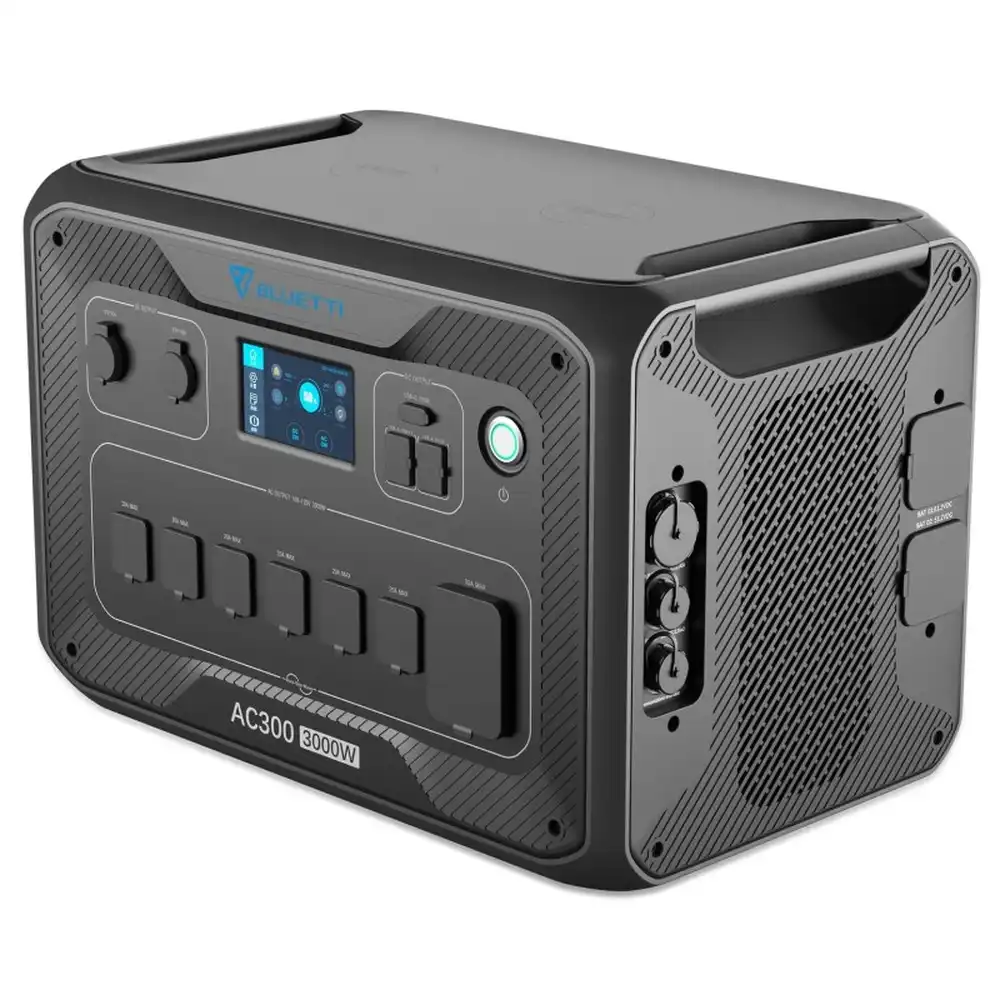
BLUETTI AC300 Inverter Module Generator | 3,000W
The BLUETTI AC300 is a modular, expandable inverter generator built for serious power needs. Delivering up to 3,000 watts of continuous output, it requires the B300 battery module to operate — giving you the flexibility to scale your energy storage by adding multiple B300 units. It features a pure sine wave inverter, 240V split-phase capability when paired with a Fusion Box, and supports solar, AC, car, and lead-acid battery charging inputs.

Whether you are building out a whole-home backup system or need a powerful portable solution for off-grid living, the AC300 delivers the flexibility and performance to get the job done. It is an ideal choice for homeowners, RV enthusiasts, and anyone who demands premium, scalable, emission-free ener

Quick Comparison: Rechargeable vs. Gas Generators
| Feature | Rechargeable Generator | Gas Generator |
|---|---|---|
| Noise Level | Near silent | 60–90+ dB |
| Emissions | Zero | CO, CO₂, fumes |
| Indoor Use | Safe | Dangerous / prohibited |
| Fuel Cost | Free (solar) / low (electric) | Ongoing gas/propane |
| Maintenance | Minimal to none | Oil, spark plugs, filters |
| Portability | Lightweight & compact | Heavy & bulky |
© 2024 Backyard Provider — Your Trusted Source for Outdoor Power Solutions