
Portable power stations have surged in popularity over the past few years, and it's easy to see why. Whether you're dealing with unexpected blackouts, heading into the backcountry for a weekend camping trip, or simply looking for a reliable backup source of electricity, these compact units deliver clean, quiet energy without the hassle of a traditional gas generator. But with so many options flooding the market, figuring out which one actually suits your needs can feel overwhelming.
In this guide, we'll walk you through everything you need to understand before making a purchase — from battery types and capacity ratings to charging methods, safety considerations, and long-term maintenance tips.
What Is a Portable Power Station?
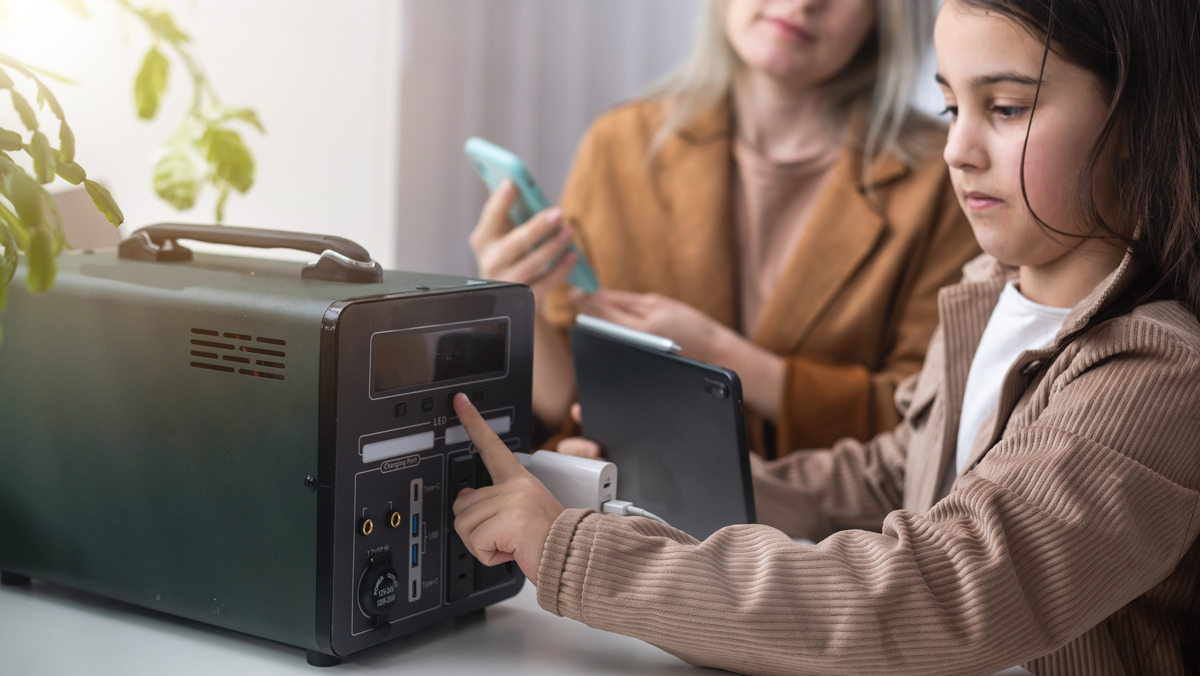
Think of a portable power station as a giant, rechargeable battery housed inside a sturdy, carry-friendly case. Unlike conventional fuel-powered generators, these units store electrical energy in built-in lithium battery cells and convert it into usable AC, DC, or USB output for your devices and appliances. They produce zero emissions, run virtually silent, and are safe enough to operate indoors — which makes them ideal for everything from tailgating events to emergency home backup.
Most models include a variety of output ports — standard wall-style outlets, USB-A and USB-C connections, 12V car-style sockets, and sometimes even wireless charging pads. The idea is straightforward: charge the station ahead of time using a wall outlet, car charger, or solar panels, then take it wherever you need power.
Pros and Cons of Portable Power Stations
✦ Pros
• Clean & quiet — no fumes, no engine noise
• Safe for indoor use — no carbon monoxide risk
• Lightweight & portable — grab-and-go designs
• Low maintenance — no oil changes or fuel
• Multiple output options — AC, DC, USB, and more
✦ Cons
• Limited capacity — can't match large gas generators
• Upfront cost — quality units carry a premium price tag
• Recharge time — full cycles can take several hours
• Heavy-duty limitations — not ideal for high-draw appliances over long periods
When to Use a Portable Power Station
Portable power stations shine brightest in situations where quiet, emission-free electricity is a priority. Here are some of the most common scenarios:
Emergency Blackouts
Keep your fridge running, charge phones, and power medical devices during outages.
Camping & Outdoor Adventures
Power lights, fans, portable stoves, and entertainment systems at your campsite.
Remote Work Sites
Run power tools, laptops, and communication equipment far from the grid.
Construction & Job Sites
Quietly power equipment in noise-sensitive areas without fuel logistics.
 Choosing the Right Size
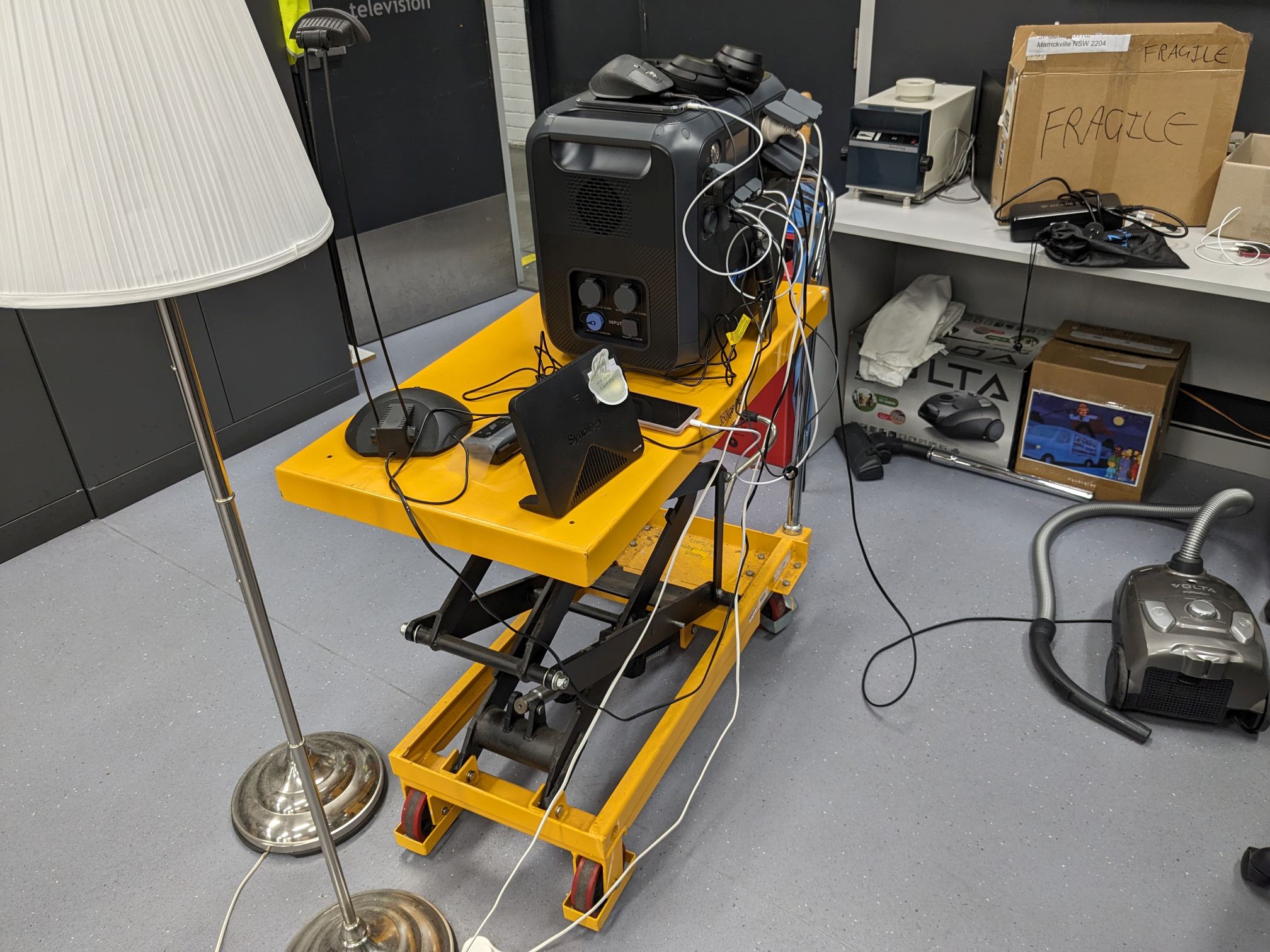
Selecting the correct capacity comes down to understanding two key specifications: wattage (W) and watt-hours (Wh). Wattage tells you how much power the station can deliver at any given moment, while watt-hours indicate the total energy stored — essentially how long it can sustain that output.
For occasional phone and laptop charging during a weekend trip, a compact station in the 300–500Wh range is usually more than adequate. If you're looking to run larger appliances like a mini fridge, CPAP machine, or power tools, you'll want something in the 1,000–2,000Wh range. And for whole-home emergency backup or serious off-grid living, units above 2,000Wh with expandable battery packs offer the most flexibility.
💡 Quick Tip
A unit with a higher watt-hour rating doesn't always mean better. Match the station's capacity and output wattage to the specific devices you plan to power. Oversizing wastes money; undersizing leaves you stranded.
How to Charge a Portable Power Station
Most portable power stations offer multiple charging methods, which is one of their biggest advantages over traditional generators:
Wall Outlet (AC Charging)
The fastest and most common method. Plug into a standard household outlet and most units reach full charge in 2–6 hours depending on capacity.
Car Charger (12V DC)
Ideal for topping up on the road. Slower than wall charging, but perfect for road trips and long drives to your destination.
Solar Panels
A completely renewable option. Pair compatible solar panels with your station for off-grid charging — speeds vary based on panel wattage and sun conditions.
☀ Charging with Solar
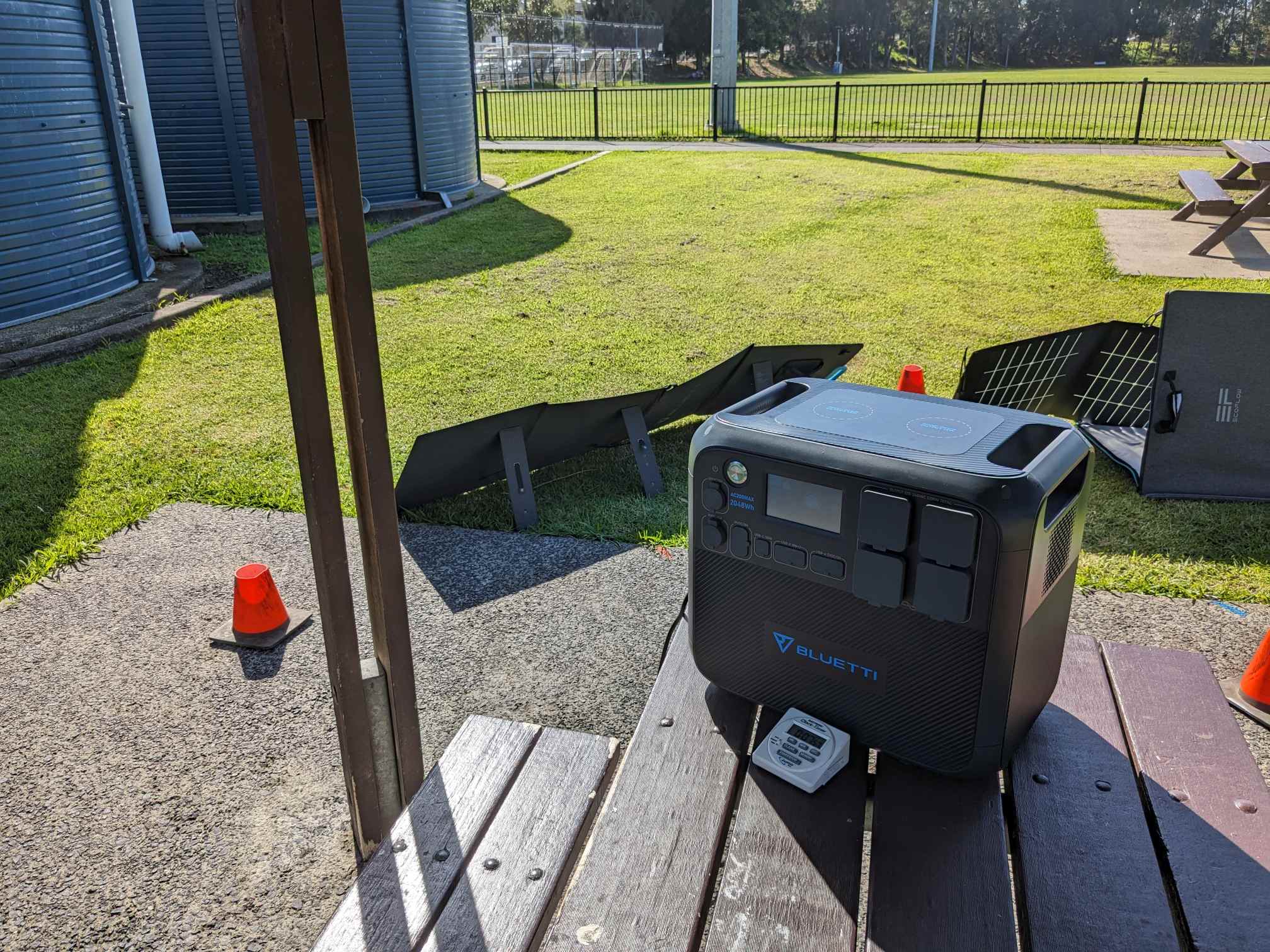
Solar charging turns your portable power station into a truly self-sufficient energy system. The key factors affecting solar charge speed include panel wattage, angle of sunlight exposure, and weather conditions. On a clear day with a 200W panel, you can expect to add roughly 150–180Wh per hour of direct sunlight. For best results, position panels to face the sun directly and adjust their angle throughout the day.
Many modern stations support dual or even triple solar input, which significantly cuts charge times. If off-grid independence matters to you, investing in high-quality portable solar panels alongside your power station is one of the smartest moves you can make.
How Much Do They Cost?
Pricing ranges quite a bit depending on capacity, brand, and feature set. Compact units in the 200–500Wh range typically start around $150–$400. Mid-range stations (1,000–1,500Wh) often fall between $600–$1,200. High-capacity models with 2,000Wh and above can run anywhere from $1,500 to well over $3,000, especially if they include expandable battery modules.
While the sticker price may seem steep compared to a basic gas generator, keep in mind that portable power stations eliminate ongoing fuel costs, require virtually no maintenance, and offer a much longer usable lifespan when properly cared for.
How Long Do They Typically Last?
Battery longevity depends on the chemistry inside. Most quality portable power stations use lithium iron phosphate (LiFePO4) cells, which are rated for somewhere between 2,500 and 3,500+ charge cycles before dropping to around 80% of their original capacity. That translates to roughly 7–10 years of regular use for most people.
🔋 Battery Lifespan Insight
Certain models on the market are now rated for 3,500 or more discharge and recharge cycles — meaning even heavy users can expect many years of dependable service. Proper storage habits and avoiding full depletion will extend that figure even further.
What to Look for in a Portable Power Station
With dozens of models available, narrowing your search comes down to a handful of critical features:
Battery Capacity (Wh)
This tells you the total energy the station can store. Higher Wh means longer runtime. Consider what devices you'll power and for how long.
Output Wattage (W)
Determines which appliances you can actually run. Make sure the station's continuous wattage exceeds the draw of your most power-hungry device.
Battery Type
LiFePO4 (lithium iron phosphate) batteries offer the best combination of safety, lifespan, and thermal stability — they're the gold standard in the industry right now.
Port Selection
Look for a mix of AC outlets, USB-A, USB-C (with Power Delivery), 12V DC, and ideally an Anderson connector for solar input.
Weight & Portability
If you plan to move the unit frequently, size and weight matter. Some models include wheels and telescoping handles for easy transport.
Expandability
Some stations let you connect additional battery modules to increase total capacity without buying an entirely new unit. This is a huge advantage for growing energy needs.
Portable Power Stations vs. Gas Generators
This is one of the most common comparisons buyers make, and it's an important distinction. Fuel-powered generators produce significantly more sustained wattage, making them better suited for powering an entire house or running heavy-duty equipment for extended periods. However, they come with serious drawbacks — loud noise, toxic exhaust fumes, flammable fuel storage, and ongoing maintenance requirements.
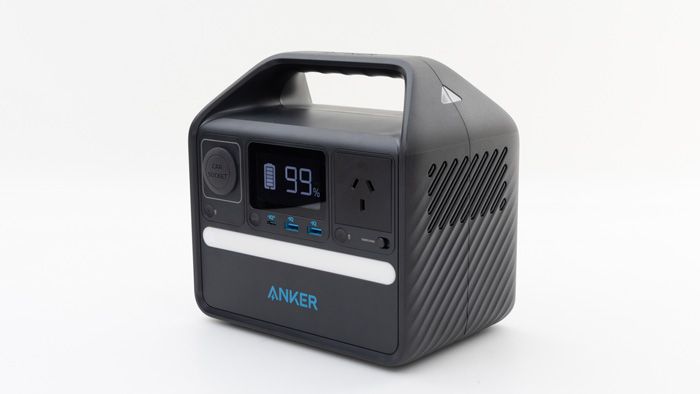
Portable power stations, on the other hand, are silent, emissions-free, and safe enough for indoor use. They're ideal for moderate power needs — running essential devices during outages, powering a campsite, or supporting remote work. For most households and outdoor enthusiasts, a well-chosen power station covers the vast majority of use cases without any of the complications associated with gas-powered alternatives.
Safety Concerns
Portable power stations are generally very safe when purchased from reputable manufacturers. That said, there are a few important safety guidelines to keep in mind:
⚡ Never overload the station beyond its rated continuous wattage
🌡️ Avoid exposing the unit to extreme heat or cold for extended periods
💧 Keep the station dry — most units are not waterproof
🔌 Use only manufacturer-approved cables and adapters
🔥 Store in a well-ventilated area away from flammable materials
Look for units that carry recognized safety certifications such as UL, FCC, and DOE compliance. These ensure the product has undergone rigorous testing for electrical safety and electromagnetic compatibility.
How to Maintain a Portable Power Station
One of the biggest perks of owning a portable power station is how little maintenance they actually require compared to fuel-powered generators. Still, following a few simple practices will keep your unit performing at its peak for years:
→ Store at 50–80% charge if you won't be using the station for an extended period. Avoid storing fully depleted or fully charged.
→ Charge at least once every 3–6 months during storage to prevent deep battery drain.
→ Keep it cool and dry — store in a temperature-controlled environment between 32°F and 86°F (0°C–30°C).
→ Clean vents and ports periodically to prevent dust buildup that could restrict airflow.
→ Update firmware if your model supports it — manufacturers occasionally release performance and safety improvements.
♻ Recycling a Power Station
When your power station eventually reaches the end of its usable life, don't throw it in the trash. Lithium batteries contain materials that can be recovered and reused. Contact your local recycling center or look for manufacturer take-back programs. Many brands now offer end-of-life recycling solutions to help keep battery waste out of landfills.
Featured Product
BLUETTI AC200MAX Expandable Power Station
2,200W Output · 2,048Wh Capacity · LiFePO4 Battery · Expandable Design
Shop BLUETTI AC200MAX →Final Thoughts
Buying a portable power station is an investment in preparedness, convenience, and independence from the grid. Whether you're stocking up for storm season, upgrading your camping setup, or simply want a reliable backup for everyday life, the right unit will serve you well for years to come.
Take the time to evaluate your actual power needs, compare battery technologies, and choose a station that matches both your current demands and any future growth. When you're ready to make a move, Backyard Provider has you covered with trusted, high-performance power solutions built for real-world use.
BACKYARD PROVIDER — Powering Your Outdoor Lifestyle